






Food painting is not a passing fad. But it is an increasingly important desire of the with raw materials as opposed to natural sources, not artificial foods. Our subject is one of the most beautifully staining natural food colours, squid ink.
There is something intangibly exciting about painting familiar foods a different colour. And contemporary gastronomy is bravely doing just that - think of pink burger patties or coloured sponge cakes. To take a Hungarian example, popular media personality Zsolt Osváth opened Unicorn Bistro in Budapest, where he for colourful dishes have built up the restaurant offer.
Black food has been in fashion for years, even among dyed ingredients. The Black Food Festival was born in Hungary and has been touring alongside several national events From Tallinn Tel-Avivig, in fact Africa is. And the next Black Food Festival in America, organised by Hungary, Taking place in Atlanta. The black food event will also feature squid ink, an excellent natural black colouring ingredient.

Product of dramatic departure: inkjet ink
It's a somewhat bizarre raw material when you think about why there is a Scheiße, or in cuttlefish ink. It is a fascinating natural phenomenon whereby squid release their „ink” into the seawater as a defensive reaction. This is actually a harmless, non-toxic black liquid, but it is perfect for temporarily completely obscuring the water, thus impairing visibility. The animal thus fools its attacker until it can swim away and hide in a safe place.
But scientists are still studying this animal structure and behaviour. It turns out that these animals do more than just blind their enemies with ink. Most cephalopod-hunting species have highly developed chemosensory (chemical detection) systems. Evidence suggests that compounds such as tyrosinase, which is present in squid ink, can irritate, numb and even shut down the chemosensory systems of attacking animals. Although the discovery of this is ongoing, it seems very likely that cephalopod ink is a more sophisticated defence than mere „black cloud” deposition in seawater.
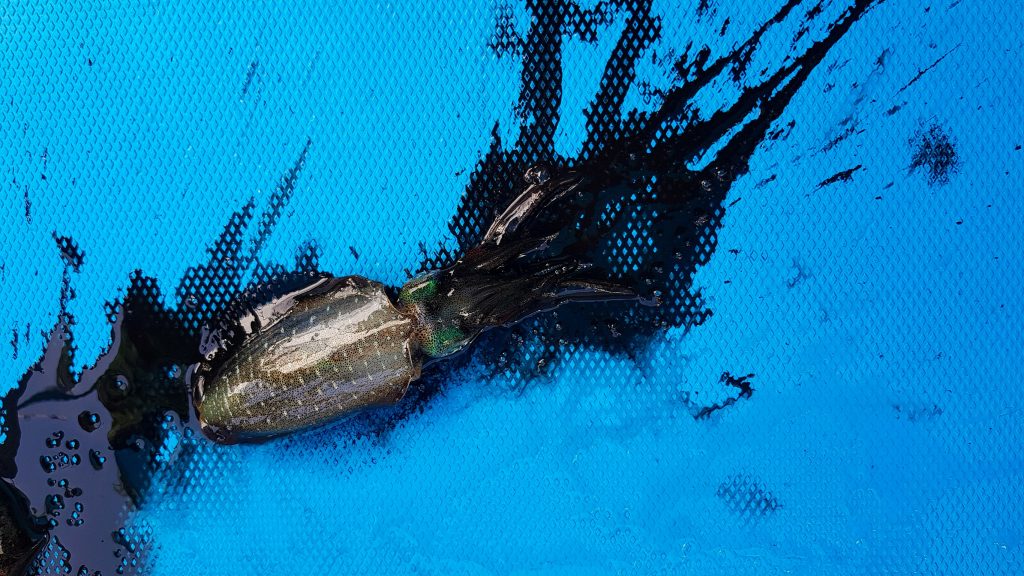
So we use this evolutionary trick to extract the animal's chéatea, also known as ink, which we use for painting. This is, of course, by no means limited to eating. In ancient Egypt, black dyes, including squid ink, were used from 3000 BC. And in ancient Rome, the great historian Cicero himself has written about squid ink, giving a recipe for making it from squid. You can paint with it on many surfaces, use it as ink in pens, and it has also been used as a colouring agent in gastronomy.
From ink bags to the kitchen
Cuttlefish are a class of cephalopods, but they are not the only ones to squirt black liquid when they feel threatened. All but one species octopus also emits ink at this time. The liquid is coloured black by a substance called melanin. This is the collective name for the dark pigments produced by most groups of living things.
Interestingly, not all cephalopods produce the same shade of ink. A octopus the ink is all black, the ink of the squid is a shade of brown, while the ink of the common squid is bluish black.
The mysterious taste of a mysterious ingredient
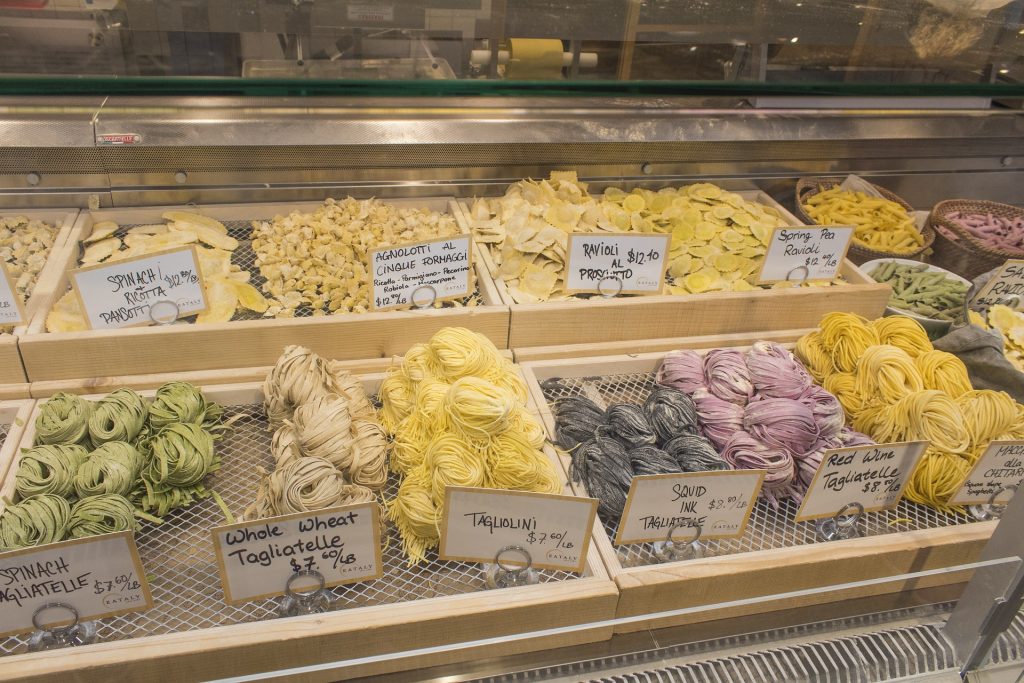
From our point of view, the crucial question is whether human consumption of Schonia is possible, harmless to our bodies and non-toxic. Accordingly, squid ink is a popular ingredient in Mediterranean and Japanese cuisine. It is mixed into pasta when kneaded or used in black sauces and gravies.

Many people are averse to using squid ink in their cuisine because they fear the dominant fishy flavour. However, connoisseurs report something different: they describe the experience of tasting squid as a fresh taste of the sea. Like all umami-rich ingredient, has an intense flavour and enhances the natural flavour of other ingredients.
Used in the food industry, Schoenix can be bought in small bottles or in powder form. It can certainly be used to create unusual-looking, exciting-tasting dishes!