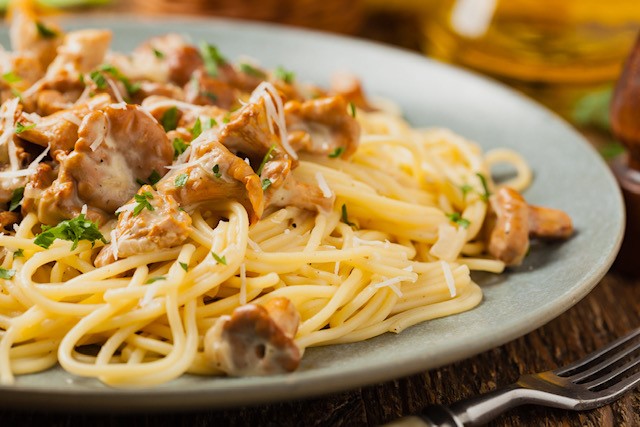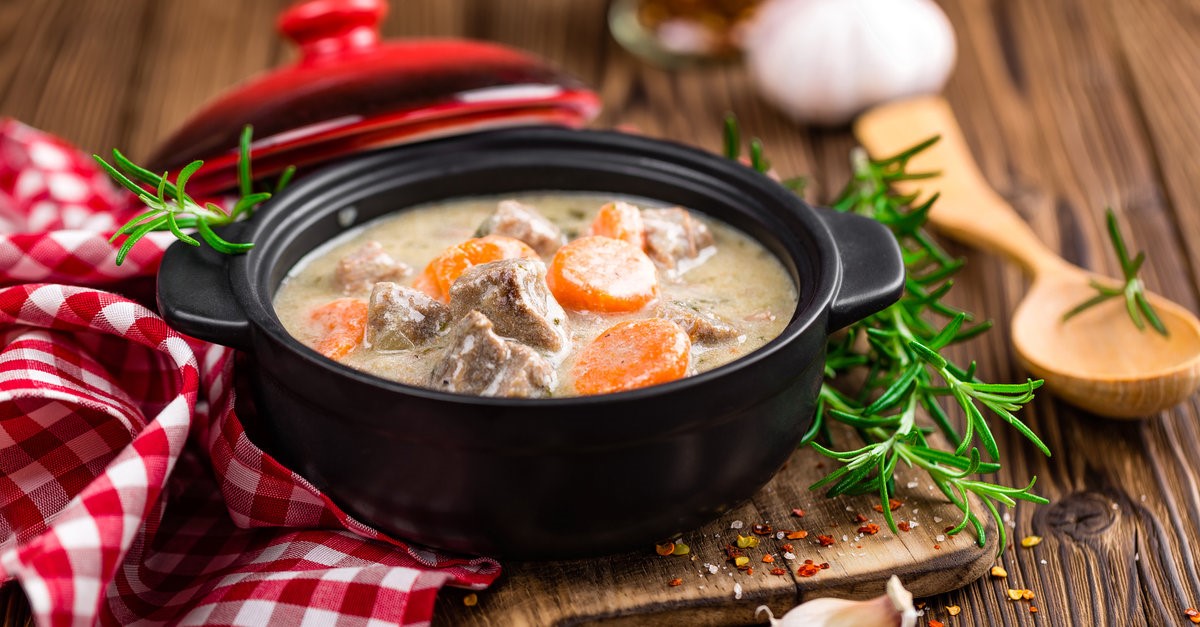







Our country's game management and wildlife resources are recognised at European level. It is popular among hunting sportsmen. There is also no doubt that Hungarian game gastronomy has a millennia-old history. It is strange, however, that although we have a tradition of game meat, and it is even known to be healthy, we do not exploit its potential, while others do. In Austria, beaver meat and game meat from Hungary are becoming increasingly popular.
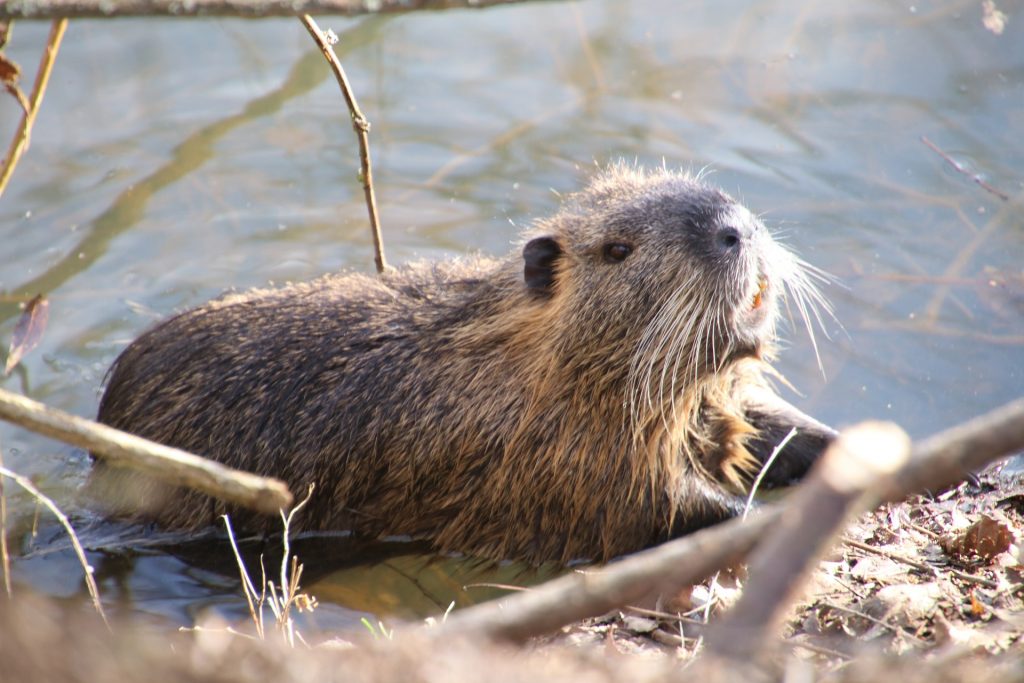
The beaver
The Eurasian beaver, European or common beaver, is the largest typical rodent of Eurasia. The species is highly adapted to an aquatic lifestyle, and its habitat is the wooded waterfront. By the early 20th century, few populations remained in Europe. In the 1920s, the first reintroduction programmes were launched in the Nordic and Baltic regions, which were then given a new impetus in the 1980s and 90s. The reintroduction campaigns have been successful, with the Eurasian beaver world population estimated to be close to 1.5 million individuals by 2020, and in our country the number has increased to nearly 8,500 individuals. The beaver is a true master builder, present in all rivers of Hungary and in many areas in an environment suited to its lifestyle.
As the population increases, conflicts are increasing, causing problems with tree felling, beaver dams in small watercourses and beaver burrowing. The beaver is a large eater, so it is constantly working to provide food for itself and its family, munching and building. Its huge teeth can chop up wood, sometimes threatening the ecosystem of rivers and waterways. This is why the beaver has been controlled, also to ensure its forest and agricultural production. To this end, certain paragraphs of Decree 13/2001 (9 May) of the Ministry of Agriculture and Forestry on protected and specially protected animal and plant species have been amended. Hunting and killing of beavers is subject to a permit issued by the nature protection authority.
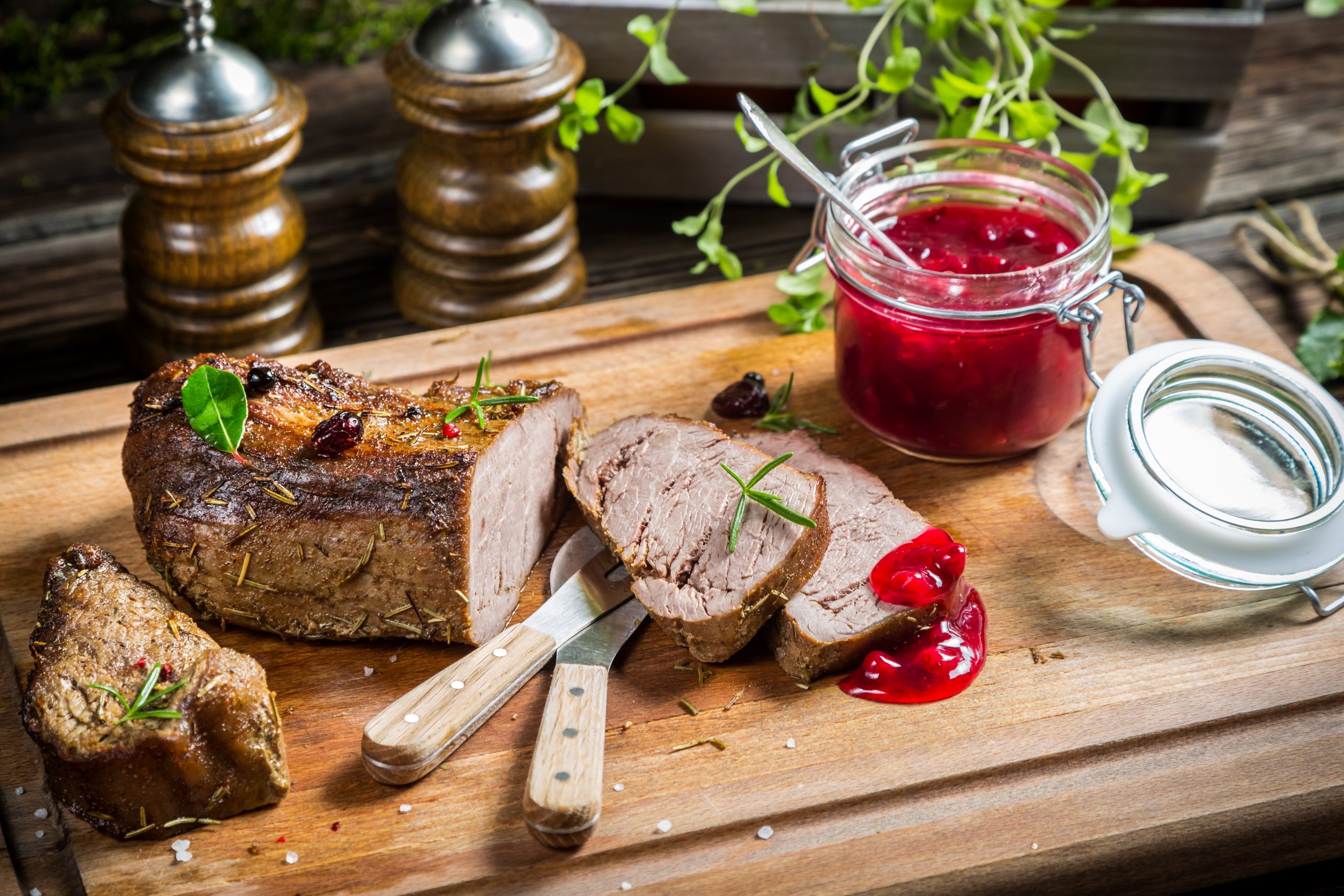
Photo by Envato elements
What Hungarian gastronomy could be good at
Evidence in our country could be the game meat more widely use of. It is a perfect and very healthy ingredient, available in abundance. When it comes to game meat, it's not just deer or wild boar. Pronghorn, mouflon, wild hare, roe deer, beaver, badger and many other specialities are among the traditional game meat ingredients that we have unfortunately forgotten. Today, exotic dishes that were once common goodies were. It would be important to rediscover our values, especially as the beaver is imported from our country to Austria. We could also achieve culinary success with it.
A MATUSZ - VAD also has special ingredients that can be an advantage for restaurants to include in their menu. Like the beaver, the crocodile skin, a buffalo burger, or the kangaroo meat can be a surprising and sought-after catch. With a bold menu and good marketing, success will come knocking on your door.

Photo by Envato elements
Max Stiegl's beaver feast
From frogs' legs, turkey testicles, sow cheeks and horse fillets, there is hardly an animal or piece of meat that Stiegl has not used in his cooking. One of Austria's top chefs, who runs the Gut Purbach in Burgenland, Stiegl is a keen user of offal and rare ingredients in his cooking. For some time now he has also included beaver in his repertoire.
This is how he sees it.
We eat turkeys and pigs from factory farms that are shipped halfway across Europe, we are wary of beavers, even though they eat healthily and we know where they come from. I find that hypocritical. When it comes to cooking, you should treat a beaver like a young boar. It tastes a bit like a wild duck.”
As beavers are strictly protected in Austria, Stiegl imports the animals from Hungary. In keeping with his whole animal philosophy, he throws every part into the pot, from the heart to the liver to the beaver's tail, which he praises. He's even grilled a whole beaver the way you would a suckling pig.
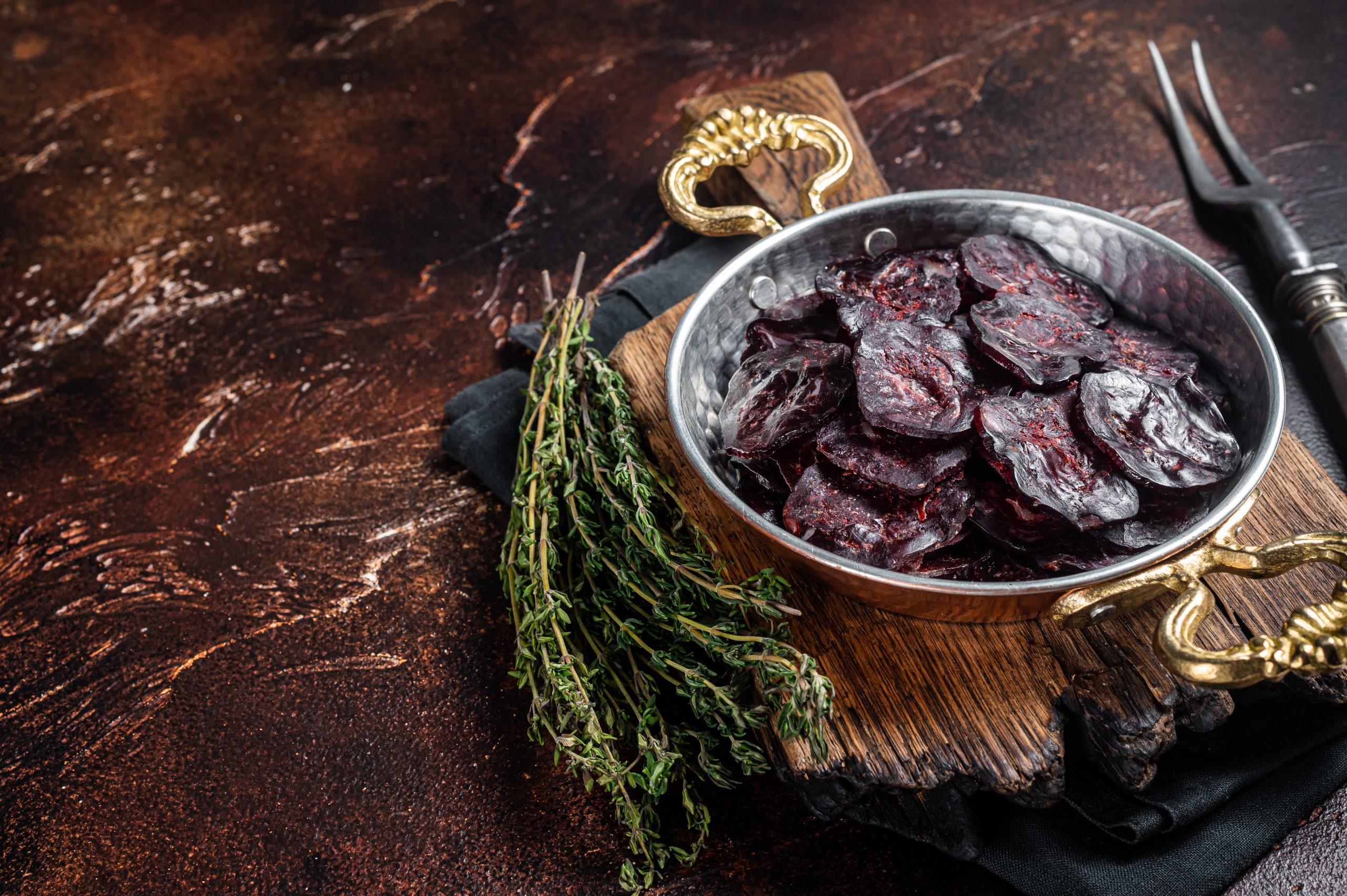
Photo by Envato elements
We can rediscover game dishes through
People are used to Max Stiegl's unusual food. Interest in and awareness of nature's culinary treasures is growing worldwide, and pioneers in this field can make a real difference in the hospitality industry. The natural, the sustainable, the surprising and the special have become what guests are interested in. The diversity of wildlife and culinary traditions can be the cornerstone of the future of hospitality. Every October, the Piz Buin mountain inn in Galtür, Tyrol, on Lake Silvretta, celebrates the Groundhog Festival, where the animals are served in a soup with parsley potatoes and apple red cabbage. Ischgl Sporthotel Silvretta Stiar's chef prepares a stew and ravioli with marmots. At the Sigwart Tiroler Weinstuben in Brixlegg Kufstein, acclaimed chef Traudi Sigwart serves dishes made with marmot stuffing and white Alba truffles.
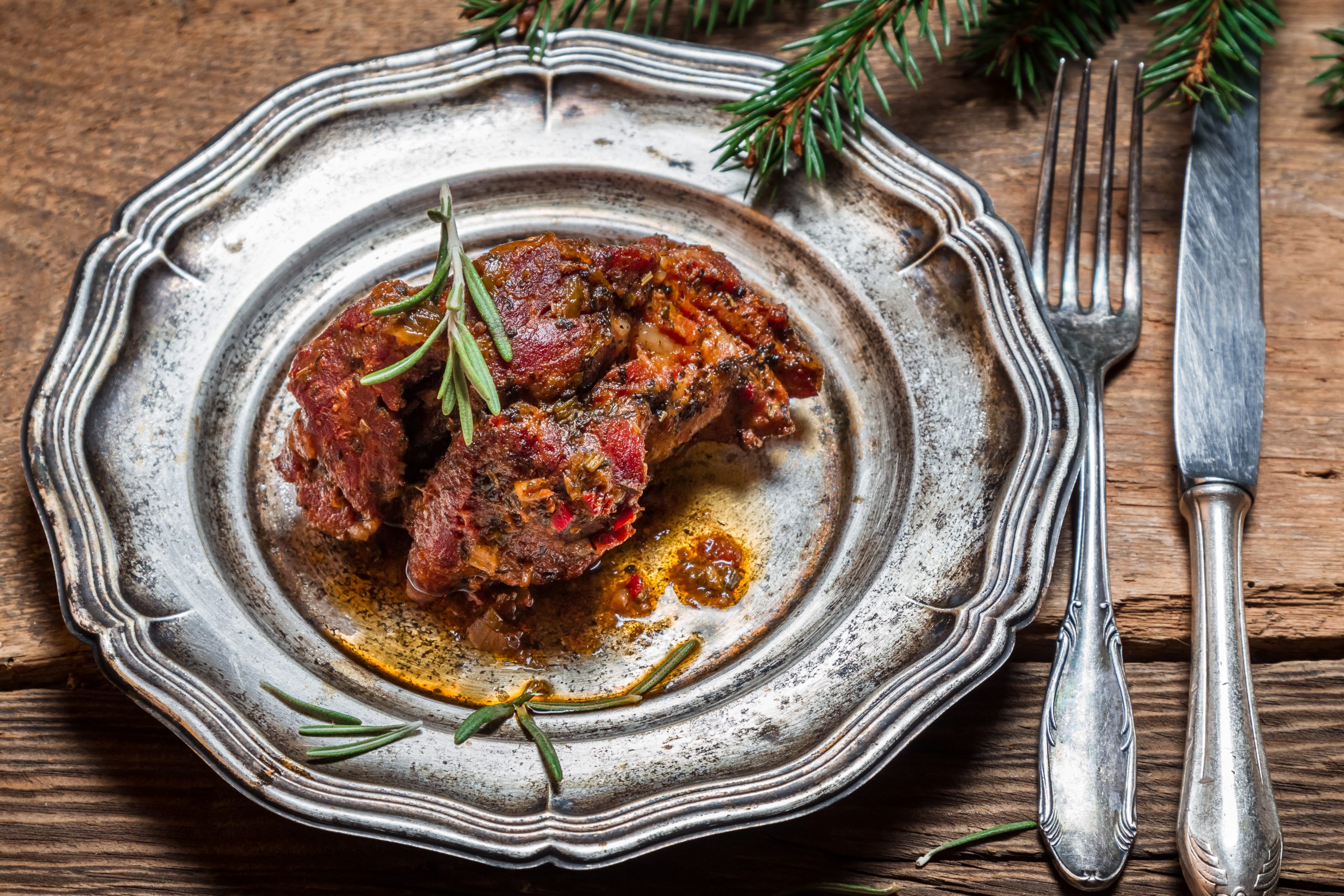
Photo by Envato elements
We may be consuming more wildlife than we think
In principle, many game species are edible. However, they need to be professionally prepared for cooking. For some game species, such as badgers, nutria, bears, crows and even wild boar, the veterinarian must carry out a trichina test to rule out diseases that can be transmitted to humans. It is also important to note that these particular species are usually found in small numbers or the animal does not produce much usable meat, such as crows, badgers and marmots. From the point of view of gastronomy, this should be taken into account as a priority. There is great interest in dishes made from special culinary ingredients, as guests find them exotic and interesting. At a time when sustainable, regional consumption is the main objective, special game and game meats can certainly be a clever plan for a restaurant's palette.