






In this article, we not only list some of the world's rarest and most expensive salts that will enhance any dish, but we hope they will inspire you to experiment more and introduce new, complex flavours into your creations.
Salt, also known as the “fifth element”, is not only essential for life, but is also used and is an essential part of any food all over the world. In the words of the famous chef Ferran Adrià, “salt is the only product that changes the way we eat”. There is currently a great deal of interest in salt and chefs everywhere are experimenting with artisanal varieties that can be found all over the world. If you've only ever used two types of salt - table salt and sea salt - it might be time to do a little research! Although the prices can sometimes seem prohibitively high, it's worth bearing in mind that most are used as “finishing salt”. So sprinkled on top of the food before serving, a small amount will last for a long time and the salt has no expiry date.
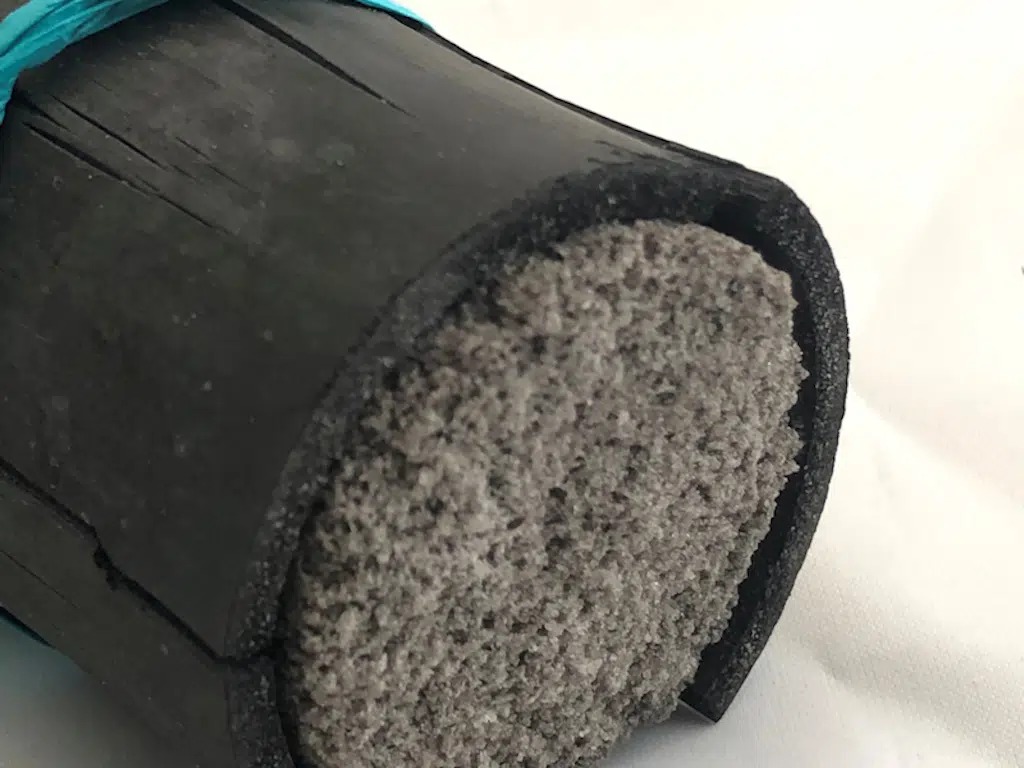
1. Amethyst Bamboo 9x Korean Sea Salt Price: 153 $/100 g
This highly valued salt starts life as a coarse, grey sea salt. It is placed in bamboo cylinders and yellow clay and then prepared in a pinewood-fired kiln at a temperature of around 800 °C. The bamboo and clay are then burnt and only the salt remains. This complex baking process is repeated 9 times until the salt turns pink and the burnt bamboo and clay in the oven takes on an iron-like flavour. Because of its intense and complex flavour, it is used in cooking as well as sprinkled on top of food, and strong have medicinal properties.
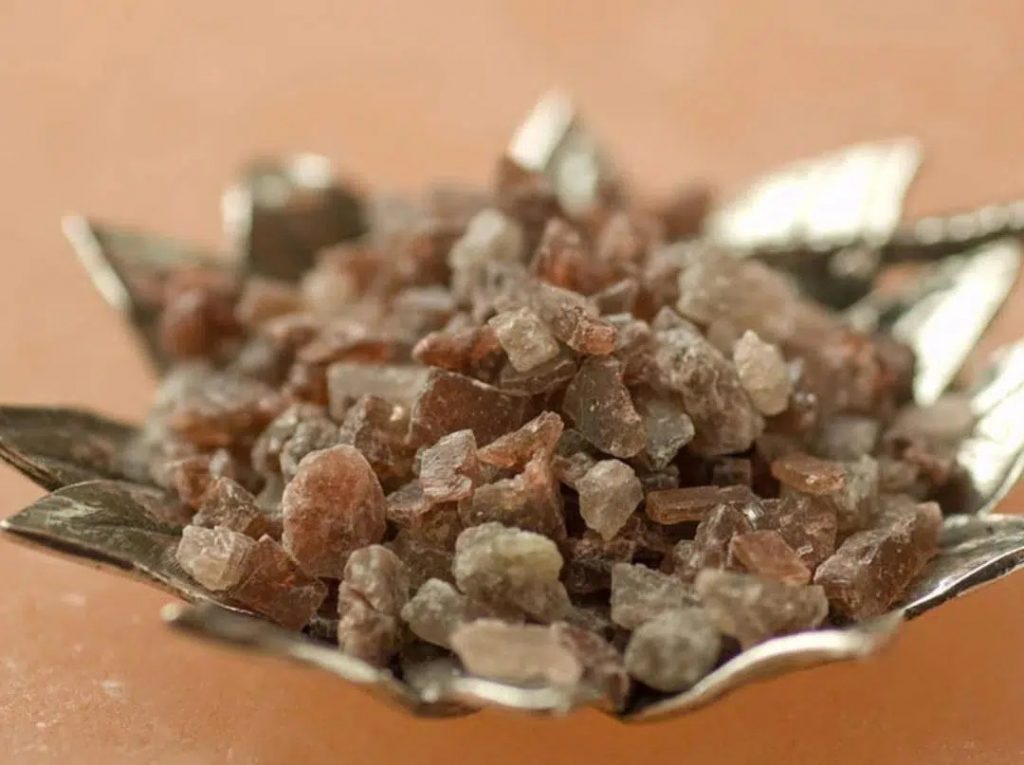
2. Korean Oyster Bamboo Price: 83 $/100 g
This dark, purplish-black sea salt goes through a similarly labour-intensive process as amethyst bamboo salt, and takes up to 45 days to mature. This is why Korean bamboo salt is one of the most expensive in the world. You pay not only for the taste, but for every step that goes into its production. Although it's only Korea is made throughout Asia is highly valued, not only as a culinary ingredient, but also for its alleged healing properties. It is rich in iron, potassium and calcium compared to most other salts.
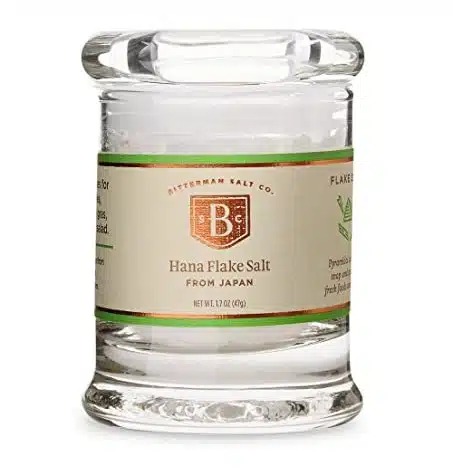
3. Hana Flake Japanese sea salt Price: 50 $/100 g
This beautiful, ice-coloured salt comes in a flat pyramid shape, with fine flakes that glisten in the sunshine like creamy red Arctic snowflakes. Hana Flake is used to flavour many Japanese dishes, but it also complements salads and steamed vegetables perfectly, and makes a stunning garnish for cocktails. In this country, it is only available through foreign online shops, but only as part of an exclusive premium sea salt set. Needless to say, the sea salt stock is far from cheap.
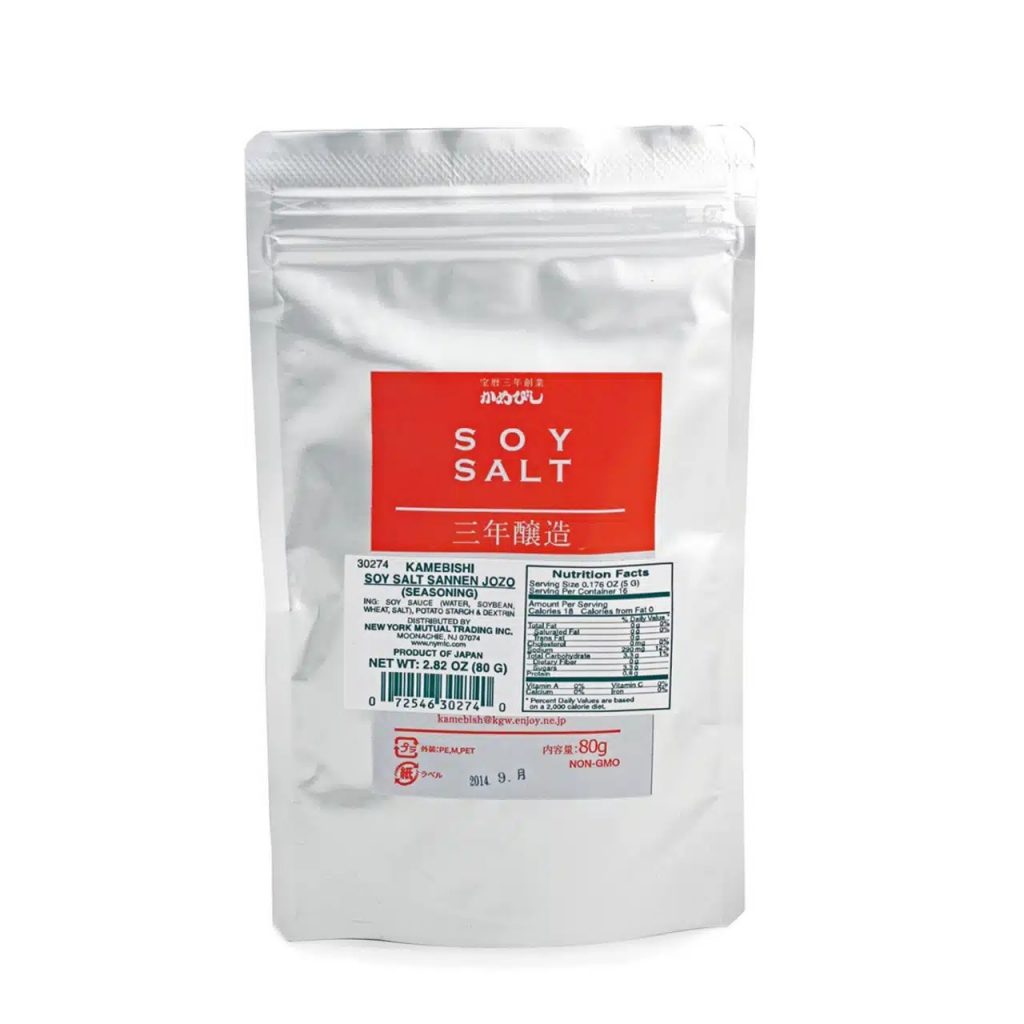
4. Kamebishi Soya Salt Price: 45 $/100 g
Soy salts, which are much more modern than traditional salts that are hundreds of years old. It is more complex in taste, In Japan used for all kinds of food, including fish, a vegetables and the eggs also, mainly to make the flavour more interesting. Fans describe it as „sea spicy”, yeasty, with a strong umami effect. Kamebishi soy sauce is traditionally produced by a 254-year-old family Japanese brewery, and the idea of liquid soy flakes was inspired by the Japanese was the brainchild of chefs who „specialised” mainly in French and Italian cuisine.
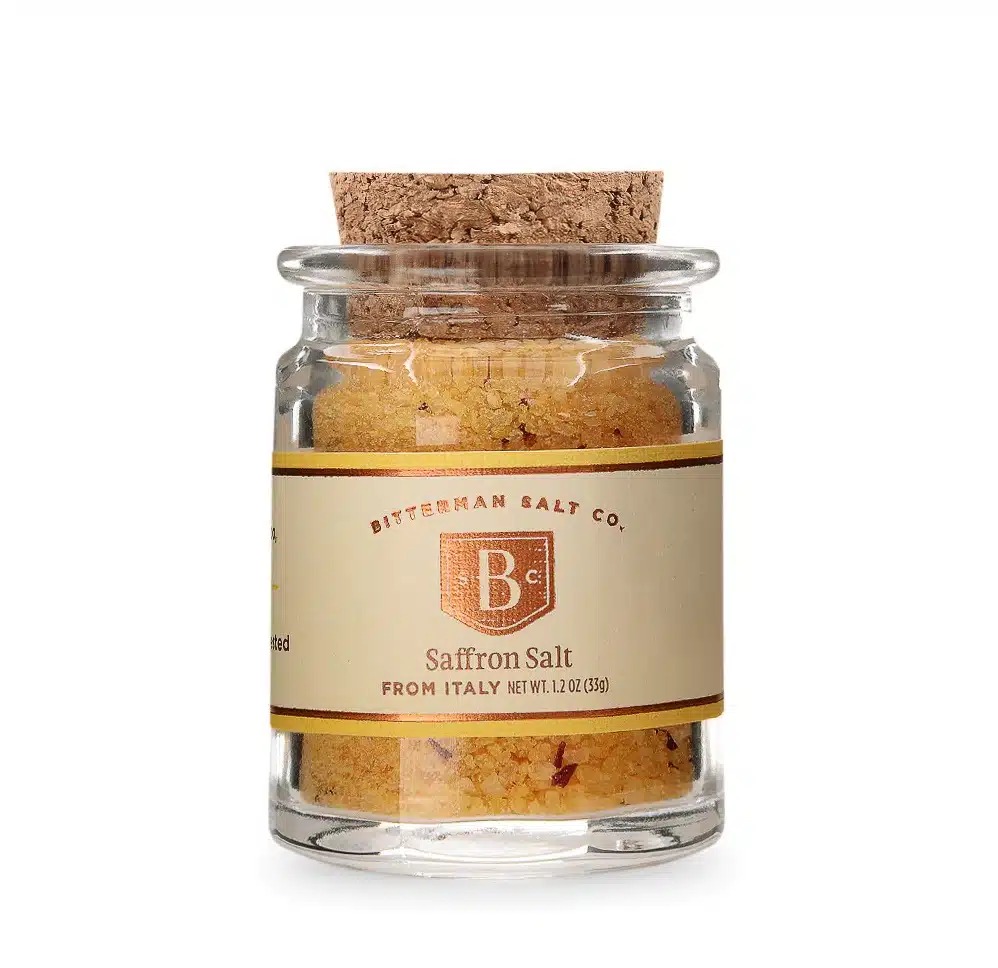
5. Saffron salt Price: 44 $/100 g
At around €12 million per kilo, pure saffron is a real luxury and the most expensive spice in the world. The price is not surprising given the labour-intensive process of harvesting the rare crocus flower buds by hand. And when combined with carefully produced sea salt to create a more economical product, the resulting saffron salt is still not cheap. However, enthusiasts claim that once tried, nothing can replace the elegance of the wonderful, fragrant aroma it brings to food. As well as being an indispensable part of any tagine dish, it adds excitement to any meal. fish, a rice, a eggs, a vegetables, a lamb, a chicken and even Bloody Mary. To make sure you get the genuine article, be sure to check the ingredients. A good quality mix will contain only sea salt and aromatic saffron, while a cheaper mix will contain turmeric to give it a distinctive colour while reducing the cost of production.