






The sight of a small crocodile on a spit, roasting over coals, is quite astonishing. But like so many foods, the consumption of crocodile meat is a cultural issue. It's not common in this country, but it's available now: and the tastefully packaged fillets are nothing to be scared of. In fact!
The most common meats on the table are poultry and quadrupeds. However, molluscs are also a real delicacy, such as mussels, crabs, oysters or snails. Although they are still rare in our part of the world, reptiles can also provide high-quality meat.
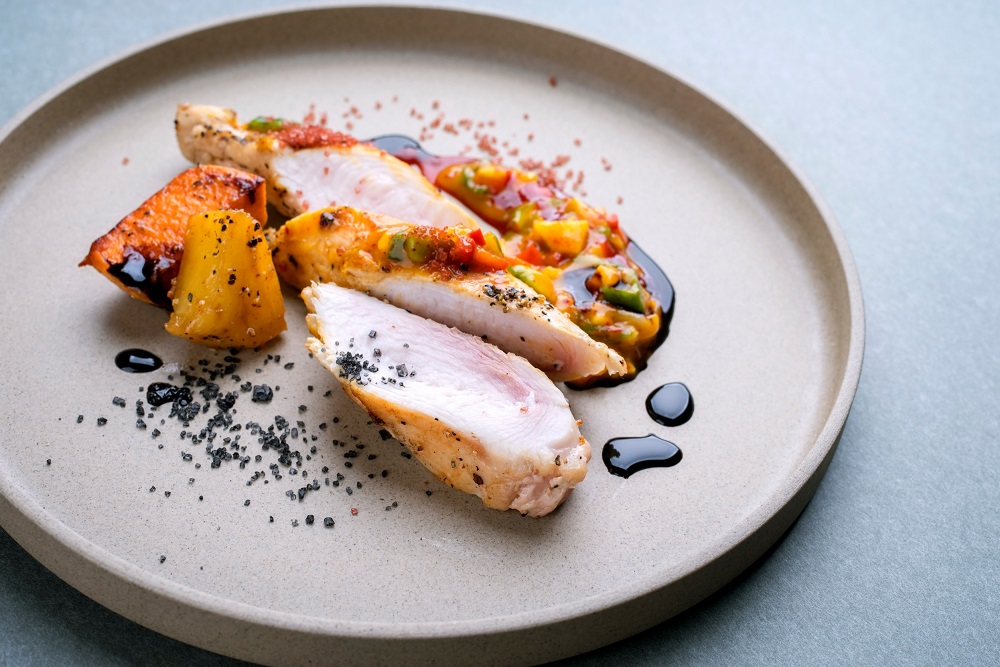
The living creature of the ancients
At first glance, the crocodile and the alligator look more like dragons or other monsters from storybooks and fantasies. This is not just a fantasy, as crocodiles are the closest relatives of the now extinct pterosaurs, flying dinosaurs and birds. Strange to think about, but in terms of their biological taxonomy, crocodiles and birds are indeed closely related.
You could say that the crocodile's PR is not the best. The scary-looking animal is a particularly voracious predator that doesn't even eat carrion. Living in swamps and waterfronts, the apex predator has no natural enemy except in South America, where the jaguar can hunt down the huge reptile. There are around 30 species of crocodile on Earth today, the largest of which can grow up to 6-8 metres in length and weigh over a thousand kilograms (!).
Crocodiles slaughtered for food, on the other hand, are usually slaughtered at a weight of 30-40 kilograms.
Is it legal to eat crocodile meat?
Crocodiles have also been hit by over-hunting, which threatens the survival of wild populations. Crocodile meat on the table must therefore come from farm-raised animals, as must crocodile skins, which are a fashionable commodity. “Most crocodile species are protected in most countries. Hunting them in the wild requires strict permits,” says the Wikipedia.
For food, we mainly eat saltwater and Nile crocodiles. A hybrid breed of saltwater crocodile and Siamese crocodile crosses, bred specifically for food, has also been bred and is a common breeding animal in Asian crocodile farms.
Exoticism at home, even though crocodile meat and eggs are a prized staple in almost every continent. They are also found in Australia, Central and South America, Africa and Southeast Asia. In Australia, no one is surprised to see crocodile chips in the shop or crocodile steaks in restaurants, although on this continent they eat meat such as kangaroo, vallabi (a smaller kangaroo species) and emu. It is also an integral part of the cayun cuisine of the United States, a unique style of richly spiced, varied cuisine of French immigrants in the state of Louisiana.
What does crocodile meat taste like?
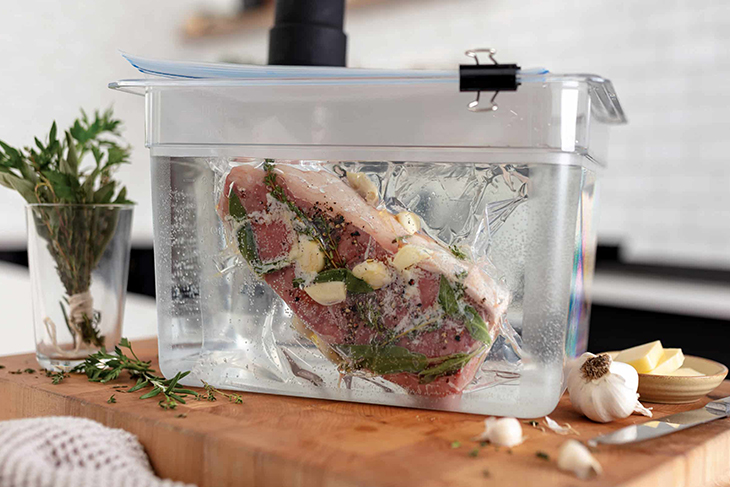
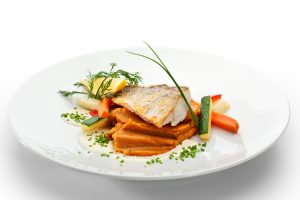
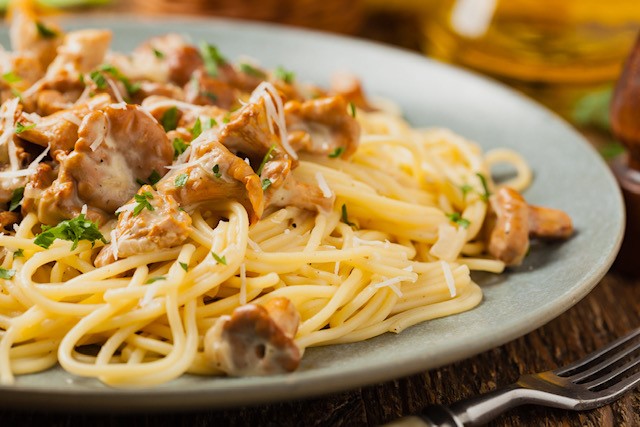
Crocodile meat is classic lean white meat. Fibrous structure has a texture reminiscent of both chicken and fish, but no fishy taste at all. It is usually marinated before heat treatment, as it has a waxy consistency, lean meat it dries out easily and becomes chewy when baked. For the same reasons, it is not recommended to fry it suddenly over high heat.
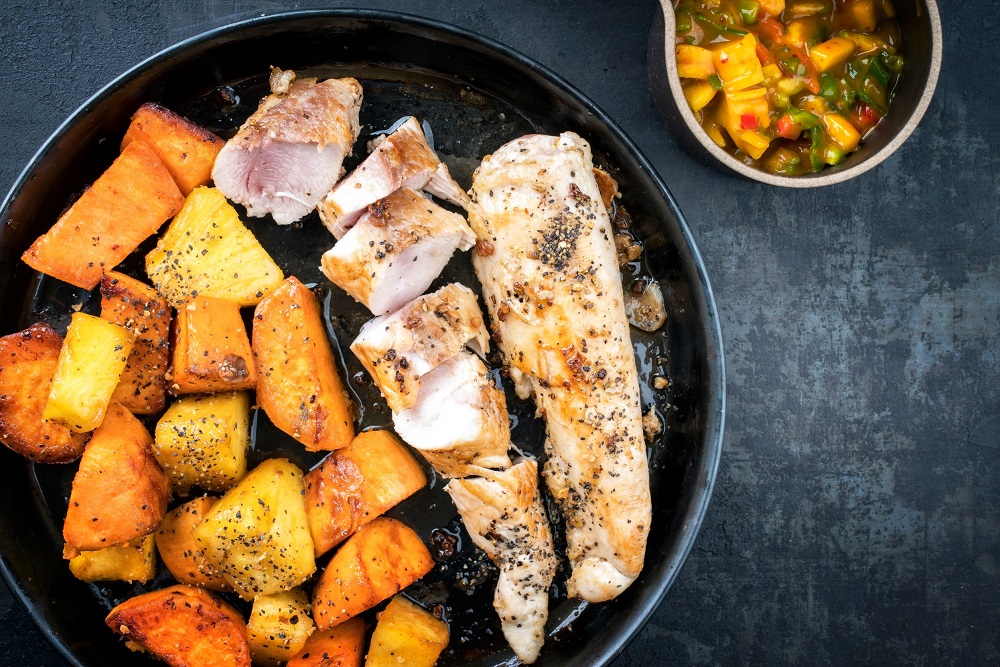
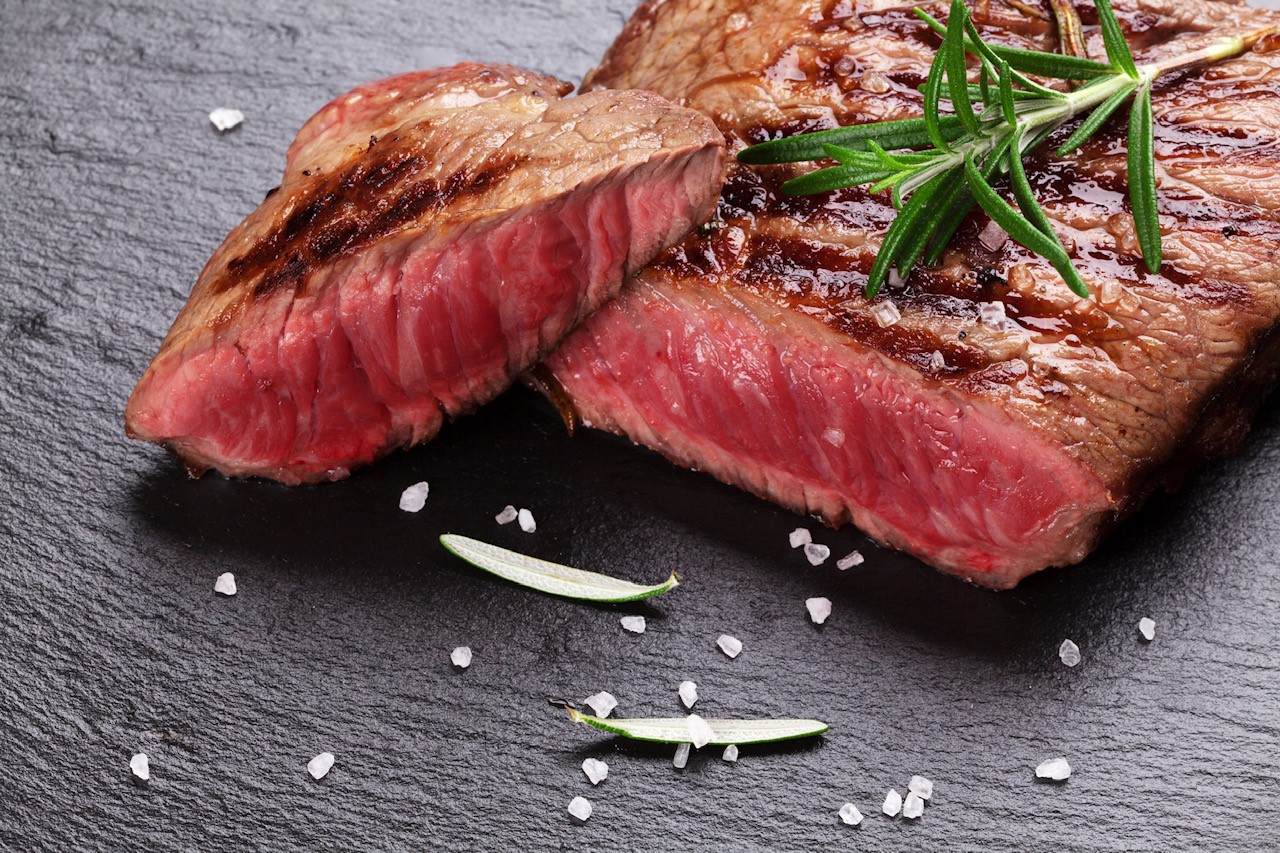
Gourmets agree that the top part of the crocodile's tail and the tenderloin are the best cuts of meat. It may seem a bizarre culinary proposition at first, but the best of crocodile can be eaten from egg to leg. The crocodile's collagen-rich legs have been likened to frog legs. In addition to the noble cuts of meat mentioned above, crocodile ribs, thighs and even the jaws are also very popular, and many people consider the tongue to be a real delicacy.
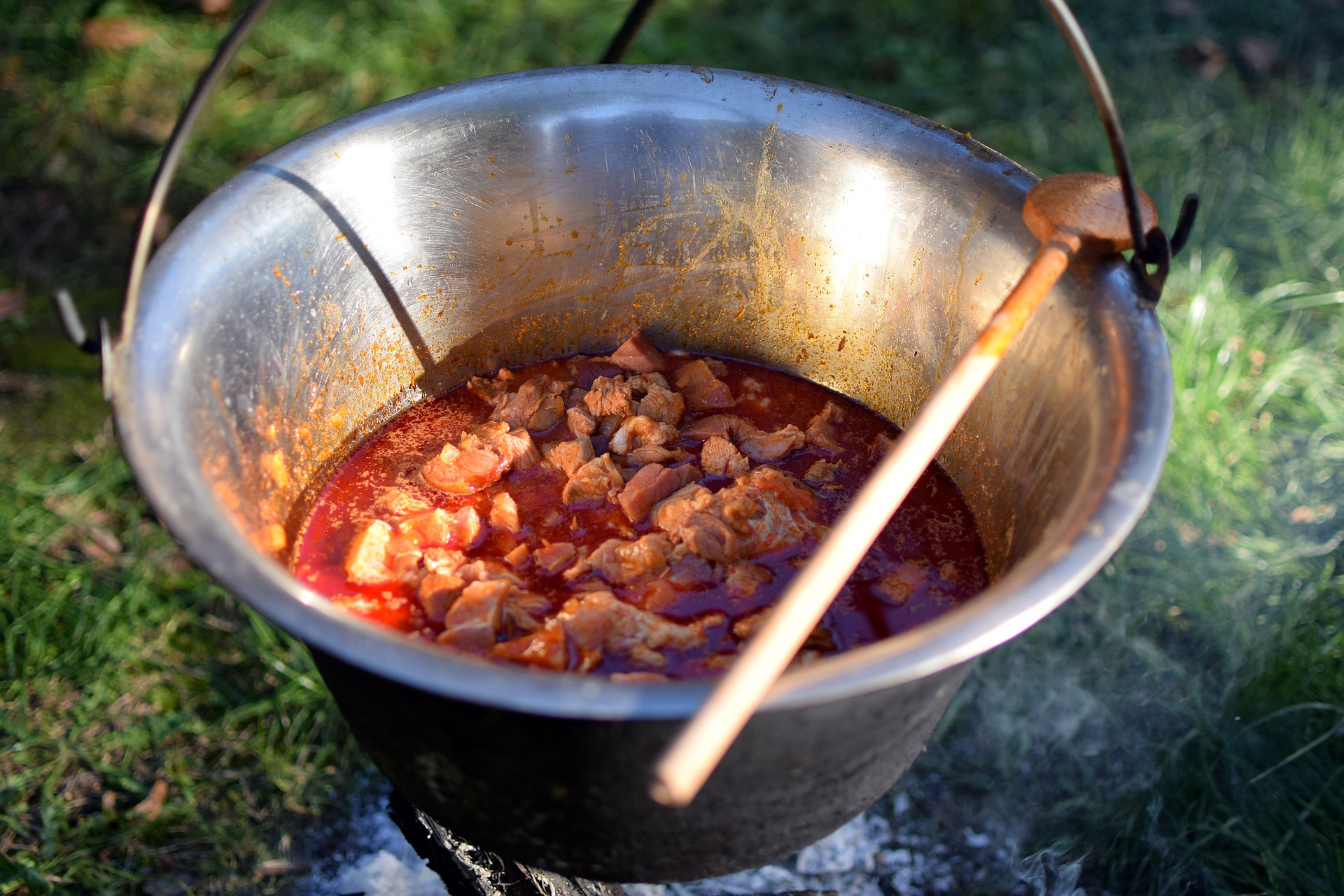
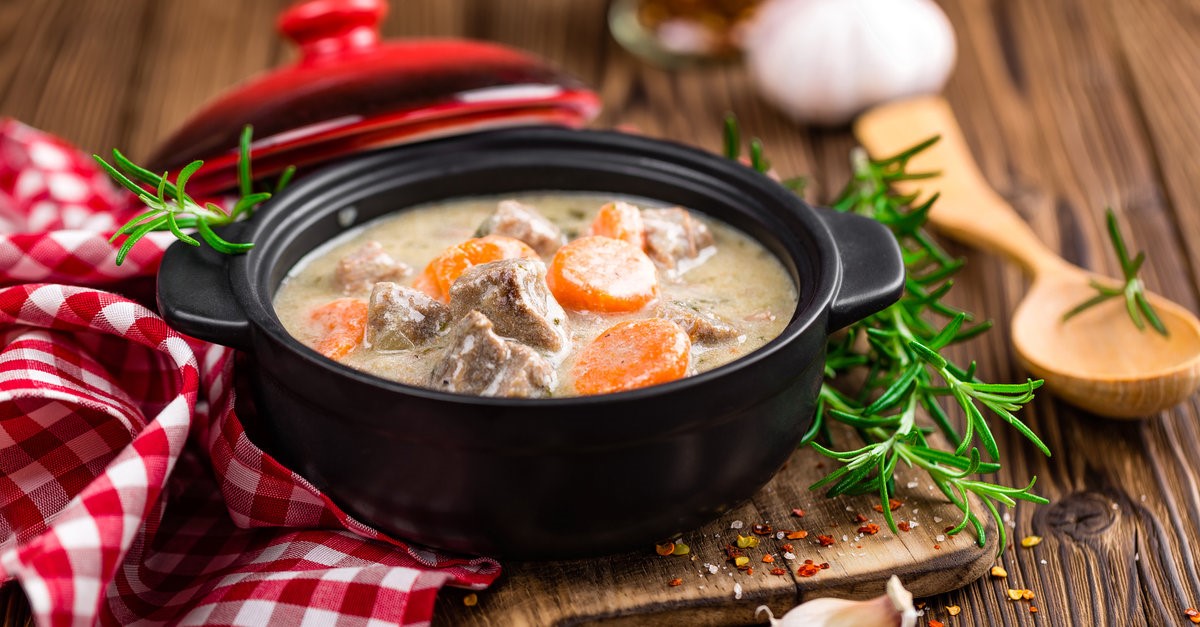
In addition to crocodile tails, the Matusz-Vad also offers -colours of intestine. It is the ideal base for steaks, grilled fillets, tasty casseroles and hamburger meat. Both are currently priced at around HUF 16 500 per kilogram gross, making it a dish for special occasions. A real gourmet adventure.