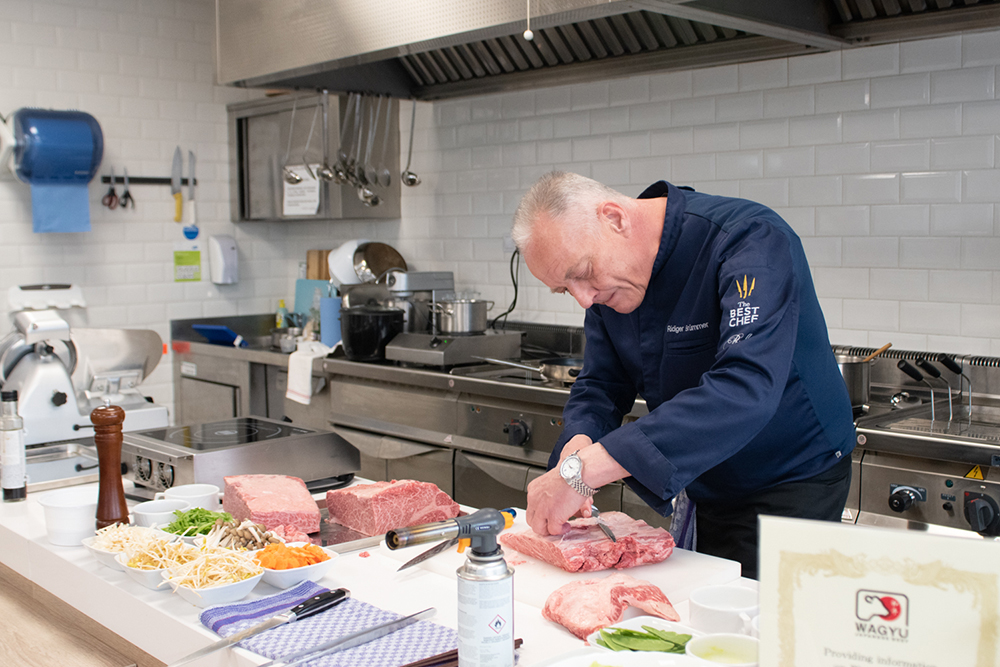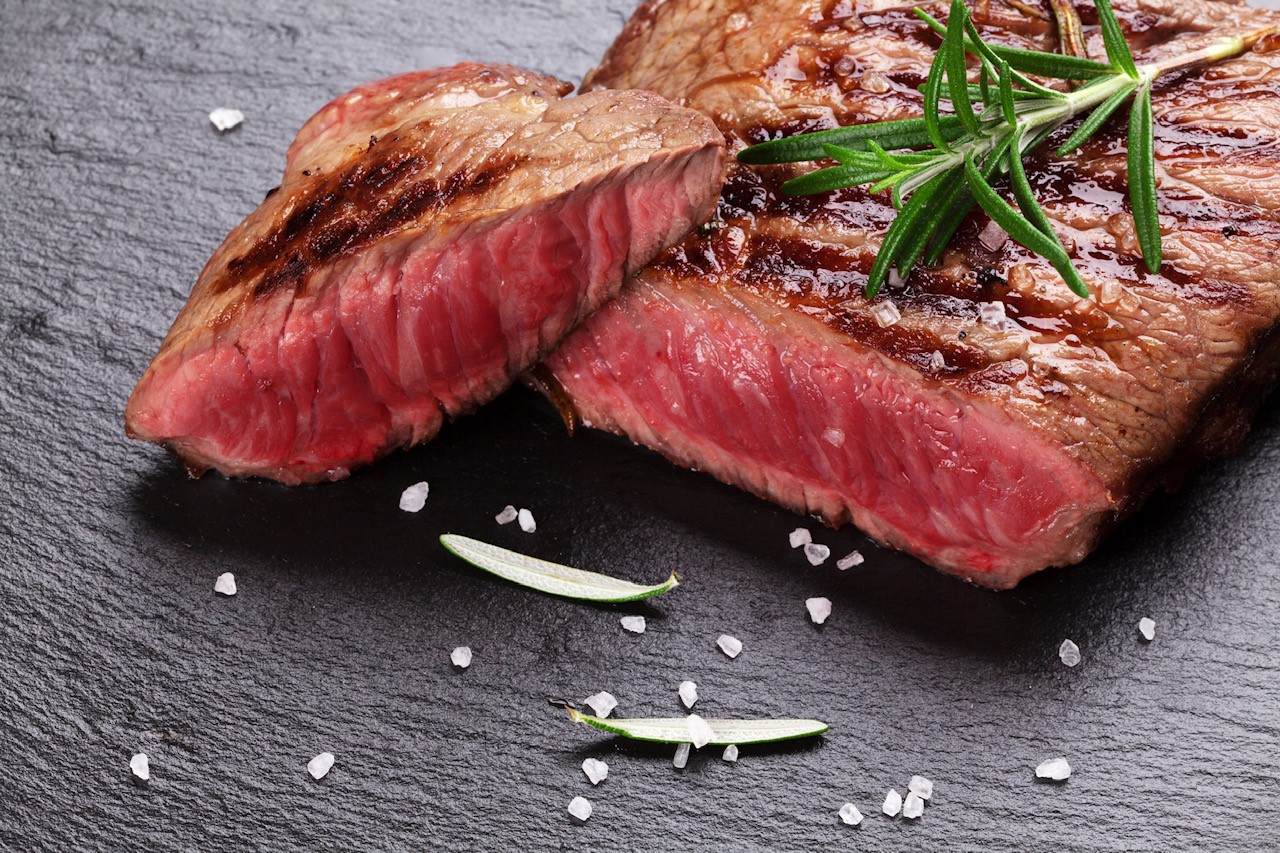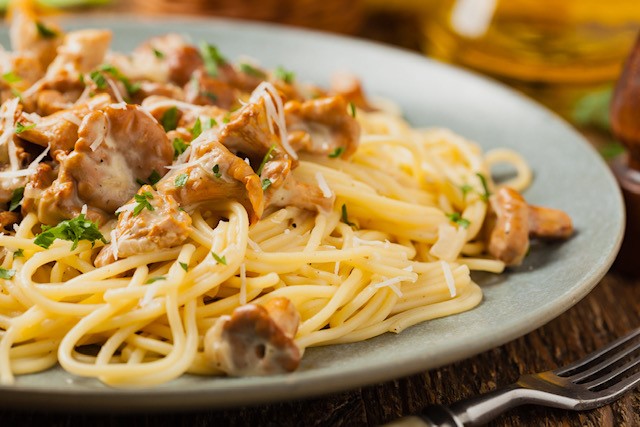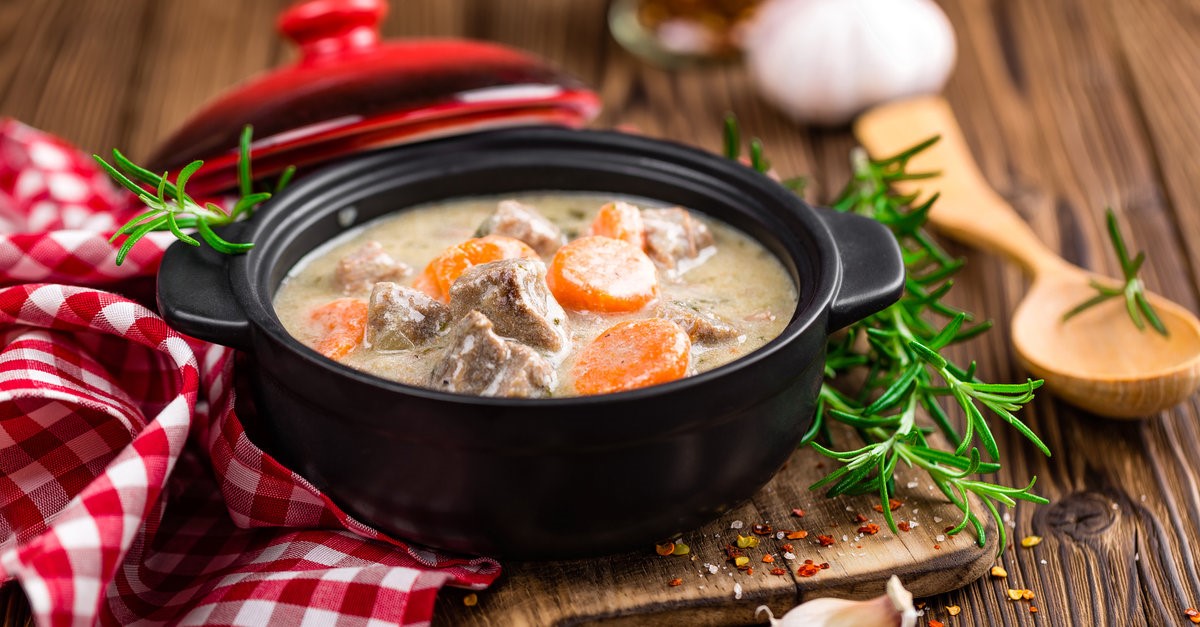






The technical chefs of Matusz-Vad held an interactive presentation for their partners in Western Hungary at Garzon Plaza**** in Győr. This time, the main role was played by secondary cut Wagyu meat cuts, which were used to create 4 exciting dishes for our guests. The aim of the event was to show that wagyu is not only a privilege of fine dining restaurants.
The presentation was opened by a few minutes of introduction by Balázs Doma, Sales Manager, who welcomed the guests and summarized in a few sentences what to expect in the next hour and a half. The floor was taken over by our colleague Pál Popovics, who recently had the good fortune to be able to visited a Japanese wagyu farm. He spoke about his experience at Top Farm, where he was able to gain insight into the daily lives of the animals and their carers. A wagyu cattle breeding requires unique care, which is rewarded with premium quality, beautifully marbled meat. The meat's unique marbling is due to the fact that until the mid-19th century it was kept as a draught animal, so that its fat is not deposited in a single layer on the meat to save energy, but weaves through it like a web. Their carefully formulated diet of 5 different feeds produces healthy and tasty beef. The wagyu is a special cattle bred exclusively in Japan and is not only an unrivalled gastronomic delicacy, but has been part of Japan's World Heritage since 1997. Its unmistakable flavour and high quality have earned it worldwide recognition, and its popularity has grown with the expansion of Japanese cuisine.
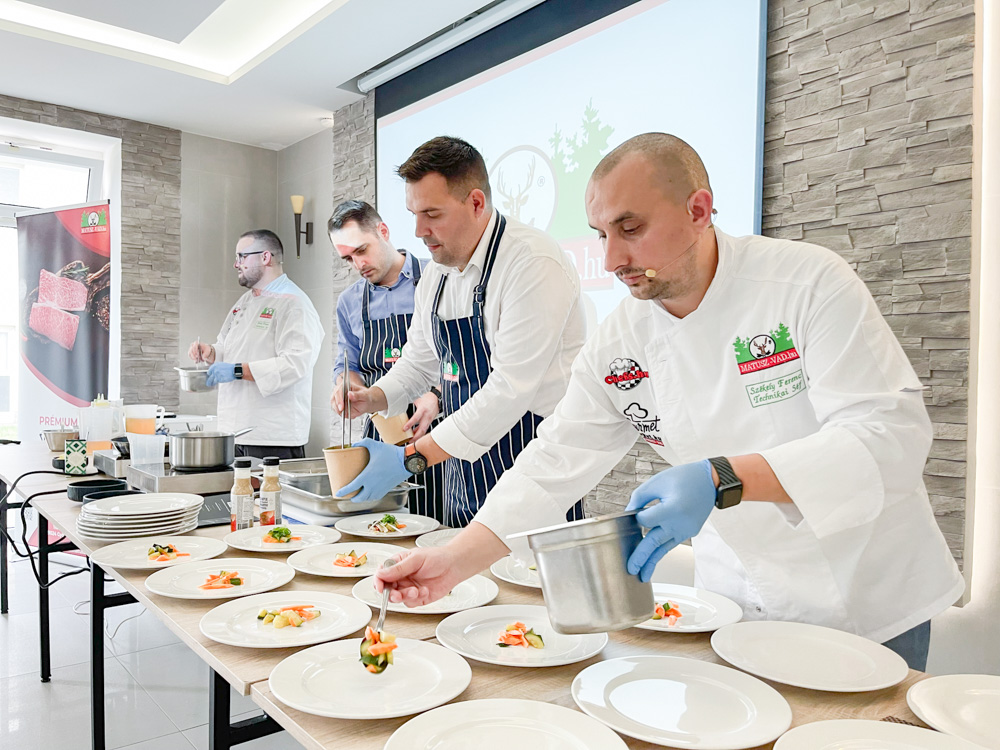
Wagyu is far from inaccessible
A basic rule of Asian eating is that people eat vegetables with meat, not the other way around. They are completely alien to the idea of eating the actual size of meat at a meal, preferring to believe in the principle of „less is more” and premium ingredients. Because they don't have to transport the wagyu from far away, they are in a better position in that the price is not outstanding, but with a little brainstorming, it can be easily incorporated into the offerings of domestic restaurants. What counts as primary and secondary cuts of meat comes down to the deboning process. The primary cuts are those that can be boned or deboned from the animal in the first round of the deboning process, i.e. chuck, rib, loin, round, flank, short plate, shank and brisket. Secondary cuts are those that are the result of the splitting of the main cuts, but these are not necessarily of inferior quality, but are more affordable.
Form your kitchen
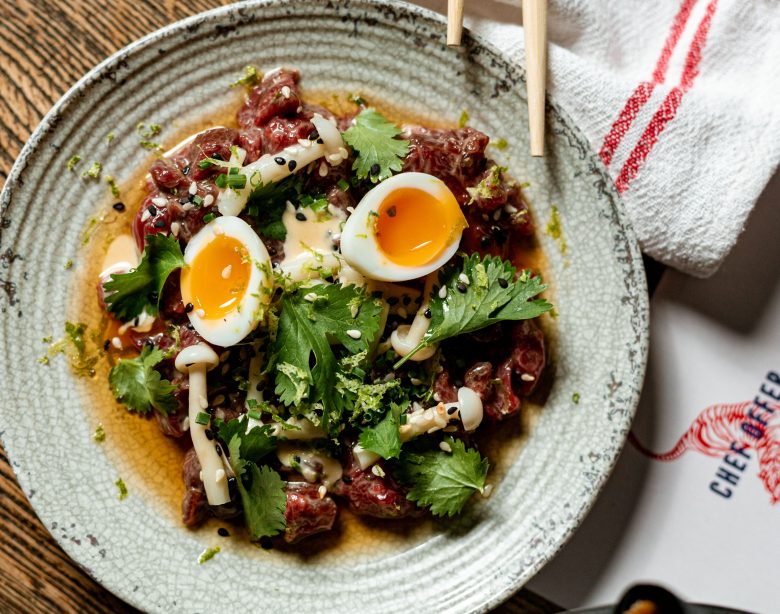
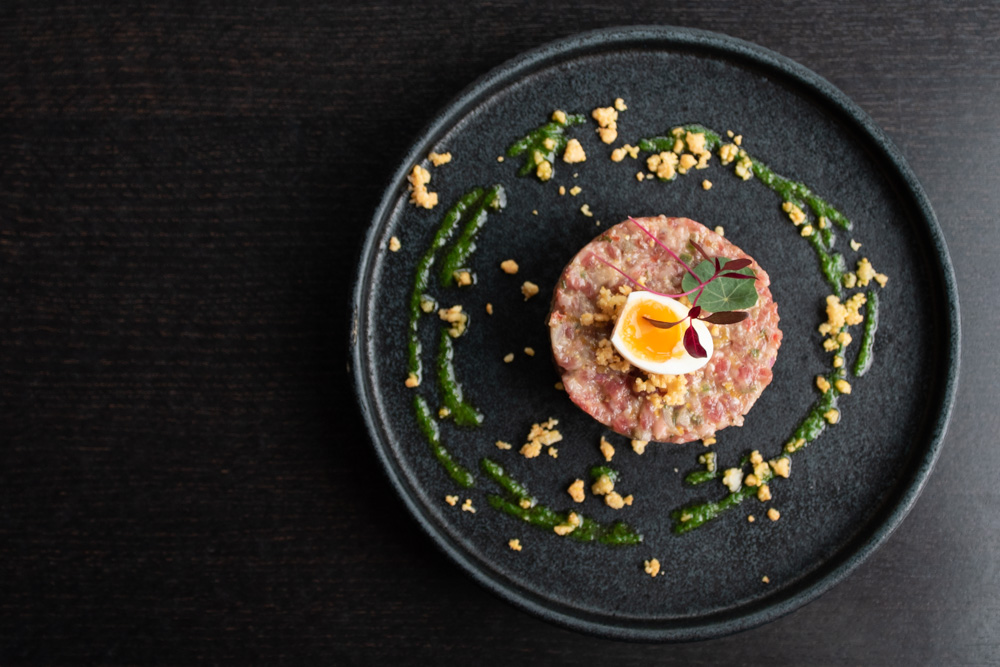
The first dish we prepared for our guests was an East Asian Tatar fusion, served with truffles and quail eggs. For the dish we used a total of 80 grams of wagyu per serving, which is only 3 - 4000 forints per person, not much different from the price of a good quality steak, but guaranteed to entice guests to the menu. The loss from trimming was cooked by our chefs as a carcass to be used as a garnish.
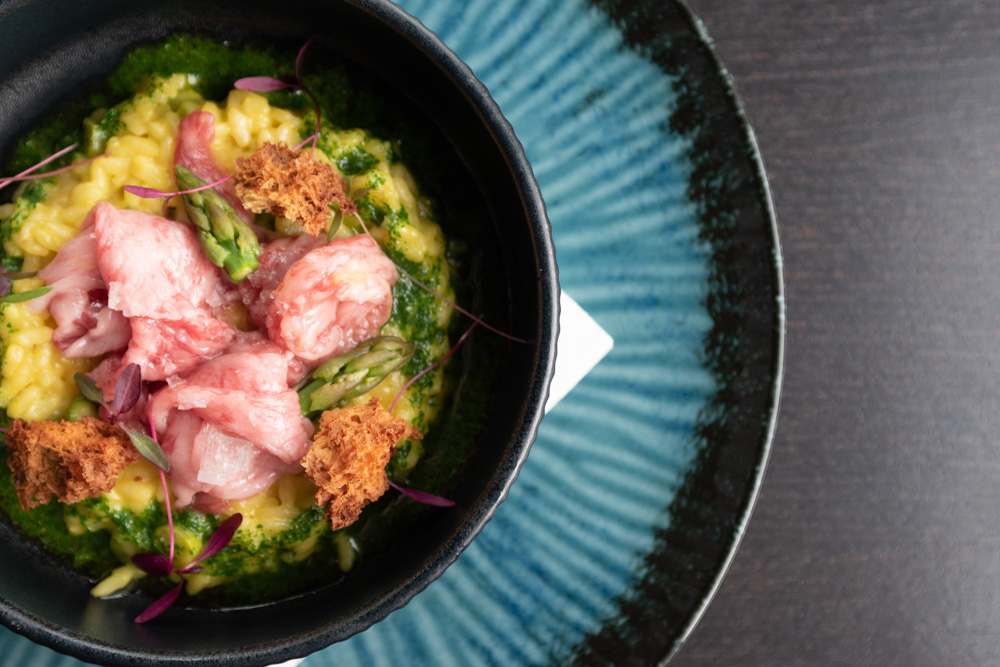
By the time our guests had finished tasting the tartare, our two chefs, Ferenc Briák and Ferenc Székely had already prepared the ingredients for the risotto, which, as always, was Surgital with precooked arborio which shortened the average cooking time considerably. In keeping with the season, asparagus was one of the main ingredients, but a special arugula pesto was also added to the plate. The top was topped with hair-thin chuck eye, melted to buttery softness by the heat of the fresh risotto, the resulting rendered fat elevating this iconic Italian dish to unprecedented heights. For this dish we used 70g of meat, worth around 3000 forints.
Japanese food on the menu!
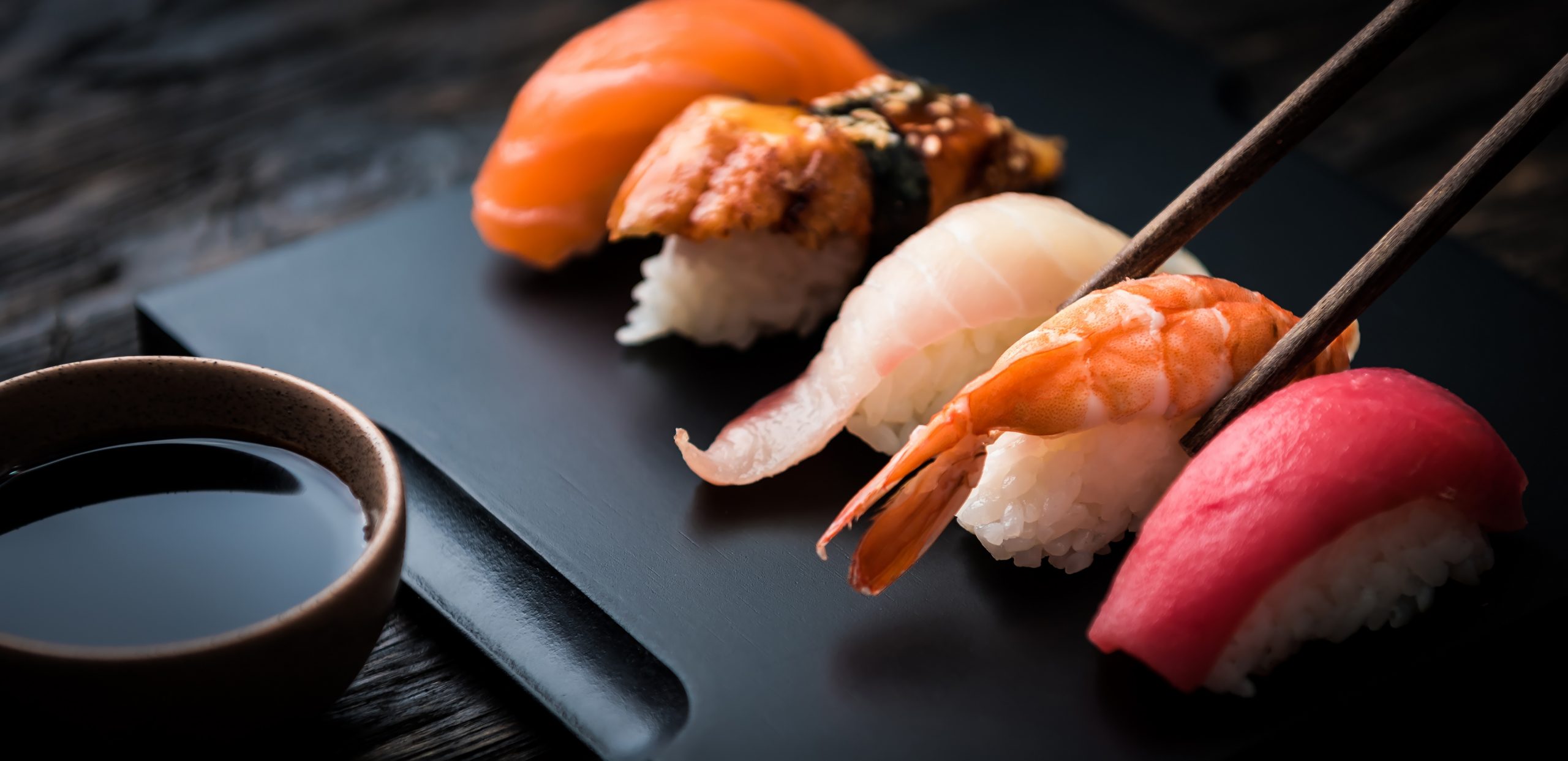
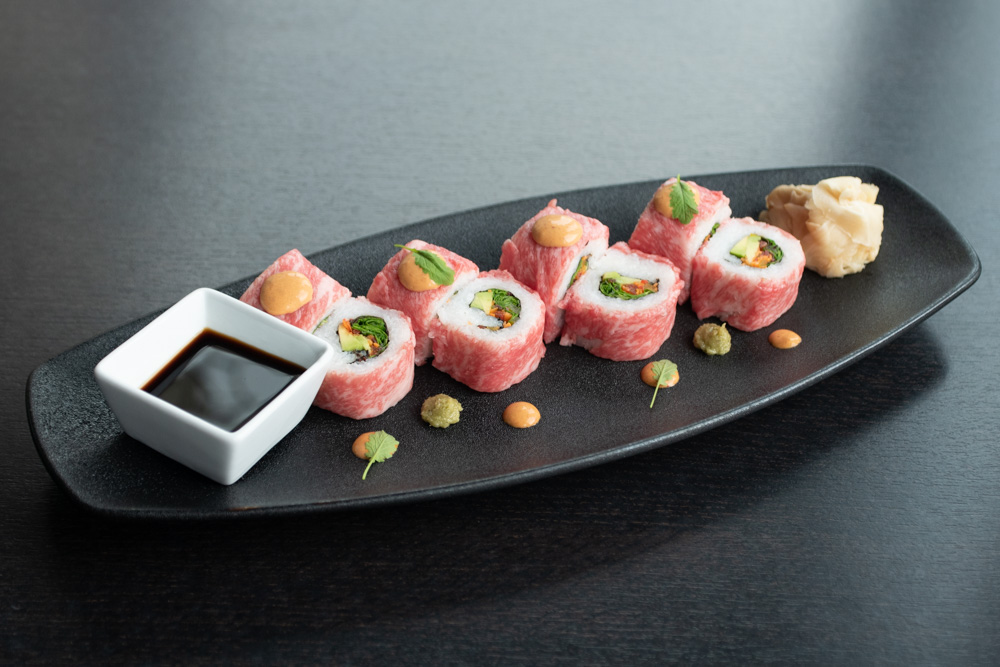
To stay true to the origins of wagyu, risotto and Tartar we also treated our guests to two Asian dishes. We served a truly urakami sushi with a mix of California peppers, avocado, lettuce and a chuck eye wagyu blanket on the outside, softened with chipotle mayo for the perfect overall effect. To make this, we only needed 40g of meat per serving for around 2000 HUF. We were particularly pleased that even guests who, by their own admission, are not big fans of sushi, praised it.
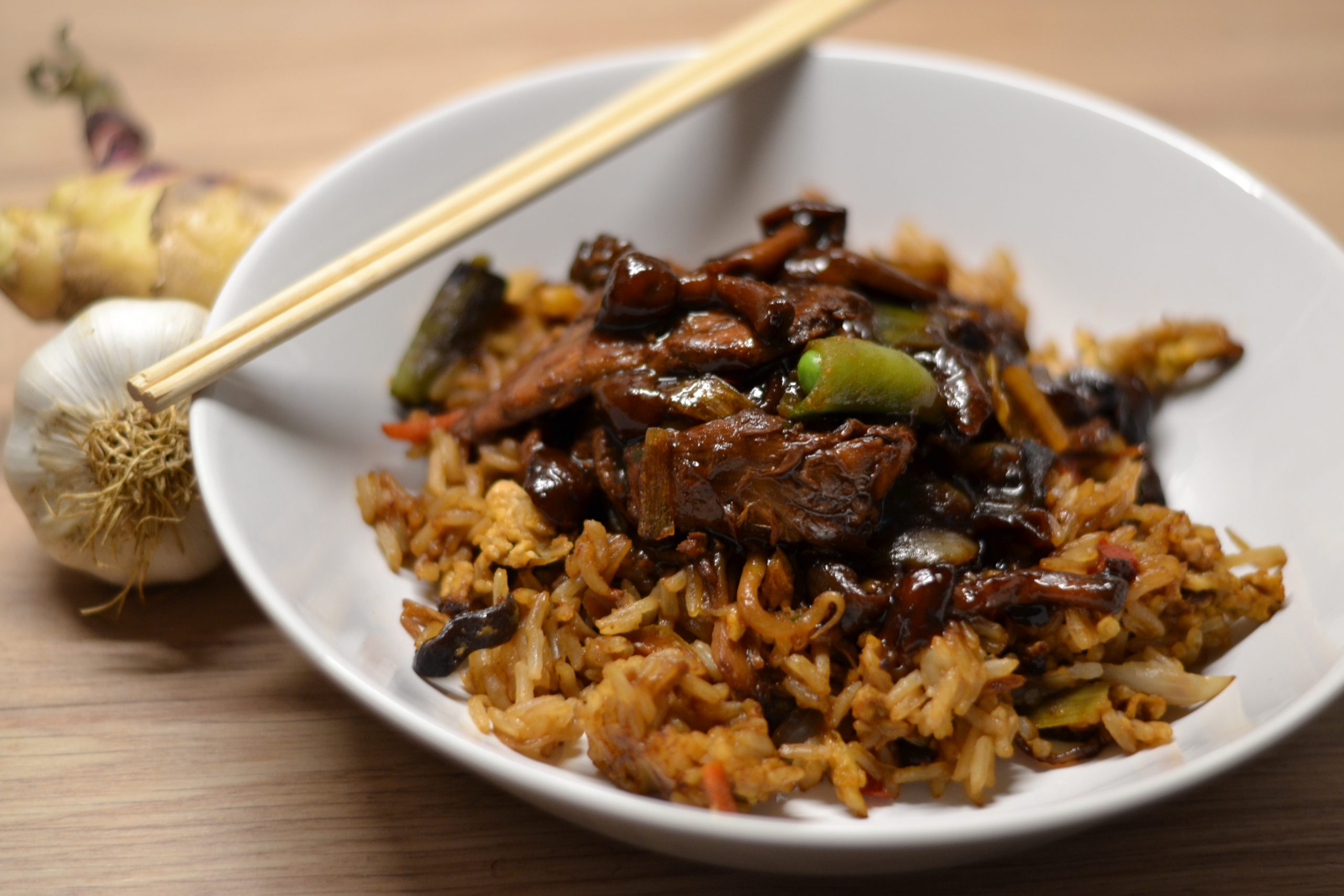
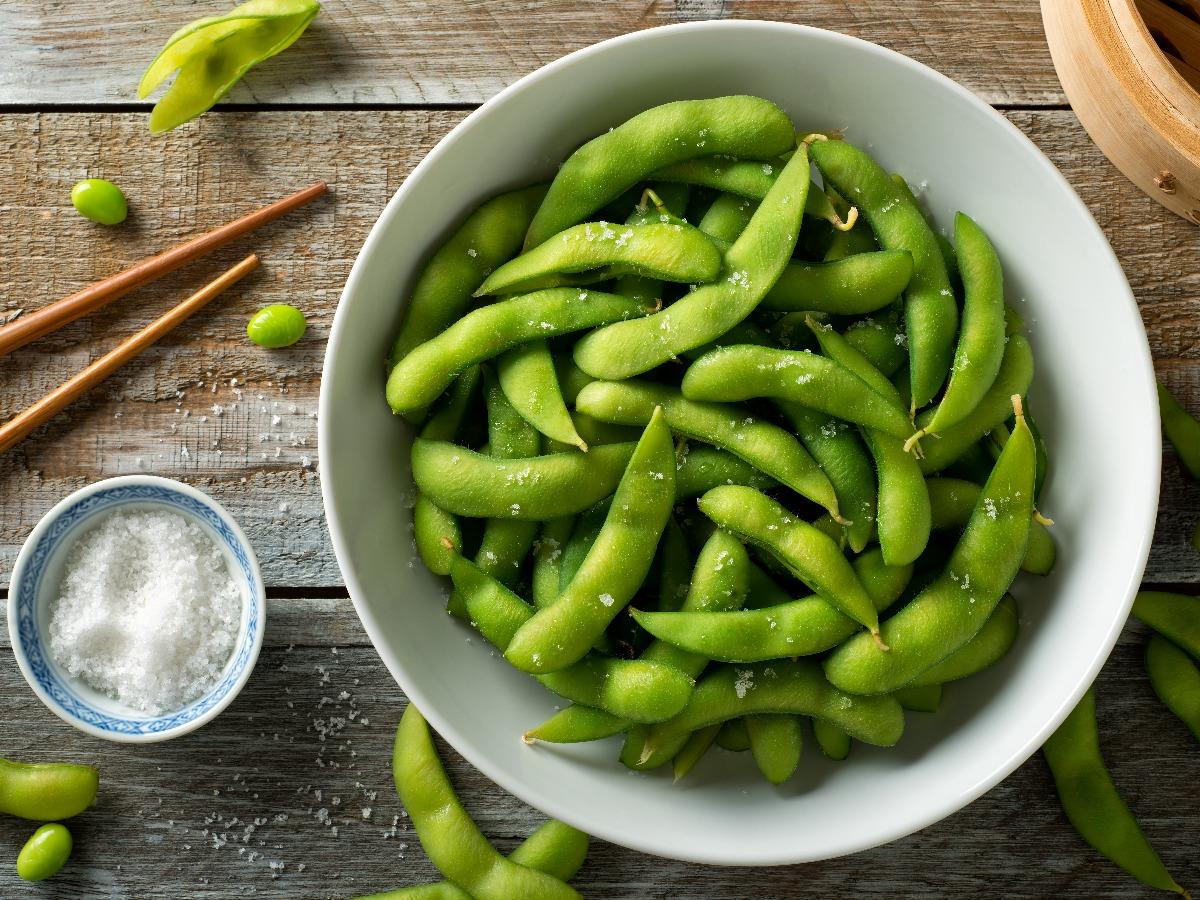
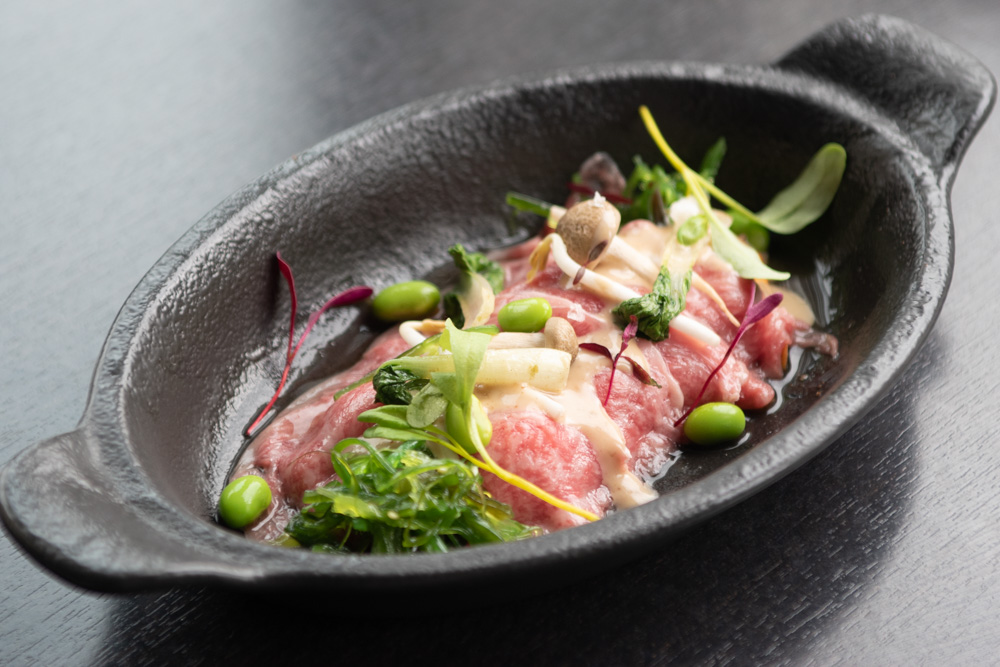
Our last main course was a traditional shabu-shabu, another Japanese classic. It can be made with almost any vegetable, this time baby pok choi, shiitake mushrooms, carrots, zucchini, edamame beans, wakam on the plates. The main thing, however, is the meat, cut from chuck flap, which is placed on top of the vegetables after a heat treatment of just a few seconds. This was the most expensive dish of the show, but even this cost just under 5,000 forints for meat.
Let us help you!
It can therefore be said that wagyu is far from being the privilege of fine dining, neither in price nor in use. With a little creativity, it can also be incorporated into wine dinners, bistros and fine bistros. So it's worth experimenting with, if you need help, our regional representatives are at your disposal with the greatest pleasure.
The event was closed by the renowned pastry chef Balázs Damnicki, who served three types of paleo desserts. The mango - pineapple - coconut, chocolate - forest fruit and cinnamon - plum cakes will all be available in our webshop soon.
After a good conversation following the presentation, our guests were able to leave with a gift package from Hagleitner, a company that distributes hygiene products.