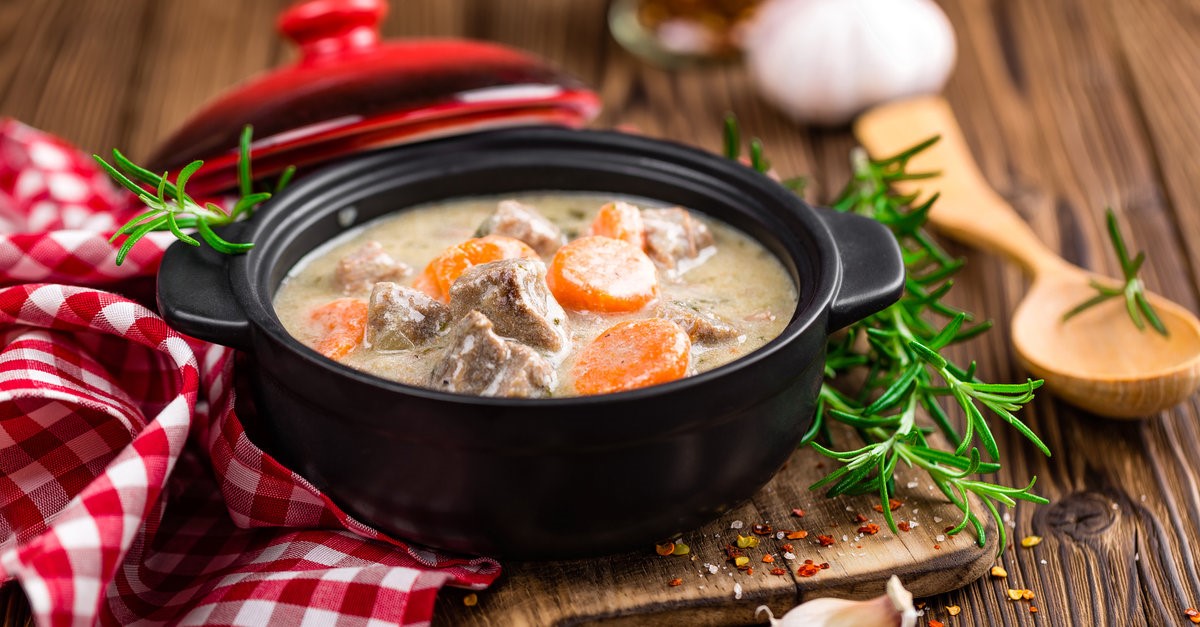







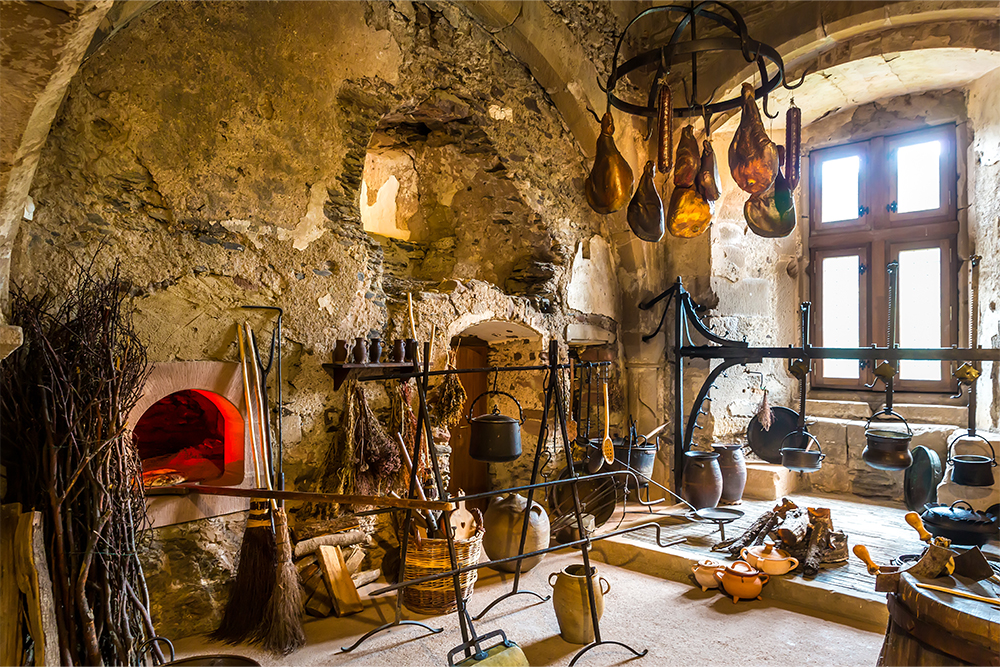
Throughout time, the same work processes and stations have characterised the industrial kitchen: a heat source, the tools and utensils needed for the different cooking methods. Boiling, baking, grilling, braising, stewing, braising. This remained the case until the second half of the last century, when a new era began.
Cooking has always been very hard work - with lots of heat, shouting and constant bustle. But that's not all. Often, large quantities of water had to be carried and the cooking vessels were heavy. This is one of the reasons why women did not become cooks for a long time. Fighting pests, storage without refrigeration, possible poisoning from smoke - these problems now seem very remote.
The human factor already in the 1950s was a challenge, just from a different perspective. If the food is not burnt, it may have been left undercooked, the vegetables overcooked, the salt left out. This remained the case for centuries, whether cooking with wood, coal, later cleaner gas, and finally electricity. Finally, with the discovery of induction technology, a new era of cooking commercial kitchen in history.
EASIER COOKING PROCESSES
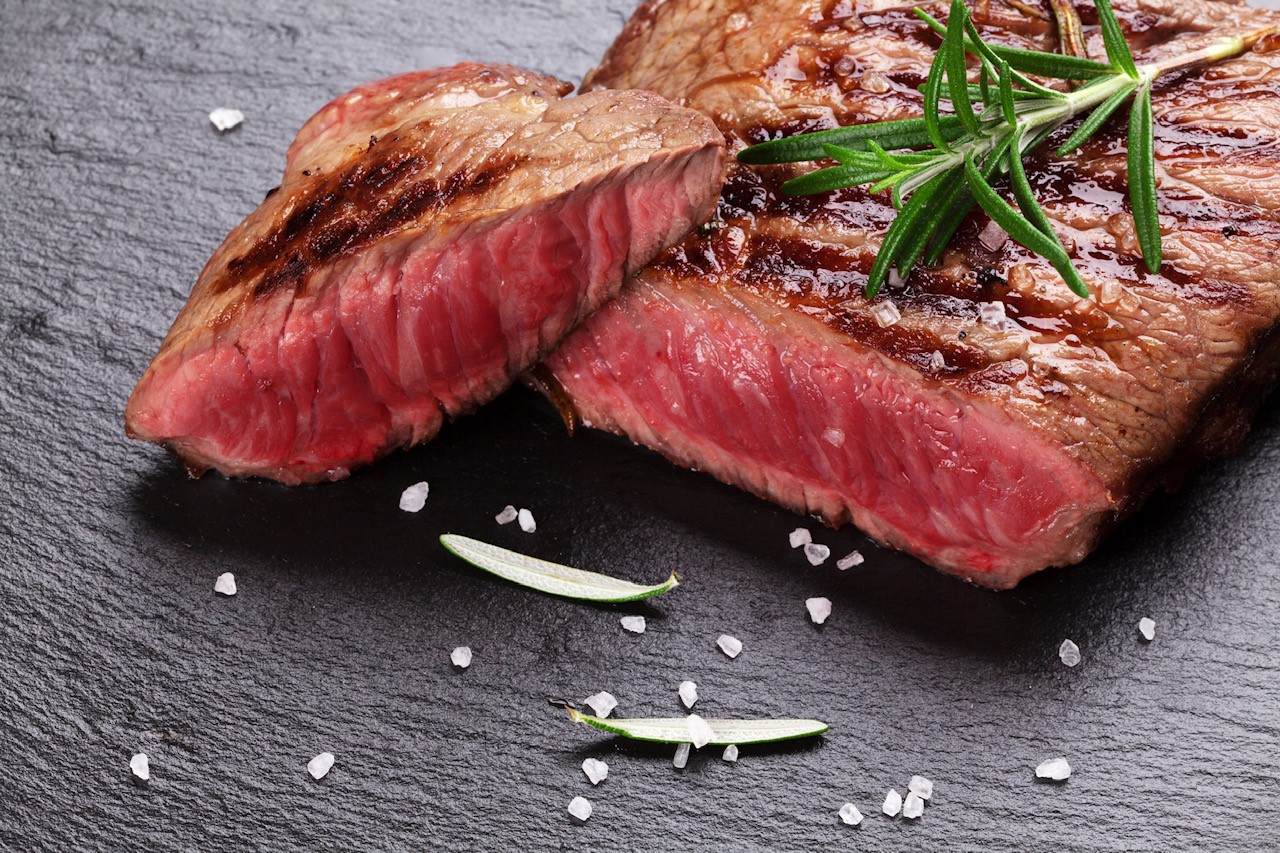
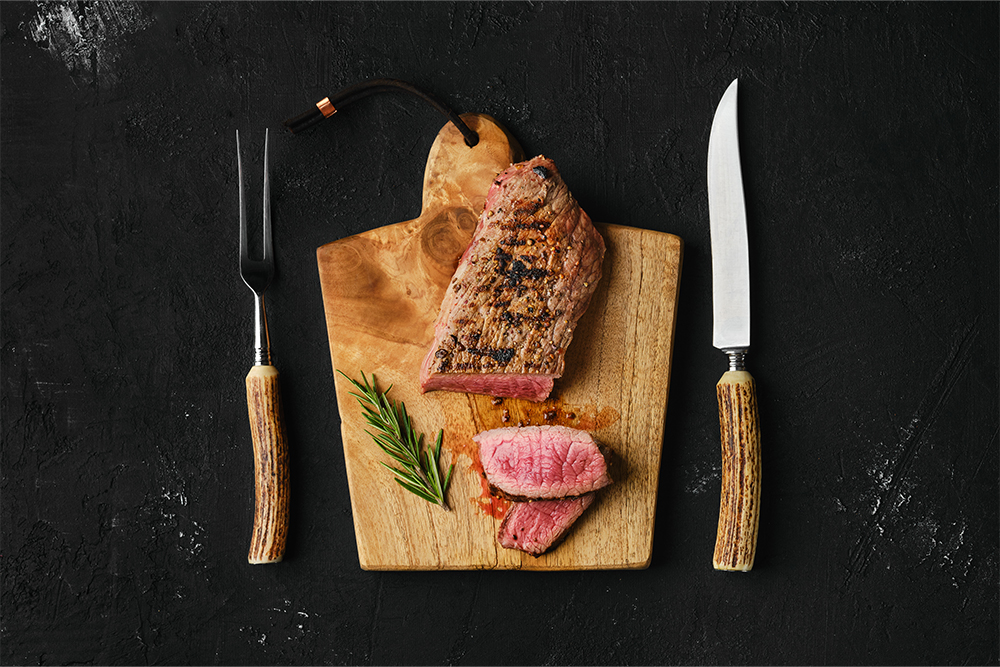
The intense heat on the outside has created a delicious crust, while the inside of the meat is a beautiful pink and juicy left. This was a real novelty, a great relief for the staff and an incredible achievement in high-end gastronomy. However, at the time there were only very small ovens, which had to be constantly monitored because they were prone to significant heat fluctuations. Either they were too hot or too cold, so perfect results could only be achieved with close control, but this soon changed.
THE APPEARANCE OF THE COMBI-OVEN
In the 1970s, it was a real wonder oven, because it could keep the temperature of the temperature. It gave me a lot of new ideas, because everything in the kitchen is about cooking to the point. Thanks to the combi-oven, a cooking system was suddenly available that encompassed almost every method. In addition, it suddenly made it possible to cook different ingredients in a single process, without transferring flavours or smells. Thanks to this, the whole culinary world reinvented itself in the 1970s.
Big and small robots in the kitchen
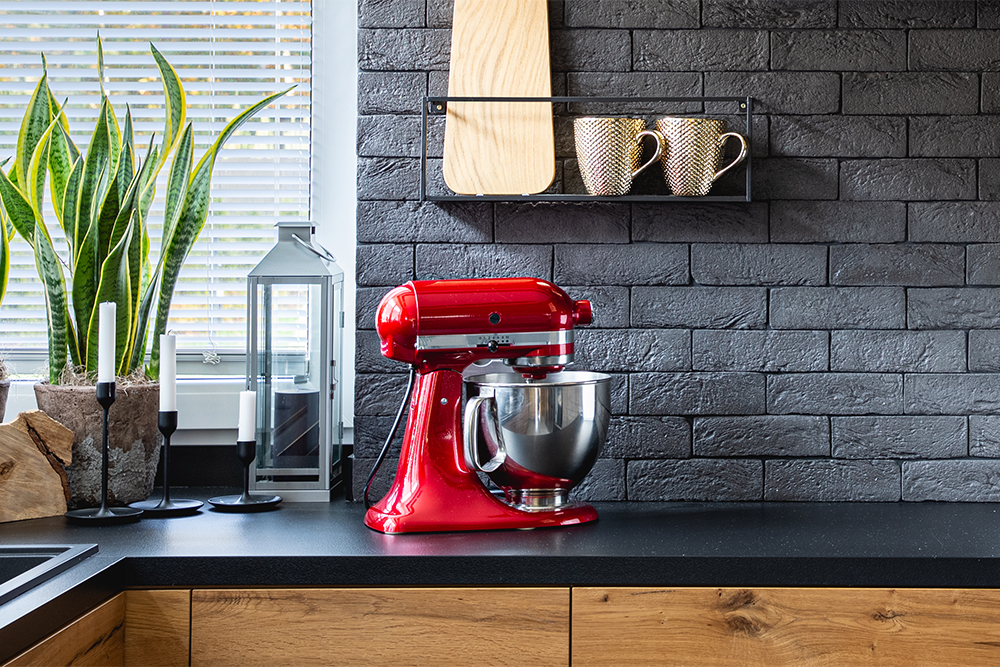
The early 1990s saw further innovations with the rise of automation and digital technologies. The various kitchen robots that support the work of chefs brought about a major change in the cooking process. Programmable devices allowed chefs to precisely control cooking time and temperature, reducing the possibility of human error and improving the accuracy of cooking. In addition, robots were able to perform tasks that were previously done manually, often with great effort.
Digital technologies have not only sped up workflows, but have also enabled chefs to be more creative and innovative in recipe development and implementation. Cooks from around the world could add recipes from other nations and learn new techniques and kitchen tricks instantly. Technology has made kitchens more efficient and has also enabled global connectivity in the world of gastronomy.
ECOOKING
Over the past decade, kitchen technology has been moving forward at a breakneck pace. A good example is the emergence of “ecooking”, which has brought a new, more energy-efficient way of cooking. Ecooking creates kitchens that use less energy, reduce waste and minimise carbon emissions. In addition, the concept involves using local ingredients and prioritising seasonal dishes or meat and seafood from sustainable sources. Ecooking is a trend that is shaping the future of cooking, offering new experiences for both chefs and guests.
There's nothing left but the way forward
Over the past 50 years, professional kitchens have undergone significant developments that have dramatically changed the cooking process and the challenges it presents. Innovative tools and techniques, such as combination steam ovens, robots and ecooking, have helped to advance the art and science of cooking, enabling chefs to achieve the best possible results. These changes have not only made the work of chefs in the kitchen easier, but also offer guests a better dining experience and higher quality food. The continuous evolution of kitchen technology and the emergence of new kitchen trends ensure that there will continue to be exciting changes in the kitchen in the future.