






Surrounded by vineyards and historical monuments, the Takler Mansion is an unmissable stop in picturesque Szekszárd. Its restaurant, part of the famous winery, is a paradise for lovers of quality wines and traditional Hungarian gastronomy. We talked to the chef Szilveszter Szabó about their concept and the difficulties of the season.
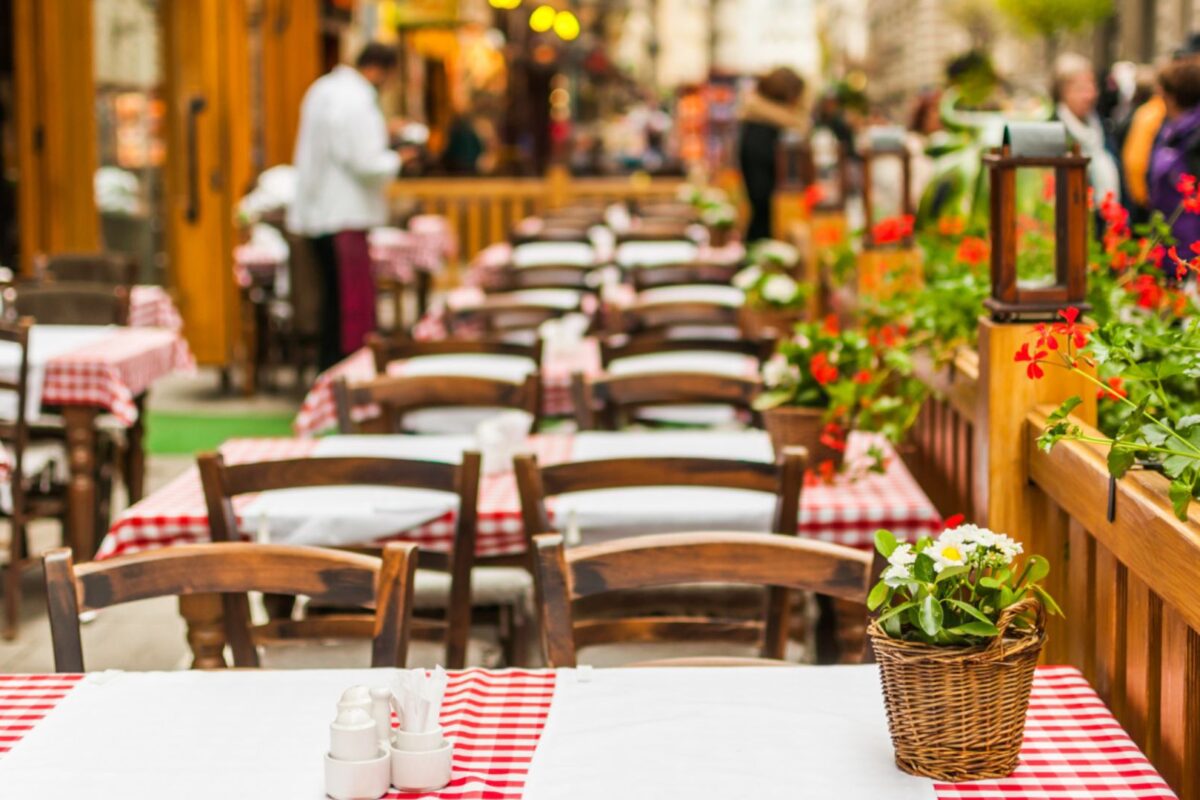
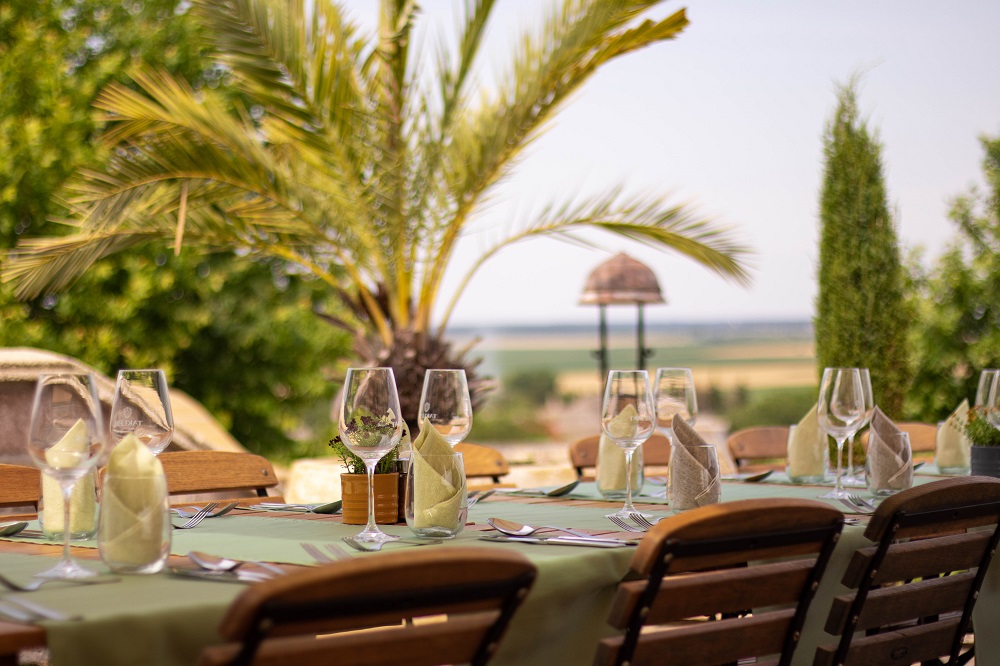
The restaurant is located in the idyllic hills of Szekszárd, in a quiet and peaceful environment, far from the noise of the city, but close to its vibrant life. The building itself is an impressive sight, as the mansion, which combines traditional Hungarian architecture with modern elements, is in harmonious harmony with its surroundings. The interior is no less impressive, with a comfortable, elegant yet cosy interior that provides a great place to relax, whether it's a romantic dinner, a gathering of friends or a family lunch. The furniture made of natural materials and the restrained decoration, operating with earthy colours, are pleasantly welcoming.
Hungarian dishes served in an accessible way
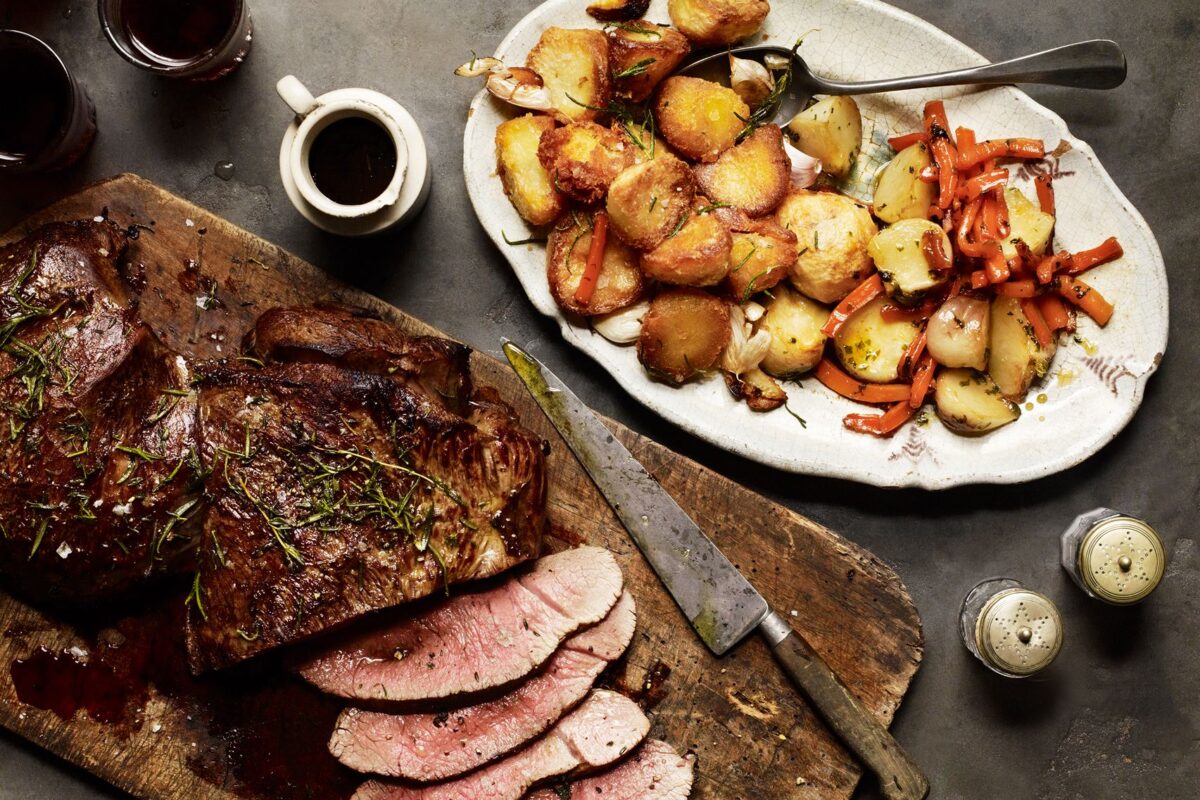
The kitchen is managed by Szilveszter Szabó, who has previously worked in the four-star Puchner Castle Hotel and in Austria. He came to the Szekszárd estate in 2016 as assistant chef, and since 2018 he has been responsible for ensuring that every dish is impeccable. The menu offers typical dishes of traditional Hungarian cuisine, prepared with the freshest ingredients and in line with today's gastronomic trends. The dishes are a masterly combination of tradition and modernity innovation, which thus take Hungarian gastronomy to a new level, while remaining accessible. The fixed menu changes twice a year, while the blackboard offer changes every 1-2 weeks.
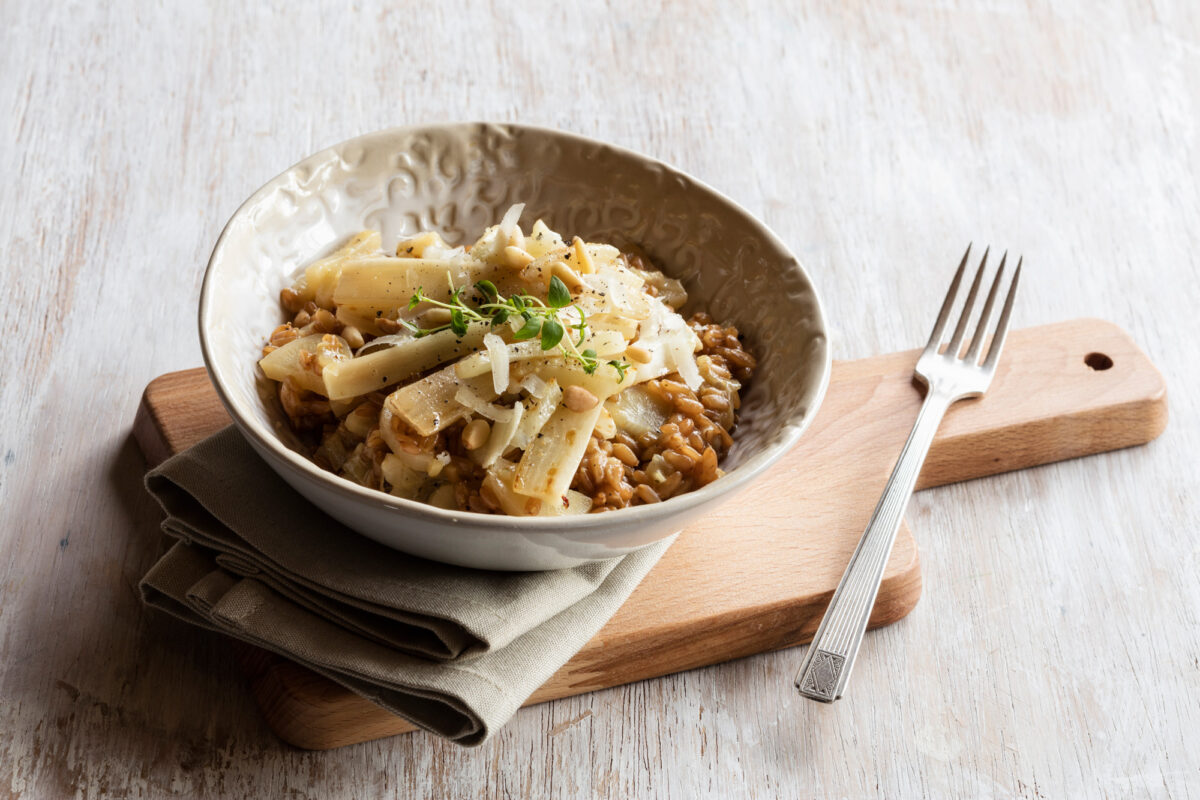
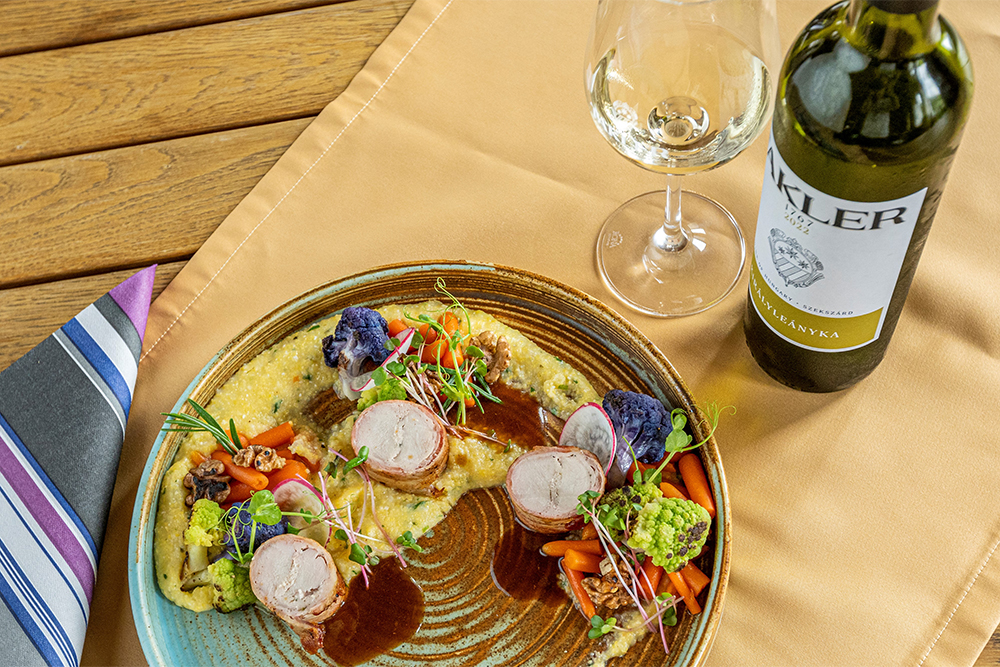
90% of the meats come from Matusz-Vad, the most popular of which are duck, a pork tenderloin and the chicken dishes. But also surprisingly good performers are divisive catches such as rabbit spine or the muflon. The former is served with honey and walnut carrots, polenta with sheep's cheese and pagoda cauliflower, while the muflon is accompanied by mushrooms, mashed Jerusalem artichokes and kale. Szilveszter pointed out that they have a lot of corporate events and weddings during the summer season. They often serve up to 120 people at a time, so punctual delivery and the ability to order the right quantities of consistently high quality goods is a prerequisite for their operation, which the company excels at year after year. In addition, the beautiful surroundings are a disadvantage for them in terms of sourcing, as there are no major stores or markets within easy reach. It is therefore of paramount importance to them that their orders are delivered on time and without any defects.
Changing consumer habits, poor supply
Overall, Szilveszter is positive about the season, but stressed that they are very lucky. They have a lot of weddings, which quickly fills up the summer calendar. Although the gap is undoubtedly widening, there is also a noticeable change in the consumption habits of the more affluent. Whereas in the past it was common to have a soup-meal-dessert trio, now it is more common to have a main course-dessert, or even more common to ask for a more expensive main course for which they are not even prepared to pay 8-9000 forints. Booking habits are also becoming less favourable, with people - especially families - typically going for a long weekend rather than the usual one week. However, he does not see this as the biggest problem in terms of hospitality, but rather the quality and lack of supply. There is a shortage of truly motivated students among recent graduates, who are aware of the professional challenges and have the necessary practical knowledge. In this context, the Commission has previously Chef Macok expressed his concern.