




Hanni Rützler's “Food Report 2024” has been published, giving us all the information we need about what the hospitality sector will face in the coming year and what trend is sure to gain momentum.
Food plans usually stay with us for five to ten years. They are in a continuous evolutionary cycle, sometimes becoming stronger, sometimes weaker, stagnating or merging into new trends. But why is it important to know today what we will eat tomorrow? Hanni Rützler, one of Europe's leading food experts and trend researchers. In her Food Report 2024, published for the eleventh time this year, she outlines the most important food trends and the biggest changes in the catering industry. Everything seems to be different now - what we eat, when we eat it, who prepares our food and how it is produced. The focus is (once again) on sustainability, regionalism and new technologies van.
GROUND FOODS
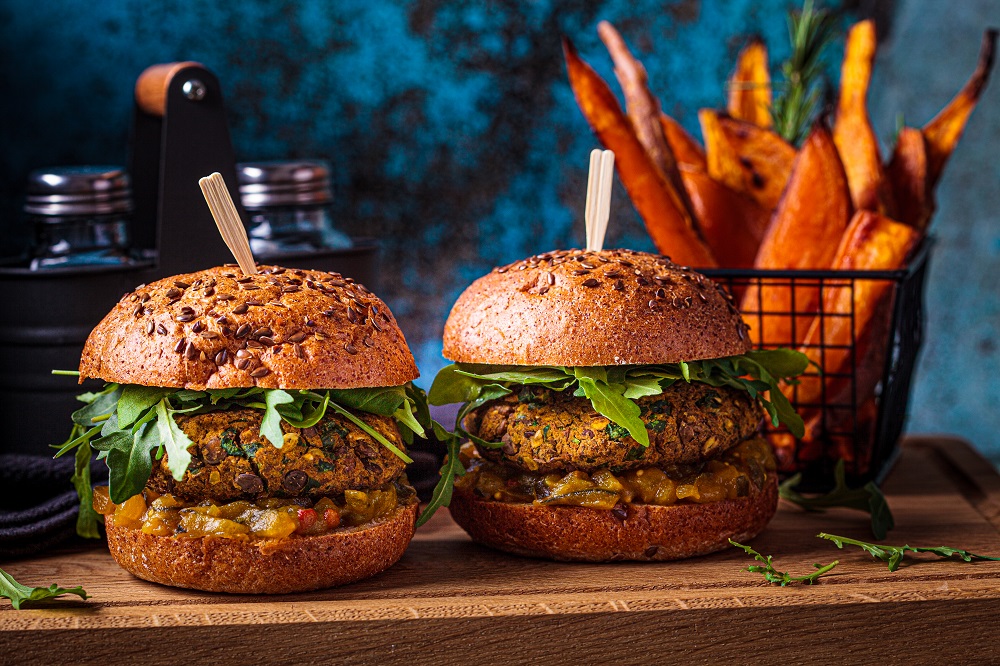
Plant-based foods will remain one of the most important food trends in 2024. This trend is driven by growing climate and environmental awareness, especially among the younger generation. It is also reinforced by the rejection of mass meat production, which many people no longer consider ethically acceptable. The idea that meat consumption in developed countries should be reduced by at least 75% in the future in order to save the planet is nice, but not realistic. We therefore need to find other solutions - including plant-based meat and fish substitutes.
PLANT-BASED FOODS
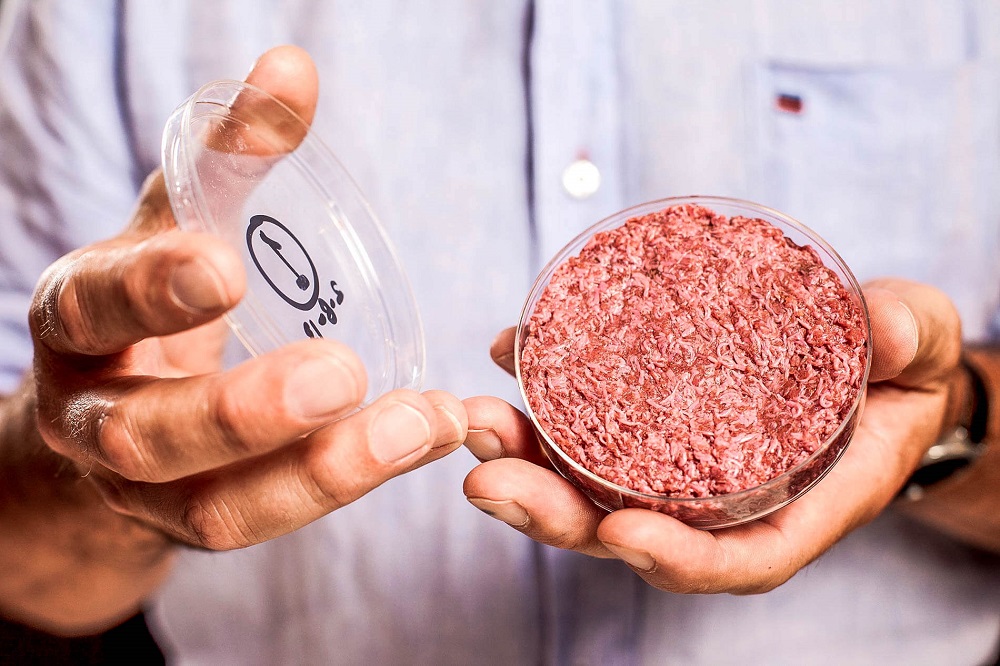
Although they are increasingly imitating the taste and texture of meat and fish, there is no perfect alternative - yet. But thanks to newly developed technologies, the competition is moving fast. For example, precision fermentation has great potential for more sustainable food production. It is a technique that cheese using yeast - so without a cow. Another alternative to conventional agriculture for food production is under laboratory conditions „farmed” meat or the hal. This refers to meat and fish products produced from animal muscle and fat cells. In other words, products that are as tasty as the original, but do not require animals to die for them. So what seemed a distant utopia a few years ago is now a highly competitive future market. The US health authorities have only recently given the green light to so-called “in vitro” meat. This makes the US the second country, after Singapore, to allow the sale of lab-grown meat. The biggest and almost only challenge so far is the lack of acceptance by society.
Girlpower
The hospitality industry is also undergoing a transformation, with more and more women. Not only are they more present in top restaurants, but they are also dominating the food blogosphere, founding innovative food start-ups or taking the industry's acclaim as bartenders/winemakers. Women are shaking up the industry by placing greater emphasis on social and environmental issues and setting the course for a more sustainable, diverse future.
Harm reduction
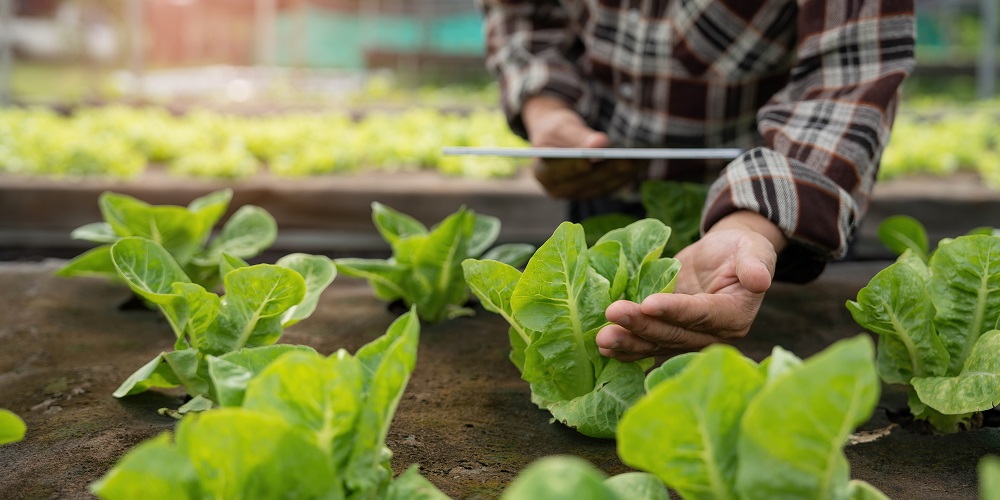
Another fast growing but relatively new trend is regenerative food. The focus is no longer just on the food we put on our plates, but on the way food is produced. In other words, the aim is to promote biodiversity and minimise or even actively counteract the impact of agriculture on climate change in order to regenerate our soils.
In Germany alone, more than a third of the food produced is still thrown away. In the past, this was mainly down to consumers, but nowadays start-ups, supermarkets and restaurants are increasingly developing sustainable concepts to combat food waste. The circular food trend goes one step further. It's not enough to reduce waste, the aim is to prevent it in the first place, for example by processing components such as seeds, shells, etc. and returning them to the biological cycle.
When does something become a trend?
And how can you tell which trend has a future? “I define food trends as a response to current desires, problems and aspirations in terms of nutrition or food production in our society. So a food trend should always offer potential solutions,” explains the food expert. If it doesn't, it will only be a short-term phenomenon.
Her broad educational background - where she studied nutrition, psychology, sociology, food and biotechnology - helps her to observe, analyse and classify food from very different perspectives. Her work also involves liaising with experts in the fields of research and policy, food production, catering and retail, as well as exhibitions and field research.