





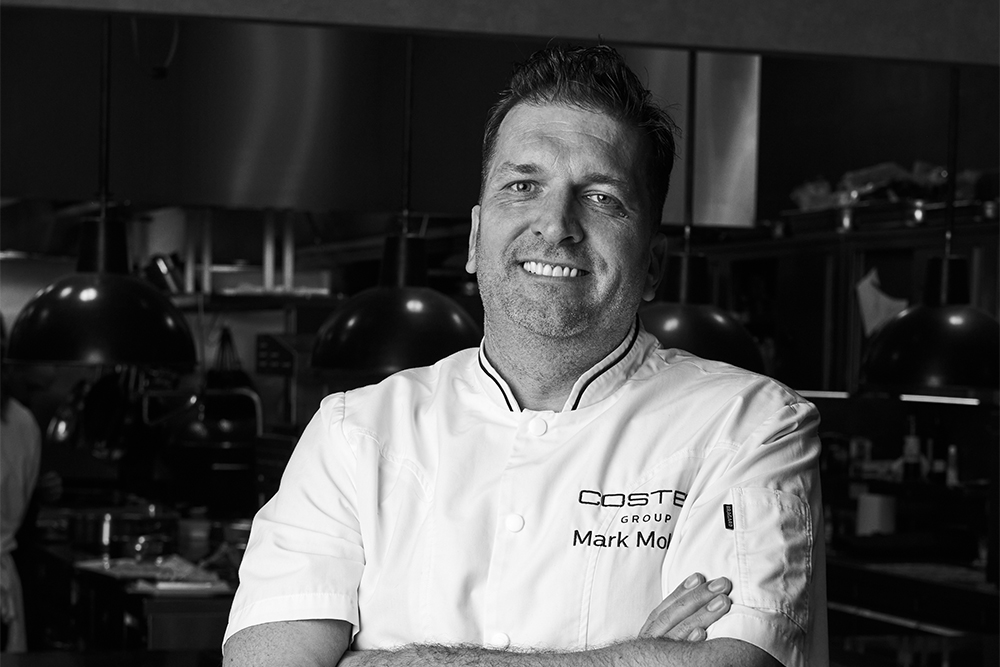
A new series of visits to our Michelin-starred and/or aspiring partners is launched in our online magazine. The first time we went to Costes Downtown in Vigyázó Ferenc Street, where we talked to chef Márk Molnár about his experiences and plans for the past 20 years.
The industry hardly needs an introduction to Márk Molnár, who has not only travelled the world over the past two decades, but has won every accolade in existence, working with the greatest in the finest restaurants.His one-month layover in 2001 turned into three months, then six, and as a result, for many years, he never even considered returning home. He spent 5 years in England, 5 years in the Middle East, 5 years in Saigon and 5 years in various parts of Europe. Although he does not deny that he has learned a lot from other chefs, he believes that the language and culture, the folk customs or the way grandmothers cook are just as important teachers - if not more important. The Asian flavour world has been the biggest influence on his work, so many of his dishes feature the spices, ingredients and recipes he has learned there. Covid arrived in Vietnam, from where he returned to Hungary for the reopening of N28 in District 6.
Károly Gerendai had been interested in it 17 years ago, but it took until last year to work together, so when the N28 project was completed. However, he then took the plunge and led a new young team to reform Costes Downtown. “The star has been less motivated in recent years, more interested in using the charcoal grill, the sharing concept and serving hundreds of people, but now the star has come back into focus.” - says Mark.
Classic but contemporary
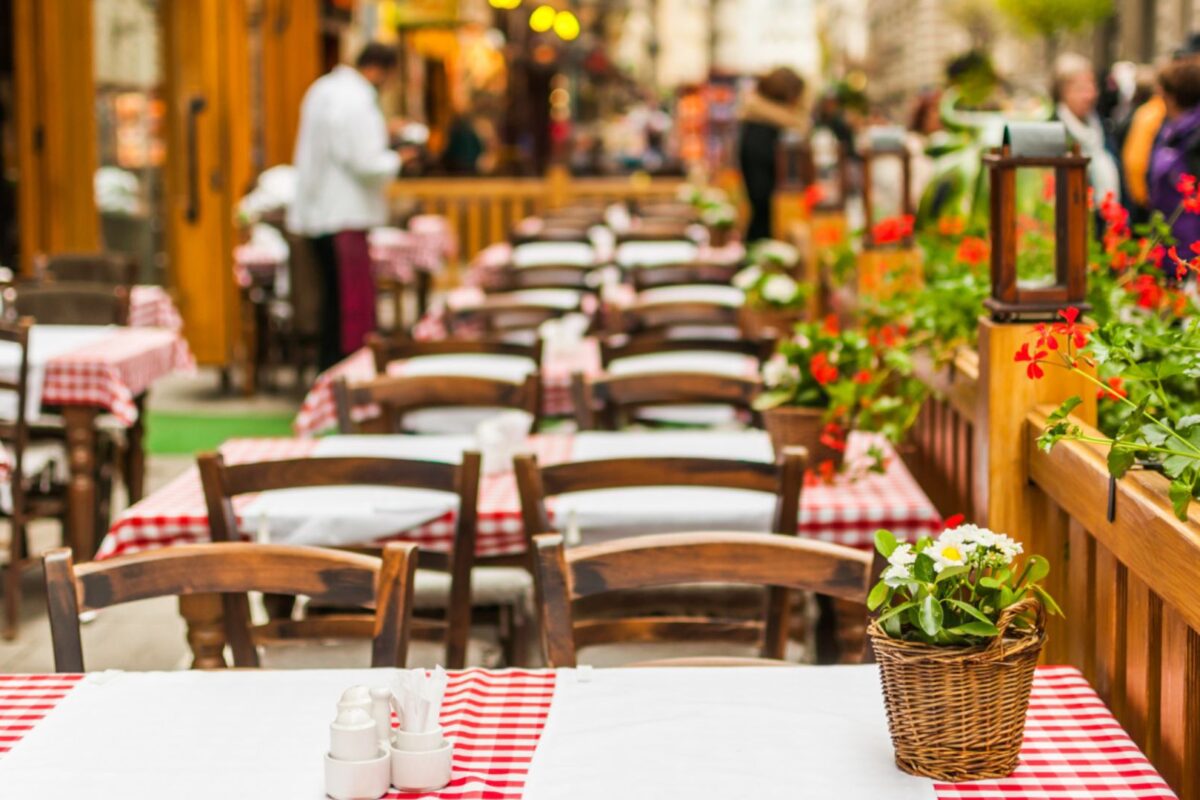
What most distinguishes Downtown from the city's first Michelin-starred big brother, Costes, is that it follows a much more modern, youthful direction, rather than a slower, French line. And what sets it apart from almost every other restaurant of its class in the city is that it operates 7 days a week, with 10 lunch and dinner services and a capacity of 100-120 people. also serves breakfast.
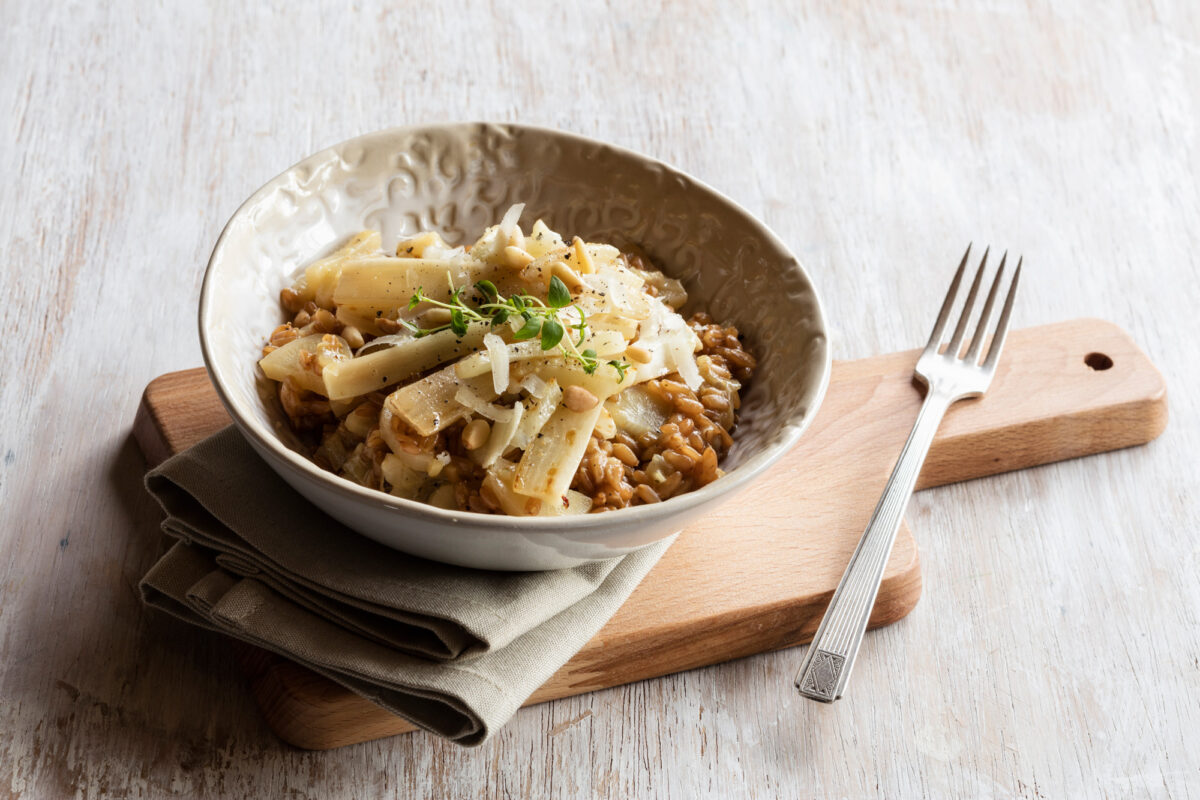
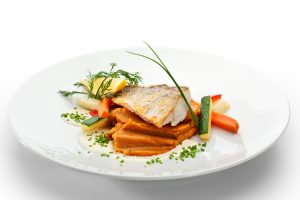
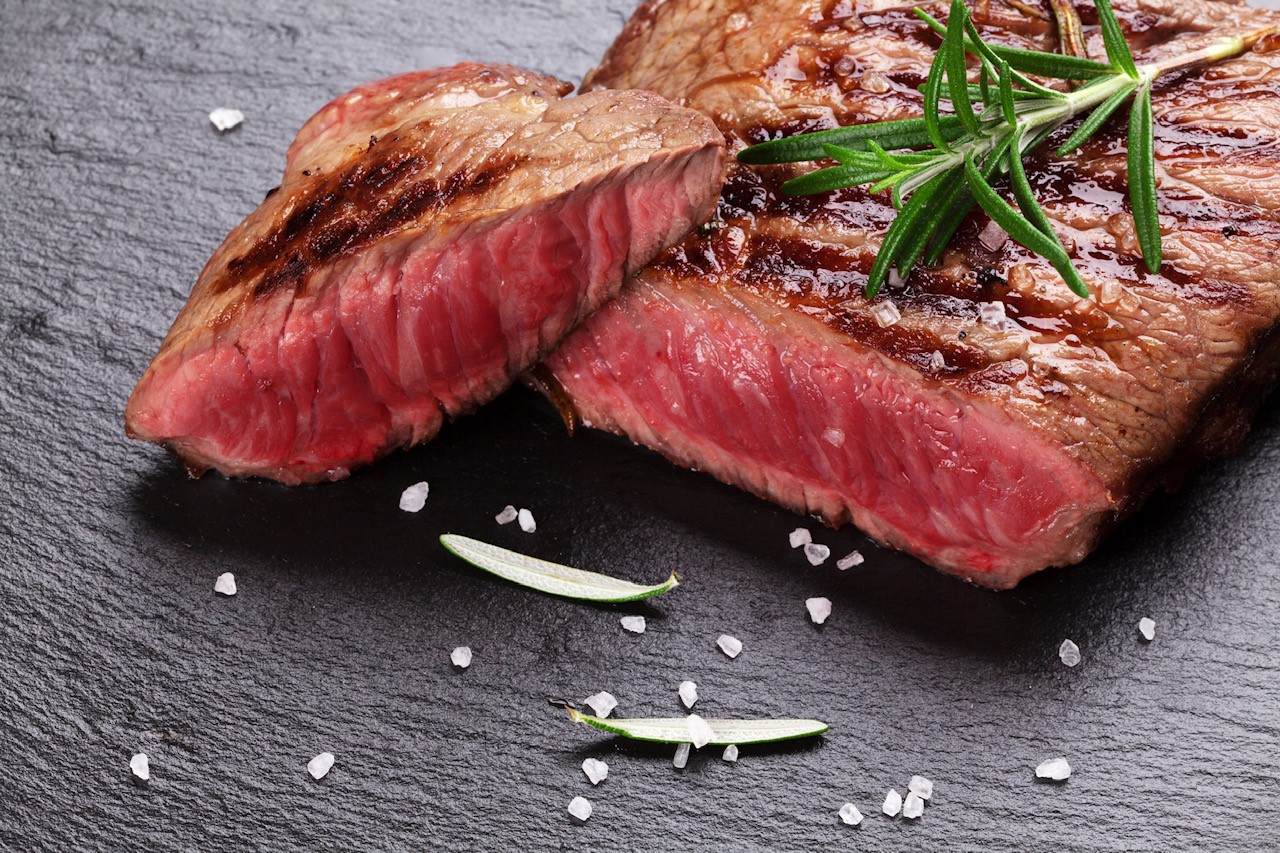
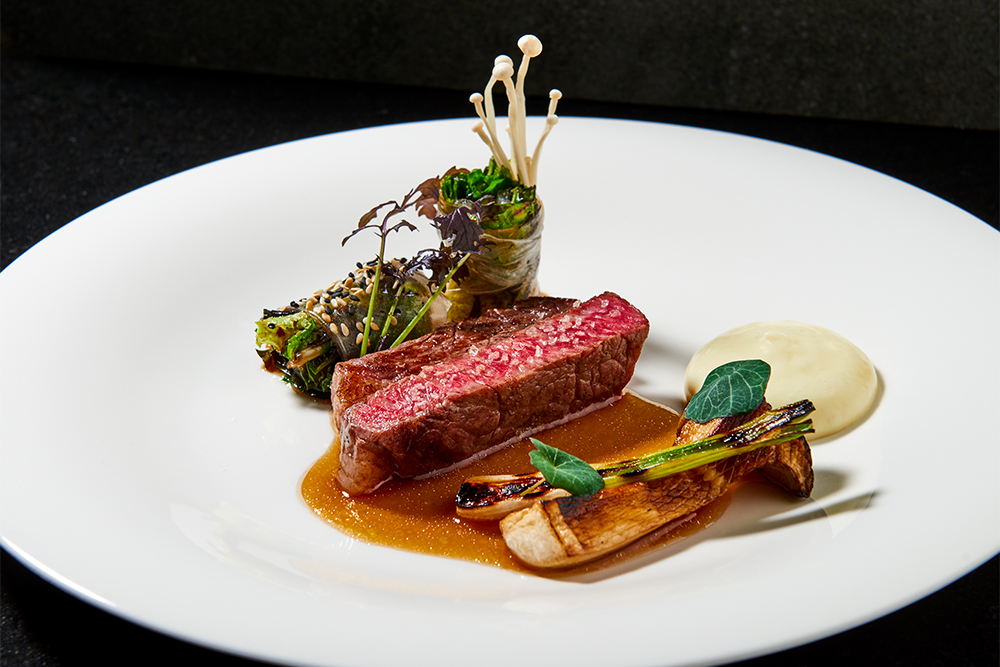
The lunch and dinner menu is also special. In addition to the degustation menu, guests can choose from 3-3-3 starters, main courses and desserts, even in just two courses, which can be varied as they wish. This season, the starters can be beetroot cream soup, smoked St James' mussels or kappan. For main courses, there is a choice of a vegan cauliflower dish, a wild hake and an Angus steak. On the dessert front, there's a ginger flan, a selection of cheeses and a very exciting Szechuan pepper and grapefruit plate. Since 95% of their clientele are transients, the entire menu changes on average every quarter. In the meantime, one or two dishes are changed to incorporate short-season ingredients such as figs at the moment or asparagus in spring.
Quality above all else
For a place of such prestige, it is of course essential to maintain a constant standard, and many of their ingredients come from Matusz-Vad. These include the various types of ingredients used for breakfast cocktail sausage, a croissant, a brownie or the muffin. Of course, we will also do our share of the afternoon and evening service. We are delighted to be able to provide premium quality meats such as Japanese wagyu or the wild boar. Mark points out that, in addition to a broad portfolio, our company is extremely flexible and reliable in terms of goods. There have been several occasions when we have been able to replace raw materials that did not arrive from elsewhere. However, he believes that “it's not the supplier or the chef that is important, it's the raw material”.
He is a great believer that “real food” is the future. “Chefs have a huge role to play in how ingredients are processed, because they are the ones who get what goes into the body of the guests. “Instead of eating bad food five times a day, we should be eating good food three times a day.” Another criticism is that multiculturalism is sorely missing from the country's gastronomic map. “If you have your 5 favourite places, then you pretty much spin those. For example, there's not a good Nepali, Moroccan or Malaysian restaurant, let alone in the country, or even in the capital.
World-class raw materials
What is typical not only for Hungary, but also worldwide, is that many people who open a new restaurant complain most loudly about the labour shortages, while first the concept and the options should have been considered. In this economy, I'm not going to open 50 table service restaurants and then stand there dumbfounded by how much the overhead is and no wait staff. So it's no wonder that a lot of restaurants go out of business within a year or two.” But he also has high praise for the quality of local ingredients. “Even after 20 years abroad, I honestly think that in some respects we have the best ingredients. The foie gras, the trout from Silvásvárad, the mangalica, the chicken from Bereg are all of a quality that can be used to create the best restaurant in the world. And I am working with the team here to make it happen!”
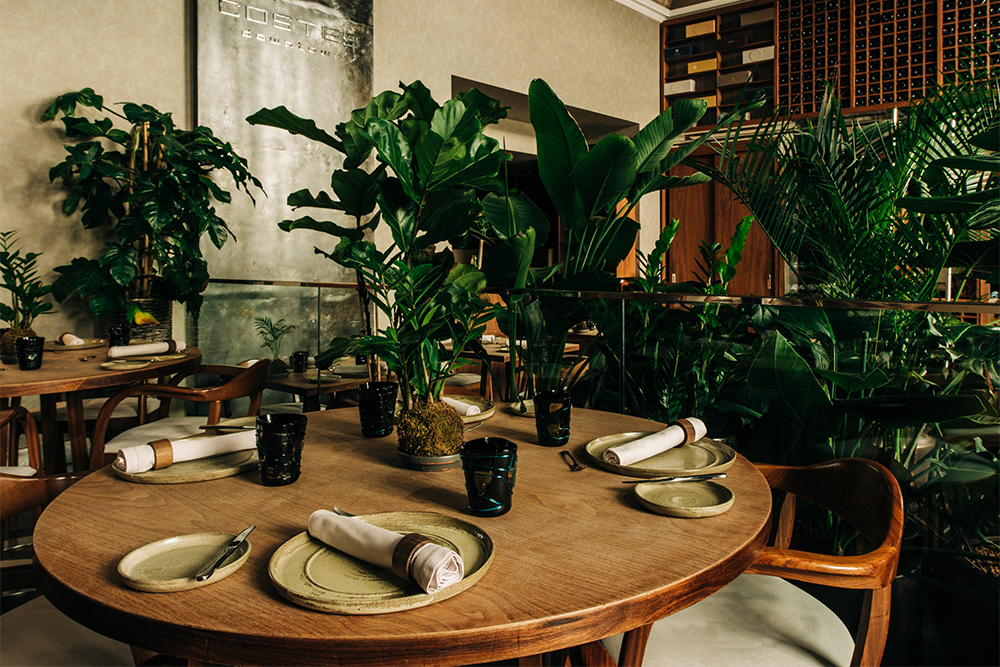
Address: 1051 Budapest, Vigyázó Ferenc utca 5.