






Incredibly diverse flavours, distinctive ingredients and exotic spices all contribute to a unique Asian gastronomic experience. As the subject could fill a book, we've included just the basics for those who are new to the cuisine.
The raw material is the soul of everything
On this continent, every country and often every region has a unique taste. This diversity is made possible by the wide range of raw materials.
- Rice: It's no surprise that rice is a staple food in many Asian countries, without which their cuisine would be unimaginable.long grain rice ia perfect side dish, especially for Indian dishes such as biryani or pilaf. A And medium and short grain rice often used to make sushi or rice dishes such as Korean bibimbap.
- Tofu: Soya “cheese” can be used in many ways, whether it is roasted, steamed or grilled. While European countries use it mainly as a meat substitute, Asian cuisine knows no limits when it comes to using this versatile ingredient.
- Poultry: Chickens and ducks are the most common, as they are easier to breed and prepare industrially than larger animals. One of the most famous Asian dishes is Peking duck, which is the national food of China. Served with pancakes, spring onions, Hoisin sauce and soy sauce served with.
- The pork especially in China and Korea. Think of Korean BBQ or Chinese red pork stew, which is a staple on Asian restaurant menus around the world.
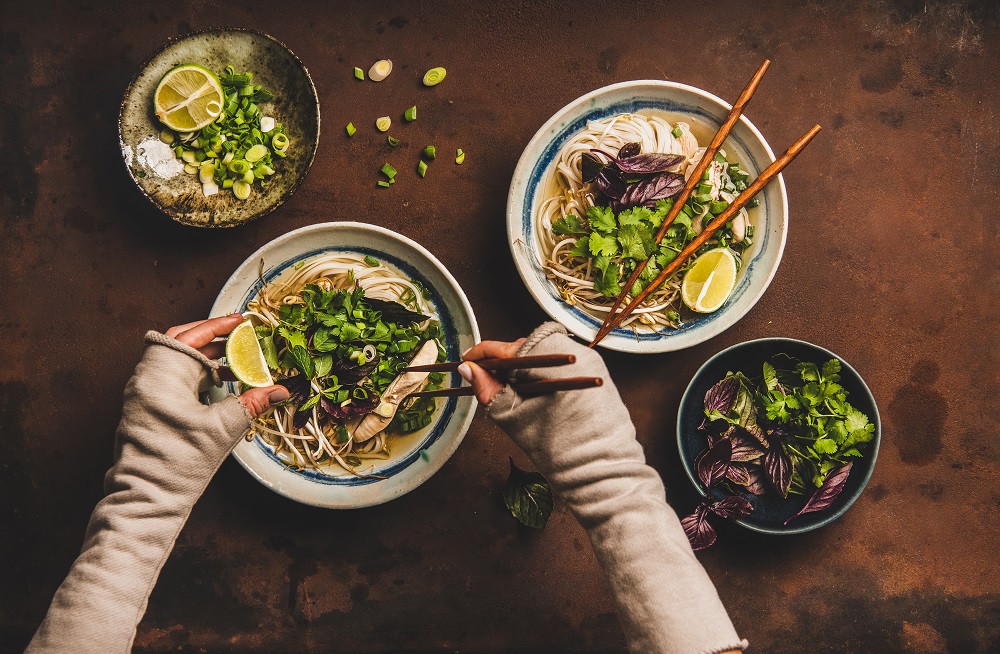
- Although many dishes are made beef one of the best known is perhaps the Vietnamese pho, in which the meat is served raw and then given the desired heat treatment by a freshly poured hot stock.
- Hal and seafood: cod, salmon, shrimp tuna and mackerel are very popular. Often fried, steamed or grilled, these are the dominant ingredients, especially in coastal areas.
- Vegetables: It is often said that Asians do not eat meat with vegetables, but vegetables with meat. Thanks to the climate and the land, they grow thousands of vegetables, from the ubiquitous staple vegetables to the exotics to, such as bamboo shoot, daikon, mizuna, water gourd, bok choy and many others.
Spices
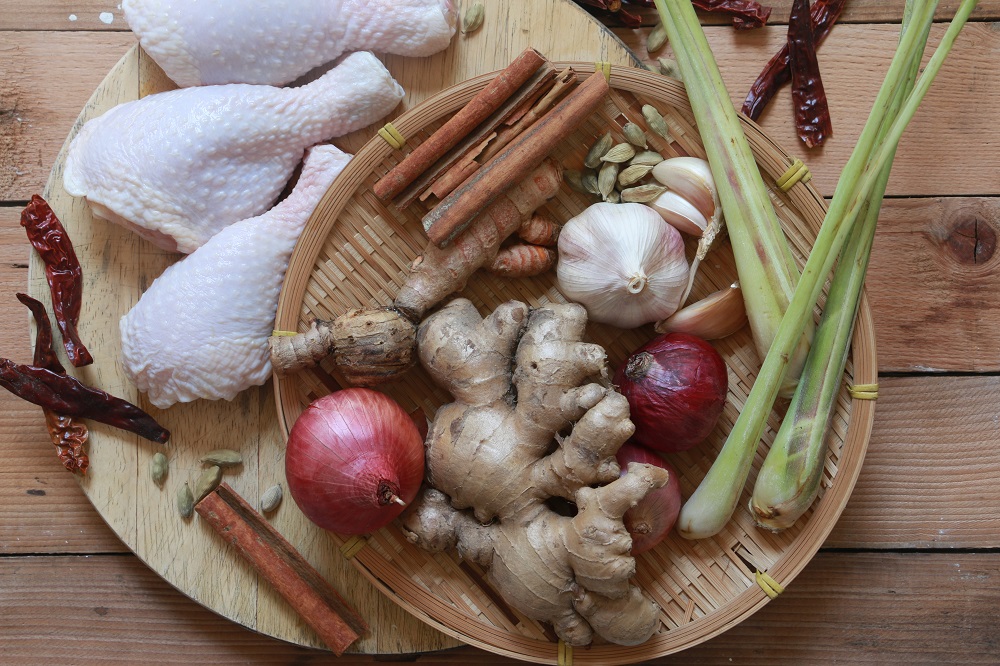
The distinctive flavours of Asian cuisine are largely determined by the spices used. These spices influence not only the taste of the food, but often also its medicinal properties and nutritional value, of which these are the most common:
- Szechuan pepper: stands out for its unique “numbing” taste, which gives a special tingling sensation to food.
- Star anise: a sweet spice without which there can be no pho soup or Chinese stew.
- Lemongrass: a thin, long-leaved herb with a citrusy fragrance. It is often found in Indian dishes, chai tea, chicken dishes and cakes.
- Ginger: A strong, pungent and slightly sweet-tasting herb. It is often used fresh, but there are also dried and powdered versions. Used in soups, sauces and cakes. It is also used medicinally as it can help with digestion and relieve nausea.
- Turmeric: An orange-coloured, earthy-tasting spice belonging to the ginger family. It is used in curries, rice dishes and meat dishes. It is also used in medicine for its anti-inflammatory properties.
Fermented foods
The word “fermented” means fermented or fermentedrefers to ermentation processes, in which microorganisms such as bacteria, fungi and yeasts break down organic matter in food. This breakdown causes chemical changes in the food. Fermentation can be alcoholic, lactic or acetic. The best-known fermented food in Asian cuisine is kimchi, a typically Chinese kale-based, usually spicy pickle that is often taken as a housewarming gift between locals.