





Restaurant owners and businesses are developing exciting concepts to reduce food waste, waste and sustainability. Yet there is still much room for improvement in the zero waste food system. Imagine coming home from the supermarket, putting a shopping bag full of food on the table, unwrapping the contents and throwing some of it straight into the bin. Difficult, isn't it? In fact, it's even worse than previously thought...
This is because the number of edible foods that never make it to our plates has increased. According to the WWF's Driven to Waste report, around 40 per cent of food produced is never consumed, compared to 33 per cent previously estimated. As a result, every year worldwide 2.5 billion tonnes of food wasted, including losses before, during and immediately after harvest and before slaughter.
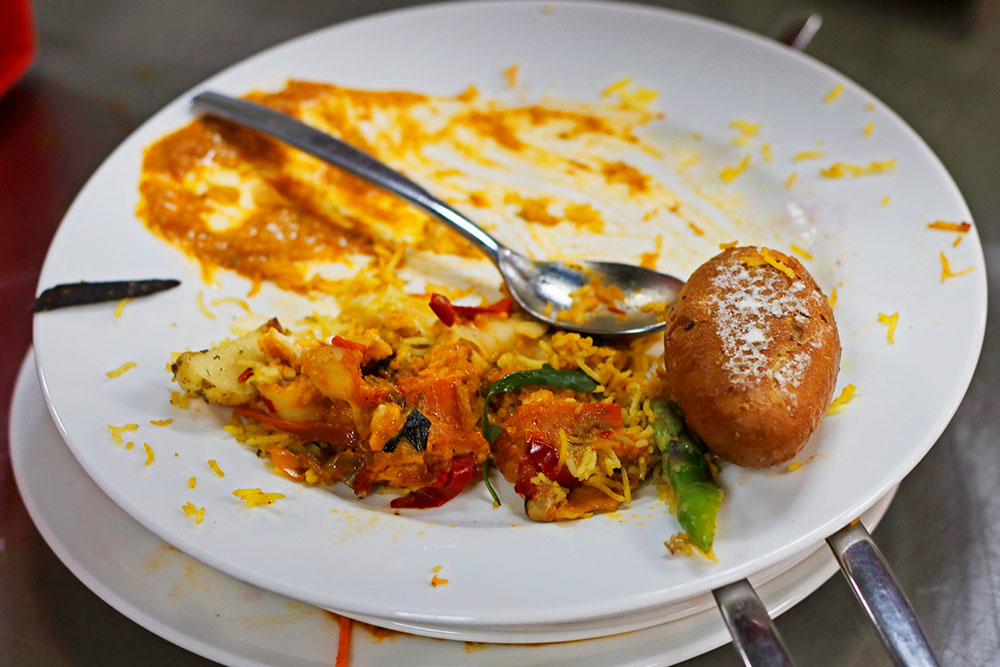
CAN BE MORE - SMALL STEPS TOWARDS ZERO WASTE”
Food waste is an issue that has been with us for a long time. For example, a food recycling solution is to use leftovers that are treated as waste, such as peels, leaves or seeds. The concept behind them is not new. It has been used since our grandparents' time, for example to turn stale bread into breadcrumbs or to cook vegetable peelings and scraps into delicious soup.
As the call was already primarily addressed to consumers, you would think that we had enough time to solve the problem. However, although awareness of food waste has increased, zero waste will still be a key food trend in 2024. Why is this the case? And what has happened in the last ten years?
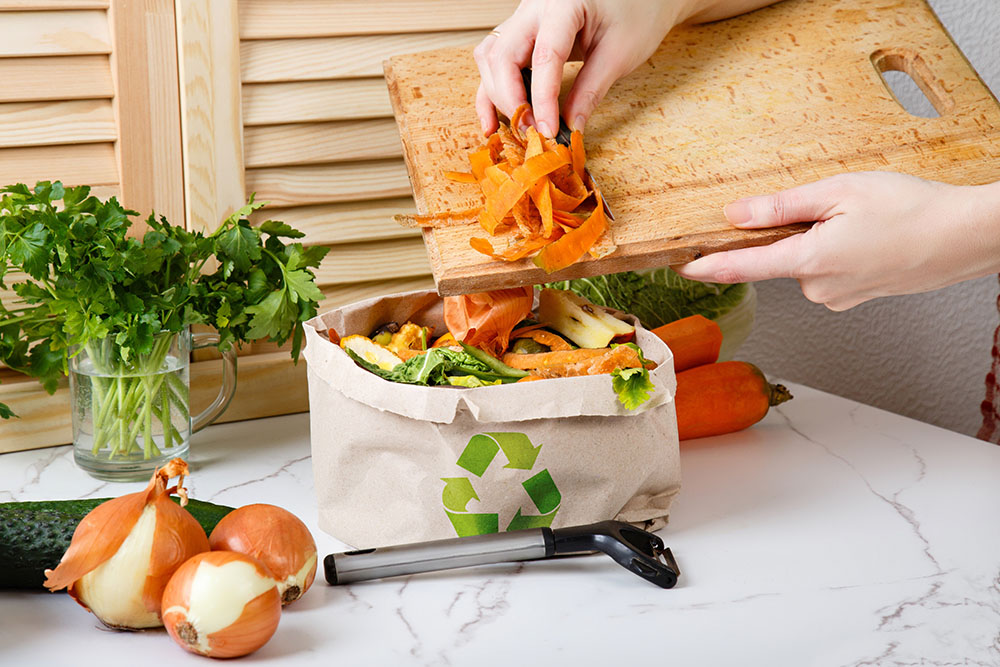
RAISING AWARENESS OF SUSTAINABILITY
The crises of recent years, namely the epidemic, the war in Ukraine, the extreme drought in southern Europe, as well as supply chain problems and high inflation, have undoubtedly exacerbated the problem. However, these crises have also highlighted the growing importance of sustainability. But it is not enough to blame consumers. Above all, the food industry and politicians must act. This is also important because food waste is not only reprehensible in the light of starving populations. Unused food also accelerates climate change, because it leads to unnecessary CO2 emissions, land and water use and loss of biodiversity. In contrast to re-use food, the zero waste trend therefore focuses on the whole food chain, from agriculture to the food industry, retail and catering, and can therefore be seen as a step forward.
ZERO WASTE IN THE HOSPITALITY INDUSTRY - A POSSIBLE MISSION
One of the world's first zero waste restaurants in a British seaside town, Silo in Brighton, which has made a name for itself. Since 2014, it has focused exclusively on seasonal produce and local producers. This means they can cut out the middlemen, not to mention the packaging. Goods are delivered in recyclable containers. What they cannot buy without packaging, they produce themselves, for example in their own brewery, roastery and bakery.
People eat from plates that were plastic bags in their previous lives and drink from jars. However, the zero waste principle is not only practised here from a culinary point of view, but the interior is also furnished with recycled and reused furniture. Sustainable food practices are gaining a following. Especially in Northern Europe, there are zero waste restaurants that decide what to cook according to the season and the region. There is no fixed menu, it is part of the concept. Here at home SALT Restaurant received a Green Star for their efforts to promote sustainable cuisine.
LESS FOOD WASTE BY 2030
Meanwhile, major food retailers are also committed to tackling food waste. The 10 x 20 x 30 initiative is a coalition of the world's ten largest food retailers and suppliers, each committing 20 of their suppliers to halving food waste by 2030. The Ingka Group, IKEA's largest retailer, is one of the leaders of this initiative, becoming the first global company to reduce restaurant food waste by 54 percent in 32 markets in 2022. In doing so, it has become the first foodservice company in Europe to reduce its Ingka Group proves that the UN's 12.3 target to halve food waste at the retail and consumer level worldwide is definitely achievable.
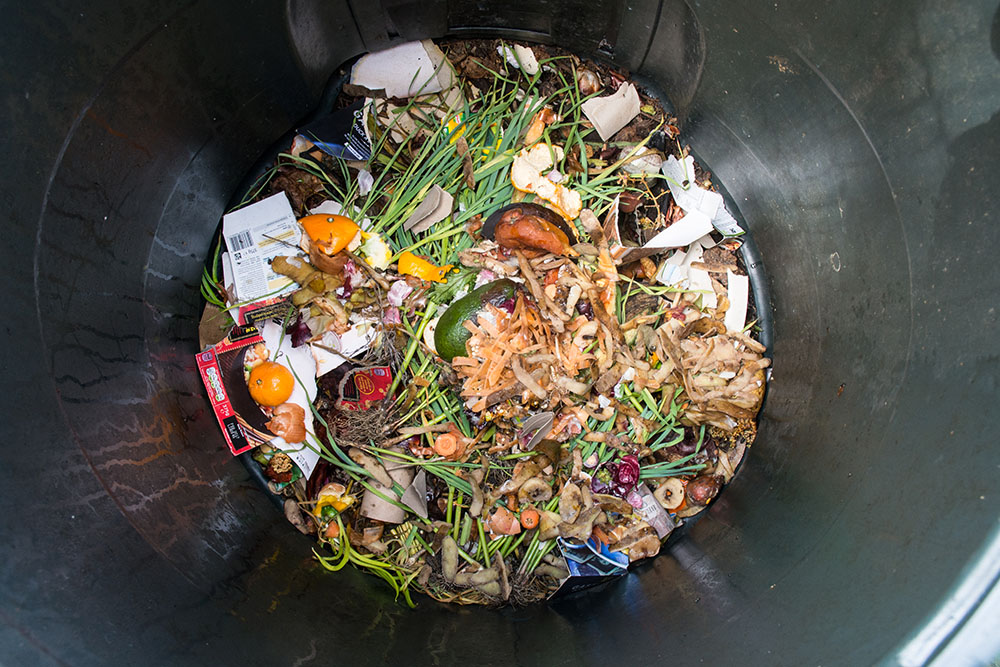
CHANGE ZERO WASTE TO CIRCULATING FOOD
The circular food trend goes one step further and can be seen as a combination of the two previous trends. The goal is not just to reduce or avoid waste, but to prevent waste in the first place by focusing on the entire product lifecycle of our food. A good example of this is grapeseed oils. In this case, the residues are no longer considered waste but a valuable resource that is recycled back into the biological cycle. Now, very exciting new ideas are emerging about using food waste not only as animal feed or in biogas plants, but also to produce new food.
For example, the Swiss Locher brewery from Alpenzell, which uses the by-products of brewing to produce pizza, cereals, crisps and even meat alternatives under the Brewbee brand. This ensures that hops and malt are not lost. PeelPioneers a company that gives orange peel a second chance. In the past, they simply burned the remaining peel, which came out of the juicers in tonnes. Today PeelPioneers processes them into, among other things, binders and oils in Europe's largest peel factory. The food industry uses them in products such as beer, lemonade, muffins and chocolate, and they are also used in cosmetics and cleaning products.
But these are just a few examples of the promising zero waste and the evolving circular food system. Hopefully, we will see many more innovative solutions to the challenges of our time.