





In recent years, gastronomy tourism has seen a huge surge, with global revenues reaching $805.9 billion in 2022 and expected to grow even further. Travellers are eager to discover their destinations through restaurants, farms, traditional ingredients and food. In preparation for next year's adventures, we asked travel and hospitality experts what they expect to see in 2024. From unpretentious wine tasting to healthier kids' menus, these are the trends to expect next year.
Wellness Tourism
As the 2024 Hilton Trends report, all tourists are increasingly focusing on wellness and want to maintain their habits while travelling. Their newest lifestyle brand, Tempo by Hilton, was born out of thorough research and careful consideration of the needs of the modern traveller. They focus on wellness on all fronts, whether it's a special cocktail program that offers both familiar and new wave cocktails.
Wellness tourism will be the fastest growing sector of the industry by 2024, with food and drink also serving detoxification. Minibars that focus on functional wellness, and meal menus that promote regeneration and renewal, is a trend that is thought to attract many tourists. Less alcohol, caffeine and animal protein consumption will be typical in restaurants. Wellness will be a fully 360° experience, infiltrating every aspect of the hotel in 2024. Whereas in the past ‘wellness’ was fairly limited to hotel spas and bedtime services, there will now be a greater emphasis on wellness across the entire hotel experience, including food and beverage.
Relaxed Wine Tasting
In recent years, casual, less formal wine tasting has become increasingly popular. This trend represents a shift towards simplicity and accessibility in wine tasting, with the aim of creating a more welcoming and less intimidating environment for wine lovers, where novices and experienced wine drinkers alike can enjoy the experience.
In this approach, the emphasis is on the enjoyment and discovery of wine, not on jargon or complex tasting techniques. Casual tastings allow visitors to discover wines at their own pace, often with interactive and entertaining elements such as music, food pairings or even creative workshops. This trend is particularly popular with younger generations who appreciate the comfort and less formal atmosphere. This type of wine tasting is often combined with local culture and community integration, so travellers can not only discover new wines but also get a taste of local life.

Destination-Centric Meals
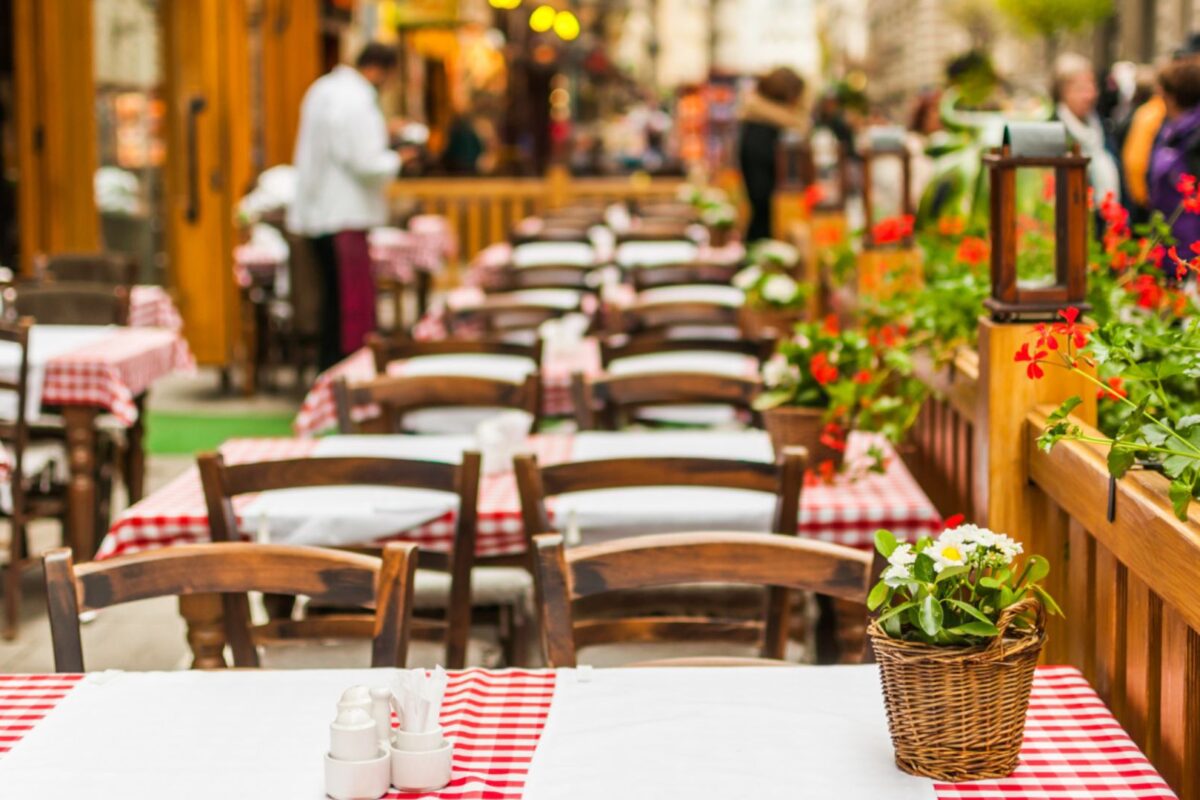
Destination-driven dining focuses on exploring local culture and gastronomy, a trend that is particularly relevant for modern travellers who are increasingly looking for authentic, local experiences. Dining out is not only about enjoying the food, but also about giving tourists a deeper understanding of the cultural and gastronomic traditions of the place.
This includes visiting local markets, where travellers can buy directly from local producers, or restaurants that focus on local ingredients. In addition, tourists can join cooking classes where they learn how to prepare traditional dishes under the guidance of local chefs. This allows them not only to taste but also to be part of the preparation process. Destination-driven dining can also include partnerships with local restaurants, where travellers can participate in special gastronomic events such as themed dinners or wine tastings organised with local wineries. This approach not only enriches the experience. It also contributes to the economy of local communities, supporting local producers, chefs and small businesses. This type of dining provides an opportunity to develop a real connection with local culture and traditions. In doing so, it provides a deeper understanding of the spirit and way of life of the place.
Experimental Cocktails
New trends in drinks, such as textured cocktails, exaggerated garnishes, and umami flavours become prominent on menus, while classic ingredients such as the cinnamon, egg white or the cream are expressed in creative forms.
Artisanal ice
Design ice will continue to represent the ultimate luxury for hotels in 2024 and will play an increasingly important role in the domestic bar culture. A specialised freezing and filtration process produces crystal clear ice, which serves as a canvas for creative infusions and unique decorations. Flavours, flowers and fruits can be added to the ice, and even logos can be imprinted into the ice cubes. (If you want to know more about this topic, follow our blog for an exciting interview with With ArtifICEr owners)

The rise of non-alcoholic cocktails
The growing priority on mental and physical well-being has given a huge boost to the no-low alcohol movement. Non-alcoholic cocktails allow guests to prioritise their health without compromising the enjoyment of a delicious and high quality drink in a social setting.
The end of endless dinners
A The concept of 2-3 hour meal programmes is in decline, and is happy to focus on sharing a variety of tastes. People want choices and have no patience to sit for hours. We're moving towards a trend that focuses on more sharing, communal platters, and choices on the table that invite guests to explore.
Hyperlocal raw materials
In moving away from large supply chains, chefs are redefining the local gastronomic experience by sourcing and collecting ingredients from their local environment. This movement goes beyond sustainability. It's a celebration of the unique flavours, textures and stories inherent in local ecosystems. TATI in Budapest, for example, is building its own farm in Biatorbágy to ensure that as many of the ingredients that go into its restaurants are home-grown as possible, truly realising the farm-to-table concept.
Better and more varied children's menu
That's healthy, food for children will come to the fore in 2024. We need better alternatives to fried chicken and bolognese on every children's menu. Not that there's anything wrong with these, but it's important that parents have a choice of varied and healthy options.