






Although the kitchen is a constantly busy place, the dynamics and processes have a very clear structure and structure. Without this stable kitchen hierarchy, every caterer and chef would be instantly burned. But for those new to this world, a little guidance can come in handy...
Nevertheless, the structure of businesses in the high-end gastronomy sector can be very different. The Enoteca Maria In New York, for example, only grandmothers cook. They come mainly from different regions of Italy, but also from all over the world, from Peru, Turkey or even Sri Lanka, with truly traditional recipes. The Vienna Steirereck employs not just a standard pepper melon, but one for cheeses and one just for bread. The diversity of the recognised cuisine (often in the strictest sense of the word) is reflected both in the overall concept and in the positions filled - or not filled. In any case, the result is a kitchen hierarchy. But what is behind the different positions, names and descriptions? Why is such an approach necessary and is there at least a common underlying logic in these systems?
Cold food, hot food, desserts. A restaurant kitchen actually has a pretty clear chef hierarchy, right? To answer that question, let's take a closer look at this division and the kitchen system that goes with it.
THE KITCHEN HIERARCHY IN DETAIL
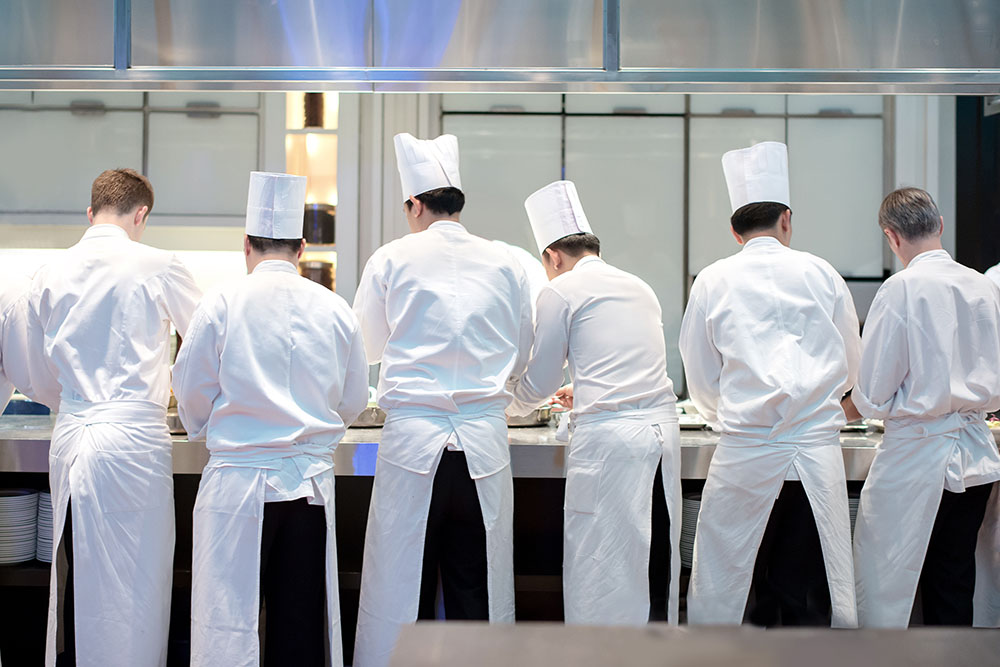
But what exactly does a ranking system mean in a kitchen? Well, to give structure to the many different positions, a well-functioning kitchen needs its own hierarchy - the Brigade de Cuisine - or „white brigade”, referring to the colour of the chefs' clothing.
CHEF DE CUISINE
The head chef, the person at the top of the kitchen hierarchy, supervises and manages the kitchen. The thread that runs through the whole kitchen is united in his hands. He or she plans the menu, is responsible for the for the purchase of raw materials, and make sure everything runs smoothly.
SOUS CHEF
The “second chef”, which is the literal translation, is the right hand and deputy of the head chef. If there are more than one sous chef within the kitchen hierarchy, the Executive Sous Chef is the first assistant to the Sous Chef. Then comes the Junior Sous Chef, who is responsible for the next generation and professional training. It is not uncommon for the Saucier to be placed in the Sous Chef position, as they have the most experience.

CHEF DE PARTIE
The Chef de Partie manages a kitchen area and like everyone else, reports to the Chef de Cuisine, or Head Chef. The more areas there are in a kitchen, the more Chef de Partie are needed. For example, there may be a Chef de Partie Garde Manger or a Chef de Partie Saucier. Thanks to his experience, a Chef de Partie has full control over all the work processes in his area. His deputy is called the Demi Chef de Partie. Another special role is the Chef de Partie Tournant, an all-round Chef de Partie who steps in where he is needed.
COMMIS DE CUISINE
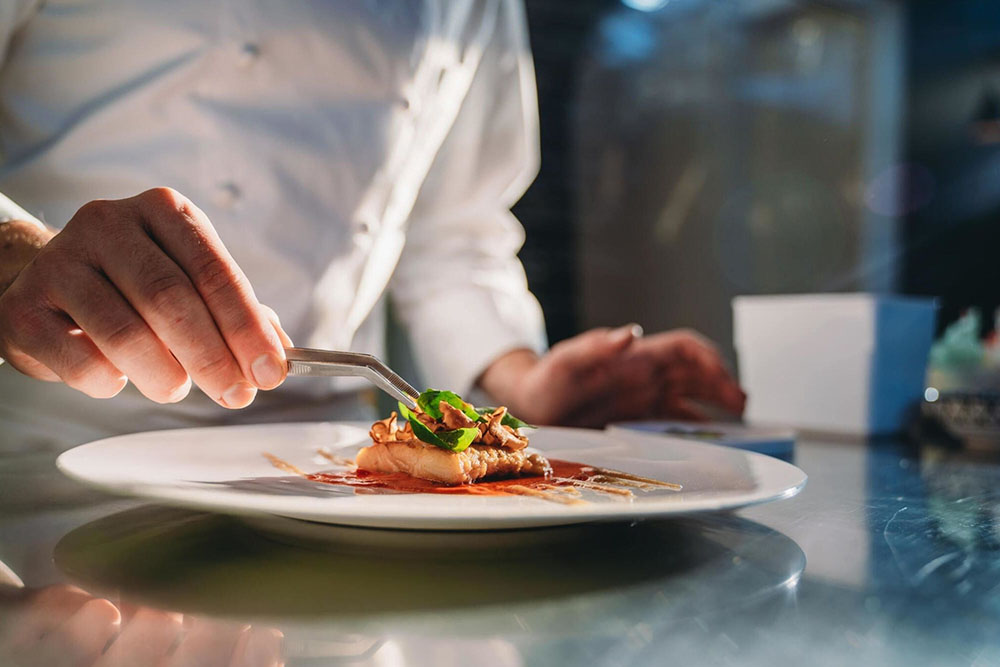
In English, it's simply “kitchen assistants”, but Commis de Cuisine sounds more appealing and meaningful. It's what they call in the kitchen young chefs. They have already successfully completed their apprenticeships and are starting their careers as chefs. The most popular destination? To be Chef de Cuisine at some point. Ideally with your own restaurant and as many Michelin awards as possible.

(In the next section, we will look at the names and exact duties of the hot and cold kitchen staff!)