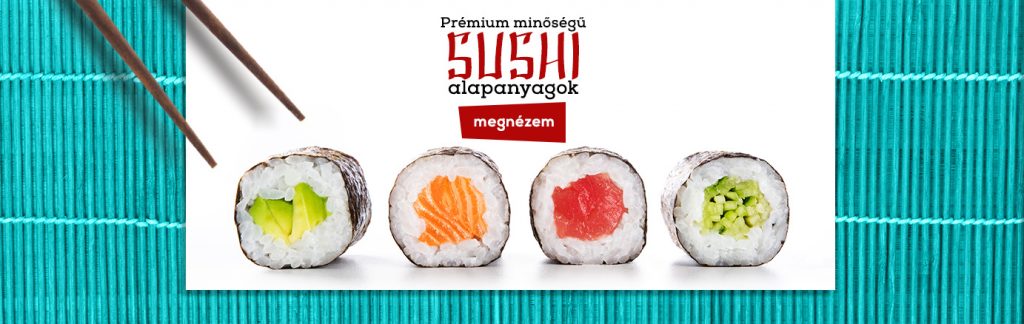







Rarely do you get the chance to learn about the culture and the tricks of a dish from a truly authentic place and chef. This time I had the chance to do just that, and get answers to the most important questions.

Seiichi Kusumoto is from Japan and has been learning his craft since the age of 15. He worked and developed his skills in Osaka and then Hiroshima, which is known as the city with the best food in the world. His curiosity also took him to Budapest, where he eventually founded his first sushi restaurant, Sushi Seit. The head chef doesn't speak Hungarian or English, so I got the answers in Japanese and then English. That's how this interview was born, which our magazine followers can now read in Hungarian.

What do we mean in Japan when we say that making sushi is a mission?
„Sushi in Japan has a history going back more than 1200 years. Rice was originally used to preserve the dish, as sushi flavour was created by fermenting the rice. It originated in the 1800s in Edo, now Tokyo, and quickly became a favourite of ordinary people. Sushi chefs were born, specialising in sushi and learning all the tricks of the trade. Yes, it has become a craft, even though it seems like a simple cooking technique. However, sushi is a detailed dish that is extremely beautiful and requires the best possible combination of flavours with seafood, sweet sushi rice and various vegetable ingredients. The aim is to get the maximum flavour out of the simple but only fresh ingredients, while they are still raw. I think it's nothing more than an art accompanied by a tradition.”
Featured: Chef's 3 important tips for sushi chefs at the end of the article.
How to imagine an authentic sushi dinner, restaurant?
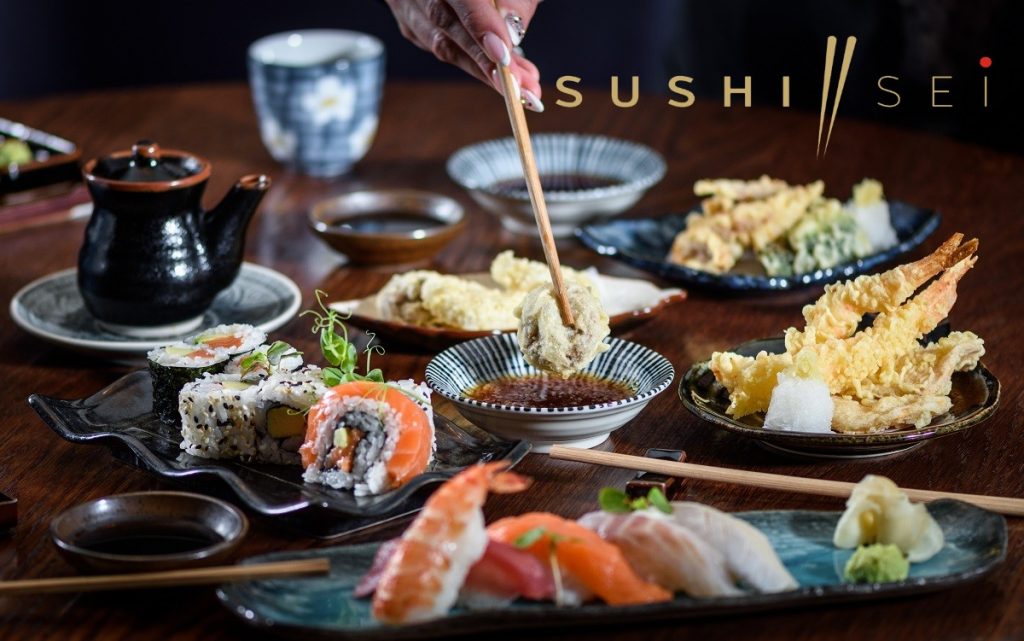
„In traditional sushi restaurants, there's a visual counter, a kitchen island in the middle of the room. The sushi chefs stand behind it and fulfil each guest's wishes and requests. The customer can ask the sushi chef directly for his favourite type of sushi, but before that he can choose his favourite fresh seafood from the chilled display case in front of him. In the case of nigirizushi, the sushi chef usually serves the food on a wooden board (called a „Geta”) in front of the customer. Each person orders only as much as they can eat at a time, and after they have eaten, they order again only if they are still hungry. Sushi goes very well with sake, and when eaten together, the flavour of the dish becomes even more pronounced and delicious. I see that basically sushi restaurants are offering sushi and miso soup to their customers first, but the range is expanding. What's becoming popular is sushi on conveyor belts, which sushi chefs keep filling up and customers pass around and taste. It's called “Kaitenzushi” (conveyor belt sushi) and is popular because it's a simple solution for the restaurant, not to mention economical. „
What is the chef's favourite ingredient to eat and use in the kitchen?
“My favourite is basically salmon, either raw or grilled with a little salt. But my absolute favourite is Kindmedai. It's a kind of berilloid fish that's cooked in soy sauce, sugar, mirin (rice wine) and sake. The problem is that it's not available in Hungary.”

What are the biggest mistakes we make when it comes to sushi in Hungary?
The freshness of the fish is a must for sushi. Unfortunately, in Hungary, it is not so easy to get it, and often very difficult. In Japan, however, chefs go to the market early in the morning and can choose from freshly caught or cleaned fish. One of the challenges of making sushi is to get fresh fish, but another is to keep it fresh until it reaches the mouth of the customer. Well, unfortunately, this is the most difficult task for me in Hungary.
What is your advice for sushi chefs? - The 3 good tips.
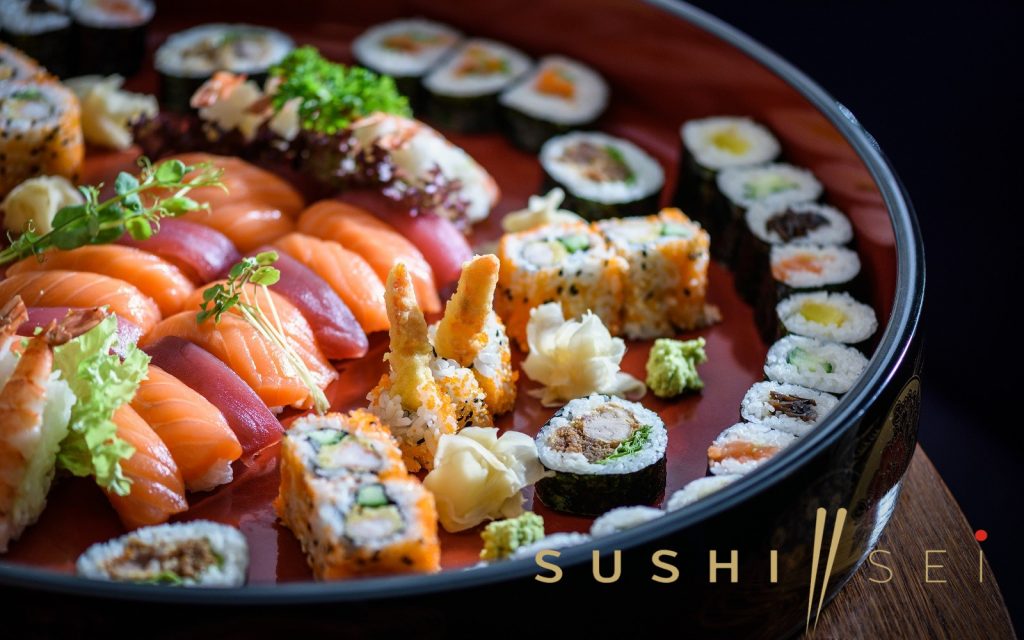
Flavouring: I find that when eating fresh fish, it's better to put the wasabi directly on the fresh fish and then just add the soy sauce or dip it in. It is completely different than mixing the two and using them at the same time. Soy sauce should only be put on the ingredients, never on the rice. If soy sauce is added to rice, the softly pressed sushi rice will collapse with excellent acidity, firmness, perfect stickiness and will not be as tasty.
Refrigeration: even if you store sushi in the fridge for only a short time, the rice will still harden, so it's better not to refrigerate it at all, or only minimally. After preparation, the shorter the journey the better, and only refrigerate at the specified temperature once the dish is assembled.
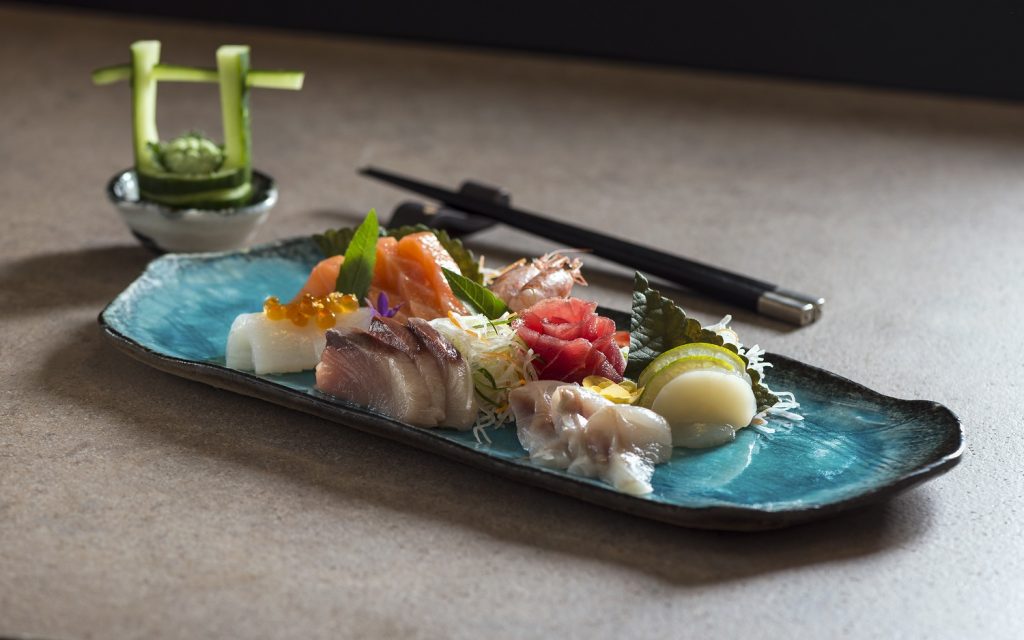
Keeping the fish fresh: For Hungarian sushi chefs, my most important piece of advice is how to keep the fish fresh until the last minute. If you are making sushi by hand, you usually use wet hands. But the water is not the same. My recommendation is to add 200 ml of water to 10 ml of vinegar. The sushi rice will not be sour and it will be easier to keep the fish fresh. Some cooks use a lot of water to keep the rice from sticking to their hands, but this causes the rice to lose some of its flavour, so I think it's better to keep the amount of water to a minimum.