





A Kitchen life In this section we address the problems of kitchens, chefs and guests, and try to offer solutions. The first issue is staff shortages.
During my interviews and conversations, the first thing chefs and restaurant owners mention is the lack of staff as a challenge they need to solve as soon as possible. They say that good professionals prefer to try their luck abroad, those who stay here are either already employed or do not see their profession as a vocation, so it is difficult to cooperate.
The chefs said:
- ’He said he had done his cookery school, but he couldn't make breadcrumbs. How can I hire him like that?’
- ’I find that people don't want to work more than 8 hours, but that's not the profession. You have to get used to 12-16 hours, especially in season and at weekends.’
- ’During the pandemic, many people changed professions and found that their weekends could be free. They don't come back, we don't have the manpower and now that we could be working, we don't have the capacity. It's hard.’
- ’My younger chefs have hardly any stamina. They get tired, they want to finish everything quickly and suddenly. But good food requires precision and time in preparation, which we don't have the people for.’
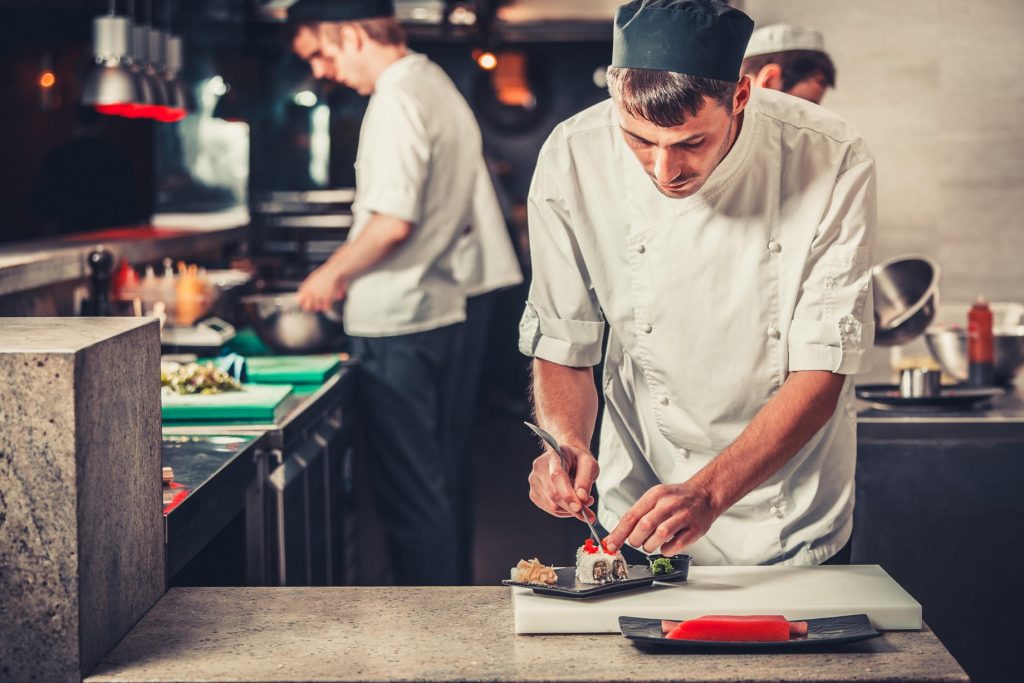
Labour shortages were already present in the catering sector before the epidemic period, but they have increased dramatically in the last year and a half. Many offer better working conditions, training and a good team, but many are in vain.
What is the solution?
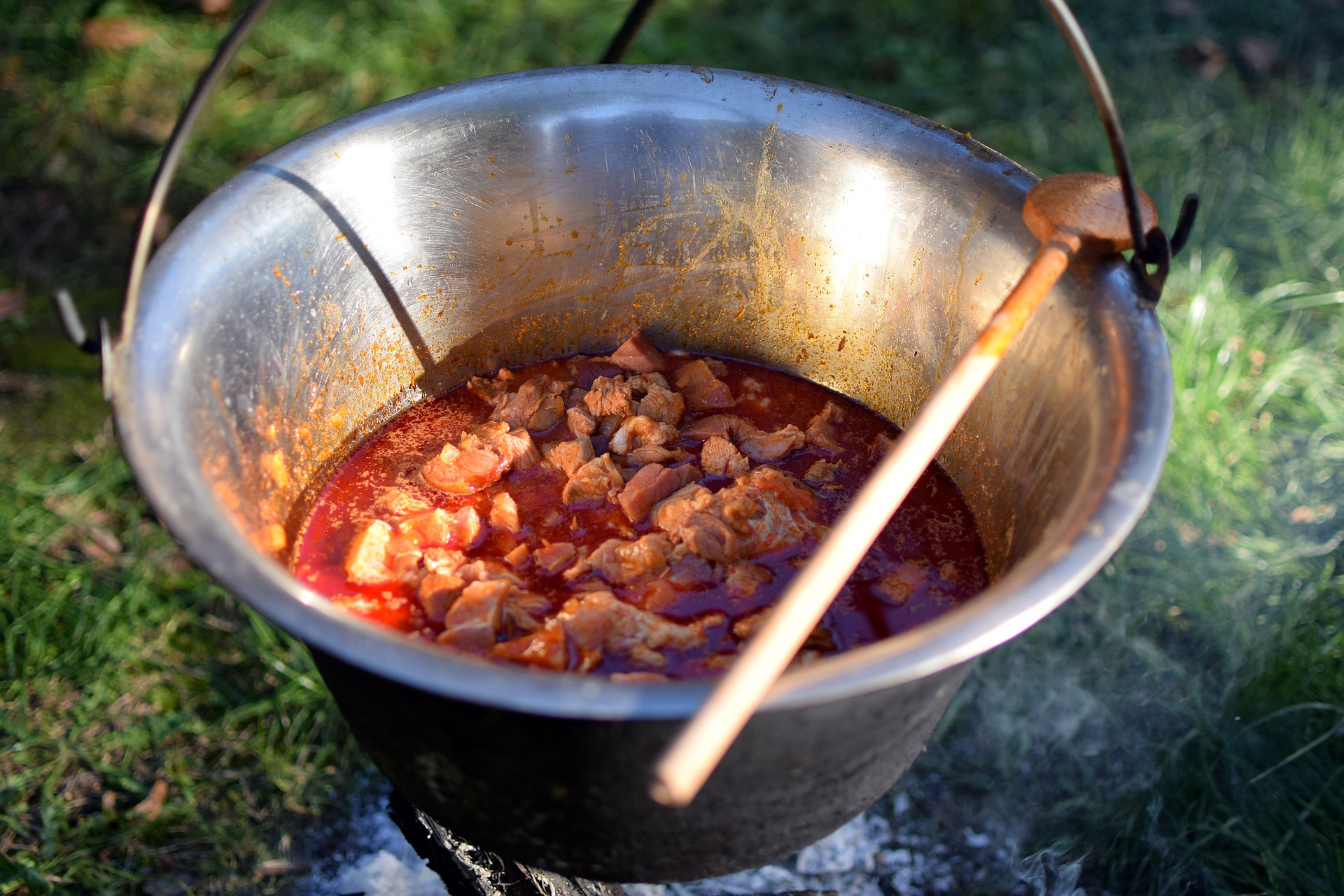
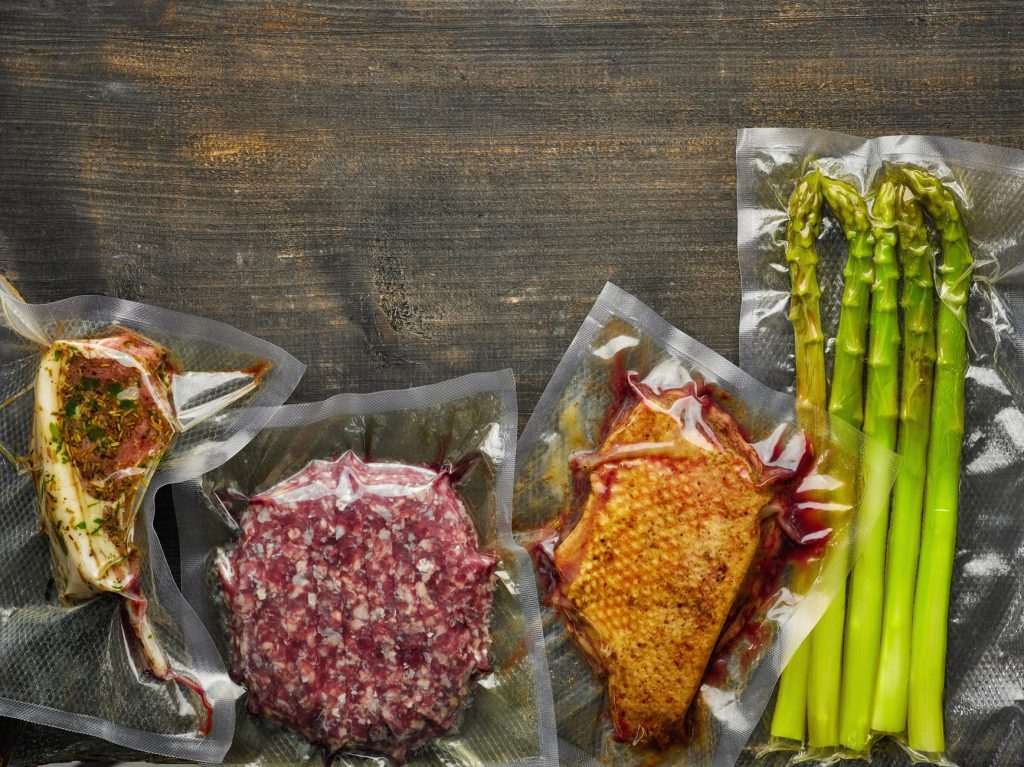
The introduction of new technologies is seen as a facilitation and a solution. It shortens working time and allows the use of kitchen helpers to prepare main dishes. It is easier to train new staff if part of the supply is already prepared or ordered. I'm thinking here of sous vide (pronounced souvid) or bbq technology, which comes vacuum-packed and keeps fresh for much longer and contains quality ingredients.
What is sous vide and vacuum?
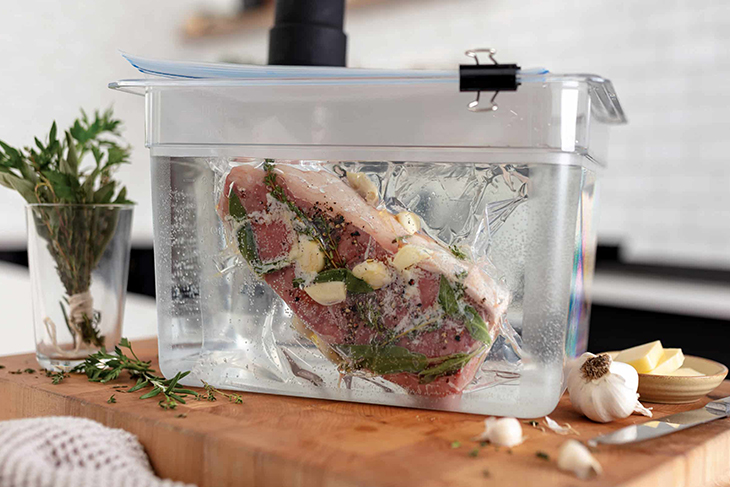
Today, there are few chefs who do not work with sous vide technology, or at least are not familiar with the process. In itself, it is a cooking process whereby food in airtight pouches is placed in a water bath and kept at a constant temperature until it is cooked by the sous vide machine or bar itself.
Sous vide is a French term meaning under vacuum. The process was developed in the early 1970s with the aim of minimising shrinkage in the preparation of foie gras. Today, it is favoured by chefs worldwide for the preparation of many dishes.
The food is placed in cooking bags, the bag is vacuum sealed and then cooked slowly at a low temperature. The food becomes crumbly without losing its original colour, nutrients and texture.
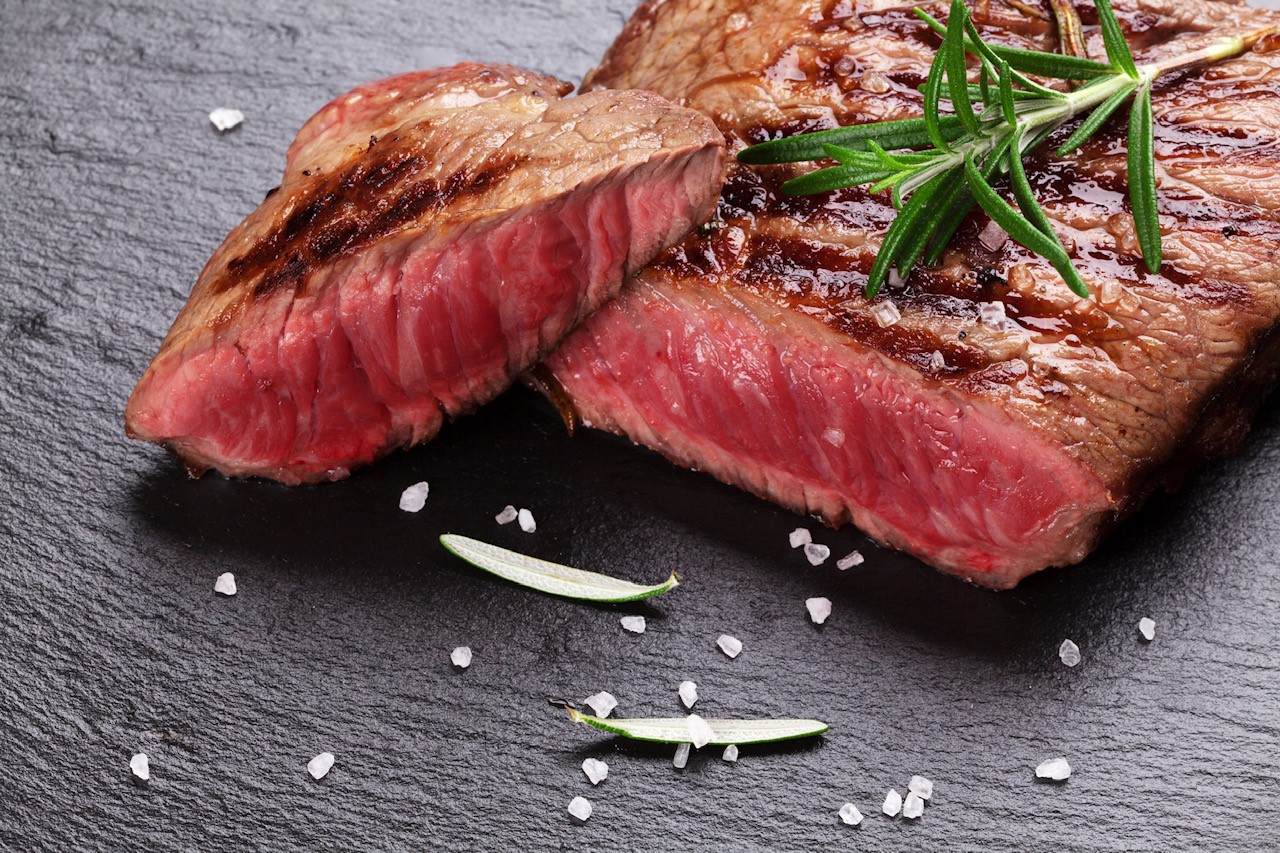
The idea is that the food is heated to the right temperature for the right amount of time. The temperature depends on the type of food, and varies for meat, fish and vegetables, and also depends on individual taste, e.g. whether the meat is cooked rare or medium rare. www.sousvidehungary.hu )
Don't take any chances!
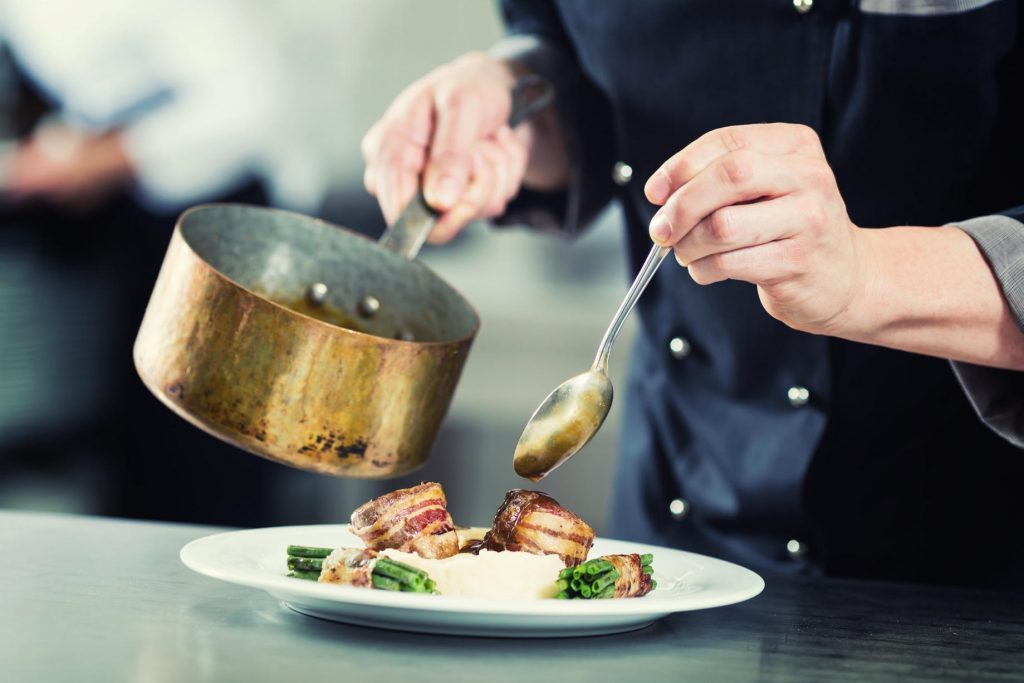
The menu and service in several places has changed due to the difficulties of the past period. Many have designed their menus to be economical even if not everything is sold out immediately. Vacuum packaging has been found as a solution, which can be stored safely for longer periods of time when refrigerated. Most restaurants have minimised the risk by outsourcing some of their work to a supplier. They have also ordered souvlaki meats, blanched vegetables and pre-cooked pasta. This saved a lot of time and work, but still allowed them to work with quality. First they did it because of labour shortages, and later for economic reasons. They could work efficiently and it was easier to train the kitchen helpers to do the small finishing touches. All that was needed was to roast the suvided duck breast, puree the prepared vegetables and decorate the blanched vegetables. Smaller kitchens often enlist the help of other companies for a particular phase to maintain the same quality standards and serve their guests.