






Surely that's how a perfect restaurant opening is written in the big book, just as Tiago and Eve did, even if it was at the most difficult time. Two different cultures, in love, opened their first restaurant in Budapest, next to the Basilica.
You could say that everything was just a series of coincidences, but after I got to know Éva and Tiago's dedication, it was clear that a Portuguese-Hungarian restaurant that the public had been missing had to be born in the Hungarian capital. Every visit is a real experience, besides the feeling that we have come home to them.
The Portuguese-Hungarian restaurant
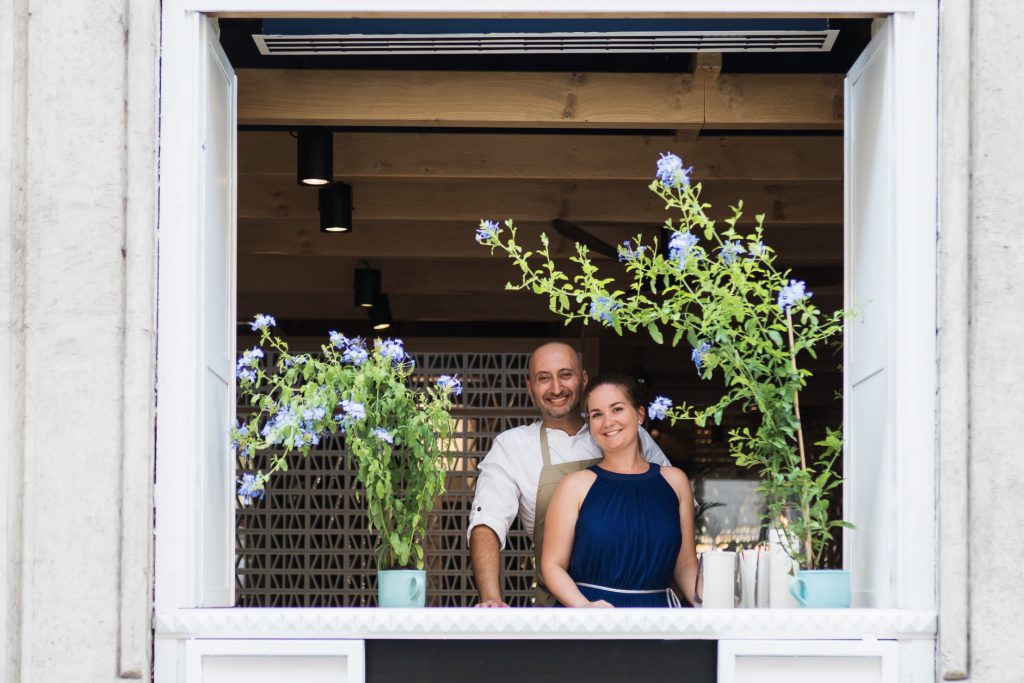
Tiago: ’I'm satisfied when I'm better in the kitchen than yesterday and worse than tomorrowp.
The couple knew from the start that they would open a restaurant together, and it wasn't long before they did. It was one of the most difficult times in their lives to open a restaurant. But in the midst of a pandemic, with the birth of their daughter, the owners, with determination, professionalism and love, set about it. Tiago had previously worked at the Michelin-starred Costes Dowton, and Eva came from the world of the most prestigious hotels with all the experience needed to ensure the well-being of guests. They closed down almost immediately after opening due to the epidemic situation, but once they reopened, the Essência Restaurant - Tiago & Éva does not stop for a moment.
How did the restaurant open?
Eve: ’We knew that we both wanted to open our own place, and it was a given that Tiago would add the Portuguese culture and I would add the Hungarian virtuosity. But the choice of location was completely by chance. We looked at a lot of places for rent, but they didn't suit us because they either had hundreds of seats or were very small. We were on one of those tours when we saw this building on Eagle Street. From the car, we noticed the sign for rent and a phone number, which we called from there. We have been in this place ever since and we love it.
What have you found out, do more tourists visit you than domestic guests?
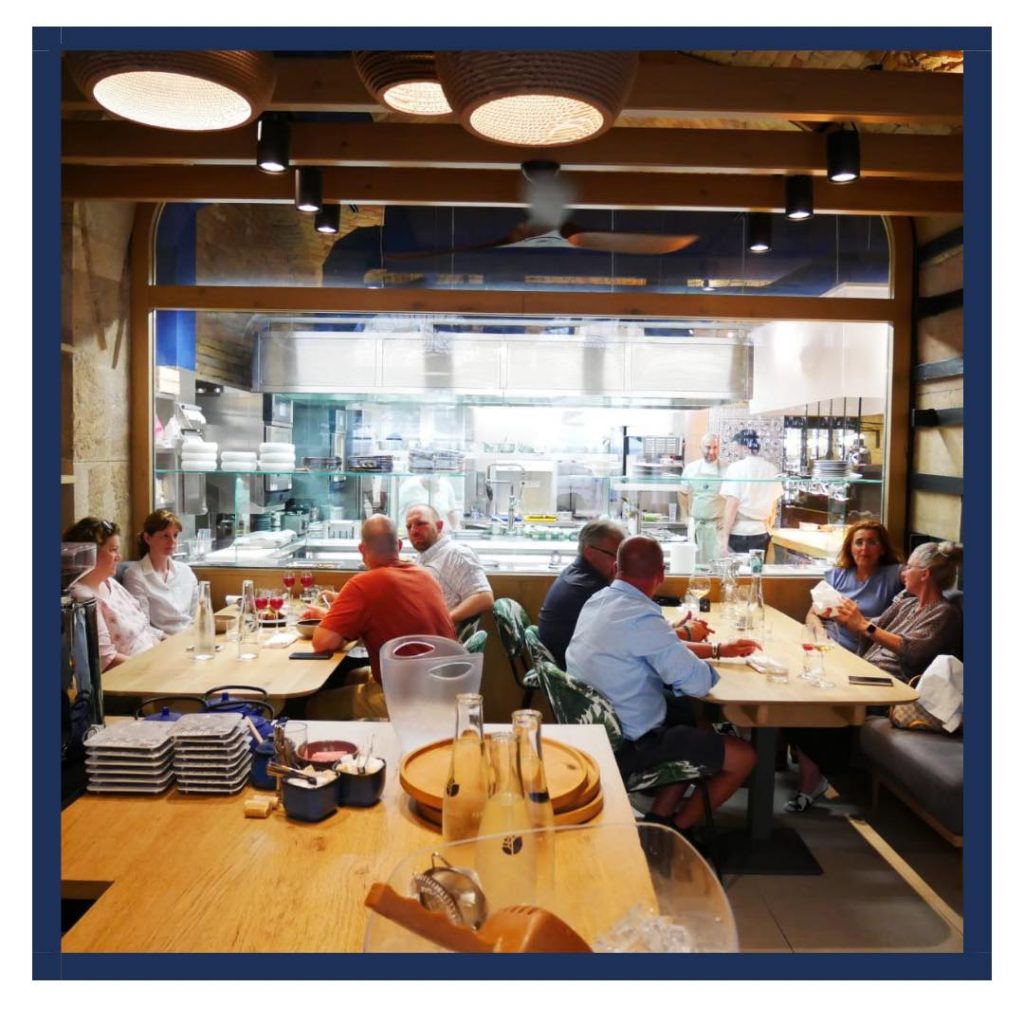
Eve: Our Hungarian guests come back, they love it and the tourists get excited about the familiar Portuguese or the Hungarian flavours they haven't tried yet. There was a big rush at the beginning, which meant that everyone who was interested and curious about the place came straight away to try it. After that there was a quieter period, even a period of closure due to the epidemic situation, but now it's back up and running and luckily we have a lot of guests from home and abroad.
You are a rare pair, both of you with different areas of expertise in running a restaurant. How does that work in practice?
Eve: Tiago is clearly the chef who creates the menu, introduces both new and traditional ingredients and runs the kitchen. I am responsible for the catering experience, the well-being of the guests, sometimes marketing and new ideas. Together, we think together, we invent new things, and I think that's the key to any well-run business, that we are happy and happy to do our jobs, respecting each other's expertise and areas of expertise.
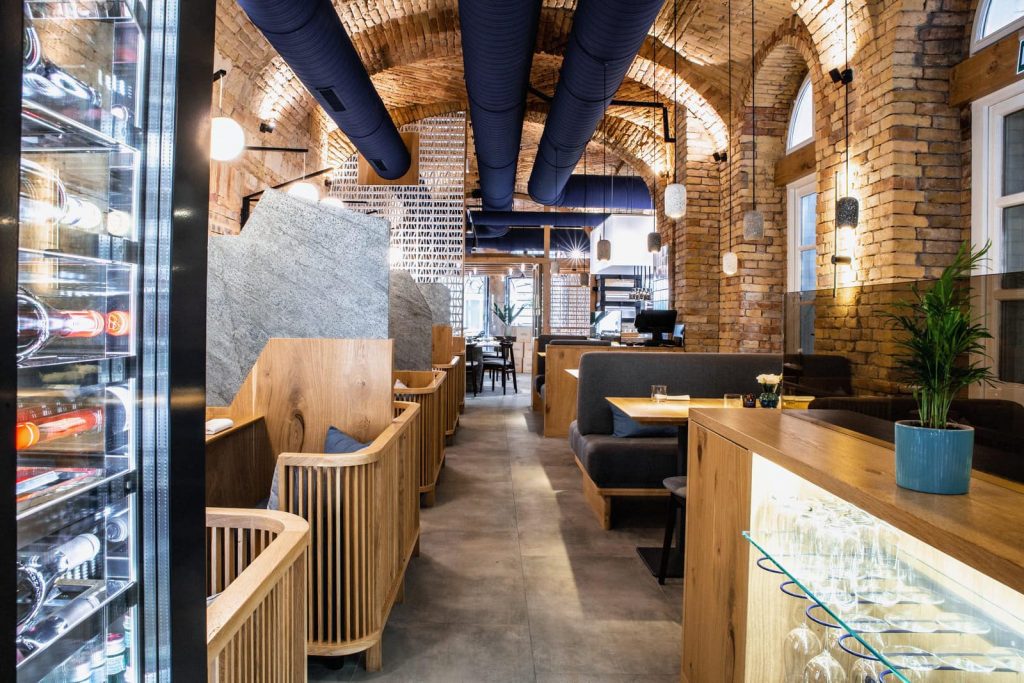
Eva: ’We like to talk to our guests. It's like welcoming them into our home, and I think they feel that.‘
How much do Hungarian and Portuguese tastes have in common, what kind of food and ingredients do you have in common?
Tiago: We have a lot in common. We all love pork, cod, duck liver and of course good wine. It's also how the food is made, and the priority is to source as many of the ingredients as possible and as close to home as possible. We have many Hungarian suppliers, but there are also some foreign ones. The main thing is quality, reliability but also price, so that we can work with them.
What are the chef's favourite ingredients and dishes?
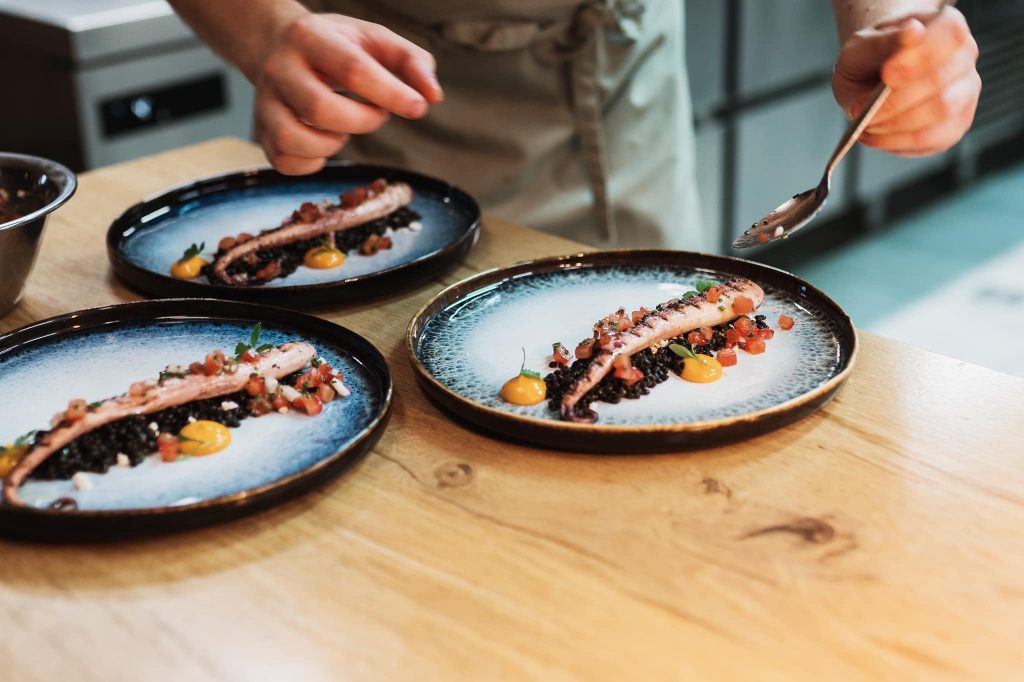
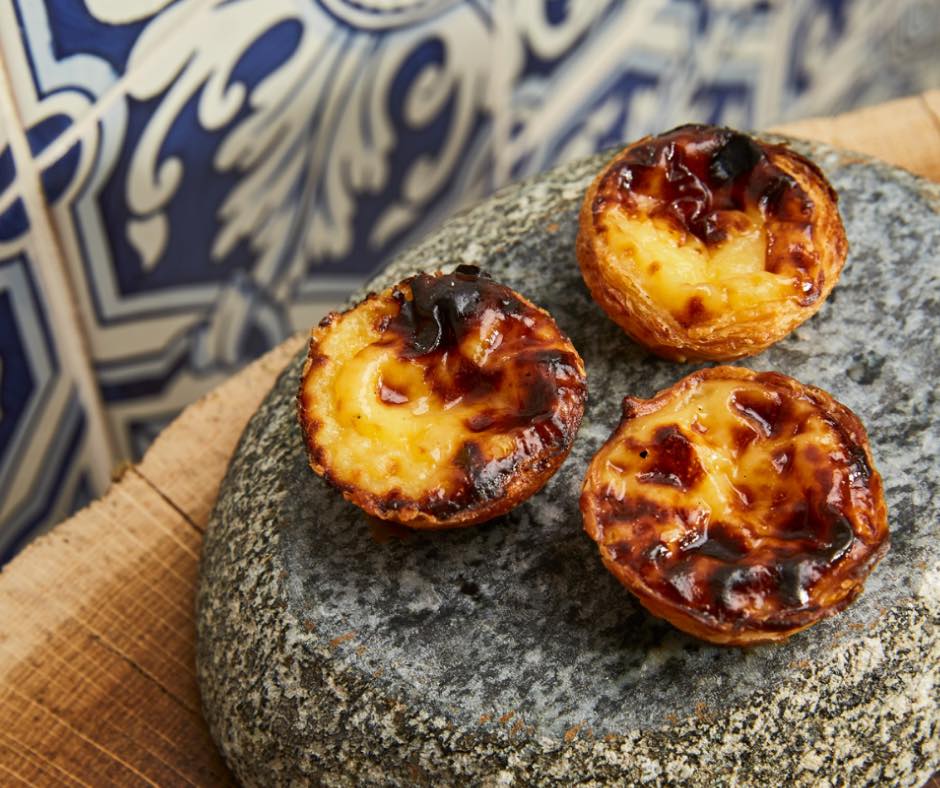
Tiago: I love duck liver, which is creamy on the inside and has a nice crust on the outside. I love the duck, which is delicious and has a nice crunchy crust. You can see that we have a lot of seafood on our menu, such as octopus, crab and cod, and I try to get it directly from the Atlantic, even if it means going to the Italian market. But we don't compromise on olive oil, which comes exclusively from Portugal, pressed from Portuguese olives. Desserts include both Hungarian and Portuguese. Such as, of course, pastel de nata, which is known to have a secret recipe in Belém, for example, but is loved by locals and tourists alike. It's a laborious job, but well worth making, and I'm happy to describe the recipe to the readers of Matusz Wild magazine.
Rumour has it that the Essencia restaurant is on the move.What are your plans for the next period?
Éva: During the pandemic, private cooking was a big hit, which meant that Tiago, the chef, would go to your house. Because of this, and thanks to our good professional contacts, we are moving a bit from the capital to the countryside. In August, first at Sparhelt Bistro in Balatonfüred, then at Vitis Kúria in Balatonrendes, and at the end of the summer we'll be guests of our excellent chef friends at PalKonyha. We believe that it is important to cultivate good relations within the profession and to recognise their knowledge, as this is the only way to build and develop.
Pastel de nata - original recipe
Ingredients
500 g wheat flour t55
10g salt
Half egg white
200g cold water
435 g margarine for puff pastry
For the cream
500g 3,2% milk
15g butter
Half a vanilla pod
Peel of a lemon
200g sugar
50g wheat flour
5 egg yolks
Preparation
Mix the flour, egg whites, salt and water in a food processor, then knead the dough by hand until you have a homogeneous, dry dough. Then chill in the fridge under a kitchen towel for 10 minutes and stretch into a rectangle. Place the cold margarine in the centre and fold the dough in half at each end of the rectangle. Flatten with a rolling pin and chill in the fridge for 20 minutes. Stretch into an oblong and fold the dough in half again. Repeat this operation twice. Then stretch the dough to a thickness of 2 mm, roll it up to a thickness of 3 cm and refrigerate.
For the cream, mix the flour and sugar. Boil the milk with the lemon zest, vanilla and butter. Add the boiled milk mixture to the sugar flour. Mix thoroughly and chill in the fridge. Beat the egg yolks and refrigerate until needed.
The last process:
Cut the dough into 2 cm thick rings, put them into the pastel de nata moulds and press them into the moulds with warm wet fingers. Place the dough in the fridge for 6 hours (or in the freezer for 30-40 minutes). Then preheat the oven to 280°C. Bake for 5-6 minutes, then remove from the moulds while they are still warm.
Serve sprinkled with cinnamon.