






Suwid technology has revolutionised gastronomy. It produces essentially quality-free, special-tasting dishes with a long shelf life. What is the point and how has our country contributed to the catering revolution? Find out here and now!
The sous vide (pronounced souvid) cooking process
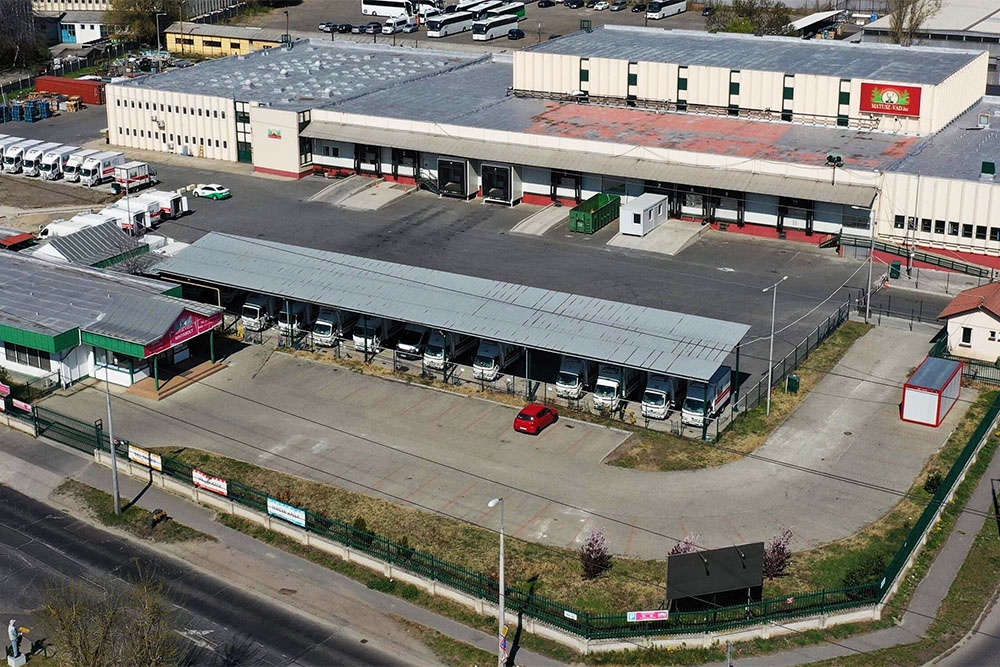
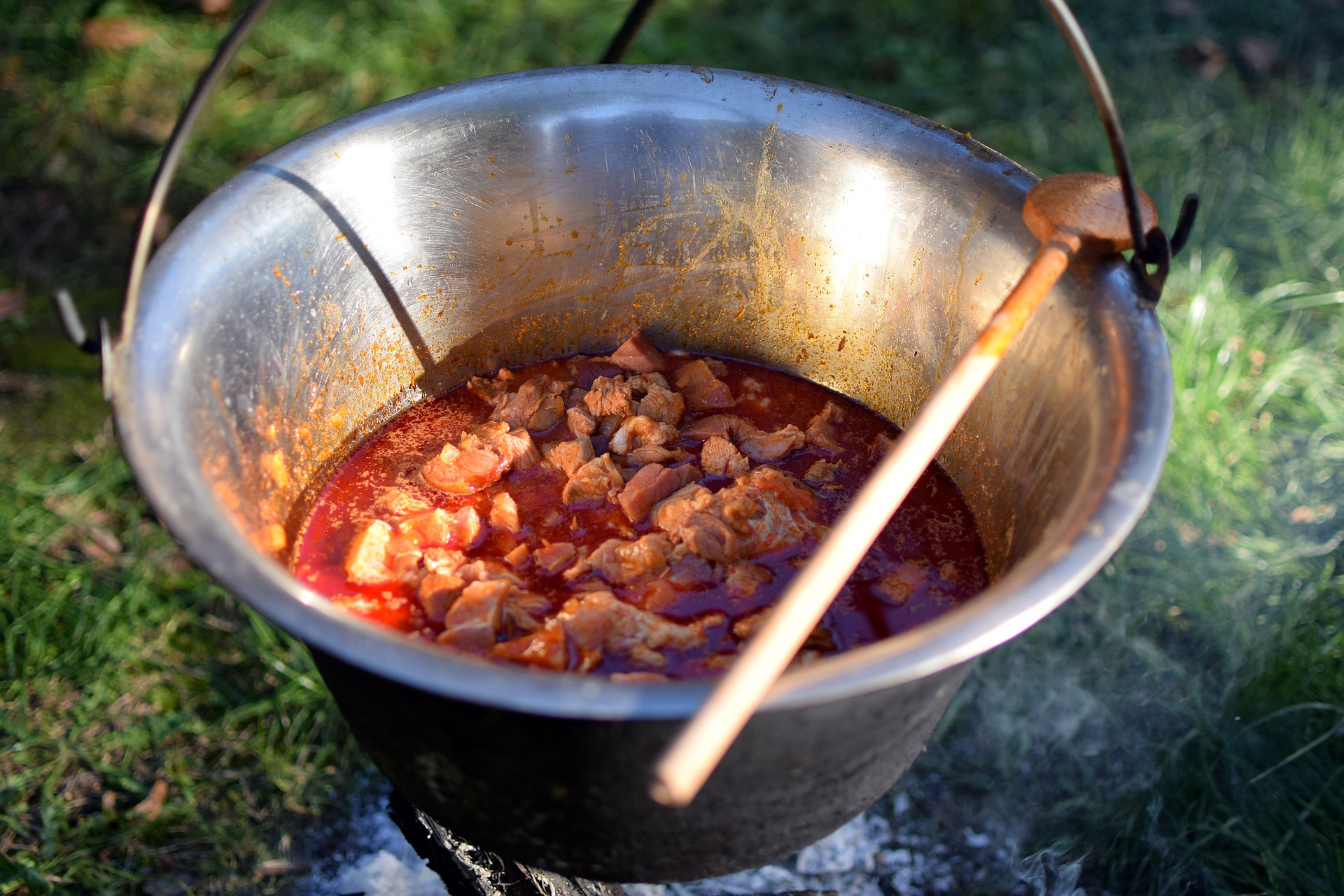
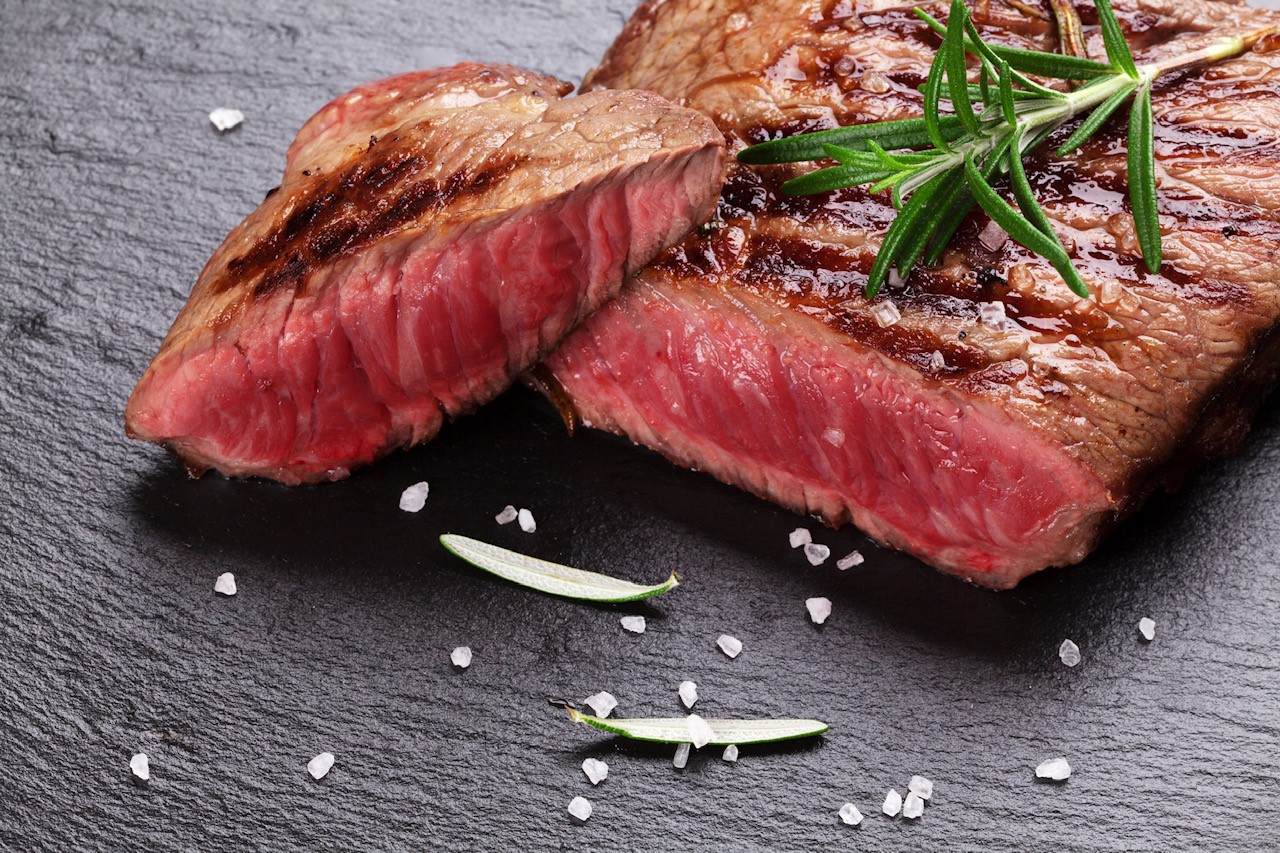
Sous vide is a French term meaning under vacuum. Ingredients made using this technology are mainly used in gastronomy, but are increasingly used at home. It involves heating the ingredients in sealed, preferably vacuum-sealed, heat-resistant plastic bags at low temperatures. Compared to conventional cooking times, sometimes up to 50-70 hours and at significantly lower temperatures. Developed by NASA, disseminated by chef Georges Pralus, developed further by chef Dr. János Kiss, PhD in Culinary Sciences, and distributed in America. Star chef Lajos Bíró is credited with propagating the technology in Hungary. Chef Péter Pataky and Péter Varga built a plant in Tiszalök using sous vide technology. Good news for restaurant-goers and those looking for delicacies that can be prepared in a short time in the home kitchen is that their products are available at MATUSZ-VAD offer. Be it...liba, chicken breast, pig breeding, Beef Tenderloin, pacal stew, ...
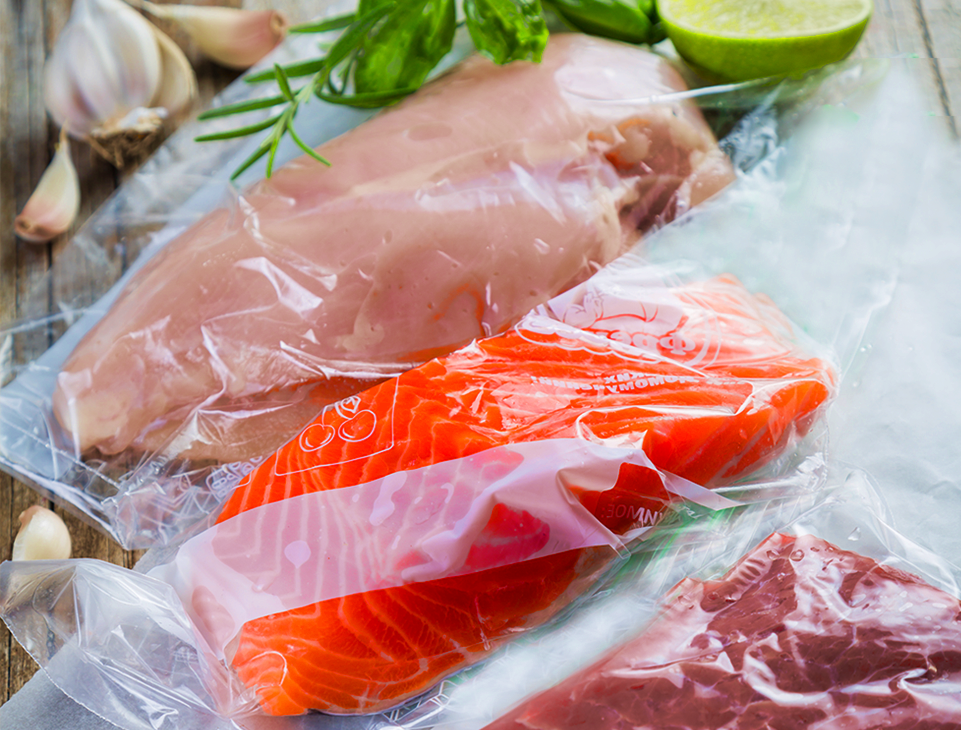
Food in a vacuum
Suicide - from space exploration to kitchen technology
The technology is based on nothing more than a simple plastic bag. Incredible as it may seem, the idea of From NASA because the main aim of their research has never been anything other than to create the ideal conditions for space travel. At a time when the use of metal cans was predominant, a simpler solution had to be found. The cumbersome metal cans were replaced by lightweight, easy-to-handle and heat-resistant plastic bags.
The idea didn't stay on NASA's desk for long, as it was taken up by two companies that were involved in hospital catering. That's how it ended up in Sweden and South Carolina. Food in a pouch was a very slow catching on and eventually the South Carolina AGS systems took a big step forward on the issue. They were the first to remember not to put food that had already been prepared into airtight bags. The idea was to seal the ingredients before they were cooked and to heat them in the bags themselves. The first sous vide prepared by food served in 1970 a South Carolina Greenville Holiday Inn in your hotel. After the success of the first launch, the technology was adopted by many and has been further developed since the 1970s.
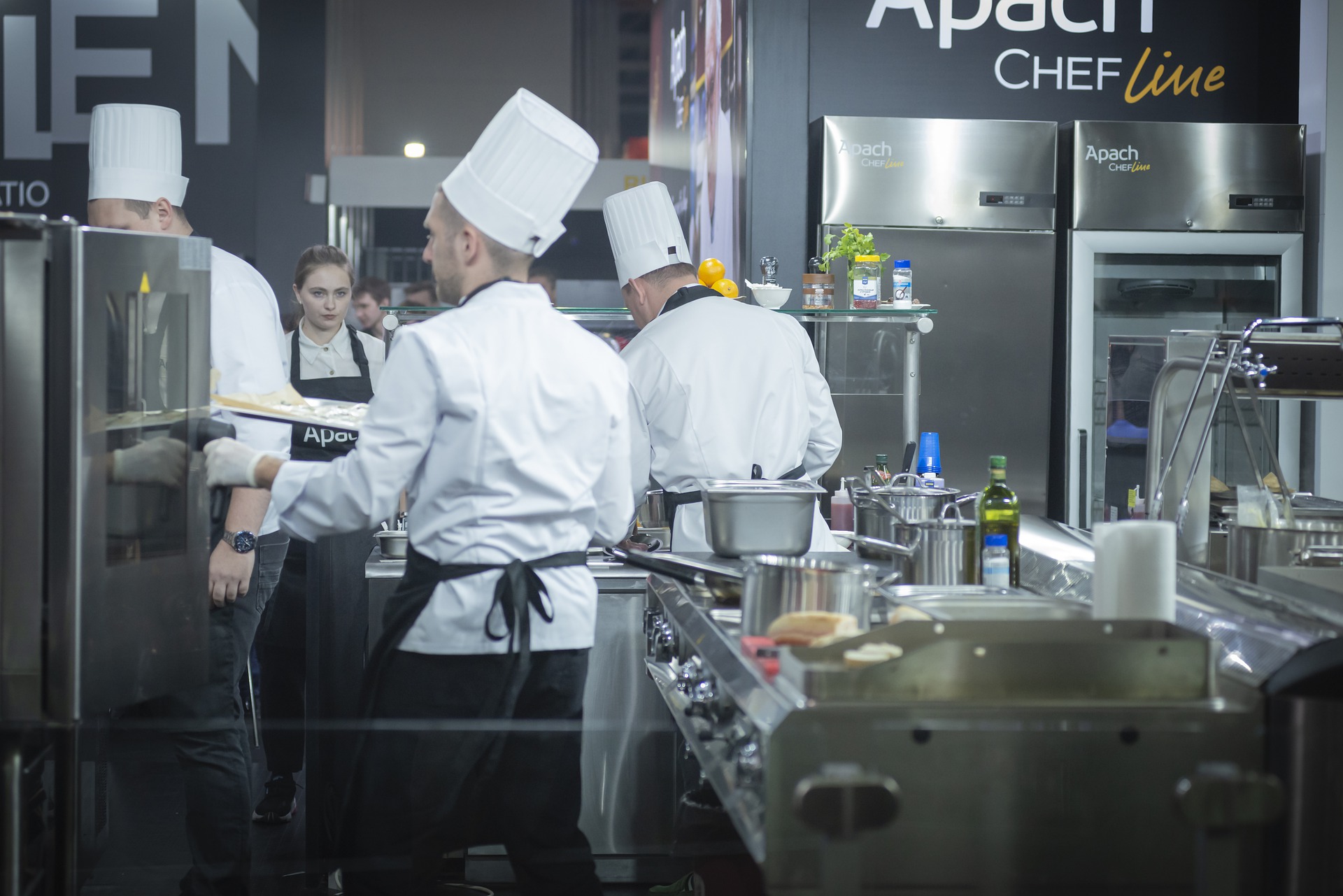
Kitchen and technology
The evolution of sous vide
Several people have been involved in the development of sous vide, including French chef Albert Roux, who in 1983 In the South of France founded a plant. The idea behind the venture was to provide easy-to-handle, cheap sous vide food for the French State Railways (SNCF) and British Airways. Clearly, the product that technology could offer was well suited to these areas, as it made it much simpler and easier to feed people. Henri Gault gastrocritical- the Gault Millau (pronunciation: ɡo e mijo]), saw the imagination in the process and wrote with great enthusiasm about the huge potential of sous vide. The technology became more widely known Georges Pralus is named after. The French chef has experimented with the technology at 3 Michelin-starred restaurants in the Troisgros family and has found that the best texture is achieved by vacuum cooking foie gras terrine. Together with Sealed Air, a company that produces the Cryovac packaging material In 1979 he opened a cooking school with the intention of showing and teaching French chefs the benefits of the technology. The world's most famous chefs were the first to use sous vide- reading, including, Paul Bocuse, Alain Ducasse Michel Bras.
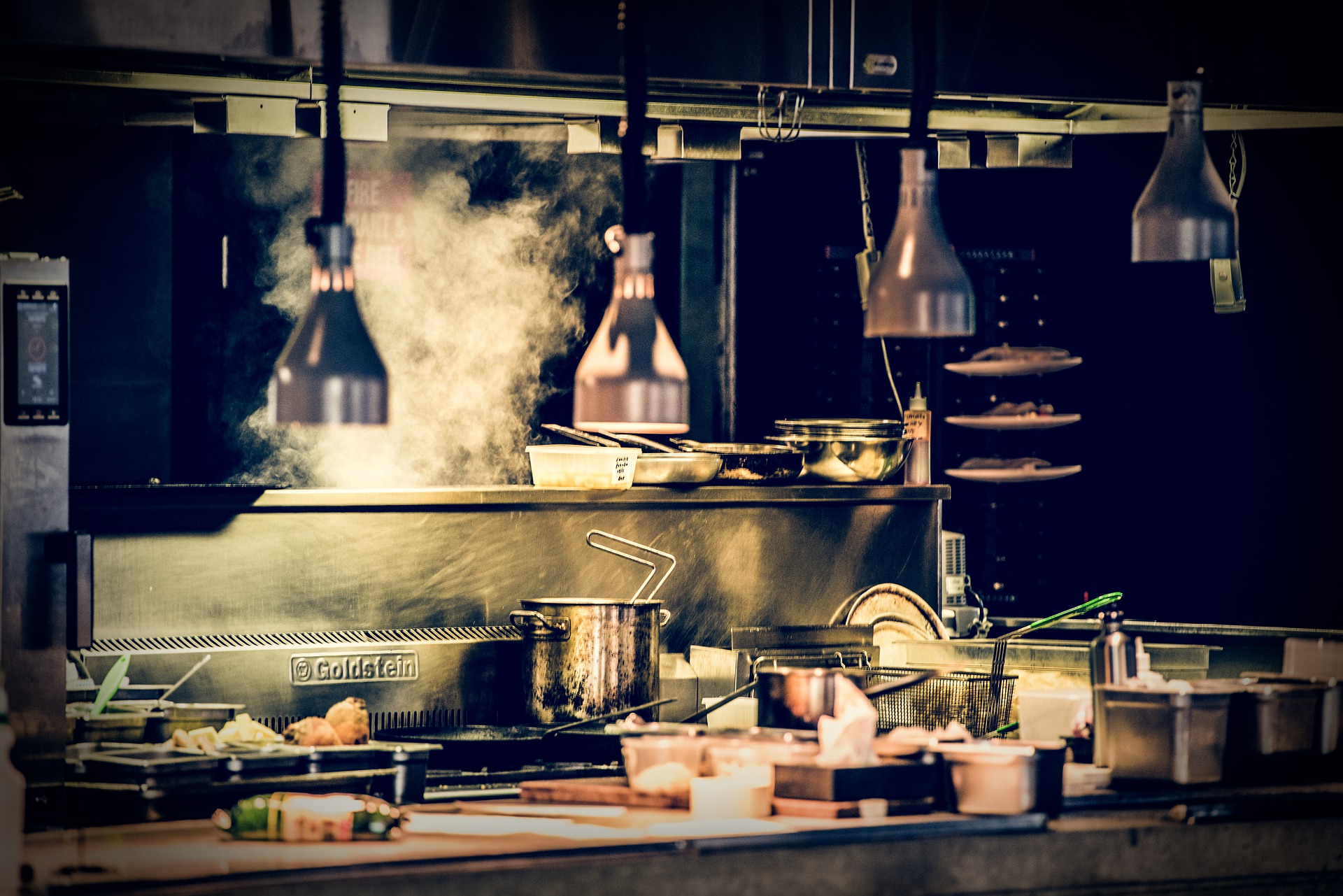
Hungarians lead the way in developing and disseminating suicide technology
Miklós Kürti Hungarian physicists had a major theoretical role in the development of sous vide. It is not the technology itself, but the idea of it that is associated with it. A the father of molecular gastronomy as he was the first person to say that physics should not be separated from the kitchen. During his working life he was very concerned with low temperatures. He looked at the science of cooking through the eyes of a physicist and insisted that cooking was nothing more than applied physics and chemistry. According to Kürti's theory „the perfect 3-minute soft-boiled egg is cooked at 65°C for 1 hour.”
Dr. János Kiss, Ph.D. in Culinary Sciences and retired Vice President of Hyatt Corporation. He is one of only four people in the world to hold a professional doctorate, which he achieved through his distinguished culinary career and the scientifically recognized technology he developed. His name has been in the Paris Hall of Fame since 2004. He is the inventor of the suvaid further development of technology, by Developed in 1996. He has been developing the basic idea for over 14 years and continues to innovate the technology to this day. He started from the basics and created the right methods for preparing souvid meat and souvid fish. He laid the foundation for refrigeration methods and their everyday application.
Basics of sous vide technology
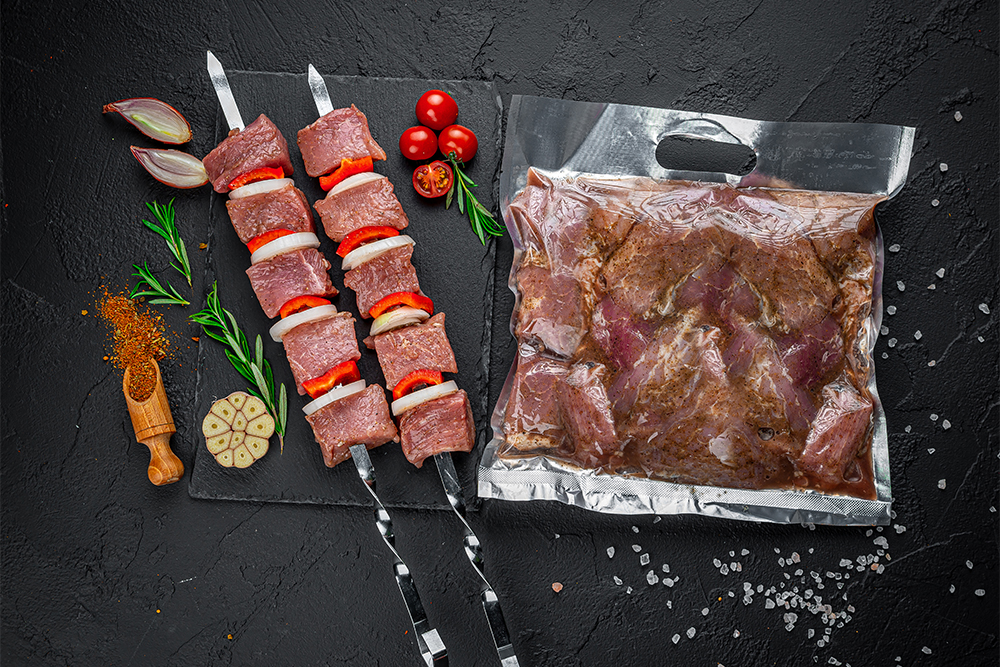
To put it simply - the place the food in a cooking bag, vacuum seal the bag and cook slowly over a low heat. The advantage is that the ingredients are crumbly and have a pleasant texture, with minimal nutrient loss and the basic properties are retained. The idea is that the food is heated to the right temperature and cooked for the right amount of time. These are the basic factors of sous vide, which depend on the type of raw material - and are completely different for meat, fish and vegetables. If you don't want to bother with this cooking technique, whether for home or kitchen use, there are ready-made sous vide products available. As a MATUS-Vad partner, anyone can get access to these special sous vide products.
The basic tools of sous vide
We need three tools to be able to apply it. A vacuum packaging machine, vacuum bags, and a sous-vide ronner, or sous-vide tub.
Sous vide head unit and bath
The head unit is actually a system with a heating element to keep the water at a constant temperature. The head unit allows you to set the required temperature and time during cooking. There are two options to choose from. You can use a head unit (ronner), which requires a basin or a vessel of the right wall thickness and size. The other is a circulating device- which has a built-in heating element - a water circulator. These devices can be adjusted to within a fraction of a degree and once the time interval is customized- it will hold the settings by itself. What you should bear in mind is that the water should always be able to wash the vacuum bags. If you are cooking for a longer period of time, you will need to refill it occasionally.
Vacuum bags
Sous vide cooking technology should only be used with a pouch designed for this purpose, even if it has several layers. The thickness is extremely important! On the one hand, a thicker pouch can withstand high temperatures for a long time, but on the other hand, it can also be damaged by the ingredients. If the bag is damaged, it loses vacuum and the technology loses its essence.
Cooling and storage
The finished sous vide product must be refrigerated, frozen and can be stored for a long time. Vacuum packing can reduce freezing damage, sealing in flavours and aromas - so they are preserved.
Author: by Tamás Budafoki
Sous vide recipes:
Source: wikipedia, sous vide hungary, Airchef, sousvidehungary.hu
Photo by Pixabay
Read more:
https://blog.matusz-vad.hu/2021/08/23/grillezeshez-sutesi-szabalyzat/
https://blog.matusz-vad.hu/2021/08/17/aki-nem-lep-elbukhat/