





Restaurants have struggled to recover from the pandemic crisis, and some are still not even open. Those that have stood their ground and fought hard to survive are going through a very difficult time.

Photo: elements.envato
It is already clear that, according to unofficial figures, 40-50% of restaurants have not reopened. Those involved in the catering industry have been so badly affected by the virus that in many cases they have been rendered economically unviable.
Economic factors
The hospitality and tourism sector is not only segmented by the type of units. The spectrum is clearly broad, as there is a wide variety of units, from simple restaurants to high-end gastronomy, from small accommodation to large hotels. Of course, the way in which a particular business or operator has survived the last year and a half has depended to a large extent on the reserves it has. They were able to make decisions depending on the reserves they could mobilise. The other option was door-to-door delivery and takeaway solutions and reducing the wage bill. These factors can be listed at length, but it is also very important whether the unit was run on a purely economic basis or whether the restaurant or hotel itself was financed and maintained by another business.

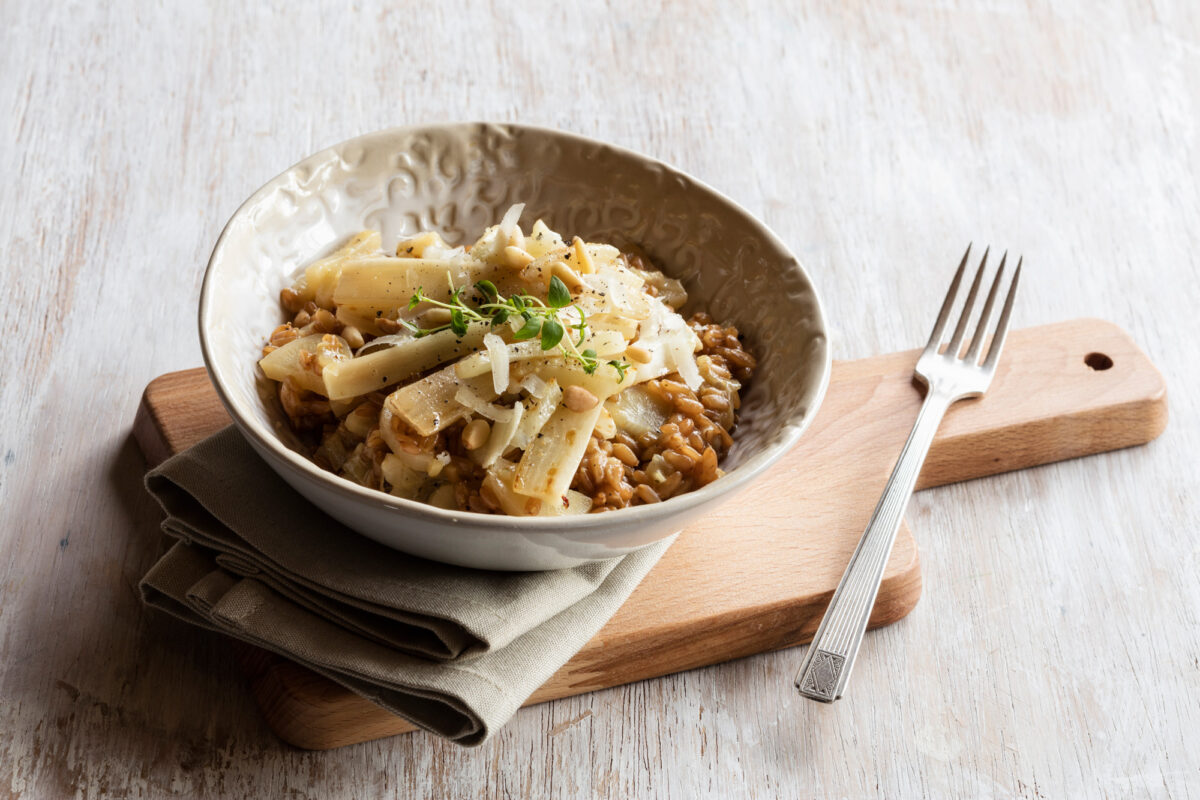
Photo: elements.envato Good ingredients make good food
It should be added that this is unprecedented. Since no one would have thought that this could happen, the units did not have any major reserves in the catering area. No one had a ready-made plan, nor a recipe for what action to take in such a terrible crisis. There is great truth in the saying, „If you want peace, prepare for war.” After the first wave, of course, we could have been better prepared, but we also have to look at why, if the countries themselves could not have handled the crisis, a restaurant manager or hotelier could have.
Basically, in all countries, the problems of the affected sectors have been addressed and alleviated through various aid packages and economic measures. However, there were also huge differences in the way countries dealt with the crisis. Here too, the stronger economies, the „welfare societies”, started from a more advantageous position. As in the much-mentioned Austria, where the situation was completely different. Funds were provided and the economy was set up in such a way as to allow for various welfare measures. In fact, at the level of business, Hungary was at the initial accumulation of capital. It should be stressed that no country can prepare for a global crisis.
The effects of the pandemic
Every crisis has good and bad sides. Let's just say it stirs the pot. After a crisis, many are strengthened and many bleed, with the inherent consequence of redistribution. It has to be acknowledged, however, that the horse has bolted a little because it was a demand market. Now it has been replaced by a supply market in hospitality. What this means for the industry is that there are far fewer restaurants than before the crisis, but still more than demand. So you have to fight for the guest. And the only way to win the battle is to stay true to yourself and work with the same concept, because that is the only way to keep regulars. The cornerstone is proper and cost-effective marketing, which is why even more emphasis has been placed on the use of SM (social media). It is important to hold „promotions” and events that attract guests and draw them into the units.

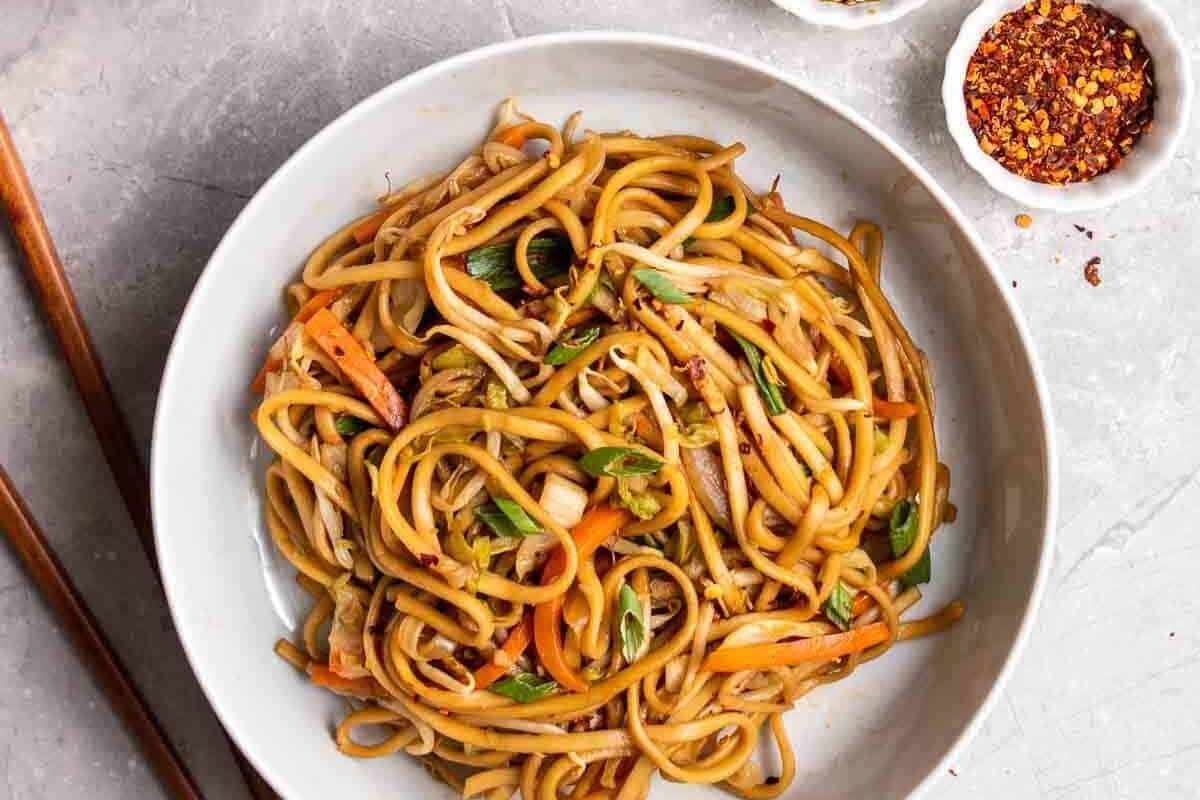
Photo: elements.envato A reliable supplier is worth a fortune
Raw materials and suppliers
The most fundamental issue for catering is the raw material. Everyone likes to work with partners who are stable, safe, reliable and guarantee consistent quality. Quality is essential, as the demands of our guests have increased in recent years. It is no coincidence that MATUSZ-VAD is constantly making serious efforts to update its portfolio, working with the right partners. Unfortunately, raw material prices are becoming more and more expensive, forcing restaurants to raise prices. Predictable, predictable prices and a wide range of supplier company so it's very important for everyone in hospitality and tourism.

Photo: elements.envato
Employment situation in the hospitality sector
The pandemic was the result of labour crisis also in this sector. On the one hand, workers had to replace the jobs lost with other sources of income. The number of people leaving the labour market has increased dramatically, even though the situation was not good before the crisis. Many people have permanently hung up their „chef's coats”, leaving hospitality and tourism businesses seriously understaffed. However, filling the skills gap is a long process. As things stand, the only people who can be relied on are young people, fresh out of school but inexperienced. Here again the problem is cumulative. You have to build on a fresh workforce with no experience, and especially with two age groups coming into the workforce who have had no practical training - because of the closure. Managing this is also hugely stressful for a unit, and here again comes the importance of easy-to-use, simple-to-prepare ingredients.
The virus will be with us for a long time to come, and its consequences for a long time to come. There are economic and social difficulties to be solved. A good partner can be a great help to the profession!
Source: airchef
Photo: elements.envato.com
Now only those with the necessary qualifications can prepare food