




Public catering is much more valuable than other sectors of the hospitality industry, not measured in terms of the performance of other sectors and specifically in terms of their ratios. This is not by chance, given its size and mass, as it provides meals for between 1.5 and 2 million people.
This means more than 10,000 locations, which of course affects many caterers and businesses. The competition itself shows how much segmentation within the catering industry is needed! A chef is someone who painstakingly prepares a fine-dining menu for 40-50 people a night at a huge cost per person, and a chef is someone who cooks for 1000s of people a day at a cost of up to 200 cents per course! Who are the everyday heroes? It is debatable! Of course, the different areas are completely different and cannot be compared, but one thing is for sure, the public catering cookery competition is necessary!
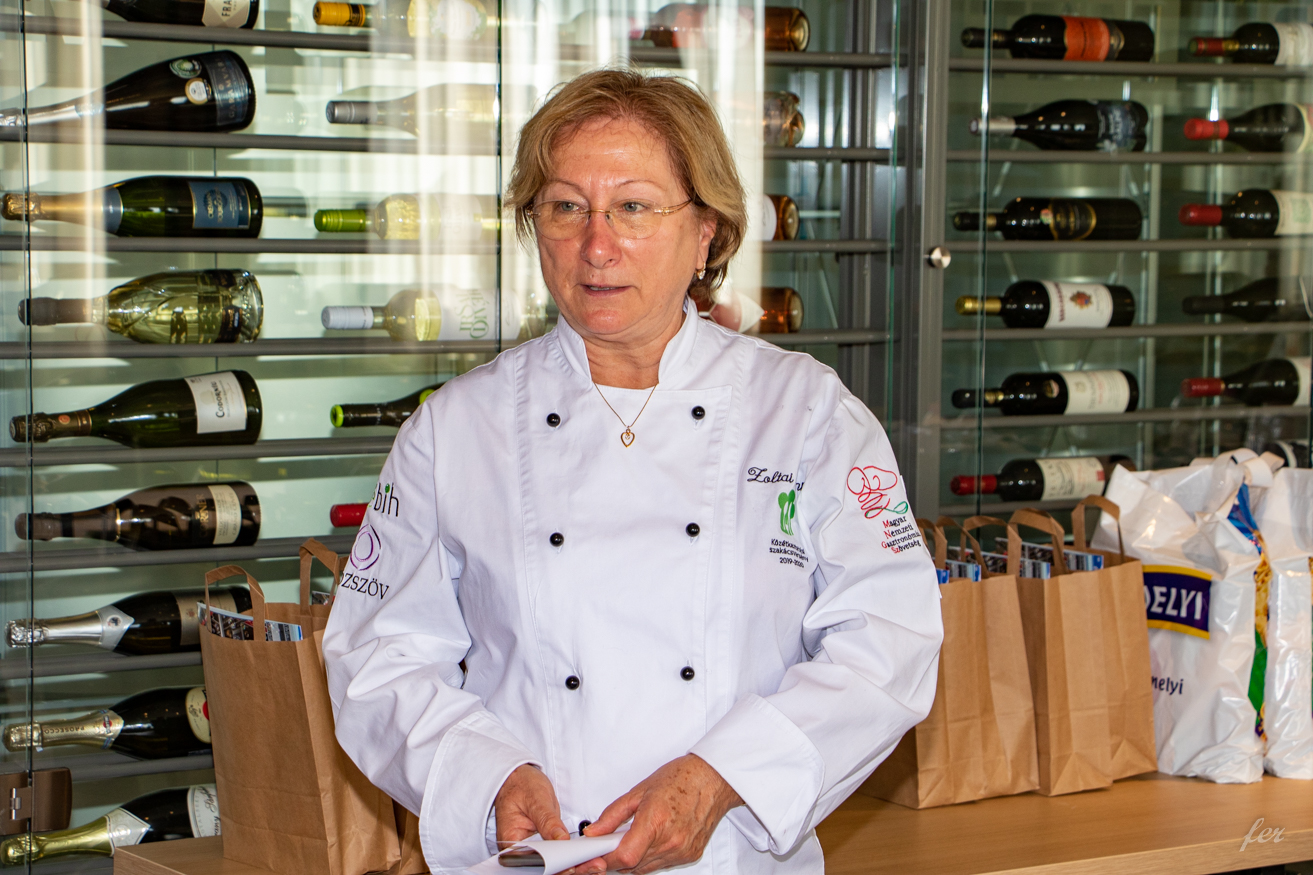
Anna Zoltai: „We thought when we started this competition that it would be a way for chefs to train, a way for them to improve.”
The public catering competition
In 2011 it became the first public catering and has been developing intensively since then. The profession has also recognised the enormous importance of this sector, which is not only a catering service for large numbers of people, but also a significant economic factor and a source of employment for many professionals.
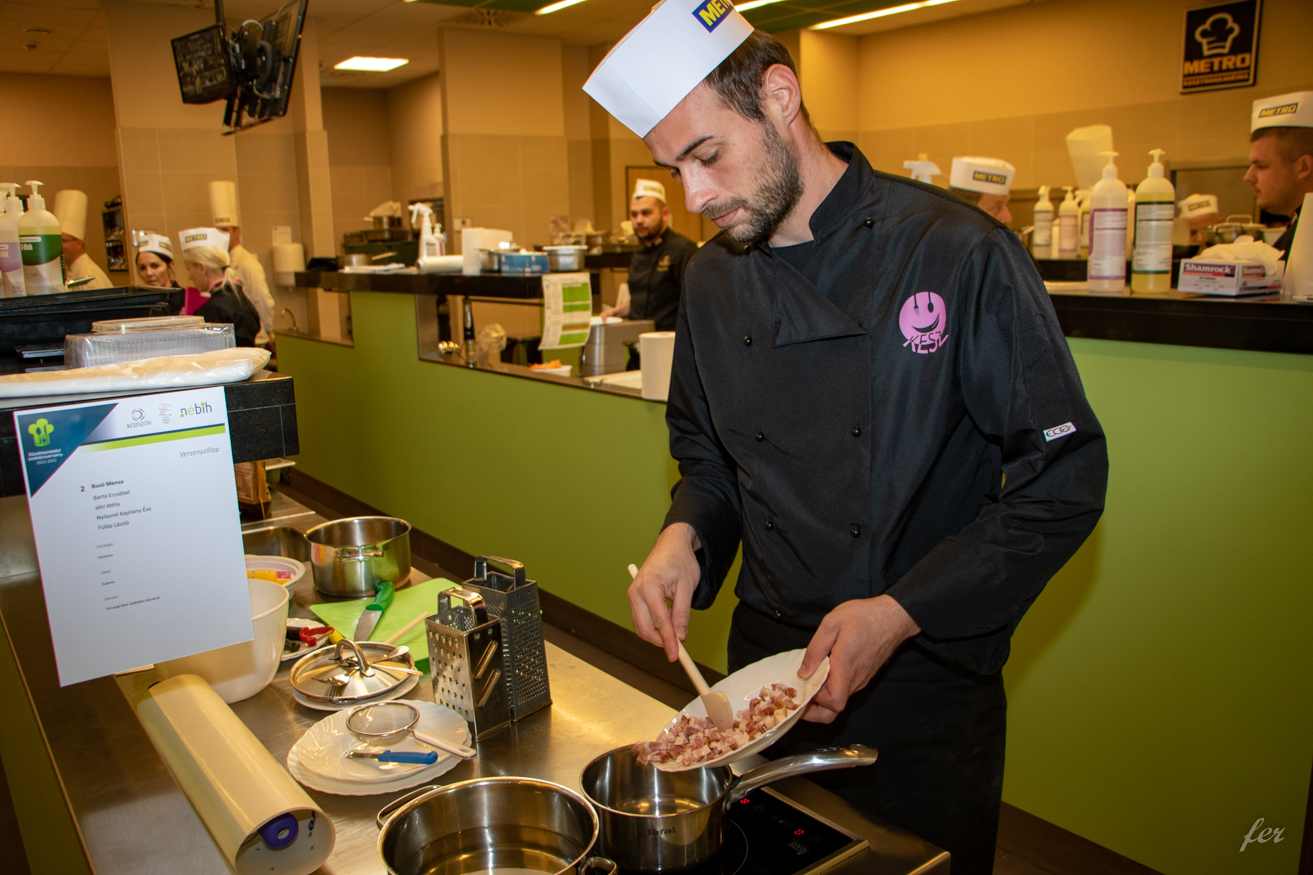
Since 2011, the catering competition has become a more and more prestigious and well-known event every year, and since 2016 it has been held every two years, following the Bocuse d'Or theme. One year is the year of the competition, when the entries are made and the preparations, qualifying rounds and semi-finals take place. The following year, the finals are held within the framework of SIRHA. A final in March 2022 is held when the best 12 teams will „compete”.
The catering competition was organised by prestigious professional organisations. The National Association of Caterers and Food Service Managers (PUBLIC), the Hungarian National Gastronomic Association (MSGSZ), and the National Food Chain Safety Office (NÉBIH). This shows the importance of professional cooperation and is a fine example of the importance of a willingness to act in both the hospitality and tourism sectors.
The journey is the destination
It is no coincidence that it was chosen as the motto of the competition: „The journey is the destination”. The public catering competition is intended to provide a motivation and guidance for professionals working in this field. In addition to this, it is also very important to provide opportunities for development, learning and progression! To this end, the teams participating in the competition are assisted, mentored and prepared for the competition by highly respected, prominent professionals. The aim of raising the standard of public catering is a key focus of the competition, subject to the availability of resources. During the preparations, the teams have therefore made several changes to the dishes based on the mentor's suggestions, and this year's competition has put a strong emphasis on the execution of the serving. An important part of the evolution of the competition is that there are now teams competing for the sixth or seventh time. A clear observation from the professionals is that they have been watching each other and have improved a lot over the years.
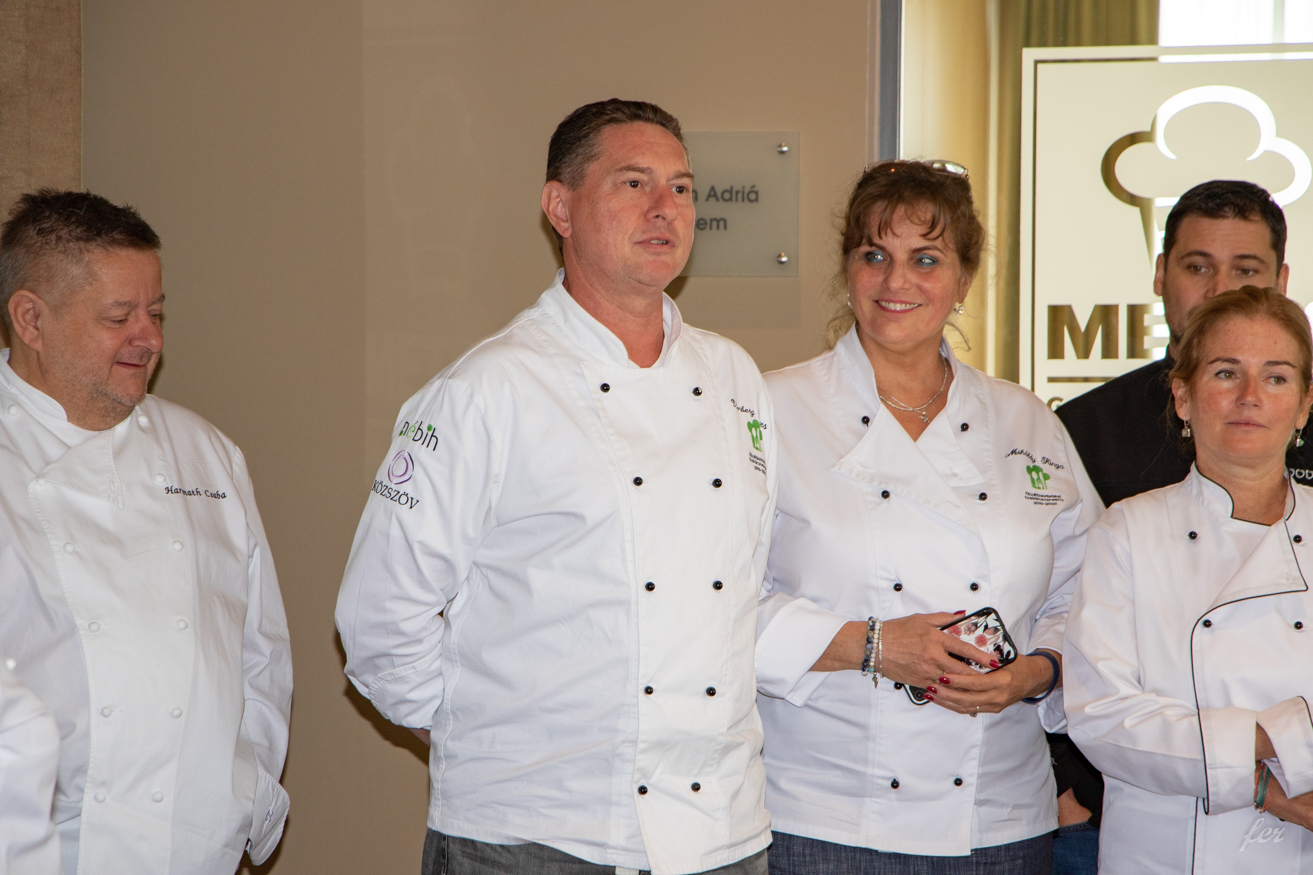
Gabriella Hartmann Dietician (National Association of Hungarian Dietitians):
„I would be very happy to see this type of food in public catering.”
Task and topic
The motto: „Tradition, innovation, development”
The theme of the competition: CARNIVAL FOOD IN THE SPIRIT OF TRADITION AND RENEWAL

Composition of the competition team: the competition was open to teams of 3 + 1, of which at least 1 was under 35 years old.
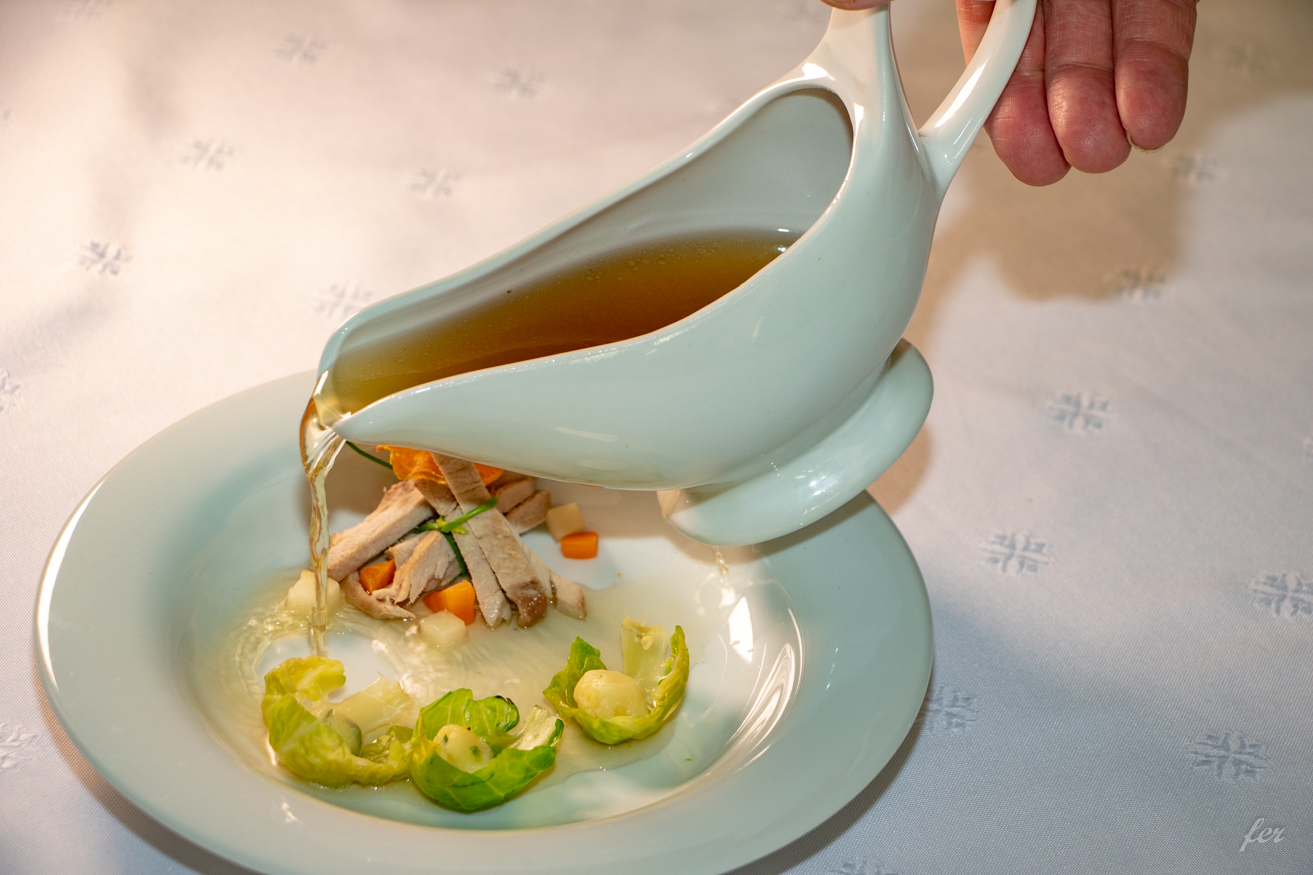
The task of the 28 teams participating in the competition was to prepare a traditional carnival menu of a Hungarian region. A complete set of dishes for adults 3-course lunch planning, designing and serving in the spirit of modern gastronomy. It was of particular importance that they could be prepared and served to hundreds of consumers in an everyday setting
The three courses could consist of starter or soup (cold or hot), from main course and dessertdishes. The competition mandatory raw materiala a pumpkins, and the mandatory element to be displayed a donuts, which could be prepared freely, not only in dessert style. The net raw material cost that can be used for this 650 Ft/dose was for them.
The aim of the menu was to reflect seasonal traditions and customs, and to create familiar and traditional flavours. The teams were also asked to modernise the dishes, adapting them to current customs and expectations. The competition dishes were also designed to promote fresh local ingredients.
Judging the competition
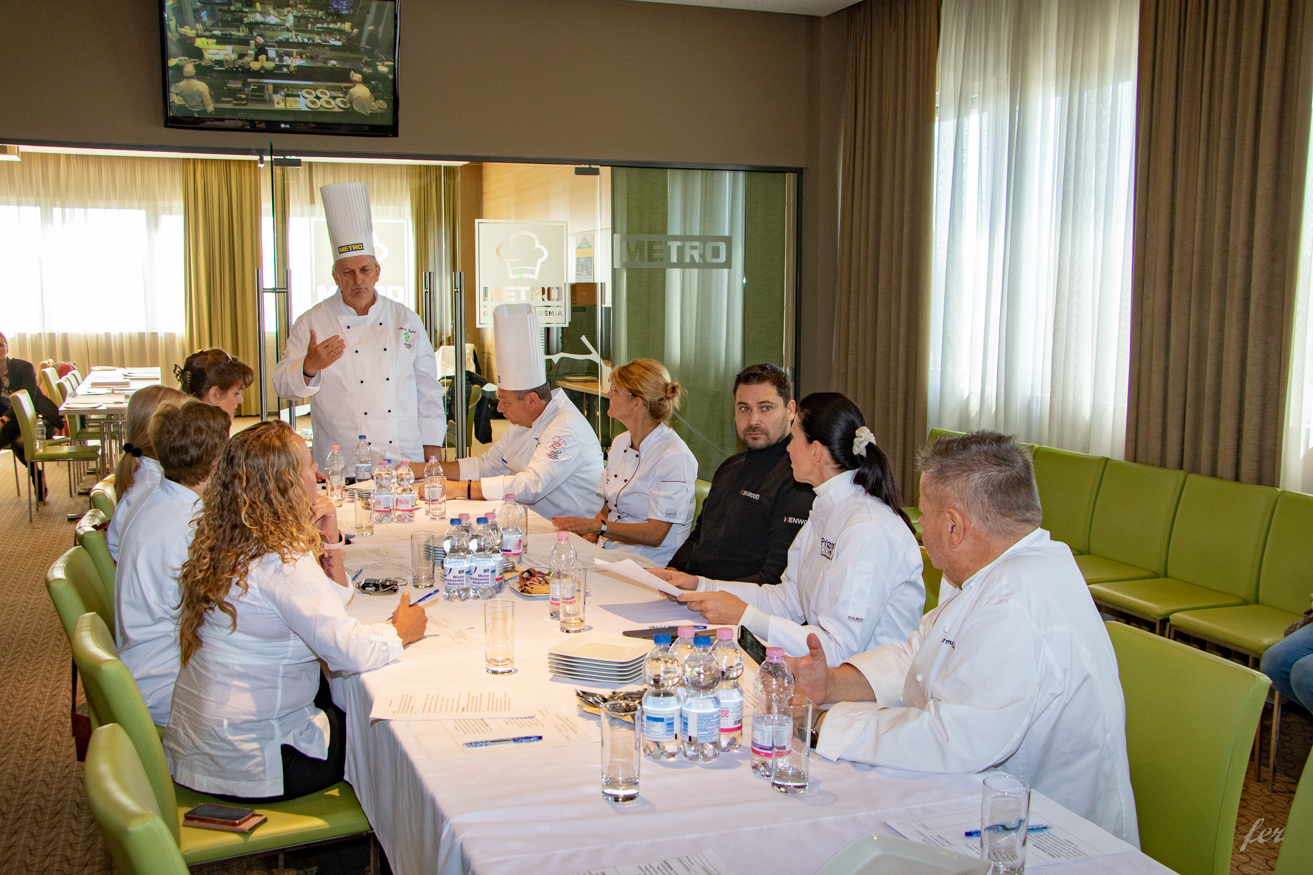
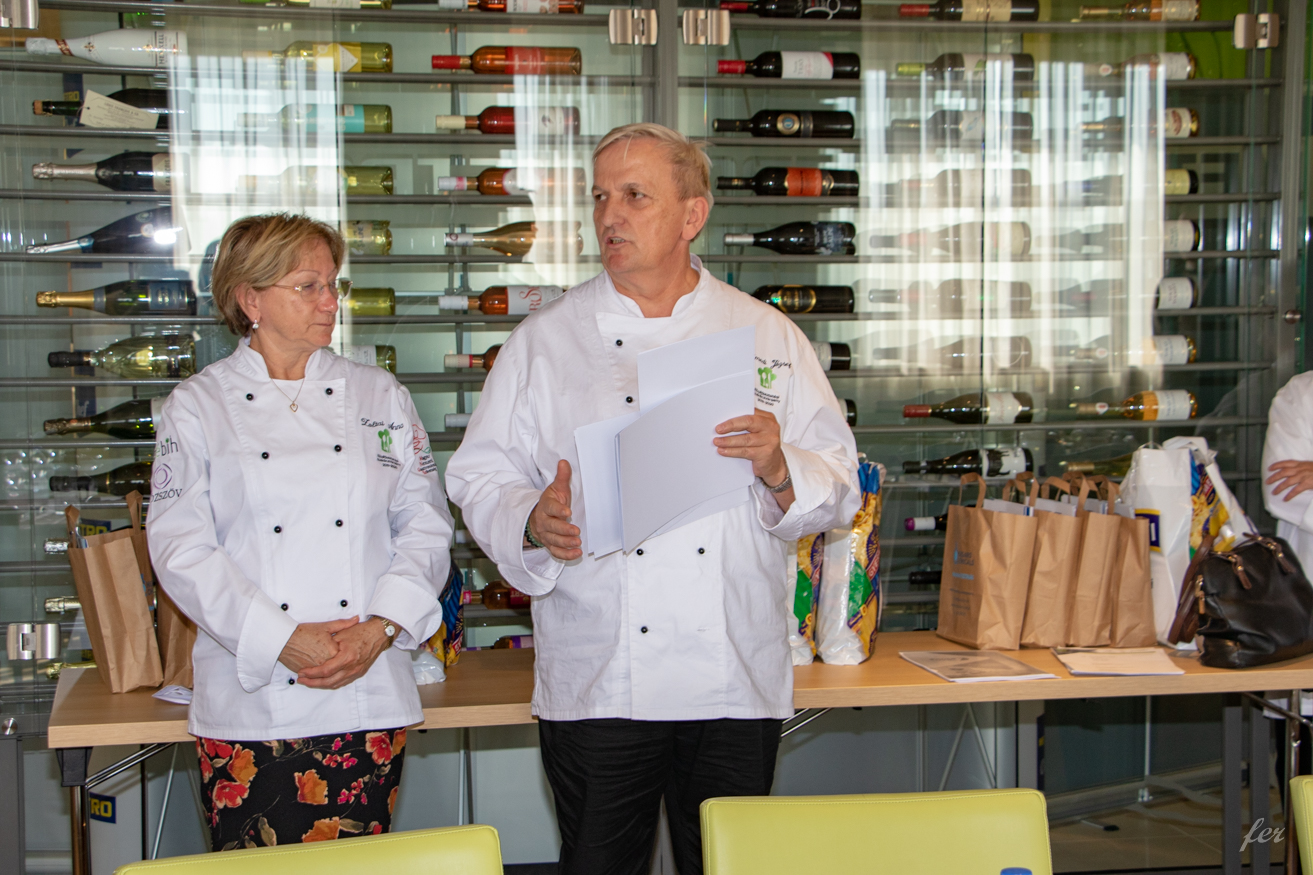
During the competition, the teams„ performance was monitored in several stages. Firstly, the kitchen work, which was also subject to the conditions set out in the competition notice. On the other hand, the presentation and enjoyment of the food was taken into account. The origin of the mandatory ingredients was checked and scored separately by the jury. In the compulsory batch, individual solutions were awarded extra points. The 12 finalist teams will also be visited by the jury and will have to prove in their own kitchens that they can prepare a meal for at least 50 people on a ”large scale". Each of the competing teams was able to delegate a jury member, but the jury also included respected experts such as Frigyes Vomberg, András Wolf, József Bernáth, Csaba Harmath, Anna Zoltai, Gabriella Hartmann and many others.
Patrons of the competition: Dr. István Nagy, Minister of Agriculture, Dr. Bence Tuzson, State Secretary of the Prime Minister's Office, Dr. Márton Oravecz, President of NÉBIH.
The professional patrons of the competition are: Zoltán Hamvas, president of the Hungarian Bocuse d'Or Academy, Anna Zoltai, vice-president of the Food Hygienists Association.
Source: Public web
Photo by Ferenc Csárdás