






Hungarian runner-up in this year's Bocuse d'Or final Roland Kelemen, who not only shows great humility in his profession. We interviewed him.
How did you start working in the industry?
- I live not far from Debrecen, in Bocskaikert, and even as a student at the local primary school I had planned to become a chef. Then came the vocational school and then my first job, Aqua-Sol, where I have been working since 2013. In 2016, I took part in the Cooking Olympics in Erfurt and in 2018 in the World Gastronomy Championships in Luxembourg. Both times I won silver medals. I have also participated in several national competitions in my career, where I have stood on the top of the podium. Apart from my daily work, competition has always been an important part of my life, as I see it as an opportunity for development. Throughout my career, I have received a lot of help from the hotel, and I thank them here. A Bocuse d'Or-A prerequisite for „training” for the event was to have time to take a break from the daily grind. I am honoured to have a team and a hotel behind me that fully supports me.
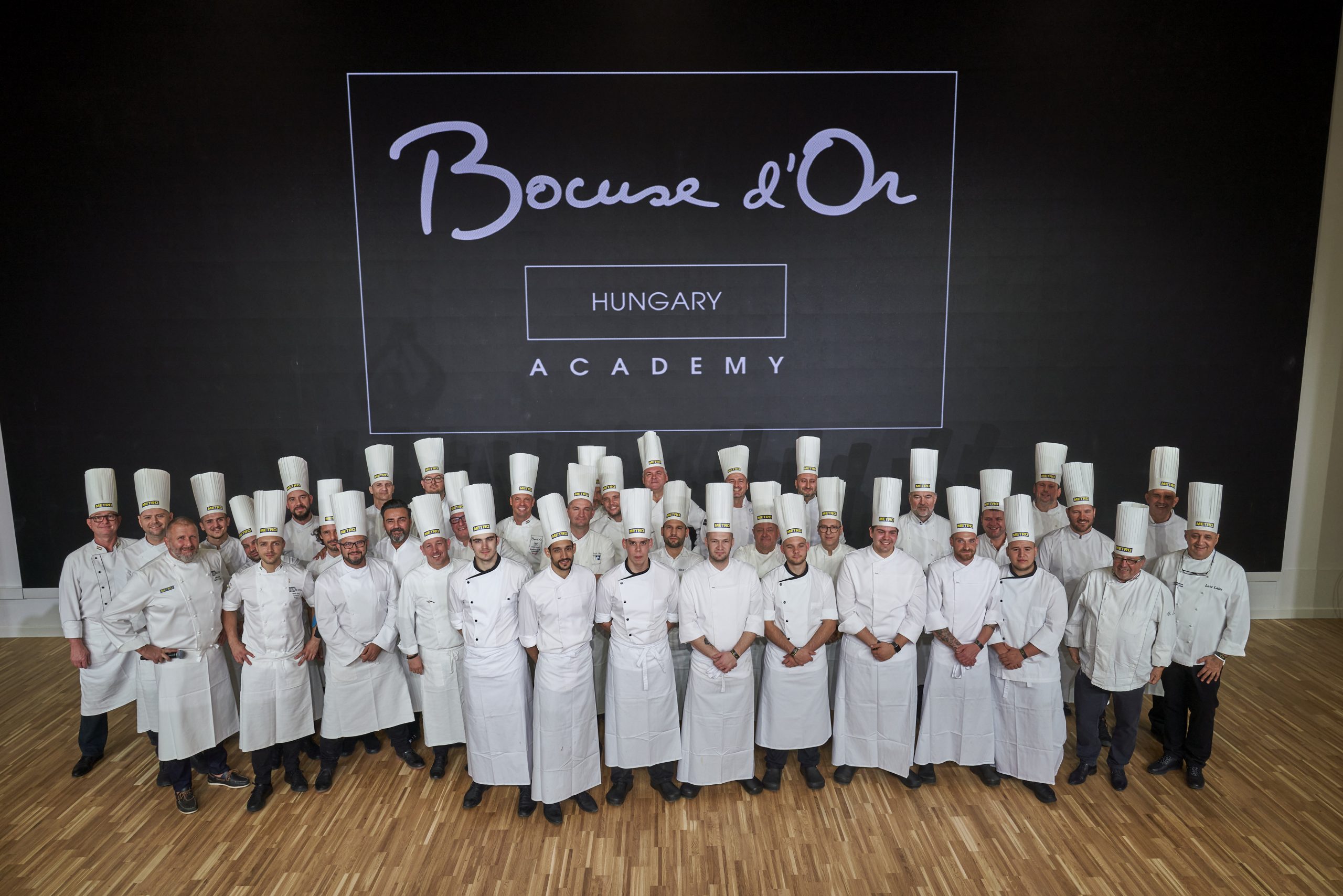
Photo: Hungarian Bocuse d'Or Academy
Is being a hotel chef a difficulty in the competition?
- In fact, yes and no. At Hunguest Hotel Aqua-Sol we serve a lot of guests and a’ la carte is not the main line. For this reason, you have to be able to do everything, let's put it that way. This is a big advantage. The disadvantage is in the serving, as custom-made dishes are not the norm. But the two balance each other out, I think. I am lucky that the entire hotel and kitchen staff are on my side and have helped me prepare for the Bocuse competition.
You already competed in 2020 and finished second then too. How did it feel?
- What motivated me the most to win the silver medal was that I was the only one of the podium finishers who didn't come from an a’ la carte restaurant. It was a great experience to win two special prizes. The S.Pellegrino special prize for sustainability and the prize for the best fish dish.
This year you've jumped back into the race. How did it happen?
- Hunguest Hotels asked the chefs working for the chain when the competition was launched if any of us would like to take part in the competition. I indicated that I would of course like to compete in the Bocuse d'Or again. My fiancée and I prepared two dishes, which we sent in and were accepted, and we made it to the final. When we got the final competition notice, we had several commis applicants, but we contacted Adam Pohner and through him we managed to find each other with Noel Fodor. The difficulty was that he lives in Siófok, so he had to travel quite a lot to work with us. I could see that he had the will to really win, that he had ideas and that he was totally committed to the profession. We quickly got on the same wavelength. We had about three weeks to get together and we prepared with almost no days off. It was quite an intense period.
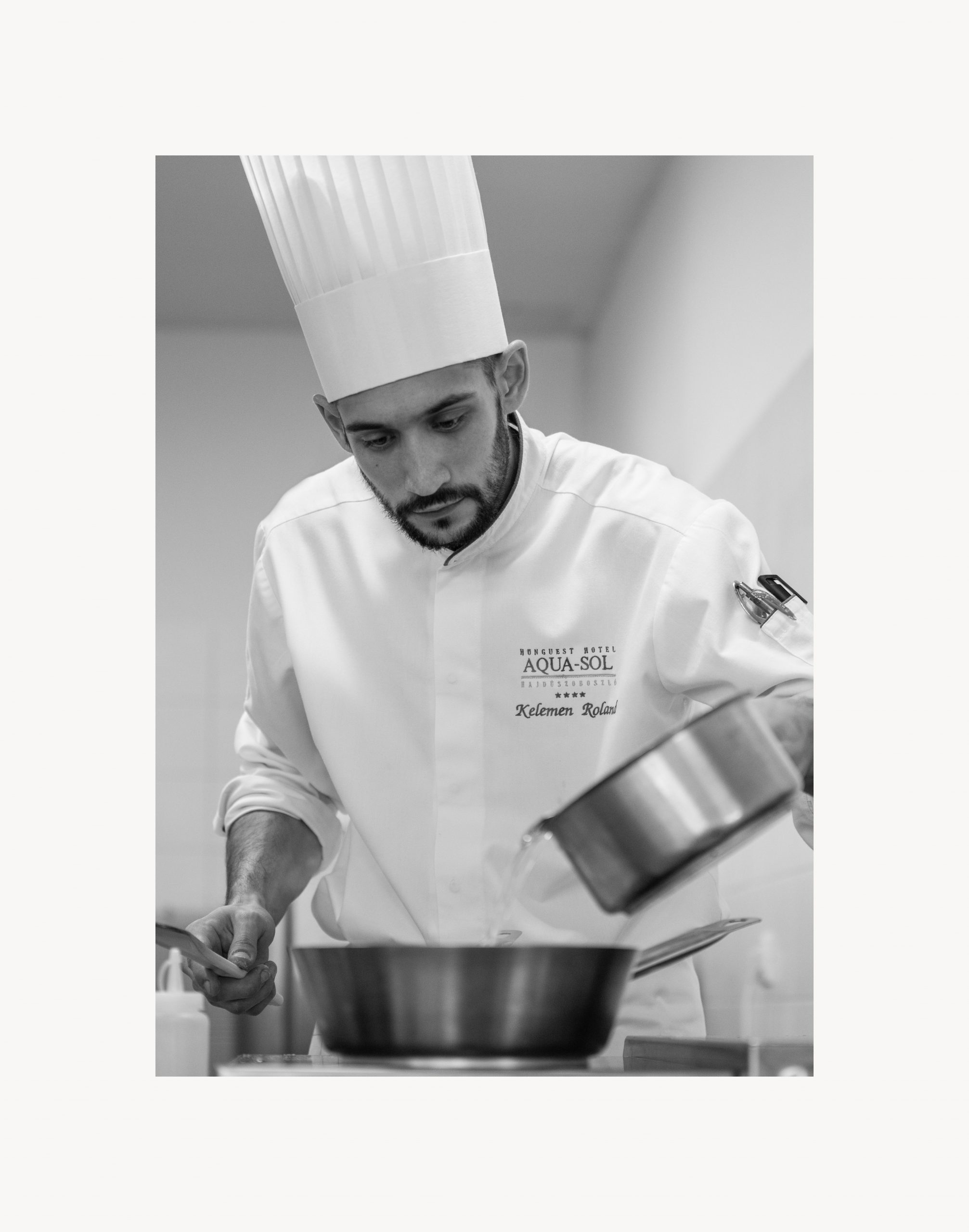
Photo: Hungarian Bocuse d'Or Academy
How was your preparation for the competition?
- It means a lot that I have already competed in the Bocuse once. The time to prepare was short, so I had to push hard. Noel quickly got into the routine and Adam came to help a lot. And even my fiancée contributed a lot to the preparation.
How did you relate to the specific raw materials?
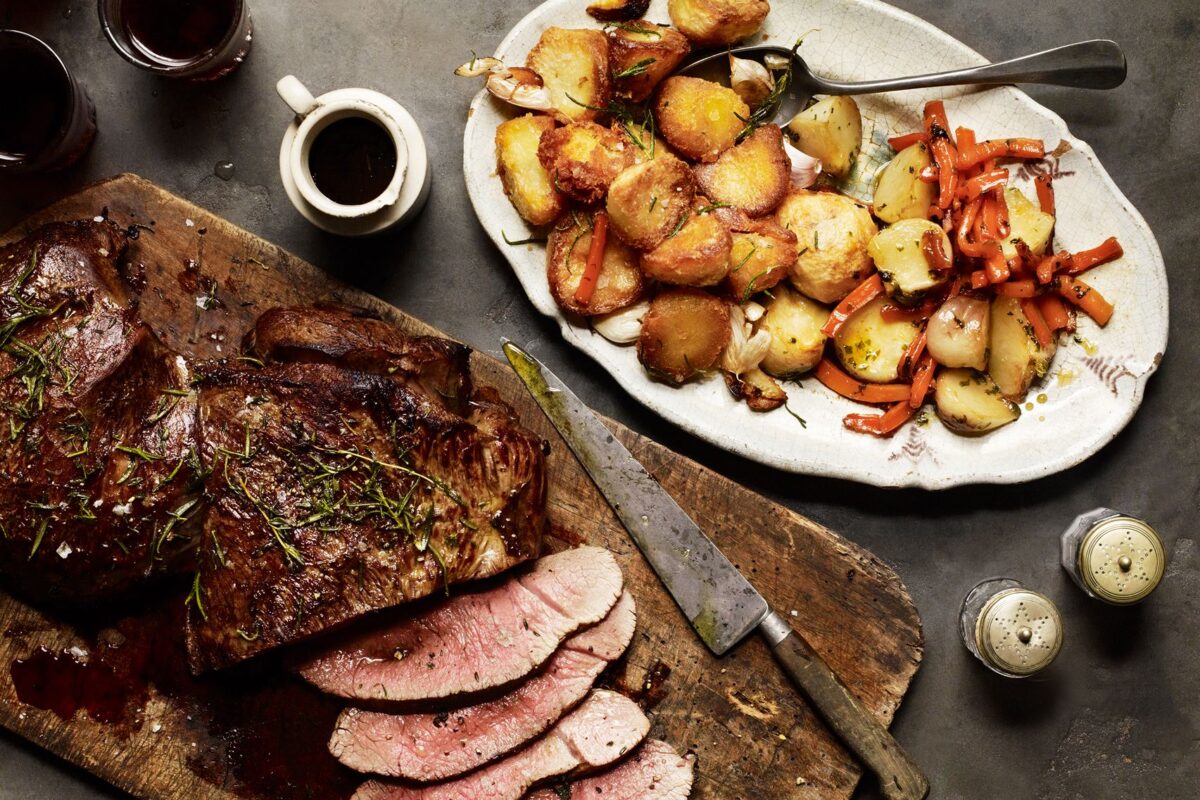
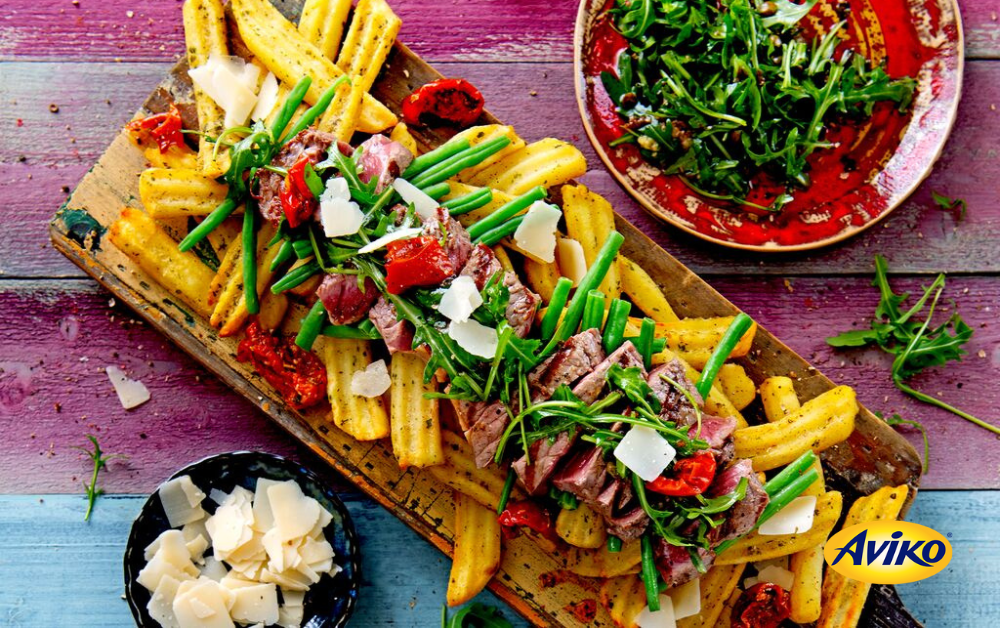
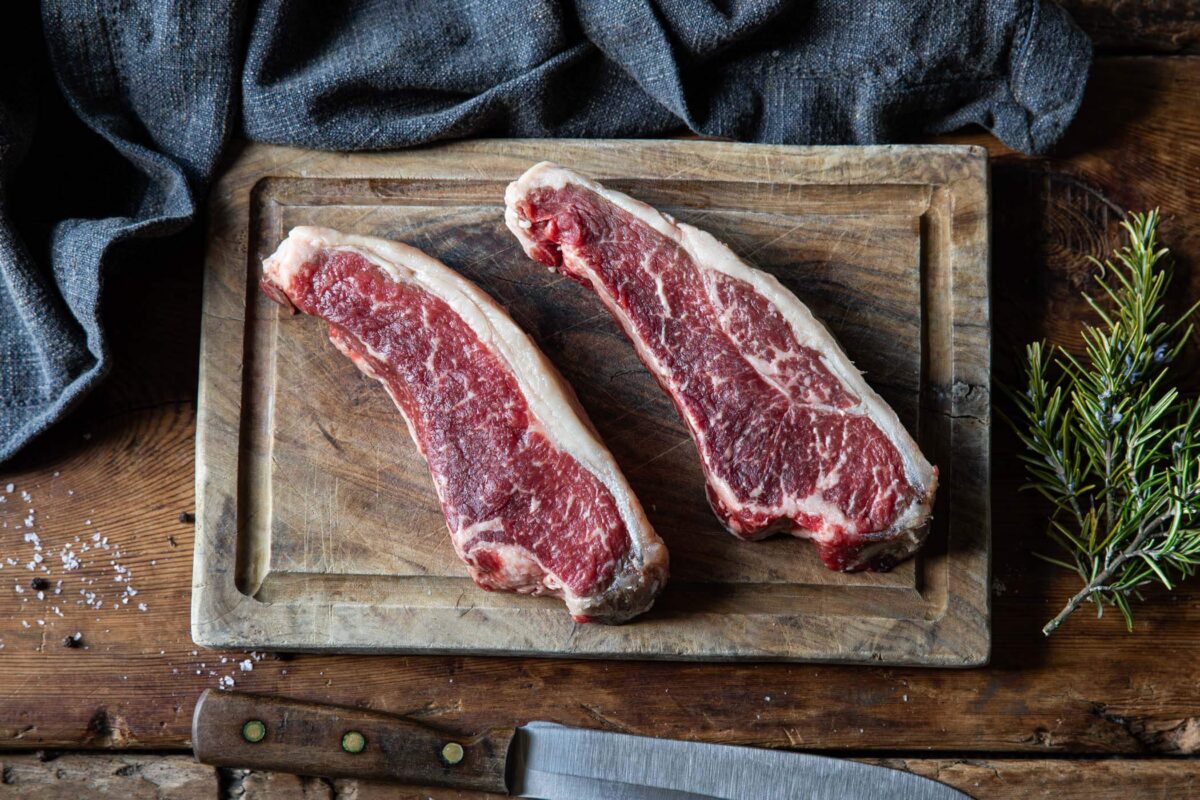
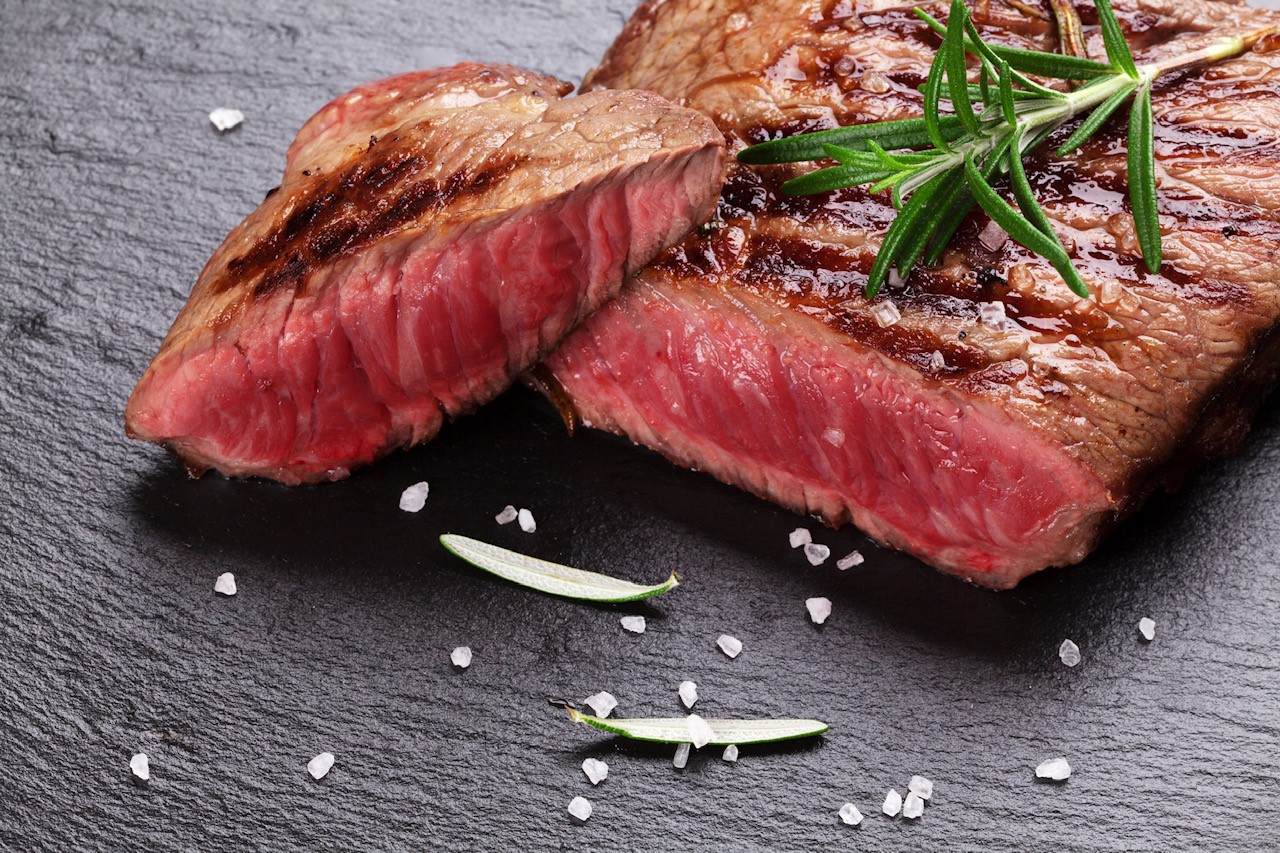
- I have to be honest, for me the carp was not easy. It's not my favourite ingredient, but as I wanted to improve, I didn't want to make a simple dish with it. I was lucky that Noel, who lives almost on the shores of Lake Balaton, knew the ingredient well enough that we could overcome this obstacle together. So we also split the courses, „carp came out well”. However, the tarja „lay” quite well, especially as it was sourced from here, around Debrecen, and I work with it a lot in my everyday life. And if you look at the surprise ingredient, chives or more commonly known as chives, it was easy to incorporate, as green herbs usually are. The particular raw materials may seem simple, but they are not. Tenderloin is a high-fat meat, and the fat in it is a flavour carrier. It had to be prepared in a way that would not be a chore, and that would be suitable for such a prestigious competition. So we cooked it a lot, and in the meantime we were striving to perfect the dish.
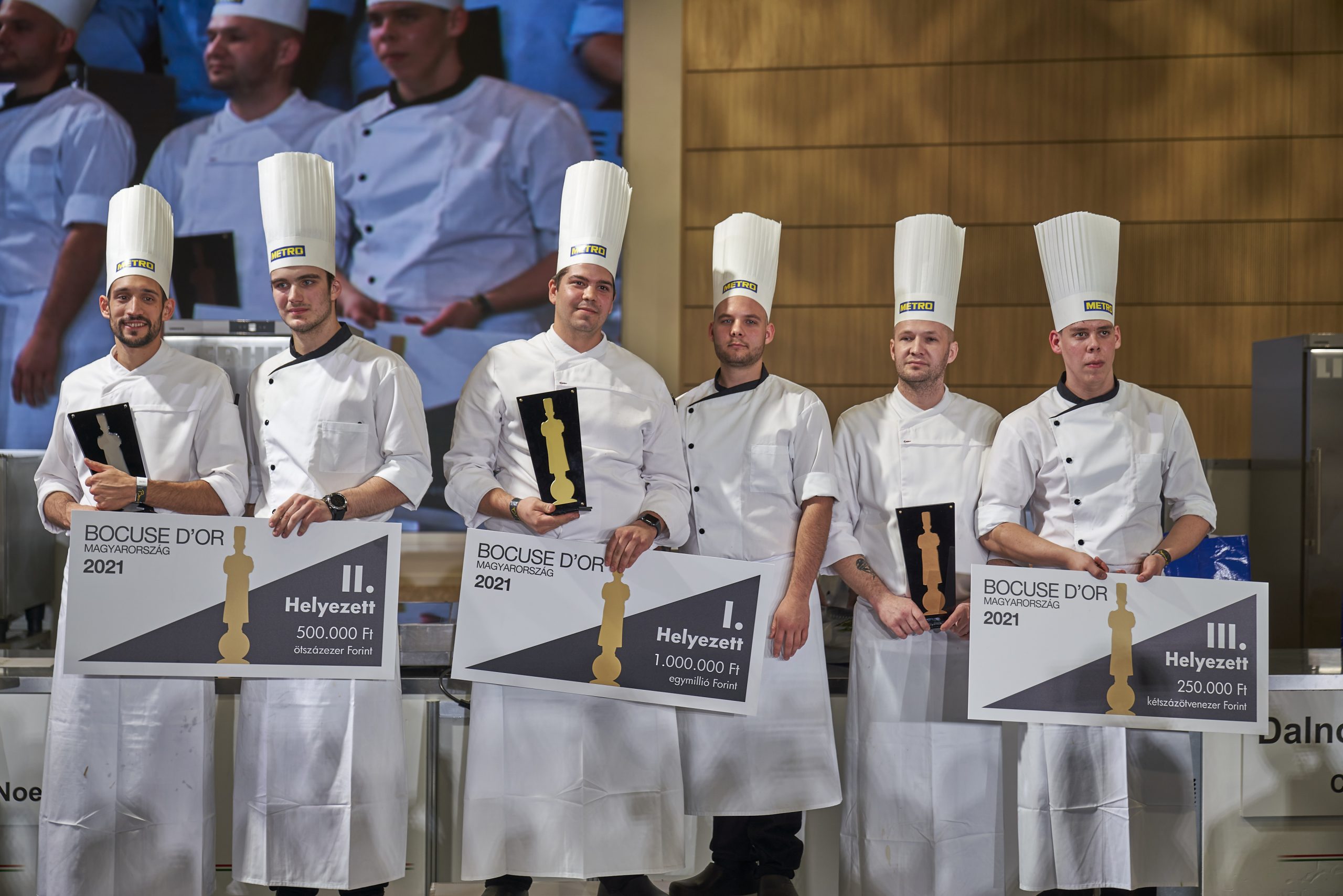
Photo: Hungarian Bocuse d'Or Academy
Was it a relief to have to make a restaurant display?
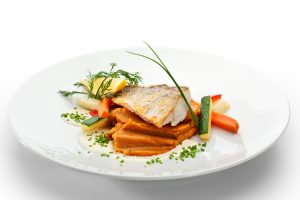
- Not at all. The difficulty was that we had to serve two fish dishes. So we made a yin-yang plate. On one plate was a fish salad, and on the other half of the plate I made a mushroom roulade with the fish, stuffed with fish sauce, and served it with a side dish of leek and eggplant tart with fish milk.
How did you manage to complete the race in time?
- Fortunately, we managed the cooking time perfectly, so we had time to check everything. There was enough time to clean up and tidy up, so we were able to use the time well and efficiently. We had to be very careful with the serving, which had to be finished by fixed times. For the meat, we slipped into the grace period, but I was like, it's okay if that happens, as long as it's served perfectly.
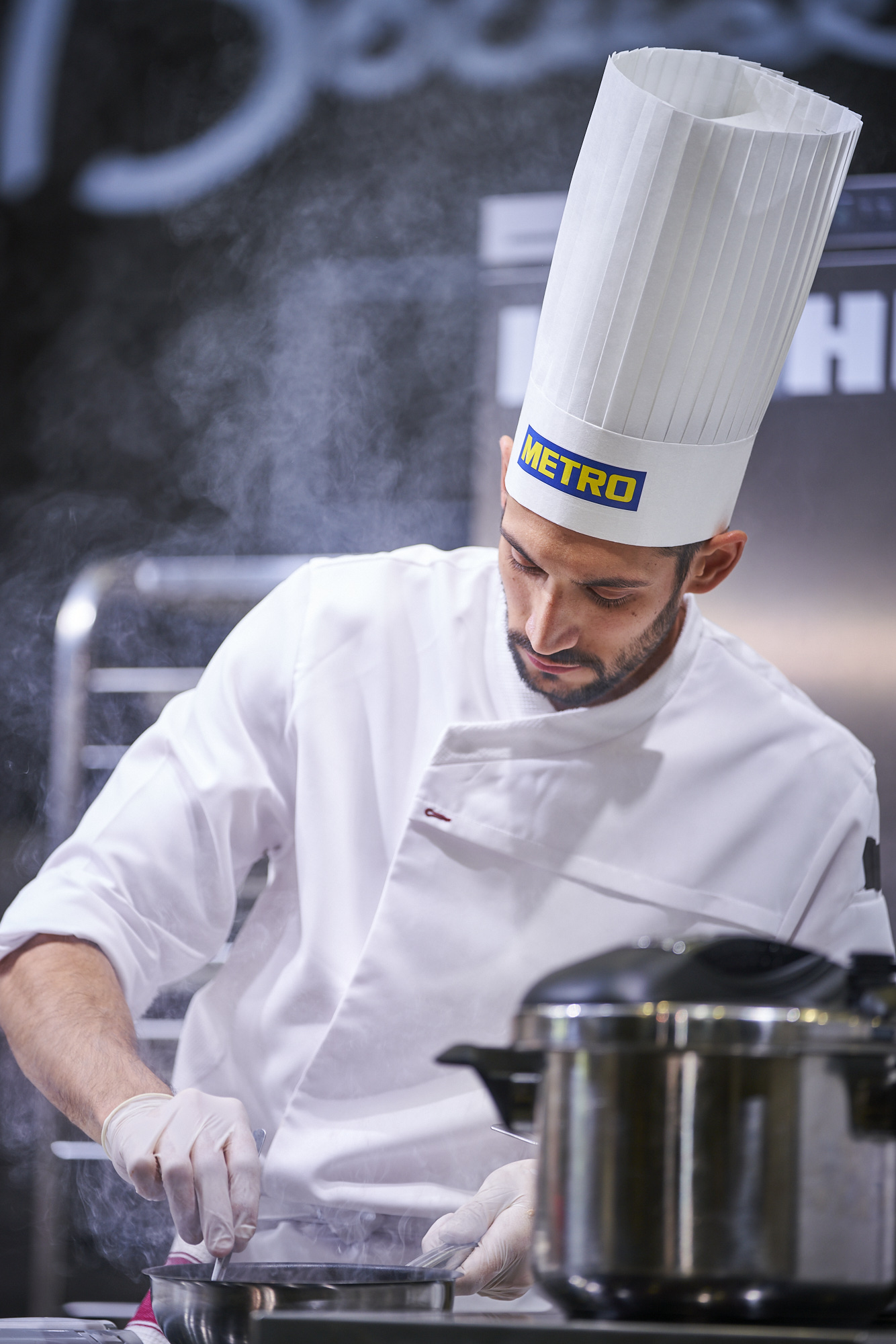
Photo: Hungarian Bocuse d'Or Academy
The race is over, we have the second place for the second time. What next?
- I will continue working at Hunguest Hotels Aqua-Sol after the competition. I love to cook, I love to grow and I still feel the strength to keep going. The important thing for me is to improve, because in this profession there is no other way. I would be very happy if I could become a star, outside the country, especially in Scandinavia, who see a completely different dimension of the gastronomy. This competition is a confirmation for me that I have a place in the profession and that what I do is good. I have been able to keep the results I achieved in the previous competition, so I definitely want to continue on this path. I would still like to get out there and compete with the Scandinavians! #
Source/ Author: Airchef Tamás Budafoki
Photo: bocusedorhungary
Szabolcs Dudás, chef, Mother Told Me Restaurant: the season has saved catering
It's extremely healthy, but we eat surprisingly little of it