




Most European nations have their Christmas Eve meal on Christmas Eve, and on the eve of the birth of Christ, the menu is traditionally meat-free. Although this kind of abstinence is no longer expected by the Catholic Church, some people still eat only fish on this day. However, Christmas is also about laying the foundations for the abundance of the coming year.
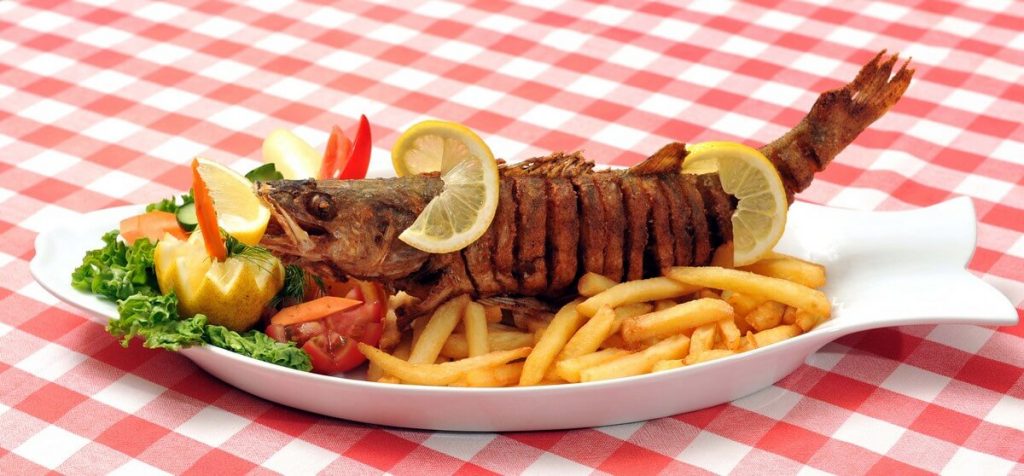
Folklore has it that eating fish, like eating cabbage, will make you a little richer, as the scales symbolise the coins that will roll in the coming year, but also the good harvests that are expected. Just to paraphrase: we put lots of poppy seeds in our egg rolls for similar reasons, and we eat lentils on New Year's Eve for the same reason. It's also worth eating fish, because the animal's rapid movement helps those who eat it to get ahead in the New Year.
For centuries, Christian Christmas has included fasting, which lasts until midnight on 24 December. Only vegetables, fruit and pasta were allowed. The wealthy are said to have avoided this by eating fish and frog's comb were also put on the festive table, as these were not considered meat dishes. The tradition comes from Jesus making the apostles fishermen on the shores of the Sea of Galilee. Fish then became the most important symbol of the converted and baptised man, along with the cross. Interestingly, in Hungary, the custom of eating fish at Christmas has only been around for about 150 years, thanks to the Germans and Austrians. The fried fish is a dish that was adopted from Vienna, and carp is now almost unmissable at this time of year fish juice.
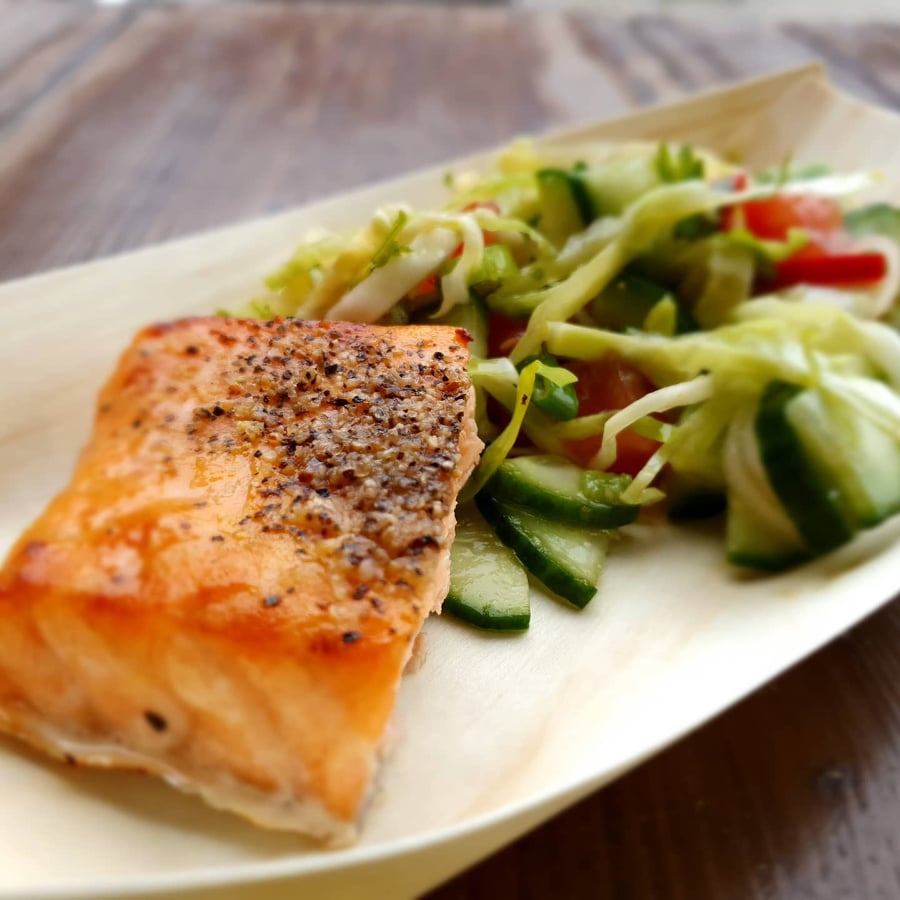
Although fish is delicious and healthy, for most Hungarian families it is almost only on the table at Christmas. Yet this meat could play a significant role from a nutritional point of view. It is an important source of vitamins and minerals, a complete and easily digestible protein. Fish should be eaten two or three times a week, especially fatty and semi-fatty fish, because they are rich in omega-3 fatty acids, which are essential for the prevention of cardiovascular diseases. Carp are the most popular at Christmas, accounting for three quarters of total consumption. Increasingly popular greyfish, a perch and the trout, but many people also buy marine varieties at this time.
This year, fish is 10-20% more expensive due to the rise in feed prices, but traders say that fish sales are still higher than usual. Although statistics show an increase in domestic fish consumption, from 4.5 kg per capita per year to 6.7 kg, we are still well below the EU average of 20 kg. The reason for this reluctance may be that, for example, fish soup is not easy to prepare and perhaps the family is tired of fried carp. But there are other ways: fish can be fried, grilled, wrapped in fur or even made into a paprika sauce. After a delicious catfish stew served with cottage cheese choux, everyone will be licking their fingers. Or you can wrap it in bacon and put it in the oven to cook with the vegetables.
Going back to folklore, fishermen used to put their nets under the Christmas table to ensure a good catch in the coming year. The breadcrumbs were not to be beaten down and had to be left in place until the day of the Epiphany. Even after that, they were not thrown in the garbage, but scattered at the base of the trees, because Christmas crumbs promised a better harvest. And the tablecloth itself also had a role to play: in many places it was sown from it, in the hope of a better harvest.