






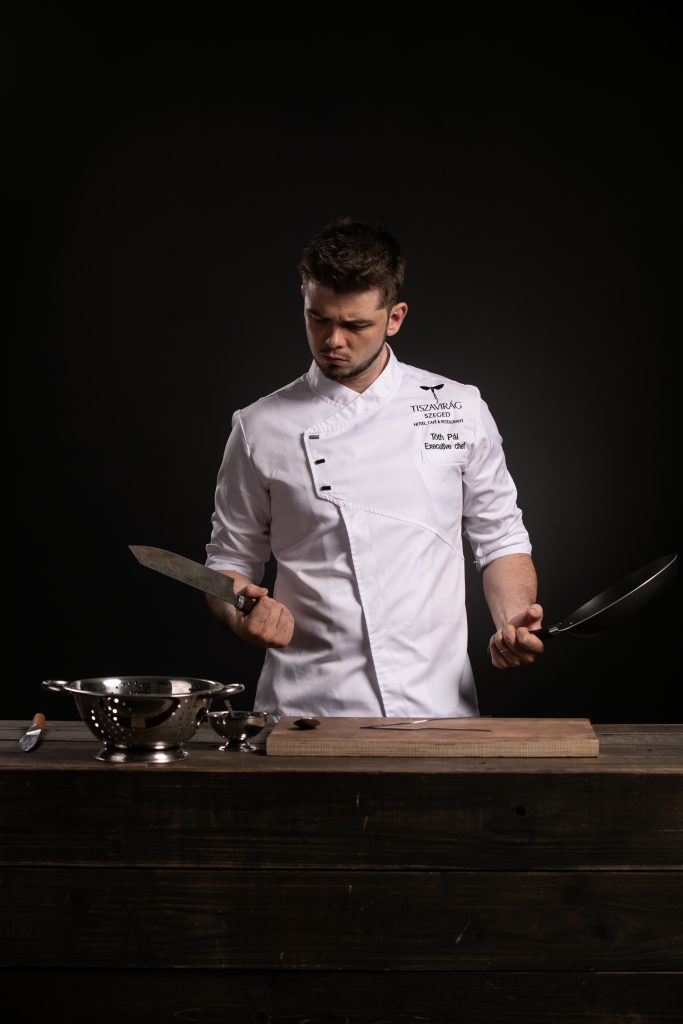
Many say that rural restaurants can save the Hungarian gastronomy. Partly because the hospitality industry, which specialises in the capital, is struggling to cope without tourists. However, those restaurants that have established themselves in rural areas have largely built their concept on the local audience. This is exactly the case at the Tiszavirág restaurant, where the young talented chef Pál Tóth runs the kitchen.
- How did you end up as a chef, regardless of your young age?
- I've been to a lot of serious restaurants and equipped myself with the knowledge that will take me forward. As a result, I've absorbed the knowledge almost on my own in different kitchens, and of course, I've also completed culinary school. I spent a very intensive period abroad - at Steirereck - and ended up learning exactly what I needed - and achieving the position of chef.
- Why don't you work in Budapest?
- Somehow my life has turned out to be in the country restaurants. But I don't miss the catering because I simply feel comfortable in this environment. I've had a few dinners in Budapest, but really, everyday life has always been tied to the countryside. It's hard to put it into words, but rural market browsing, buying materials, is a special pleasure for me. I was still working at Kővirág, in the Balaton Highlands, when I got my first offer from Szeged. There were also places in Pest that eventually called me, but somehow I think the countryside is more direct, more people-oriented, and I feel more at home in this atmosphere. In the end, the stars aligned so that I applied later. At the moment I run the Alabárdos Bar Restaurant and Wine Bar in Szeged and next to it we are seriously building the Tiszavirág restaurant, which represents a really serious gastronomy.
- This in turn meant that you had to build yourself up „again”, I suppose.
- In fact, not just myself, but a whole team. The first weeks were spent with interviews and rehearsals. It was not easy to put together the kitchen brigade. Nowadays, unfortunately, the labour situation is catastrophic and, I dare say, a lot of restaurants can't even open. There are simply no people. And a chef cannot be a chef without a good team. I also make a lot of compromises every day. If I expected what I wanted from my people, I would be working in the kitchen all by myself. I'm lucky that there are not many restaurants of our calibre here in Szeged, so that attracts chefs. Of course, you can't get ready-made people, you have to work with what you have and train the chefs continuously.
- How are you doing on the raw material issue?
- Although many suppliers have improved in quality, it is still not possible to buy everything from Hungarian producers. Of course, there are some excellent Hungarian raw materials, for example, I have worked a lot with sturgeon from Keszthely in the Balaton highlands and I bring it down to Szeged. But the same goes for Angus beef from Balatonfenyves and Vászoly cheeses. In my kitchen, the way I express the landscape and the seasonality is to go to the market and find the specialities.

Recently, for example, I saw lemon and red sea buckthorn, which I have never seen before. I immediately bought the whole batch and acidified it. I also love home-grown batches, I specifically look for them at the market. Homegrown mushrooms, or fresh spinach from the farmers. I use these by incorporating them into the menu. However, as everyone has experienced, if you order a batch of strawberries, for example, they are a nice red colour, but have almost no flavour. On the other hand, if I go to the market and buy the ones my aunt picked in the back garden, they are honey sweet! The differences are huge.
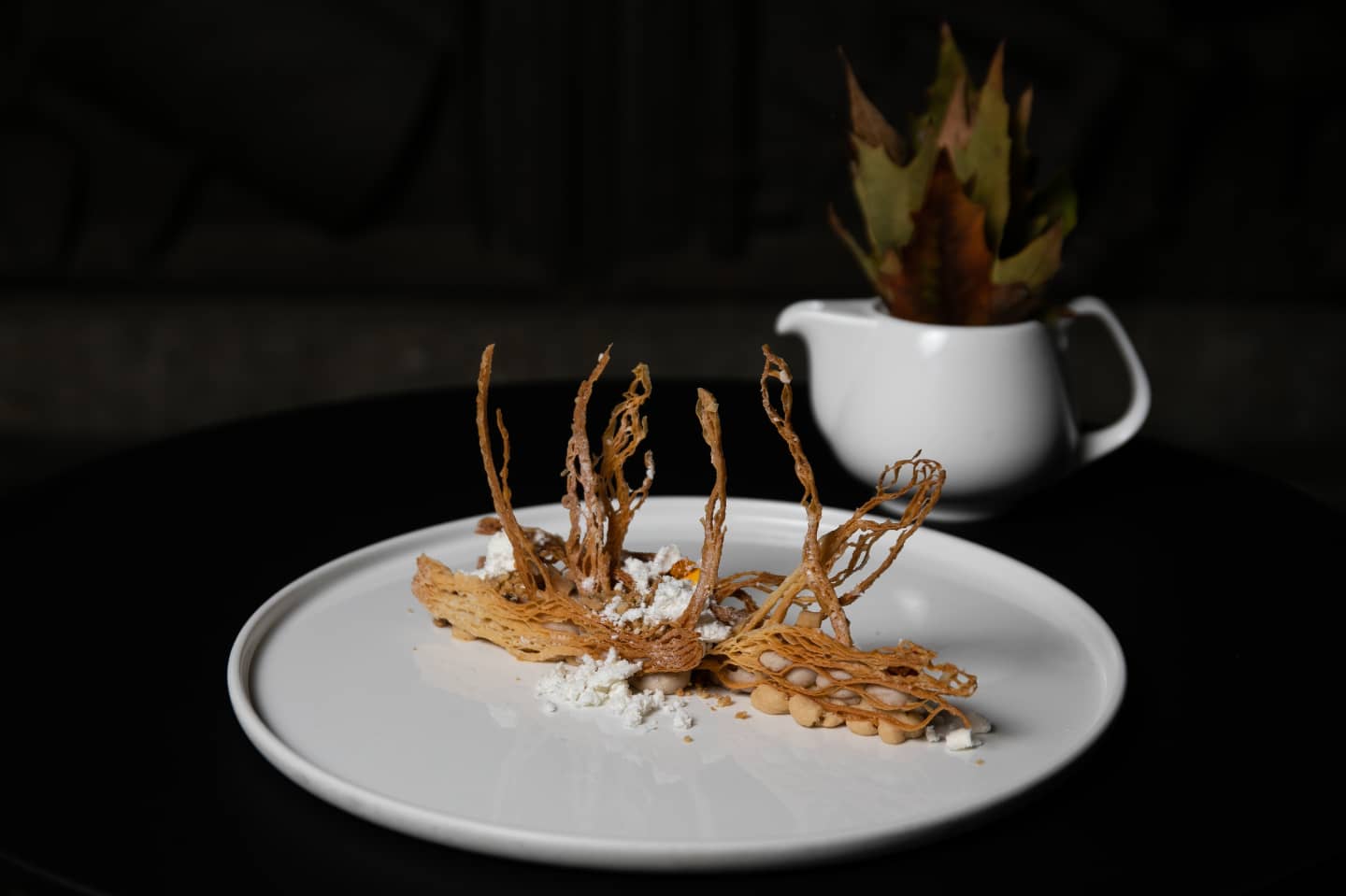
- Basically, your kitchen has always been characterised by a closeness to nature. You seem to be carrying that line now.
- Yes, it is coming back now. I think there's a feeling of always changing the menu according to whatever ingredients I can get. With fresh unique items, which we don't usually have a lot of, we can add extra flavours to the dishes that always make it interesting. That's the charm of local ingredients, but you have to know how to use them and always think of the best ways to use them.
What are your objectives for the restaurant?
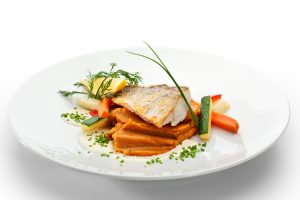
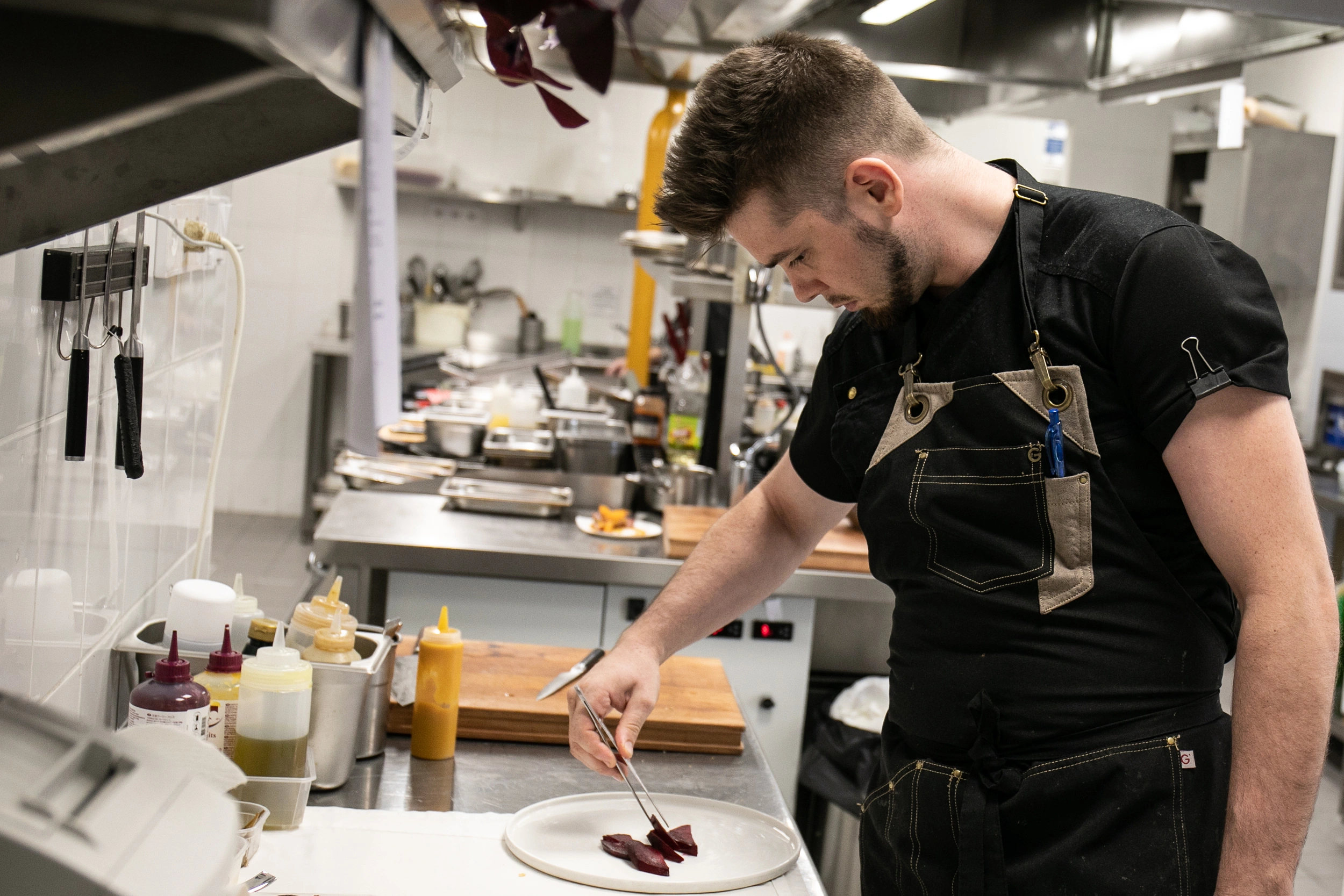
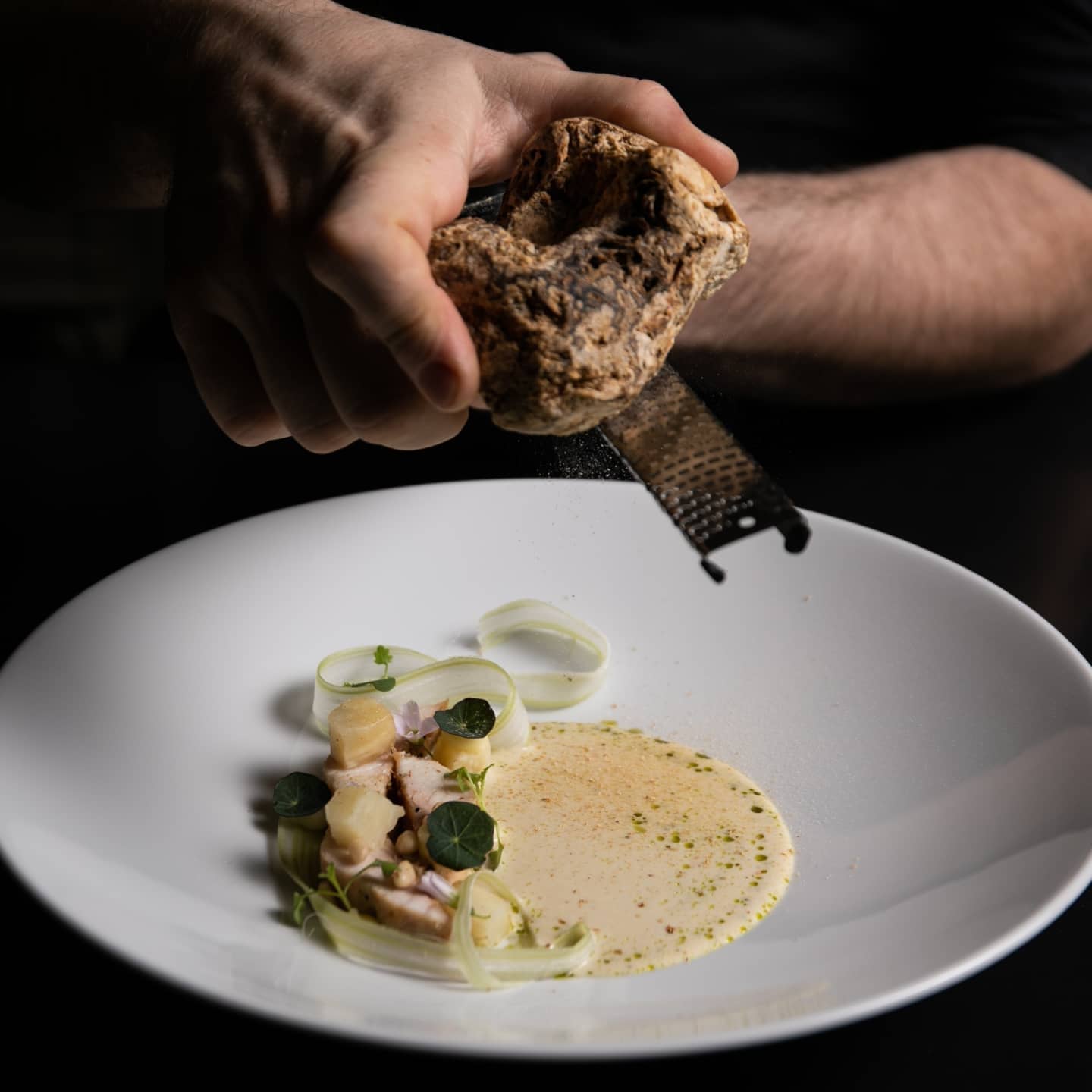
- As we've discussed, the ingredients are important, the flavours are important, and for me, the look of the food, the presentation, is very important. I pay a lot of attention to that. I think it's important that when a dish is put in front of a guest, it can amaze them just by looking at it. Add to that the „stunt” of hiding the dish in the table service - pouring the sauce on it in front of the guest, or grating the celery on the dish. In my opinion, it is necessary for part of the show to make your jaw drop from the start, even before you have tasted the food. It's all about the fine dining experience, and with that we can set the mood for the beginning of the meal. The restaurant has been open for six months now and we're working towards becoming a significant rural restaurant. To do this, I've been given enough space by the owners, thank goodness, to let me develop and work. This is extremely important to me!
- The Christmas season is here. How are you preparing for one of the busiest times of the year for hospitality?
- Of course we are preparing. I am happy to say that we are full of events. There are days when we have two events with sixty people. As far as Christmas packages are concerned, there are none at the Alabardos, but there are at the Tiszavirág. We have put together a so-called Christmas pack and are preparing the inevitable bejgels and cakes for guests who want to take them home. We are going with the Alabardos and we are concentrating on that. We are planning to open Tiszavirág next year. We don't do real home delivery, but I'm trying to put the menu together so that there are customers at all times of the day. We have a weekly menu that changes every week, we also have an a la carte menu, and recently we started a 10-course degustation menu.
- How do you see the market situation, how many customers are there, as the market is very price sensitive.
- I think we are making very good progress for the situation. We basically have a full house on the weekends, and on weekdays we have a good number of guests, if not always. That there are price-sensitive guests is true. I think we are good value for money and I have consciously tried to put the pricing together so that we are not just a one-off restaurant. It's important that people come more often and take our reputation with them. Price is one of the most important pillars of that. I think a good thing for a restaurant is to have a buzzing stock, kitchen and pitch. Of course, this varies from region to region. Here in Szeged I have now found out what people like, we are building mainly on the local audience and of course we can count on gourmet travellers.
- In your opinion, is the gastronomy-savvy guest base starting to grow?
- I think a lot of people have the wrong approach to fine dining and make very abstract things. I feel like I've been able to find a way that's easier to understand. I make a lot of avant-garde food, which of course has a lot of surprises and a lot of twists. I'm playful and I try to make the flavours I present understandable. Visually, I put myself, my expression, into it. For me, a plate is like a canvas for a painter. You create on it and I realise myself in the forms and colours.#
Author: Tamás Budafoki
Photo by Pál Tóth