






Many misconceptions, legend, and there are plenty of posts in the social media on how to professional, or prepare the meat at home. Of course you „just” have to fry it! But in the science of cooking, especially for quality meat, even the professionals are not as knowledgeable as we think. Given a slice of meat, given a baking tray, and there you go? Not at all!
A Article from expert: Dániel Tőkés Chef
1 Rule: What meat to buy
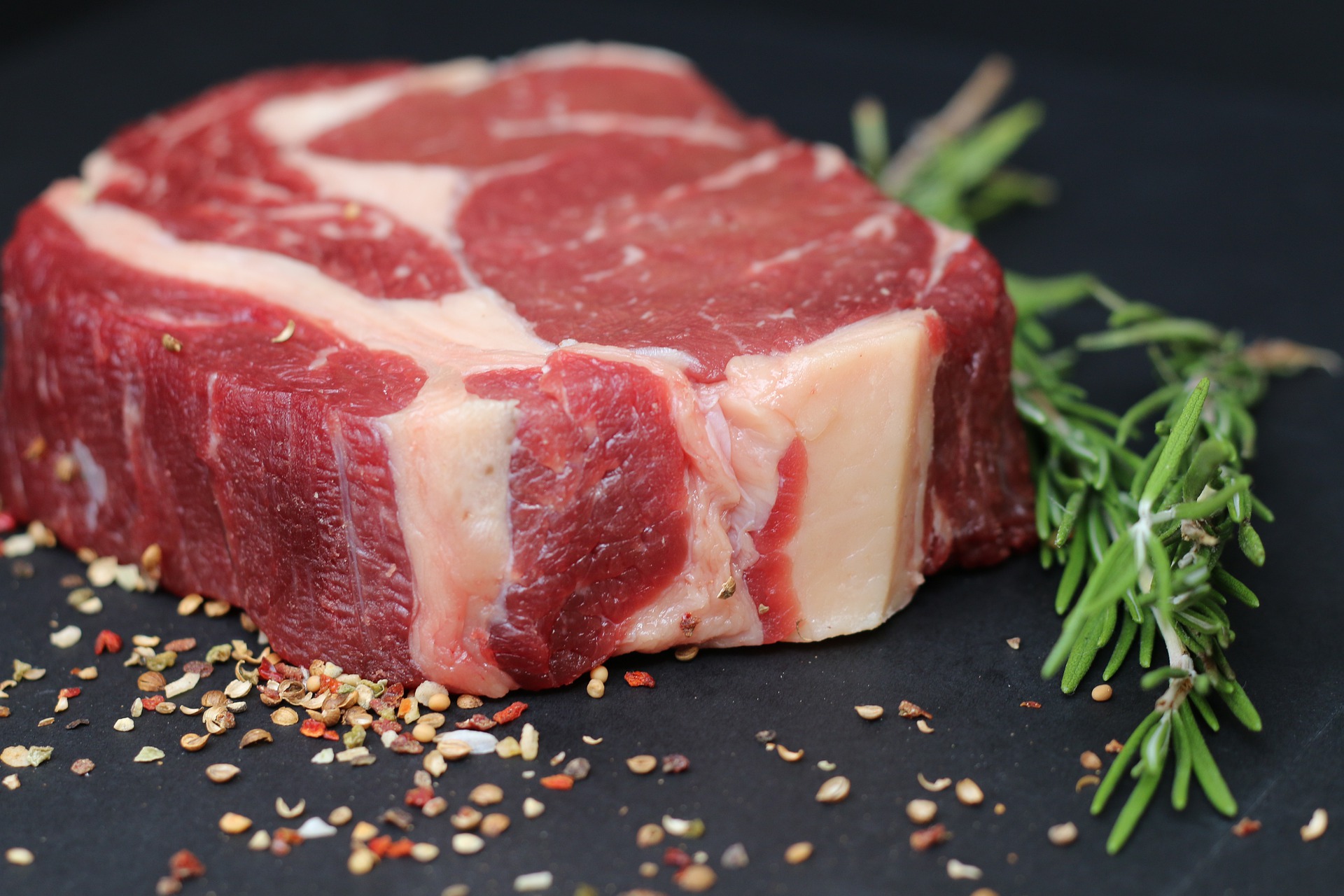
The first and fundamental rule is not to go to the supermarket to buy meat, as you cannot get any authoritative advice there. Either start looking for the right ingredients in a specialist shop, or get it from a dealer who knows what he is doing. So the first and most important rule is to buy meat! If you buy a steak at rib-eye prices and start cooking it, don't be surprised if it's no good! That is, quality, meat for steaks buy from a reliable source.
Rule 2: For beginners
For beginner steaks, whether you're an amateur or a professional, start with a simple, relatively hard-to-make steak. Or back tendon, or rib-eye! These are the parts of meat that are the hardest to spoil! When cooking a steak, the thickness of the meat is very important! A decent, really good cut of meat is at least 20-25 mm. Thinner than this is only recommended for professionals, as the thickness of the meat can save time. The thicker it is, the harder it is to mess up and experience how it behaves. For those who are more experienced, the so-called Scond Cut is recommended, these are flat steak, flat iron, chuck roll, denver steak. These are thinner cuts of meat and you have to be very careful, they can get rubbery.
Rule 3: The right tool
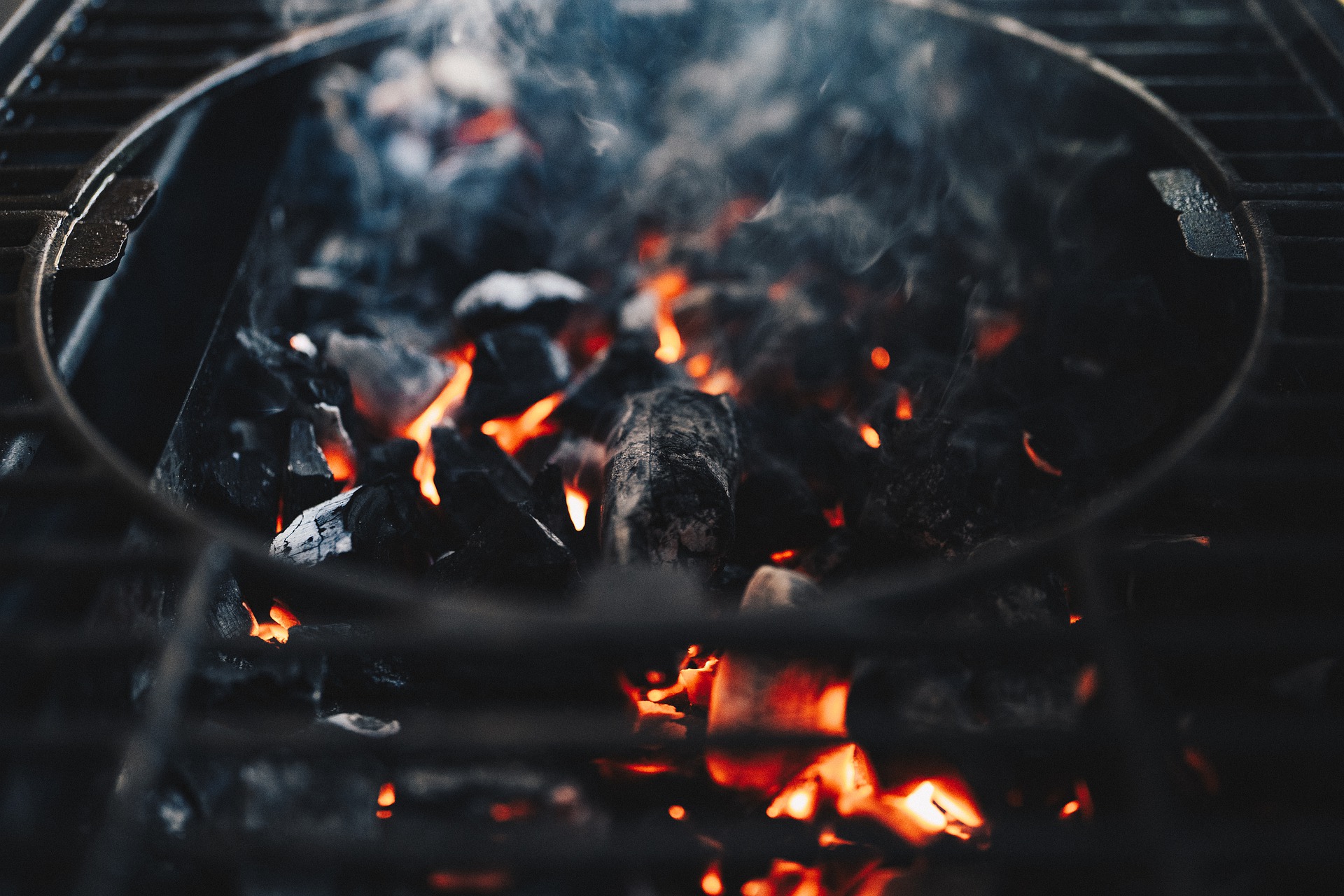
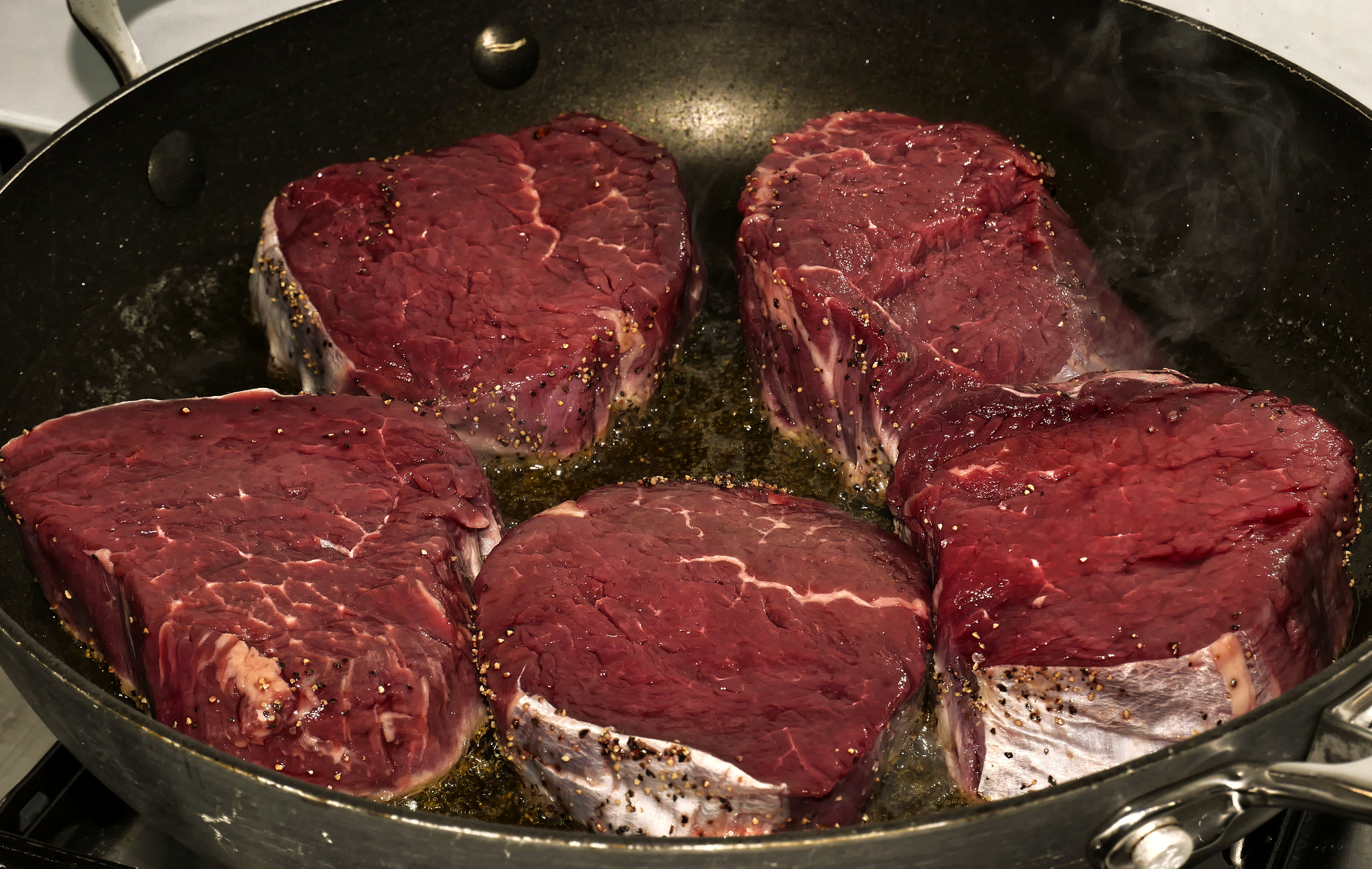
There must be a suitable cooking utensil, which is a good frying pan! You don't have to go straight for the most professional expensive iron pan. The important thing is the wall thickness of the pan, so it should be made of material, it should have the right heat distribution. The next is what kind of utensil you use it on. In most kitchens, and already in households, induction is the most common, but again it's the heat dissipation that matters. It has to be even! There's the first failure factor with gas ovens, that within six months to a year the pan will be deformed. This is because the heat is too intense. If you get it wrong from the start, don't expect good results for the meat either. So heat the pan over a low heat so that it is evenly hot all over, „almost smoking dry”.
Rule 4: The fat
How you handle your pan before cooking will determine what kind of meat you intend to work with. For example, sirloin should be cooked a little like duck breast. For those cuts of meat where there is more fat, you are actually rendering it out and it will be just enough to get it into the pan- and that will give you the right amount of lubrication. Nicely marbled cuts of meat with a nice fat distribution are sufficient on their own. However, if you have a slightly stronger, not so fatty, grass-fed, soft-textured stock, it's worth adding a little oil underneath. There are trends here too, some start with oil, some with fat. The latest trend is „all fat free” with the use of plain beef fat. The fat from the beef stew is rendered and you get that extra flavour.
Rule 5: Some spice before frying
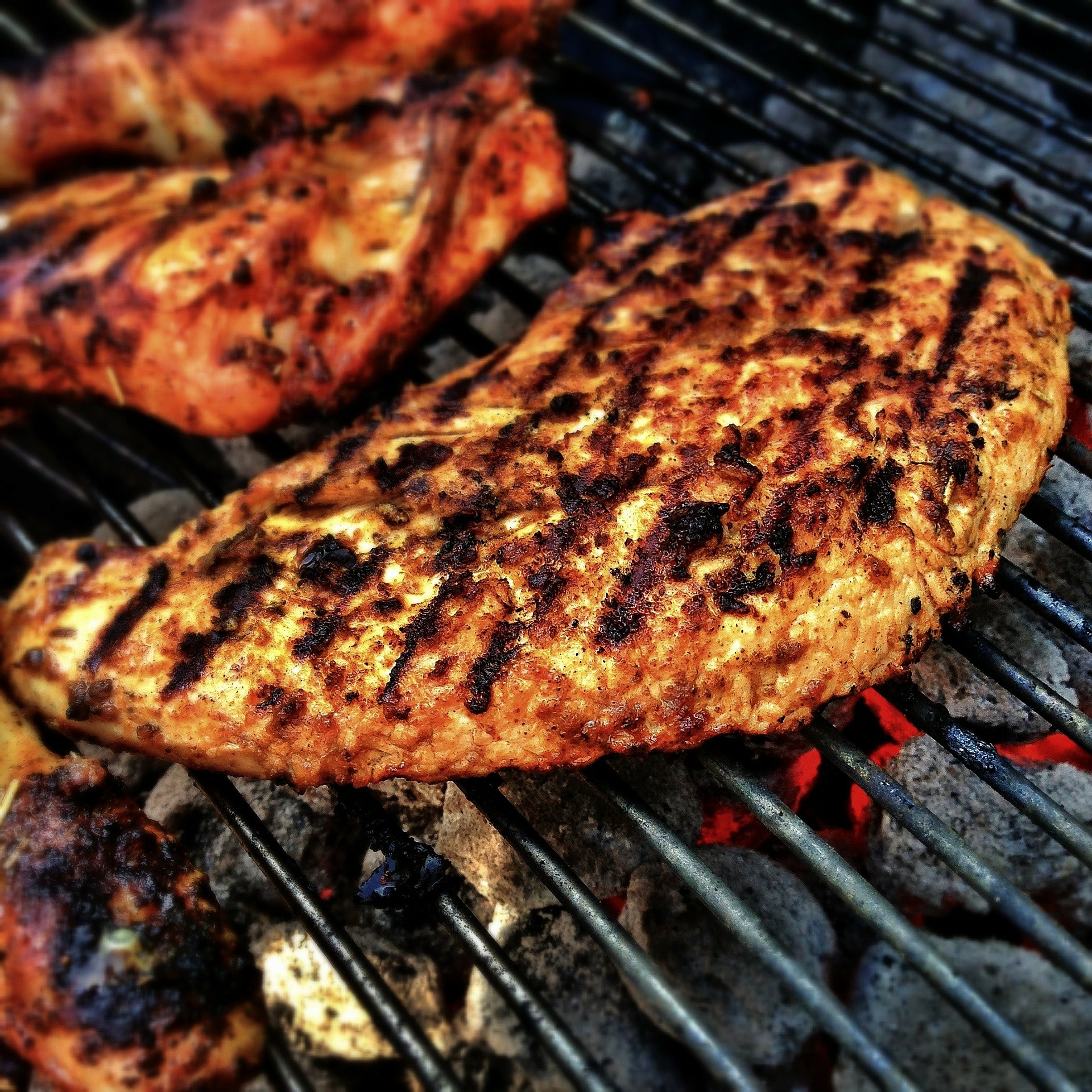
Remove from the vacuum bag at least one hour before baking to allow it to come into contact with oxygen. At this point, most good quality steaks will start to turn from a brownish to a reddish colour. A quarter of an hour before cooking, it will be seasoned with a seasoning of salt and pepper. Opinions differ on the pepper content, but if you're going to use pepper, make sure it's coarse and not powdered, because if it burns, you can ruin the whole thing! It's also a matter of taste, but you can use a very good steak spice mix.
Rule 6: The baking time
Cooking time is always determined by the size and thickness of the steak, both sides of the cut should be cooked evenly. The rib-eye is the easiest, both sides of the meat should be heated for the same amount of time. It is difficult to establish any rules here. It's completely different for an American prime rib-eye, which is 6-8 kg whole, or say a Brazilian grass-fed rib-eye, which is 2-2.5 kg. It's a matter of getting the feel for it and practice.
Rule 7: Core thermometer
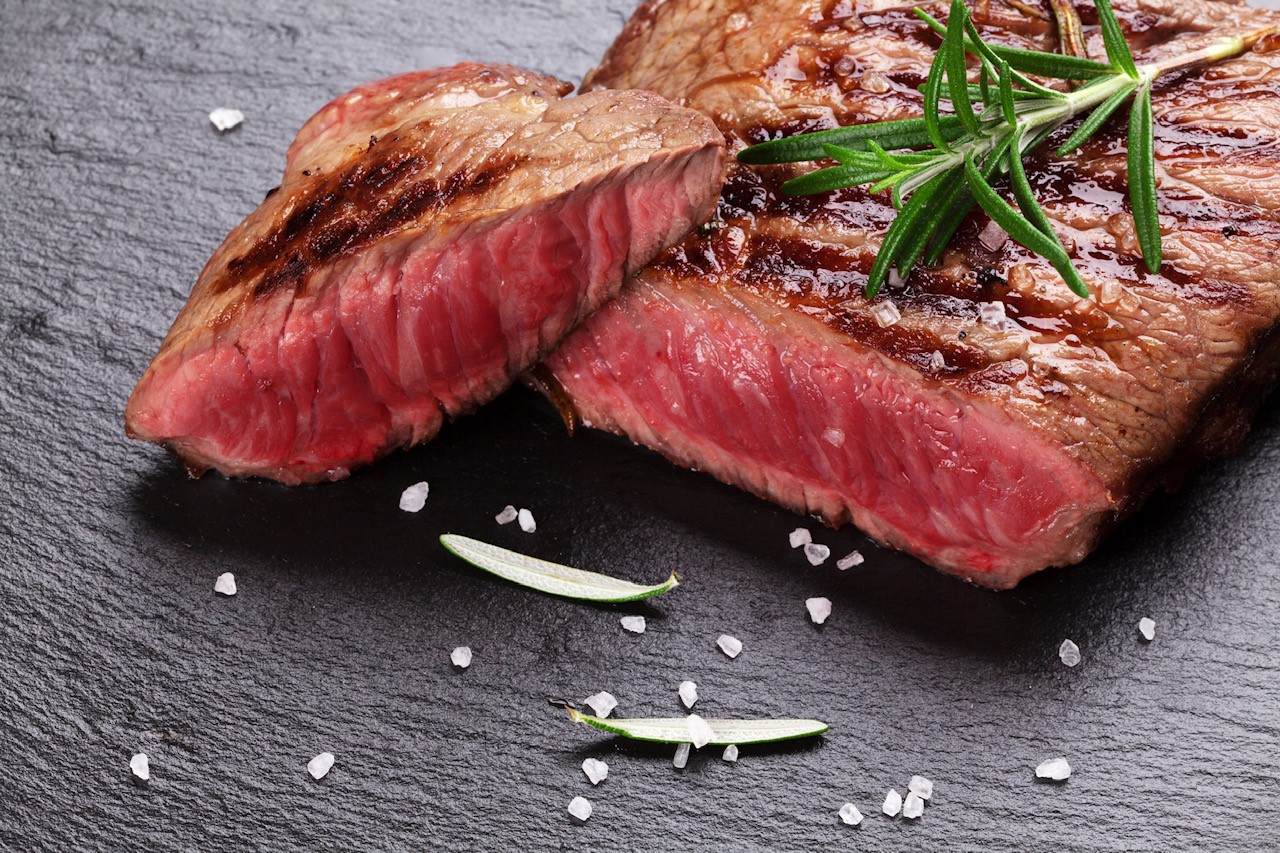
There's no shame in using a core thermometer, even the professionals do it. Care must be taken, because if you take the meat out after cooking, the cooking process will still continue. So your meat at 60 degrees, once removed from the pan, can still go up to 70-75 degrees! So, while cooking, you have to be careful not to reach the so-called (post resting) temperature, but finish the heat treatment first! So you have to lower the core heat by at least 10 degrees and determine the end of the baking! It is written in the big technical books, in small letters, that the core temperatures defined are the temperatures after resting!
Rule 8: Rest
One of the most important rules that many people forget. Officially, you have to let the steak rest for as long as you cooked it. For a one kilo steak, it can be as little as an hour. After all, it's a make or break situation. During cooking, the muscle fibres tighten up and you need to allow time for them to thaw, so they retain their juiciness.
Rule 9: Slicing
Once the right cut of meat has been used, cooked to perfection and left to rest for the right amount of time, it's time to slice and serve. The steak is always sliced diagonally, i.e. perpendicular to the grain. Otherwise, you've ruined the whole thing again, because if you slice it in the direction of the grain, it will be rubbery!
10. Serving
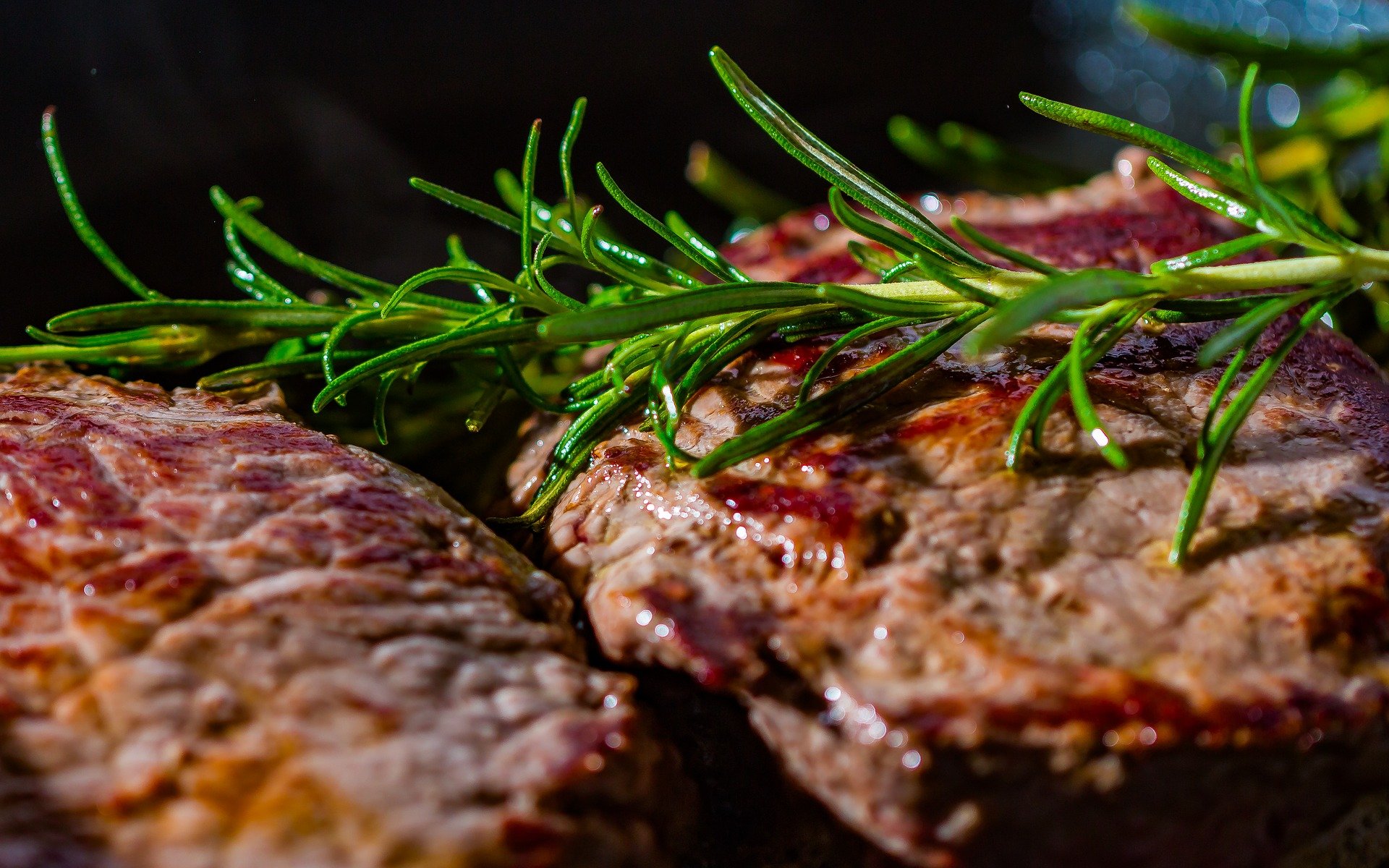
After slicing - of course, it depends on the thickness of the steak - you can add spices. This is also a matter of taste, of course. Salt and pepper always fit! Thyme or rosemary picked from a fresh herb garden is a good accompaniment. If you make steaks more than once- you can make them in advance, it's best to make a spice butter. In a butter, chop up some chives, parsley, rosemary, mix with a little lemon juice- and you can even add it while cooking.
Author: Tamás Budafoki
Expert: Chef Dániel Tőkés / Bells Boutique