






Chef Tamás Széll was one of the judges at this year's Bocuse d'Or Europe, the European finals of the world's most prestigious culinary competition, held in Tallinn, Estonia, on Thursday and Friday.
As you know, Tamás Széll won the Bocuse d'Or Europe continental final in Budapest in 2016, and then in the 2017 World Final in Lyon, he won 4th place and the special prize for the best meat dish. The Hungarian chef, who has already earned Michelin stars for his cuisine in several Budapest restaurants, was invited to chair the Bocuse d'Or Europe jury the following year and was also invited to be on the jury of the World Final in 2019.
It is regrettable that this year's race had to be postponed from May to October for the first time due to the coronavirus epidemic, and that it can now only be held in the Estonian capital without spectators, Tamás Széll said on Monday.
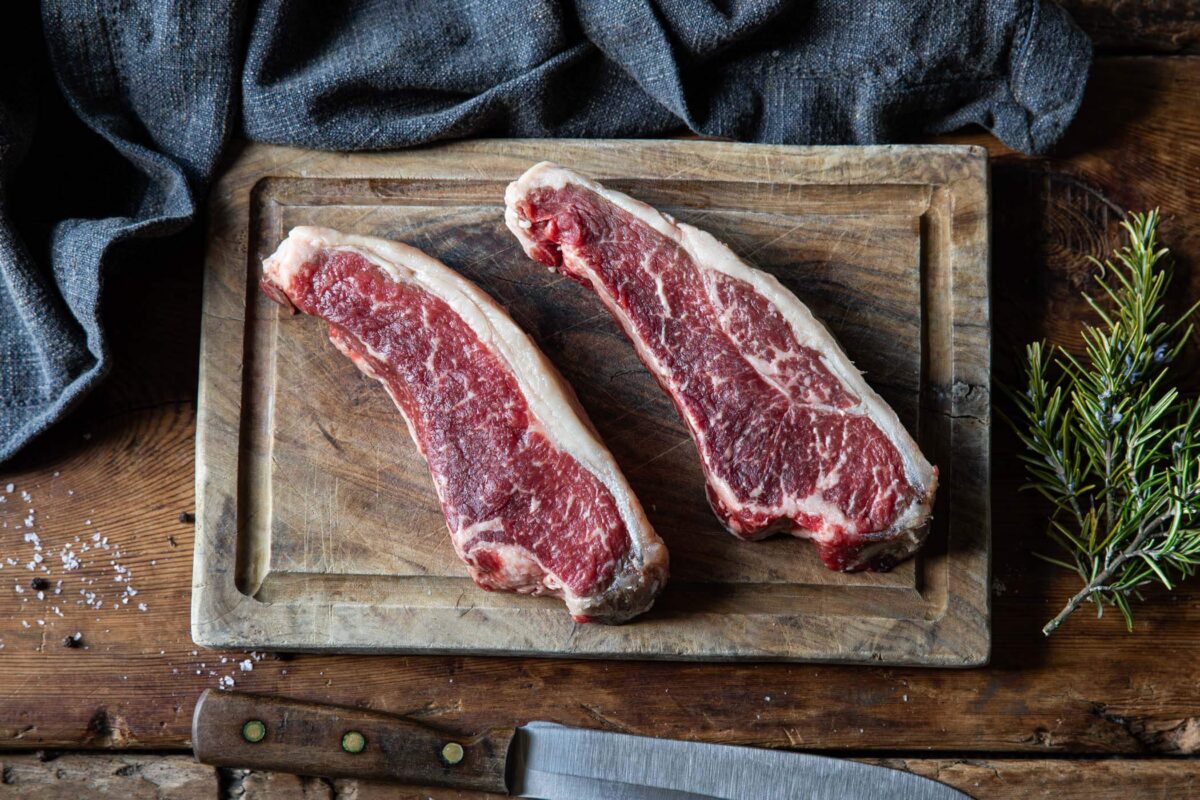
Two must-have ingredients for this year's Bocuse d'Or Europe:
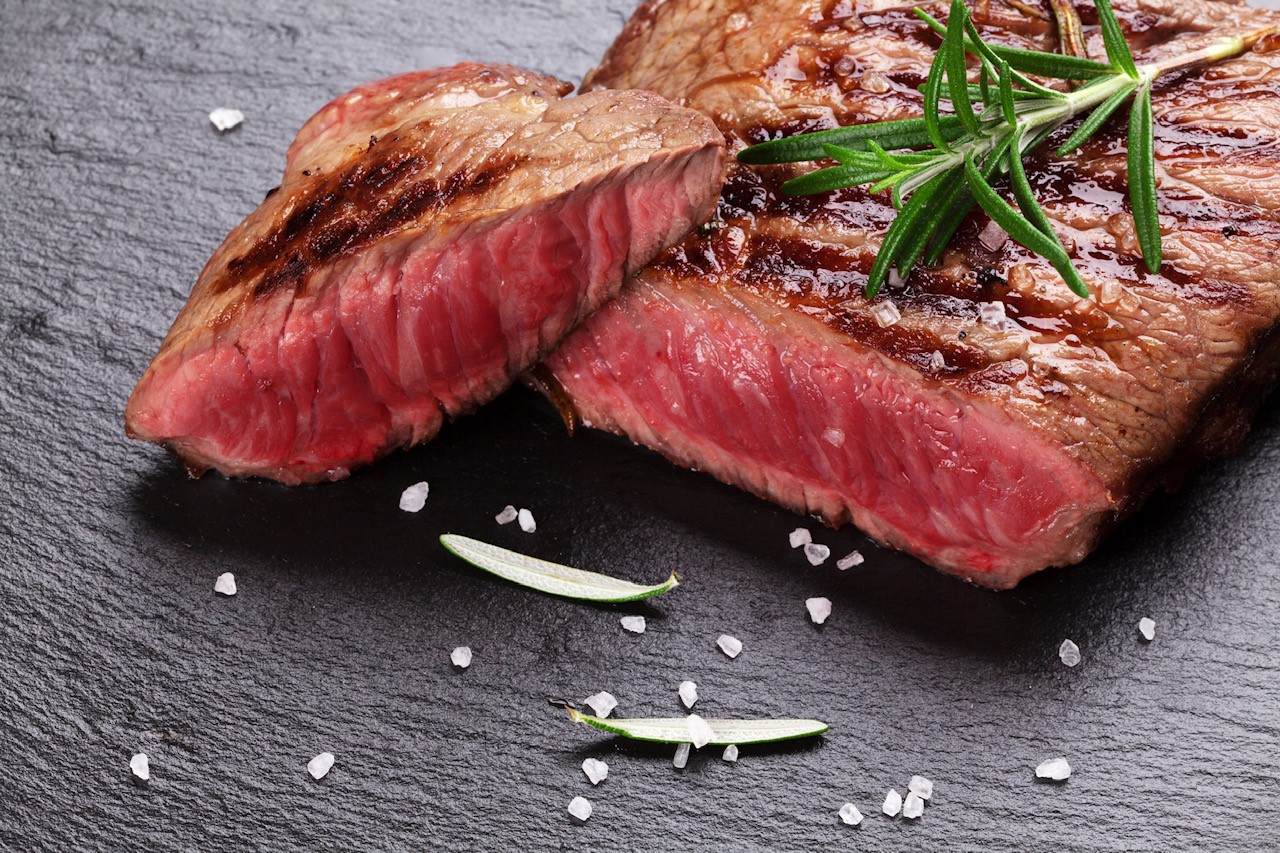
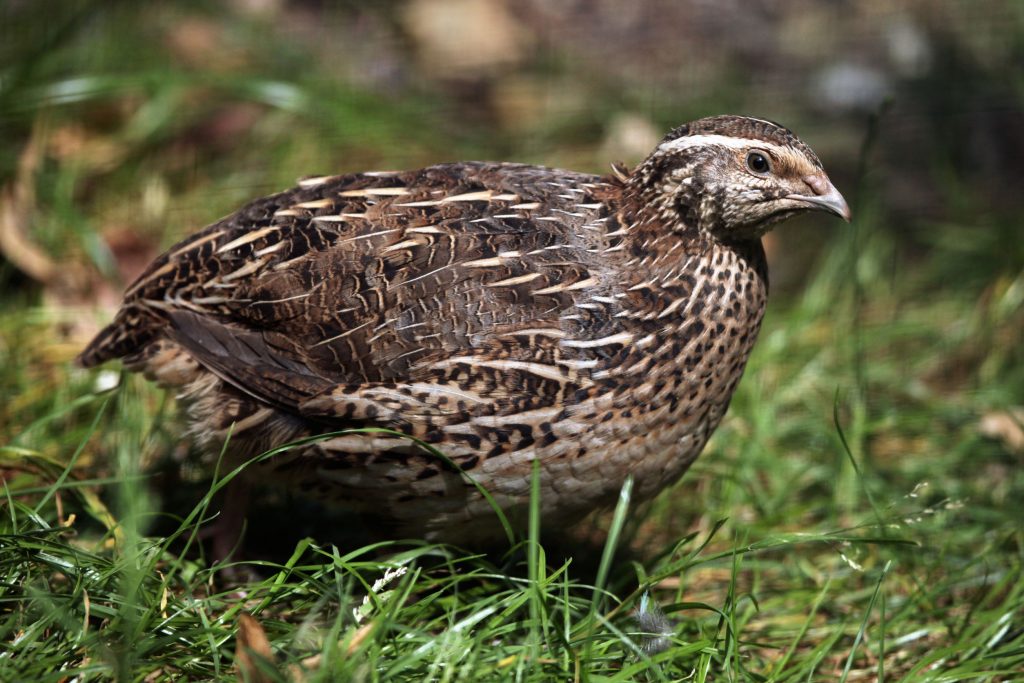
a FORJ and the AFRICAN HARCSA.
As he reminded, teams from twenty countries usually compete in the European continental finals, but this time four competitors withdrew due to the pandemic. This year, therefore, eight nations will compete on both days, with István Veres, former chef of the Babel restaurant, representing Hungary in the Friday's field.
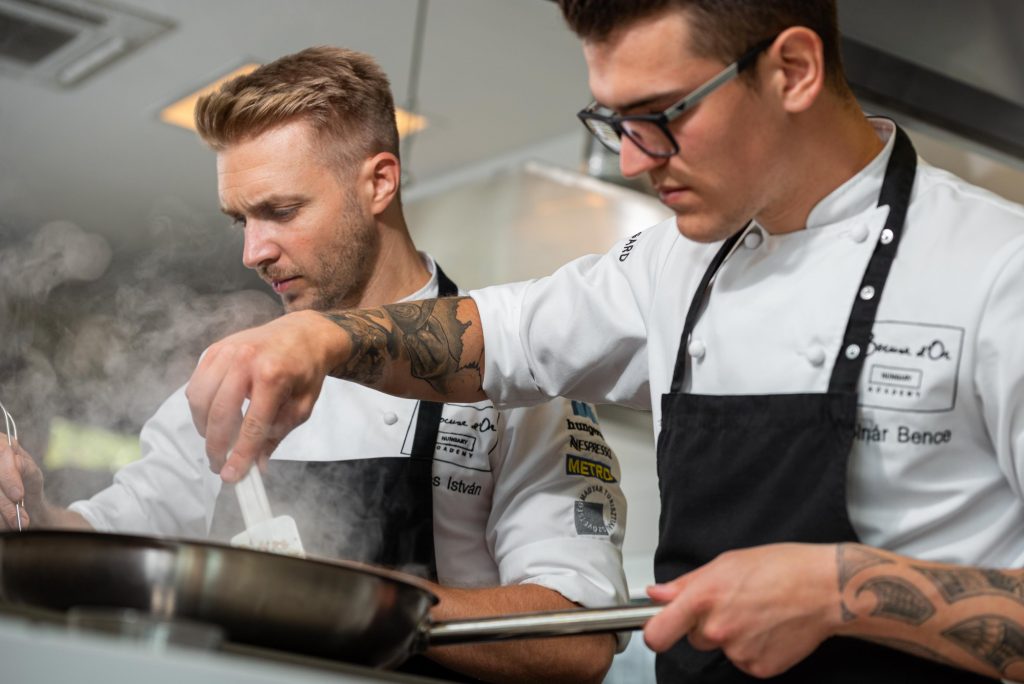
This time, ten teams from Europe will qualify for the 2021 world finals in Lyon, which will be held in June in an unusual way, he said. Each team will have to prepare two dishes: this year's meat theme will be the Estonian forj, and the ingredients for the dish served on the plate are the African catfish.
You can follow the competition live here.
Talking about his experience so far, Tamás Széll said that being a Bocuse d'Or Europe jury member is hard work, as it is usually very difficult to establish an exact order among the sixteen very complex competitions. Of course, the judges have to evaluate the dishes according to a strict professional criteria, scoring the side dishes and sauces, for example.
This method reduces subjectivity to a minimum - Tamás Széll emphasized, adding:
as a grown-up chef, he does not think much of the African catfish as raw material, but as a judge, personal taste is irrelevant.

I have to look at whether it's perfectly prepared or if there are any mistakes, and which is better and which is not.
- said Széll.
As previously reported in the Dining Guide:
This year's fish is a serious challenge for the Bocuse d'Or competitors. It will certainly not be the most rewarding competition ingredient of all time (forj and African catfish - editor), but István Veres and his team are known to like a challenge.
Source: dining guide
The portal adds. catfish has a message. It is not an expensive top commodity, which is important in the Covid epidemic. Countries need to keep buying the ingredients to prepare, and this gesture will certainly benefit those nations with scarcer financial resources in a shaken global economy.”