






If you don't know what these words mean, you should read this article. It's one of the most well-known and seasonally preferred ingredients, which always plays a dominant role in the palette of restaurants. It can be prepared in many forms and used in a variety of ways. As well as being seasonal, it also has other qualities that make it worth eating.
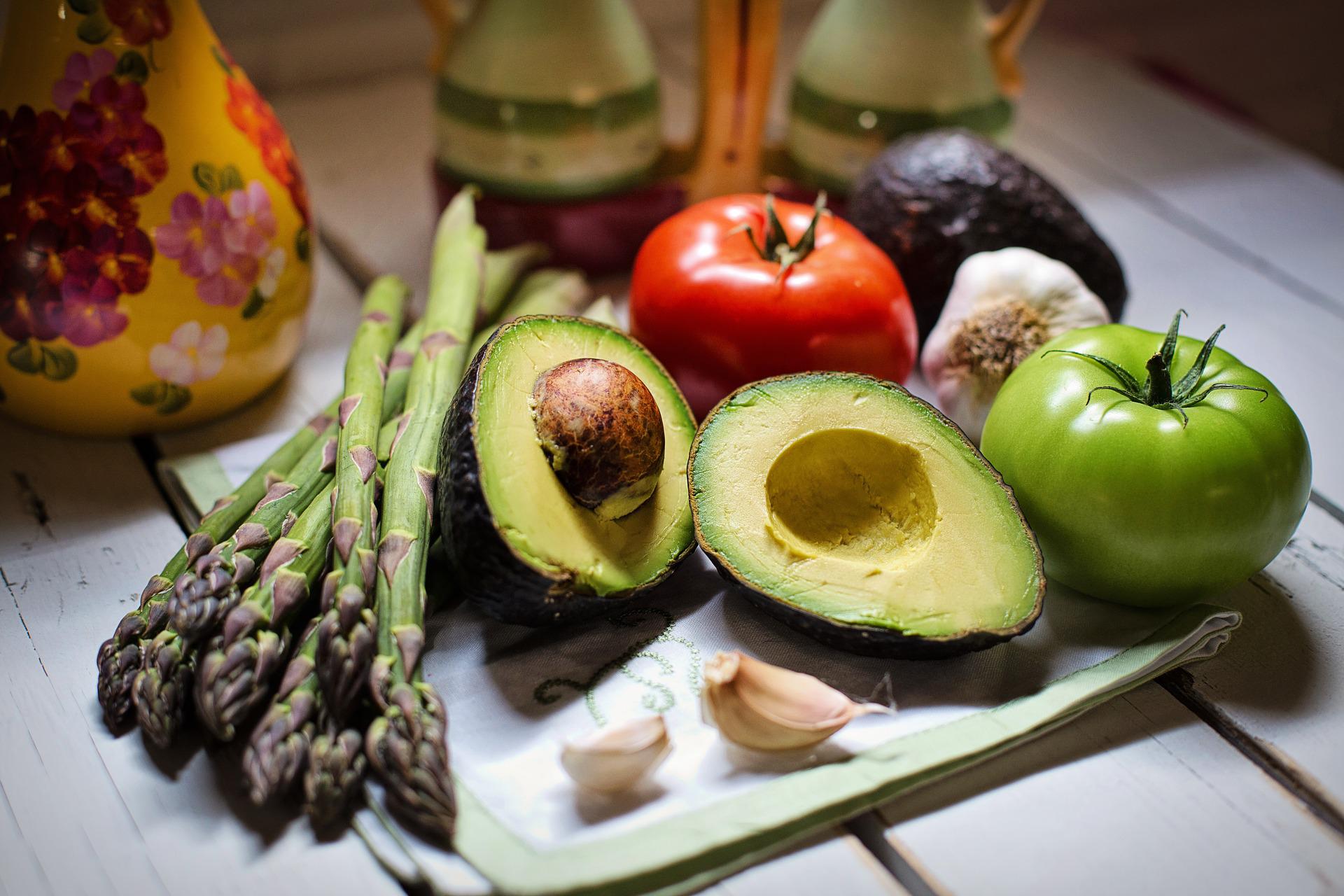
Photo by Pixabay
We have strange expressions
If you flip through an old cookbook, there's no question the fact, that we come across expressions and words that have been almost forgotten in the mouths of the people. When our grandparents wrote by hand recipes are found, the interpretation of texts written in dusty handwriting can sometimes be difficult. If we read somewhere that it means chick, rabbit, harlequin, or dalkedli - we start scratching our heads.
Chirch: (Asparagus officinalis) is a species of the asparagus family (Asparagaceae) of the order Asparagales.
Dalkedli: a Czech-inspired type of doughnut. It is made of sweet, pleasantly soft, doughy dough, usually filled with peach jam.
Harcsó, the beef: Georgian beef soup, which has traditional ways of preparation. It is usually made with beef brisket in a plum and tomato sauce with walnuts and coriander.
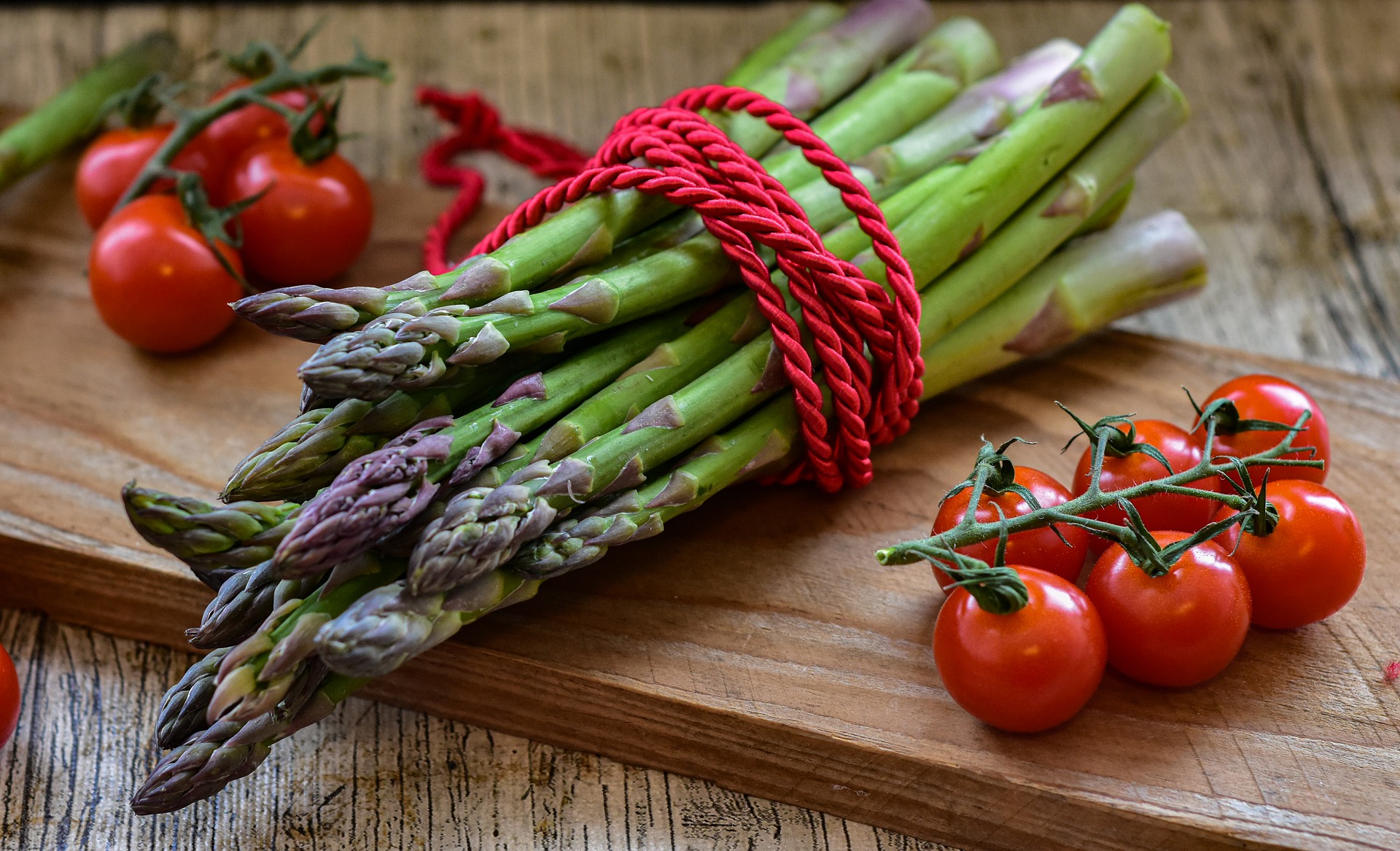
Photo by Pixabay
Rabbit wings - the seasonal ingredient
The rabbit's foot, chick, or more commonly known as asparagus, is the superhero of early summer vegetables. It is mostly used as a side dish for a variety of dishes, but is also a favourite in soups and salads. It's a time of year when vegetable stalls and suppliers' shelves are full of them, which is no coincidence. Given its wide range of culinary uses, there is no business that does not have asparagus on its menu in some form or other. Thanks to its excellent physiological and biological value, in recent years it has not only been discovered by the gastronomic world, but is also playing an increasingly important role in households. It is healthy, energy-dense and highly nutritious.
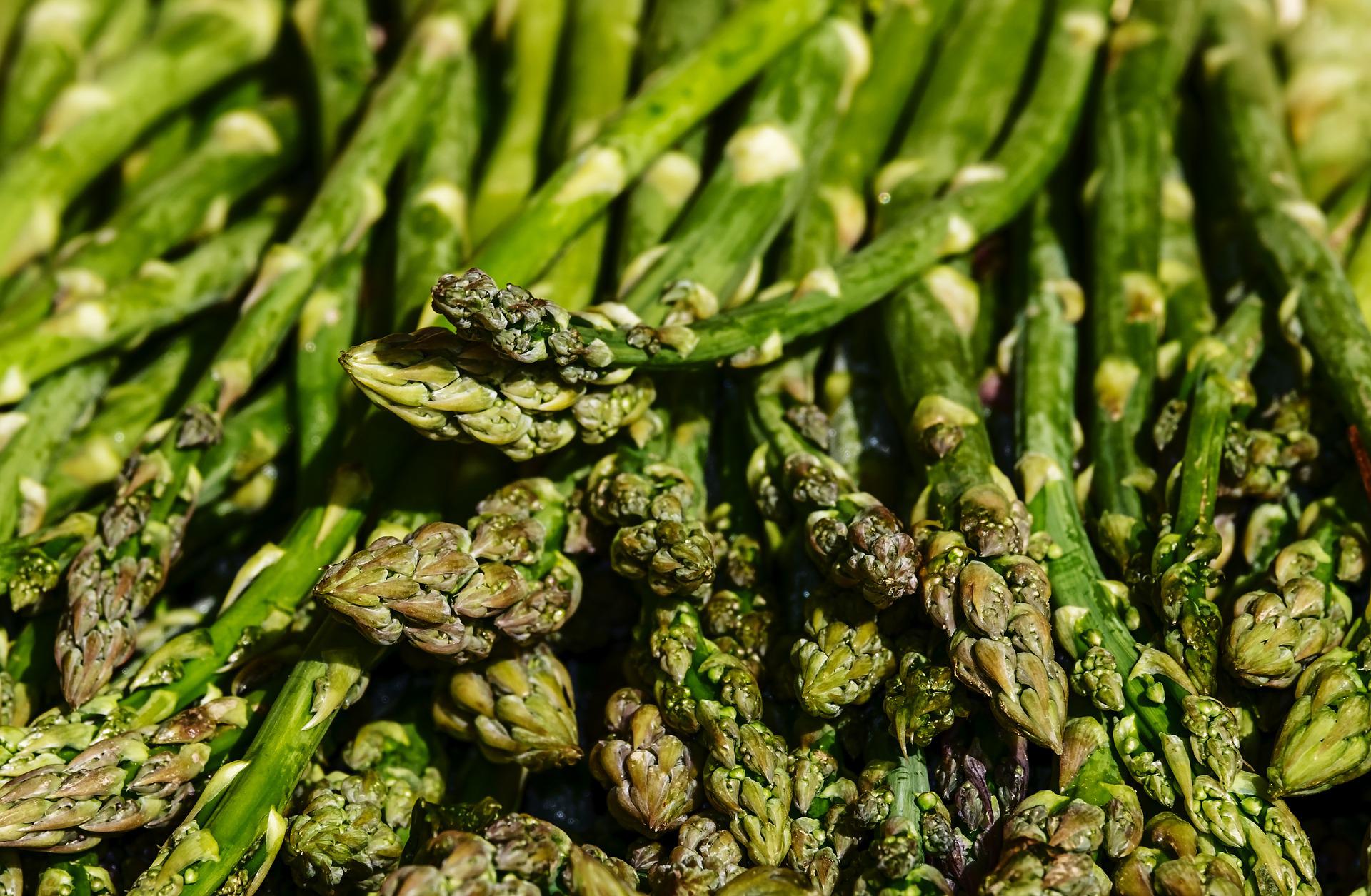
Photo by Pixabay
History of asparagus
Asparagus is native to both Europe and Asia, and is found mainly on sea and river banks on both continents. It was known as far back as the ancient Egyptians. The Ancient Greeks consumed Asparagus acutifolius, another asparagus species known to them. Its name has been used ever since, as the Greek word asparagos means young shoot. The first written record of asparagus dates back to around 460-370 BC in the work of Hippocrates, so it has been at the service of mankind for centuries. At that time, it was mainly valued for its medicinal properties and was less common in everyday diets. It was first used as a staple food by the Romans, as is attested to by the surviving cultivation instructions in the records of Marcus Porcius Cato the Elder (c. 200 BC). The first traces of asparagus were found by archaeologists not in ancient Hellas, but in the ancient Chinese Empire, where it was used as a medicinal herb to treat hurts, bladder problems and ulcers as early as 5000 BC.
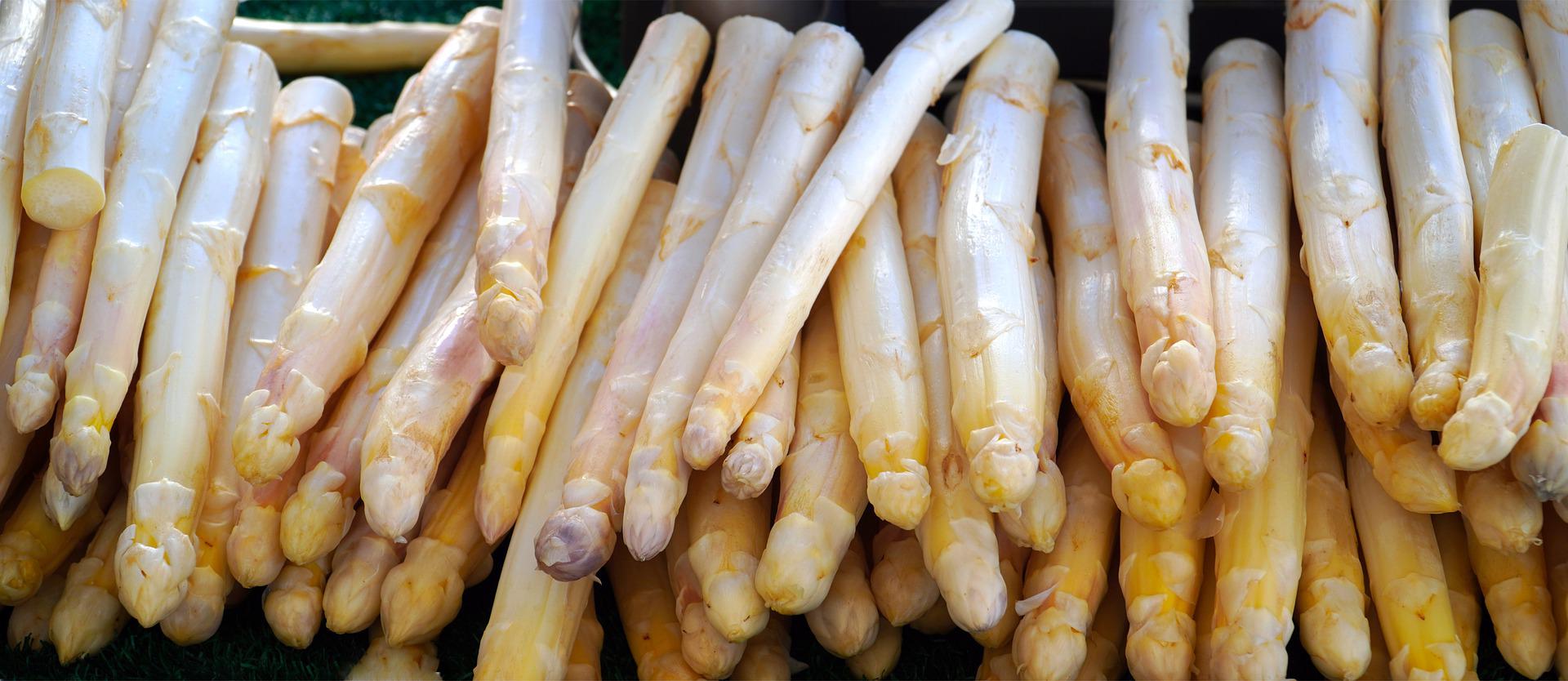
Photo by Pixabay
Conscious cultivation and use of asparagus
In Europe, asparagus has been consciously cultivated for centuries. It goes all the way back to the Crusades, when knights brought asparagus seeds with them. It appeared as a cultivated garden plant from the 16th and 17th centuries. Its cultivation on a commercial scale began much later, becoming an established, recognised and widely grown crop only 100 years ago. The geographical distribution of asparagus cultivation is not significant, but it is very popular in some European countries, including Japan, Hong Kong and Singapore, and is therefore an excellent export crop. It is grown in many parts of the world. In Europe, depending on climatic conditions, the first tender asparagus may appear as early as the end of March in some areas, but in others it can be harvested as late as the end of June. As the German saying goes, „Remember until St John's Day, eat asparagus for seven weeks.”
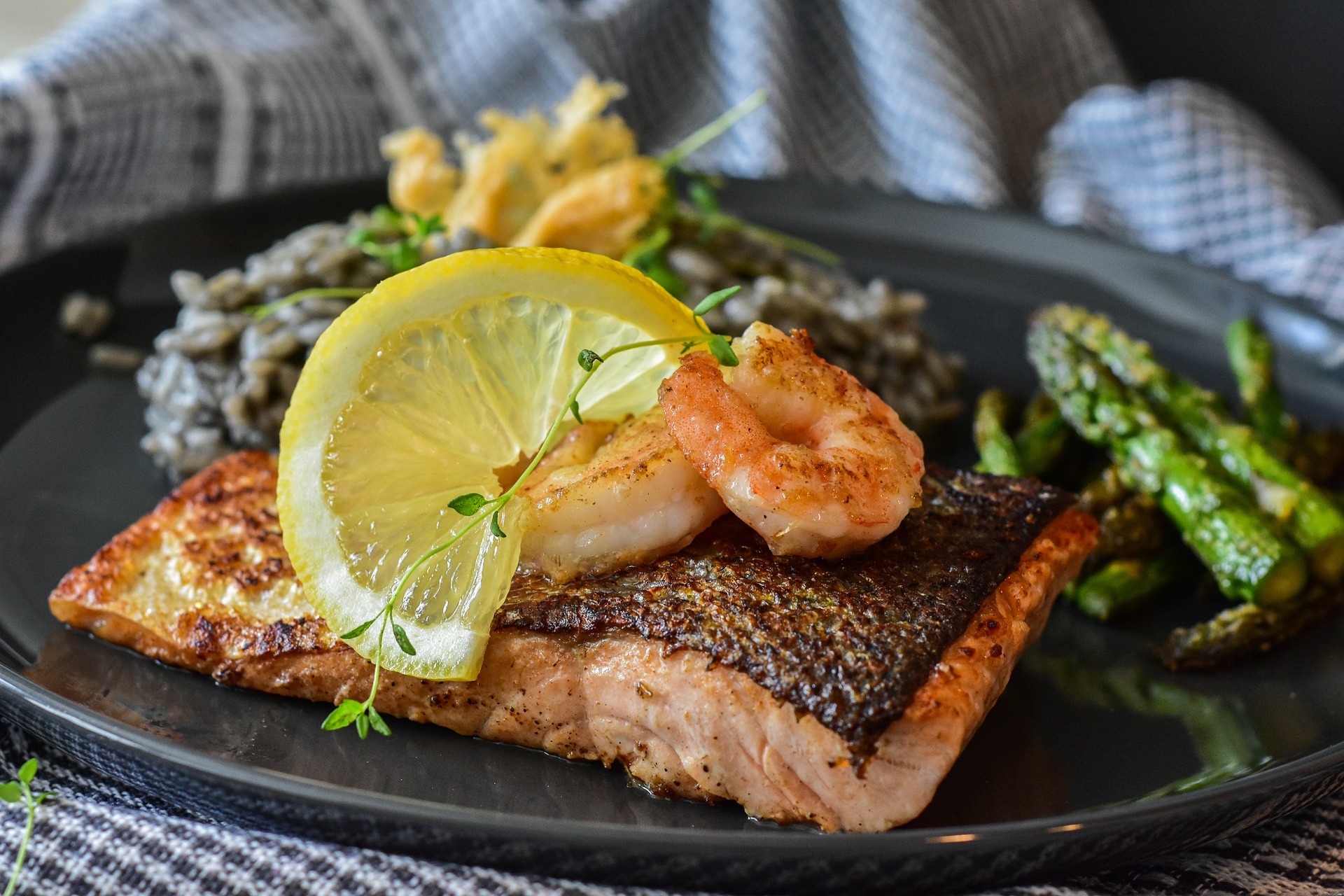
Photo by Pixabay
The asparagus season
The real season lasts about two months. Of course, this depends on the weather and the growing conditions. It can last from the end of April until the first half of June. The Greek name is derived from the word aspharagus, which literally means young bud or shoot. The asparagus season is a dominant one on the gastronomic scene and is undoubtedly one of the ingredients that everyone loves to use.
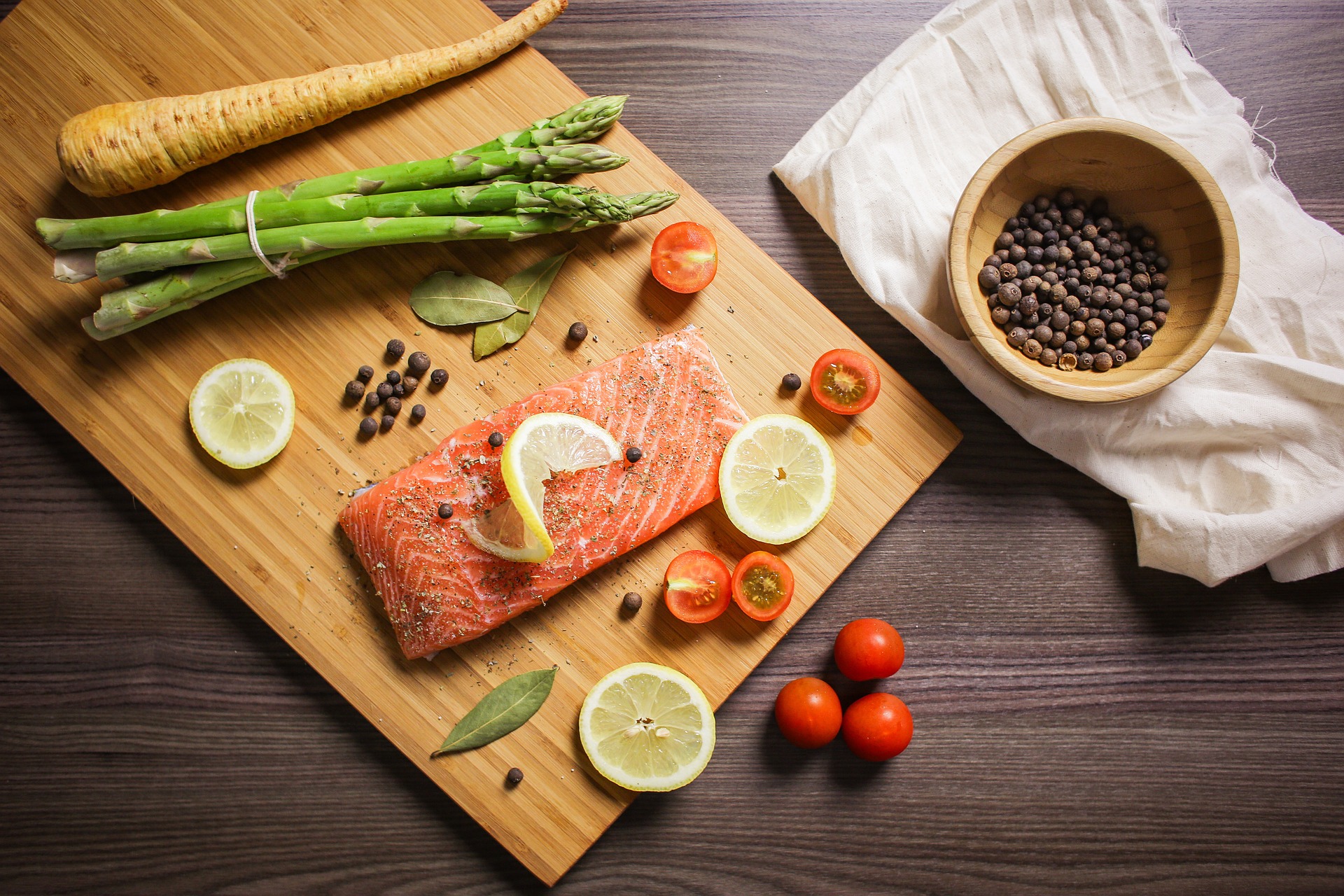
Photo Pixabay
Asparagus is very healthy
Asparagus has very good physiological effects. It is essentially a purifying, vitamin C-rich, healthy food. It is not fattening at all, yet it is full of energy. It contains trace elements useful for the human body. It is no coincidence that it was highly valued in ancient Egypt in 4500 BC, in Greece and in the Roman Empire. Its powdered root form was used to treat toothache, cure, cleanse and slim.#
Photo by Pixabay