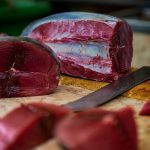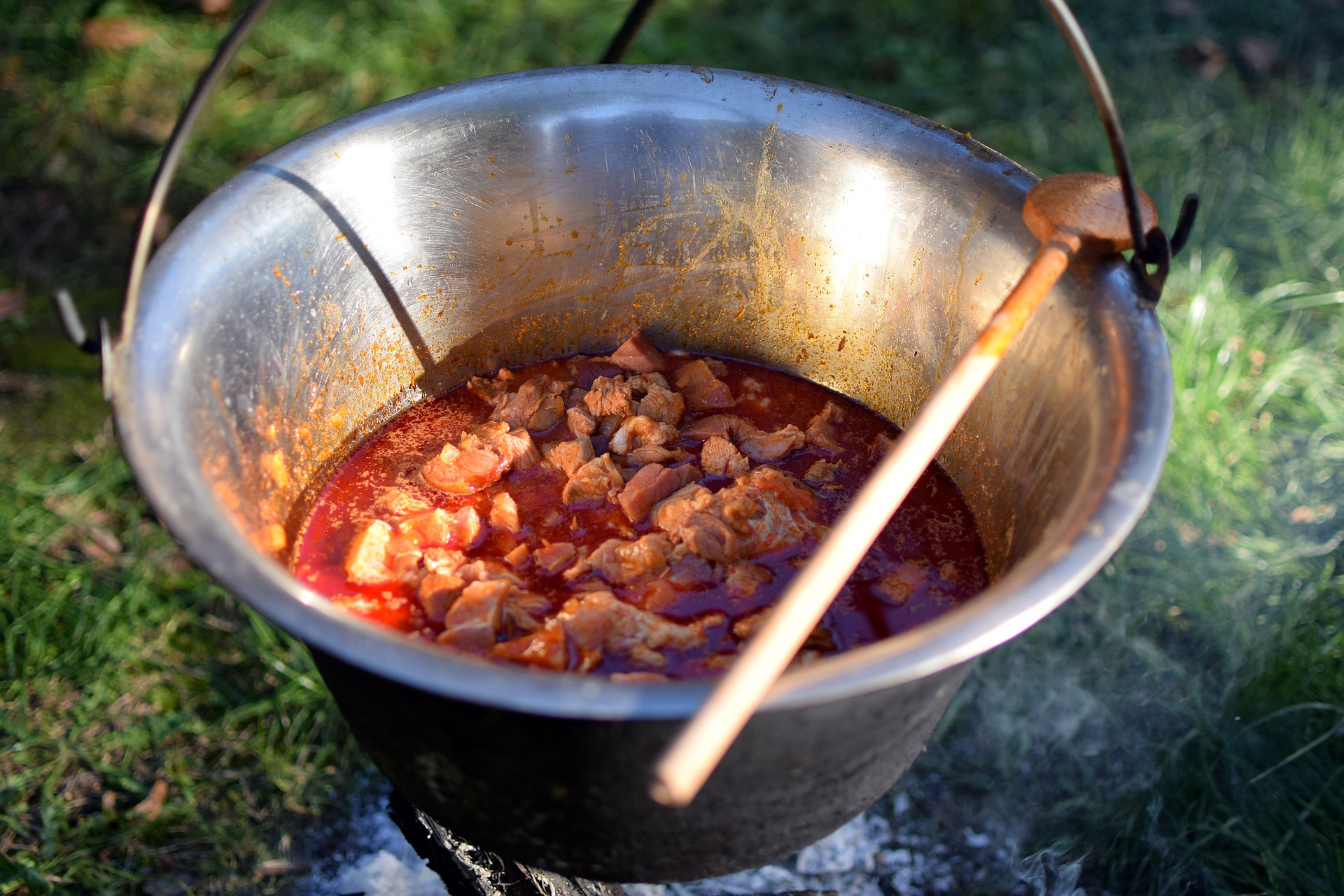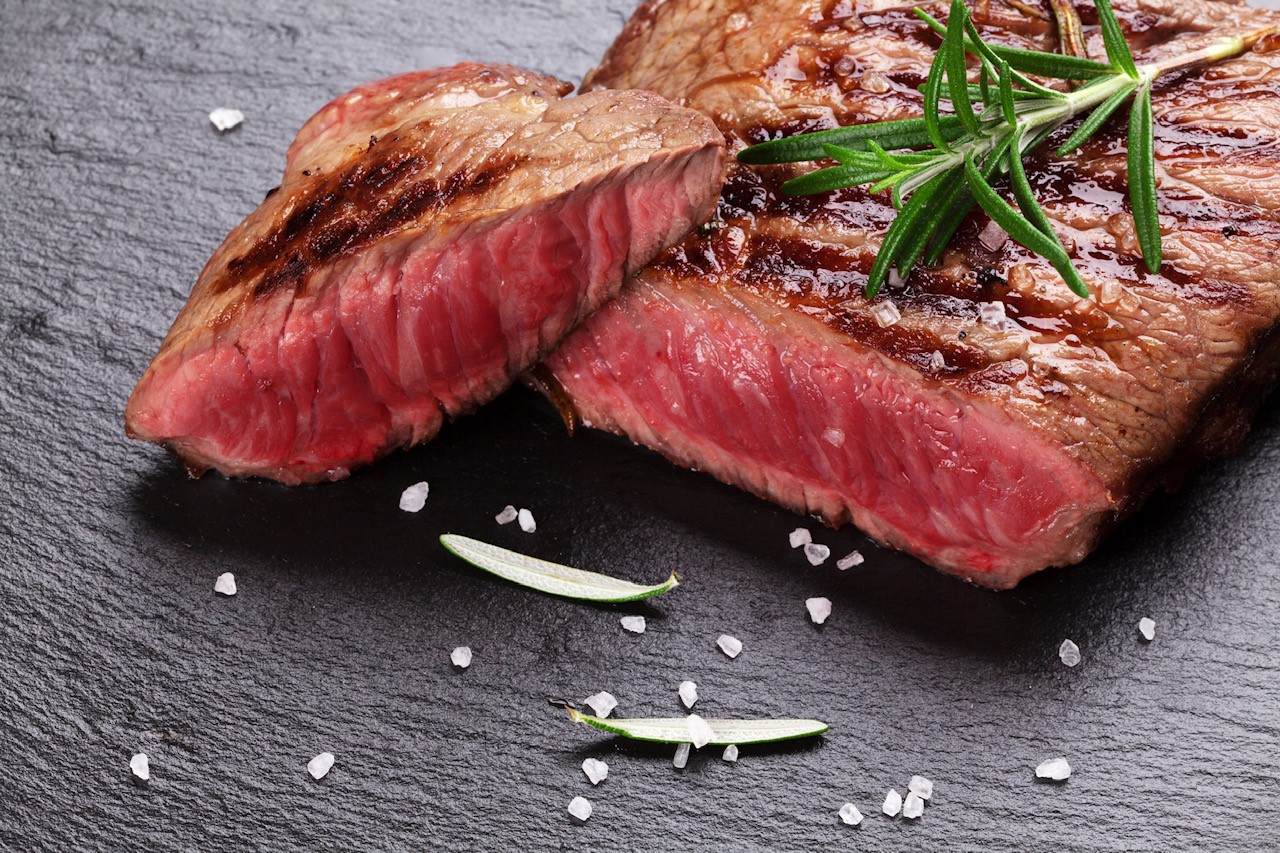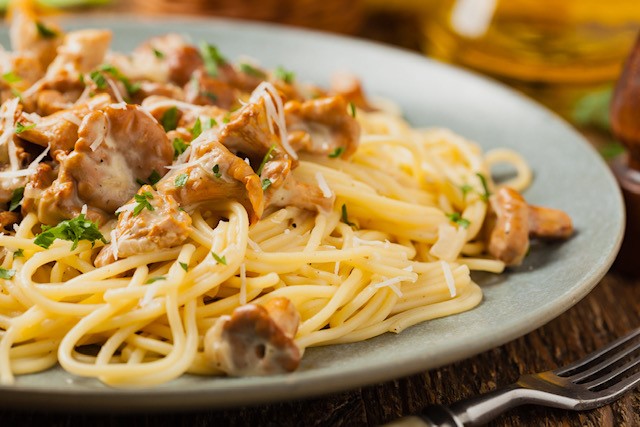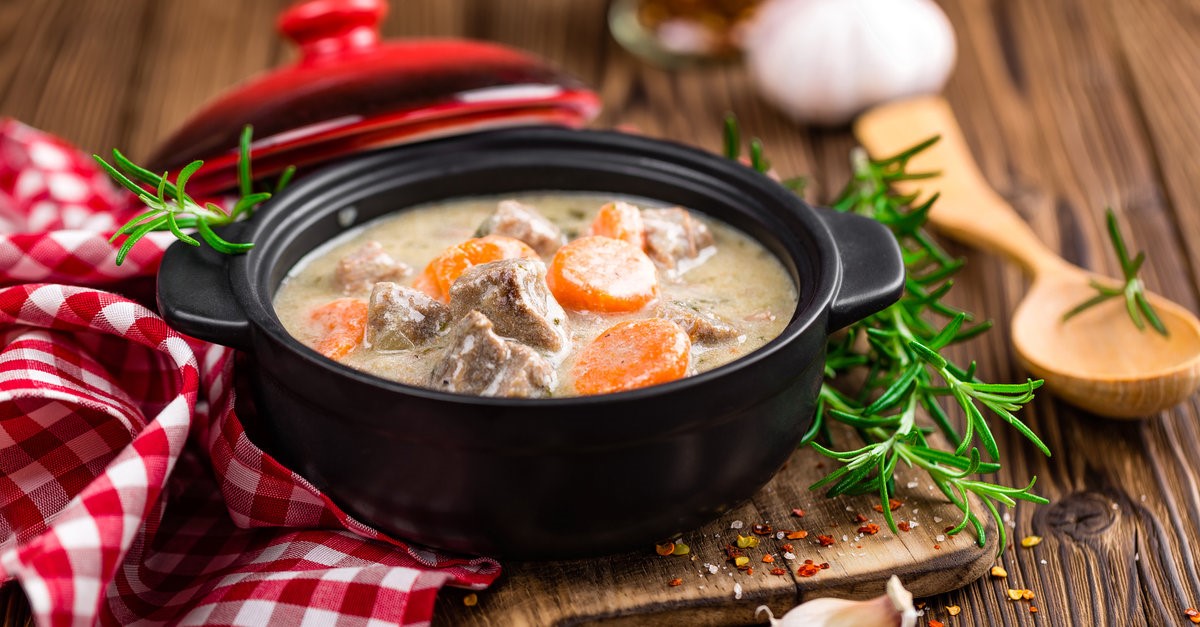







The hunting culture of our country provides an opportunity to promote game gastronomy and game meat as a culinary ingredient. Numerous recipes show the popularity of game dishes, and now we will take a closer look at the preparation of wild boar backbone.
Wildlife management
The consumption of game food is almost as old as mankind. Before the domestication of wild animals, our ancestors simply went out to hunt for subsistence, which was all about getting meat. Today, hunting has two purposes. One is game management, to influence the size and quality of wildlife populations. The other is hunting itself, which involves not only the killing of the animal, but also game management, game protection, trophy management, animal care and possible capture. In both cases game meat is also the aim of the activity, which can bring quality ingredients into the kitchen.
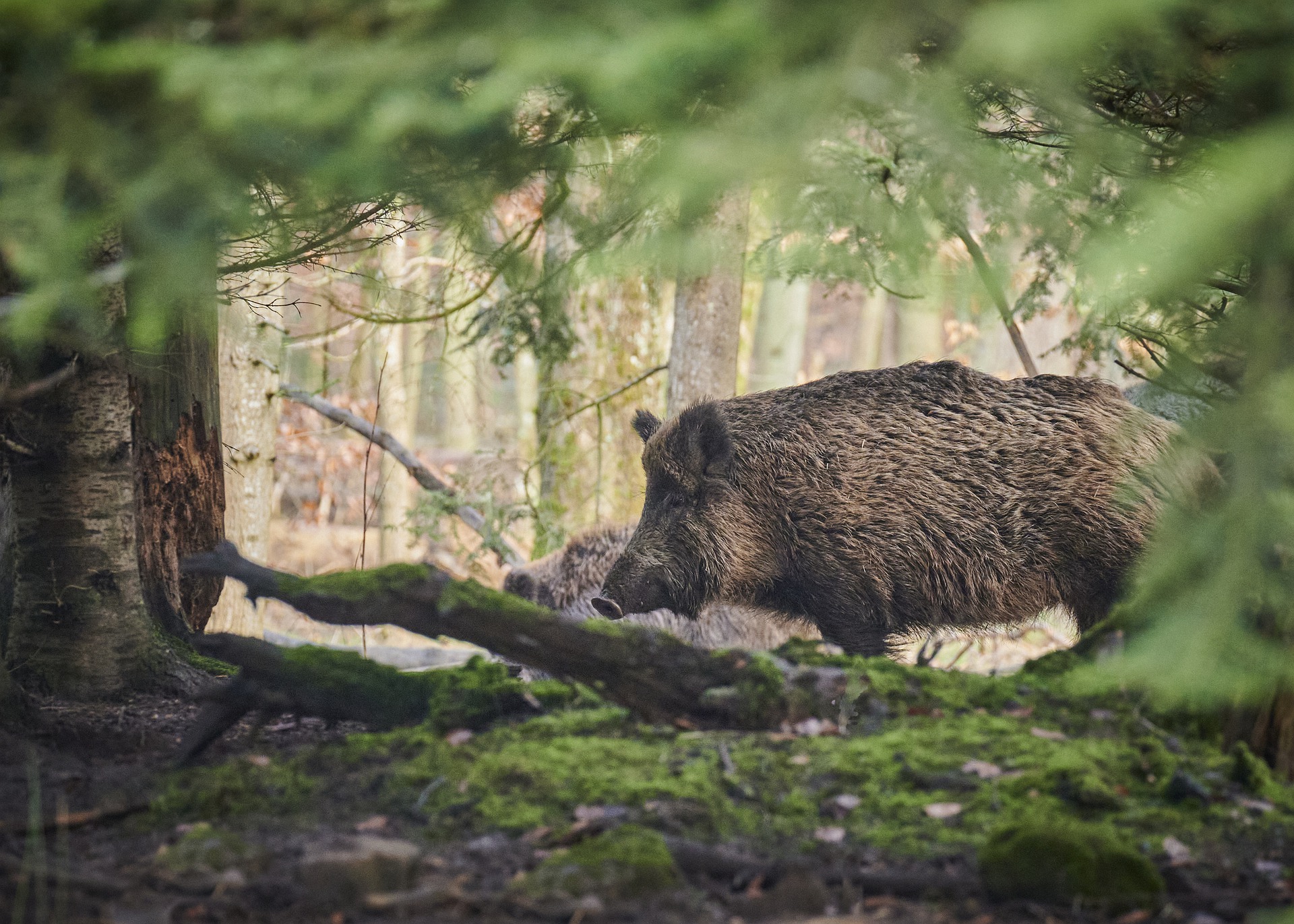
Game meat is special, yet few people eat it
A few hundred years ago our country gastronomy game meat was part of their culture. Lots of rabbits, visit, pheasant, mouflon, wild boar, we ate a pigeon. There were also dishes on the table that we wouldn't think of today, such as swans, peacocks and badgers. Despite the fact that they are still available, many people are reluctant to eat them, even though we get a lot of benefit from them. It comes from sustainable wildlife management, which protects our environment, and the meat of wild animals is much healthier than that of domestic animals. It is low in calories and fat, high in iron and minerals, and has a high protein content.
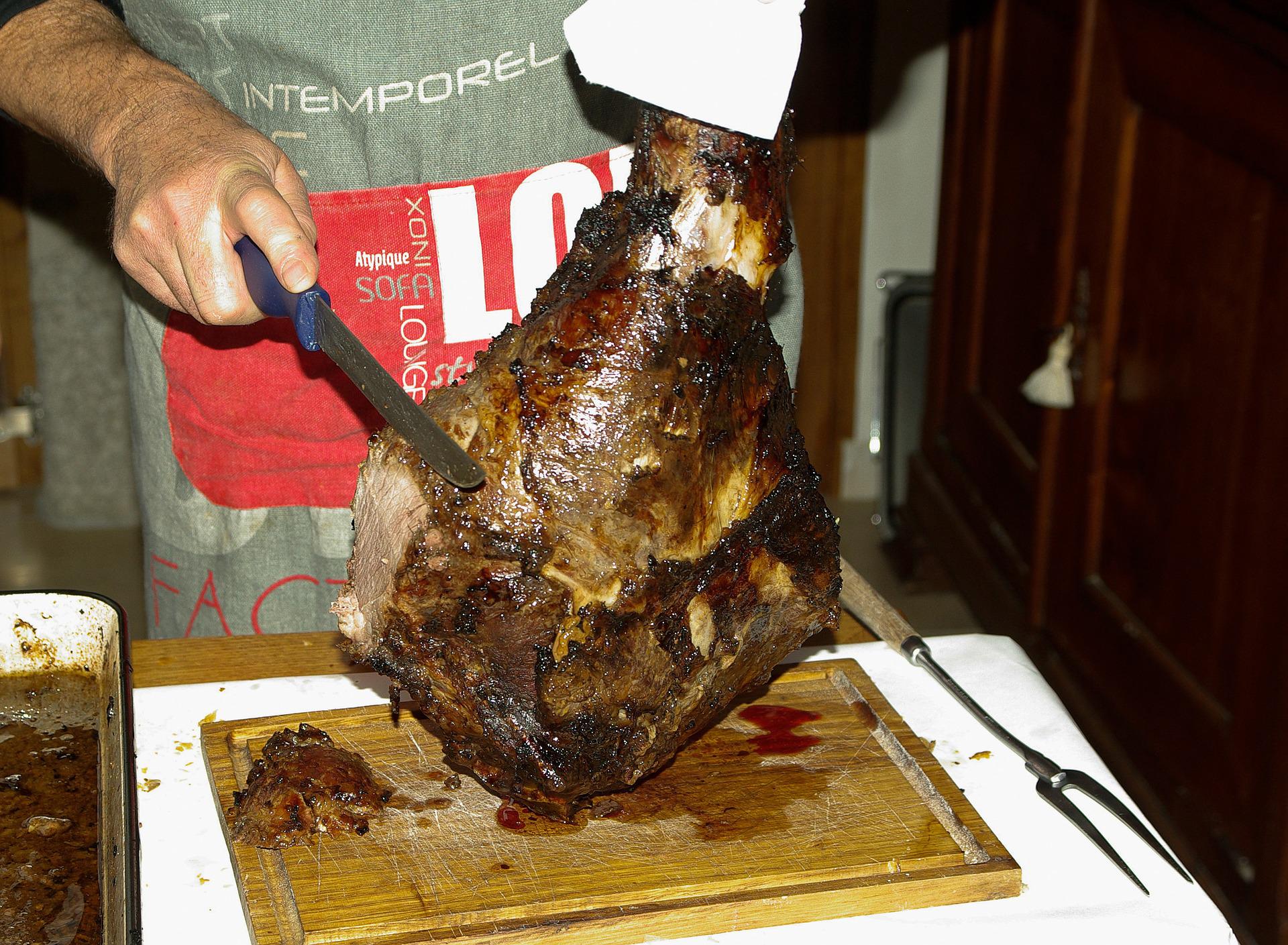
Game gastronomy
Game meat is becoming increasingly popular as a cooking ingredient. You don't have to look too hard for a game recipe, as there are so many available. Folk customs and cuisine provide the basis for this. And new cooking technologies and recipes allow a wide range of uses for game meat. Here, too, the quality of the raw material, its usability and tradition are paramount. If you want to make game dishes, you need to know how to do it!
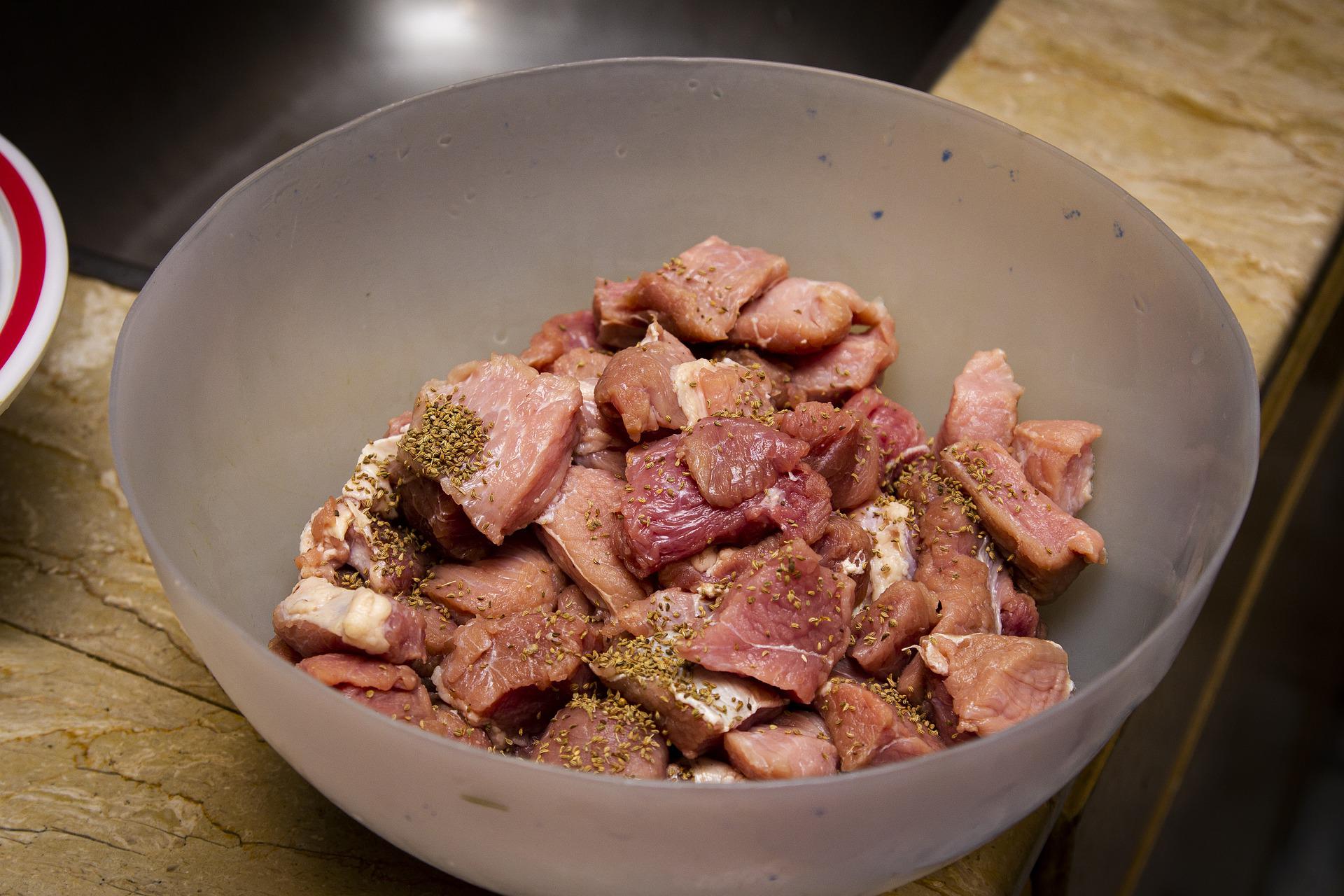
Preparation of game meat
Maturation depending on the amount of water harvested is crucial. As sometimes drier and tougher meats are involved, curing is important. Although there is a lot of advice on this point, it should not be overdone! The time should be determined according to the quality of the meat, one night may be enough. If you follow the traditional method, use a seasoning.
Spiking (Fighting): Traditional cooking method. The aim is to tenderise meat and enhance flavour. The raw material is dotted with strips of smoked bacon before frying or braising. For this, choose a flexible, hard-to-tear bacon. Cut into long slabs 3-4 mm wide, spaced evenly apart, 2-3 cm apart, parallel to the fibres of the meat.
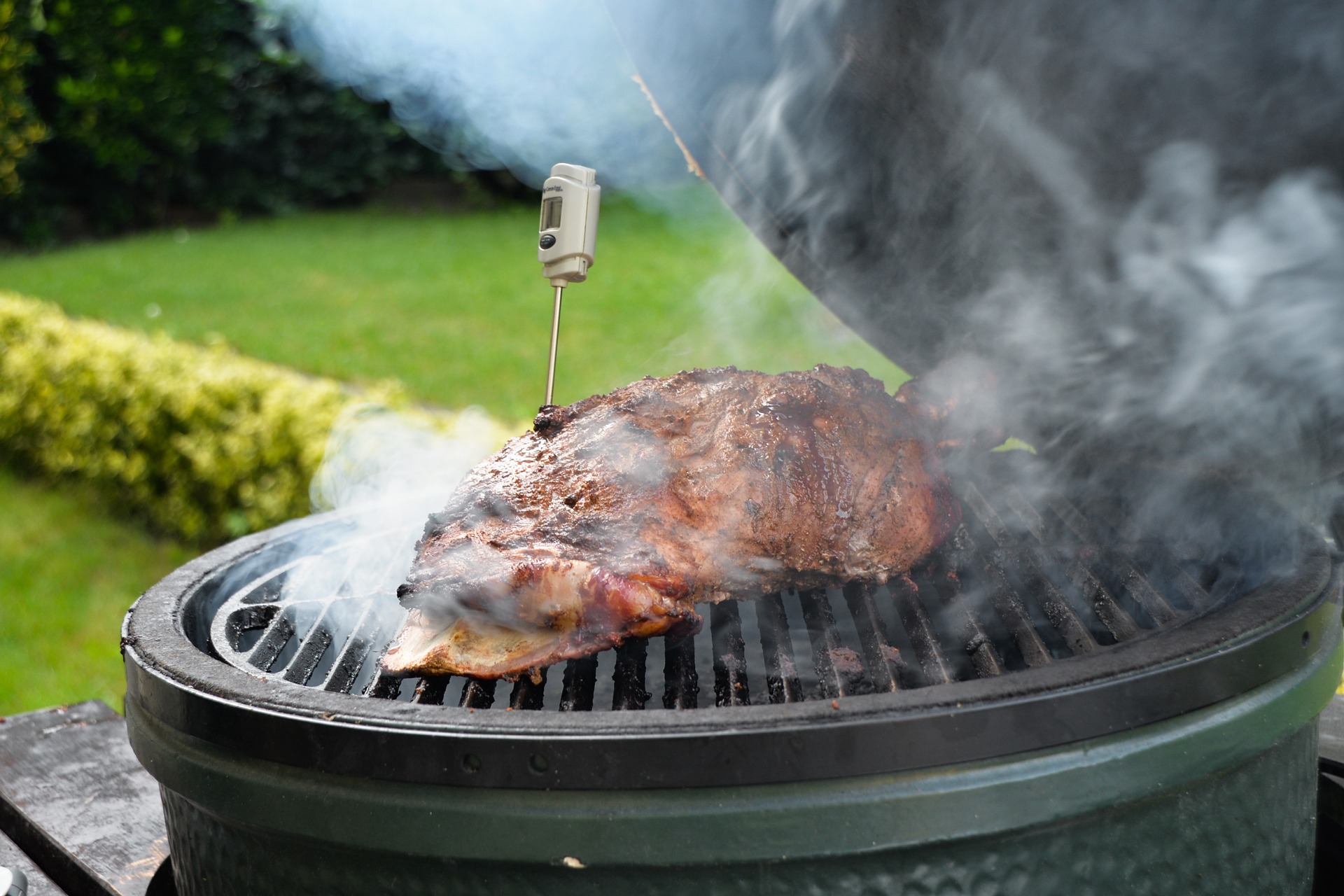
Roasting game
It's a good idea to precook the older animal until it's semi-soft, all you need is salt water. As the structure of the meat is completely different from that of domestic animals, cooking time and temperature are of great importance. There are several ways of heat treatment. The old method is to cook in a clay pot, which still gives the best results today. But you can also cook it in a pan, in a frying pan or on the grill. For larger meats, a pan is preferable. The most authentic method is to cook in an oven, but this is becoming less common these days.
It is important to note that when roasting outdoors, especially on a spit, one of the most suitable is the wild boar spine. It is a valuable cut of meat, with special flavours and a lower fat content to achieve more intense flavours. But be careful with the spices in this case.
Cooking, steaming
This is the simplest operation, but the time is important here too! The main thing is that the meat is well tenderised. Keep checking the consistency while cooking. A good tip for cooking game meat is to cook it without a lid. This will remove any odours that are not so popular or disturbing.
For braising, we use meats that are not necessarily good for frying. It should be borne in mind that it is a long process, slow cooking. However, you can be sure that the flavours will be delicious and the nutritional value of the ingredients will be outstanding. Steaming can also be used as a preparatory operation, either before baking or cooking.
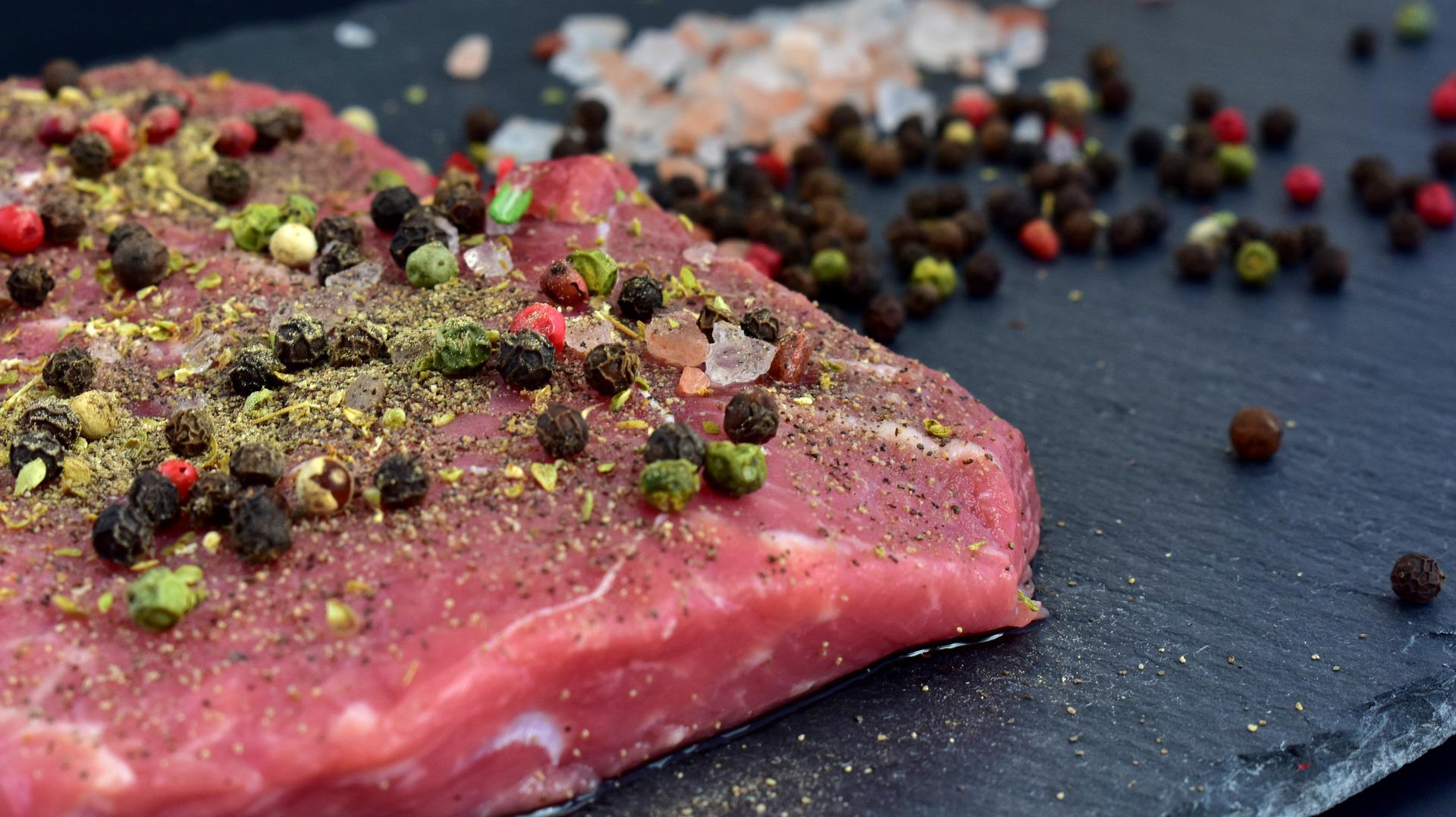
Seasoning of game
Good seasoning harmonises the flavours! With game meat, however, you have to be careful if you don't want to lose the original flavours. Spring game is more aromatic than autumn game because it eats fresh buds and berries. They therefore require different seasonings in almost every season. Their use also depends largely on the type of animal. But there are tried and tested solutions. For wild boar, basil, allspice, peppercorns, marjoram and thyme are suitable, while for rabbits, bay leaves, juniper berries, tarragon and thyme are good. If deer or roe deer are on the menu, use black and green pepper, bay leaves, juniper berries, marjoram, oregano, parsley greens. What really goes well with any game meat is wild mushrooms, pine nuts, rosemary, thyme, tarragon, sage, sage, tarragon, pepper, juniper berries, bay leaves, coriander.
If game is on the table, you can be sure of a real gastronomic excursion. These are dishes that you should not only try, but also eat regularly. Don't forget to choose a good quality dry wine to go with it, as the experience will be even better if you can cut the game meat a little. #