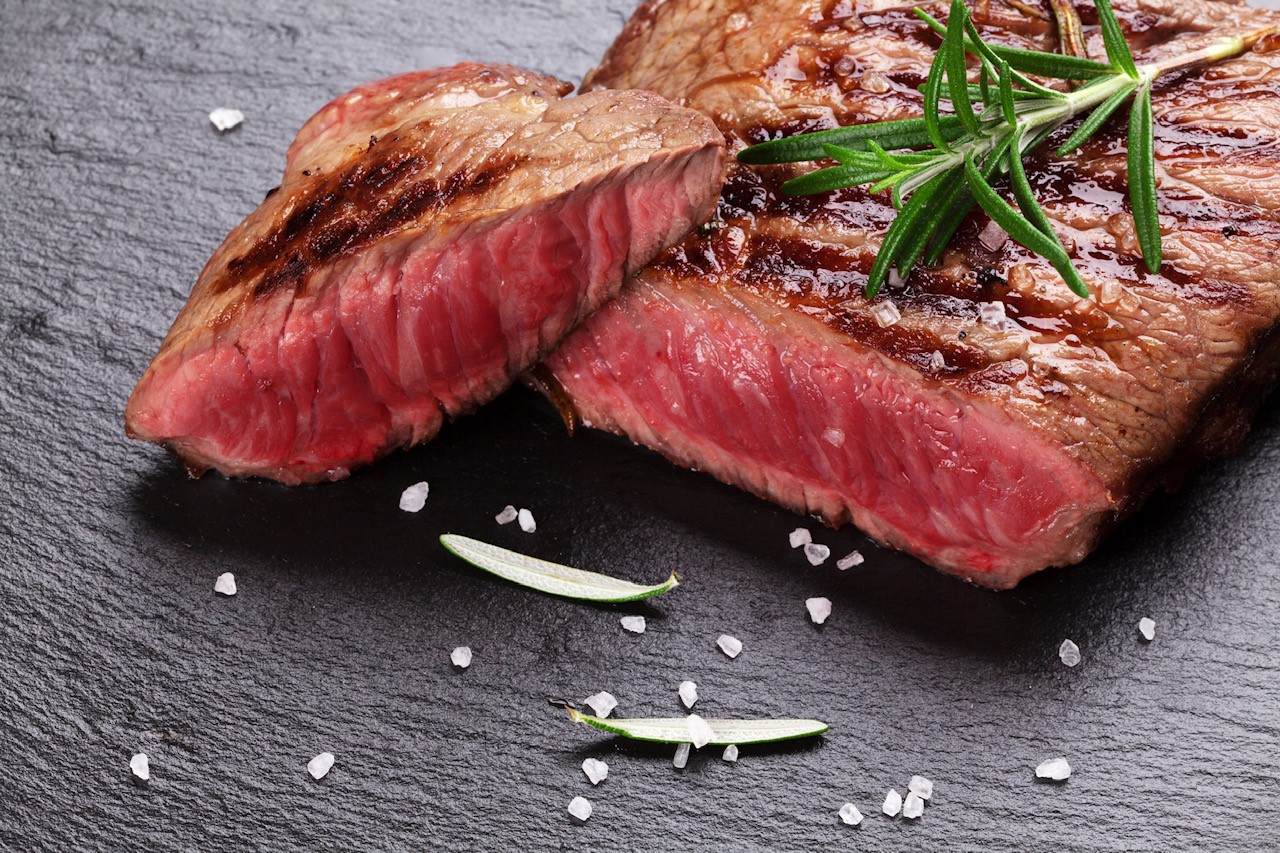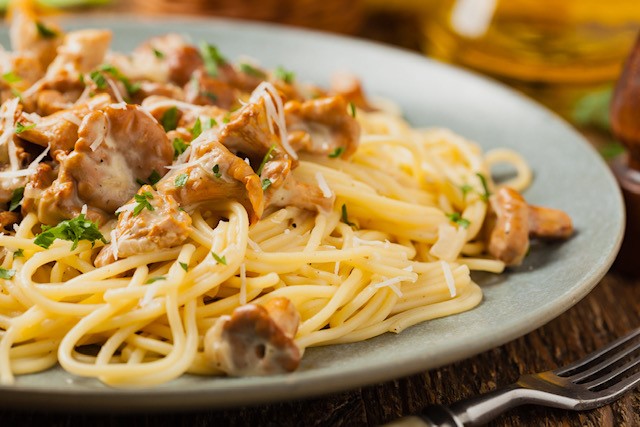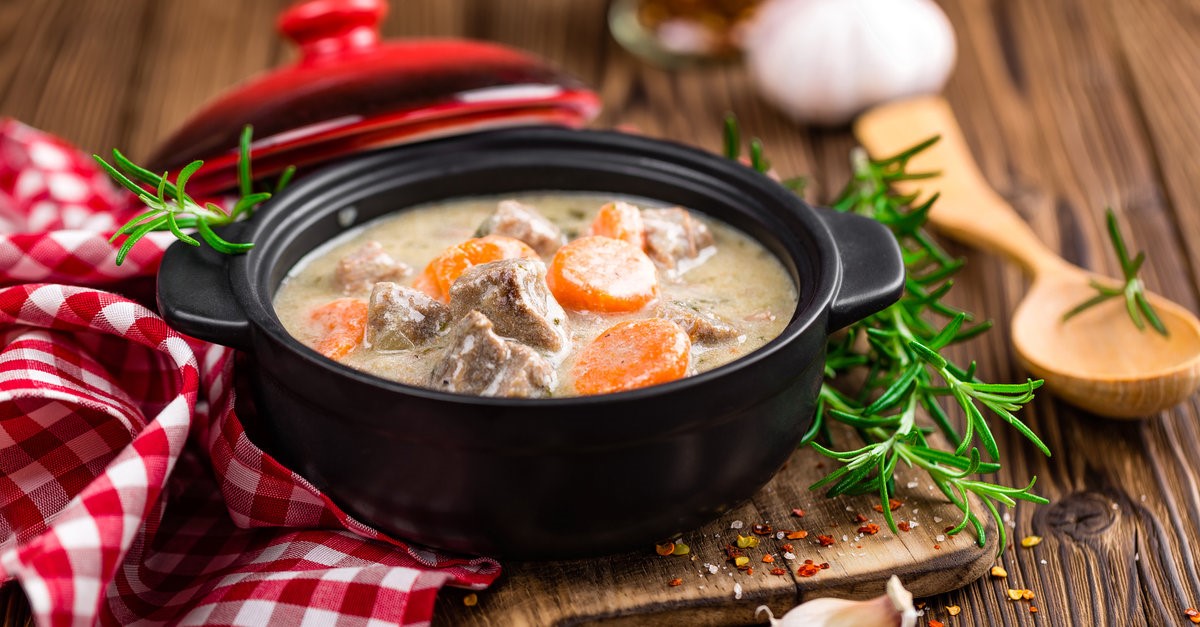







I'm sure everyone has had that inexplicable inner urge to eat something sweet, spicy, sour, salty. The kind of food we crave says a lot. It can be a symbolic expression of a desire, or a lack of a nutrient, vitamin, mineral or protein that our body is missing. It is also said „Tell me what you eat and I'll tell you who you are...“ If we really want a certain food, we want the sensation of the colour, smell or taste associated with it. Taste creates signals in our bodies, so what we desire is never a matter of chance.
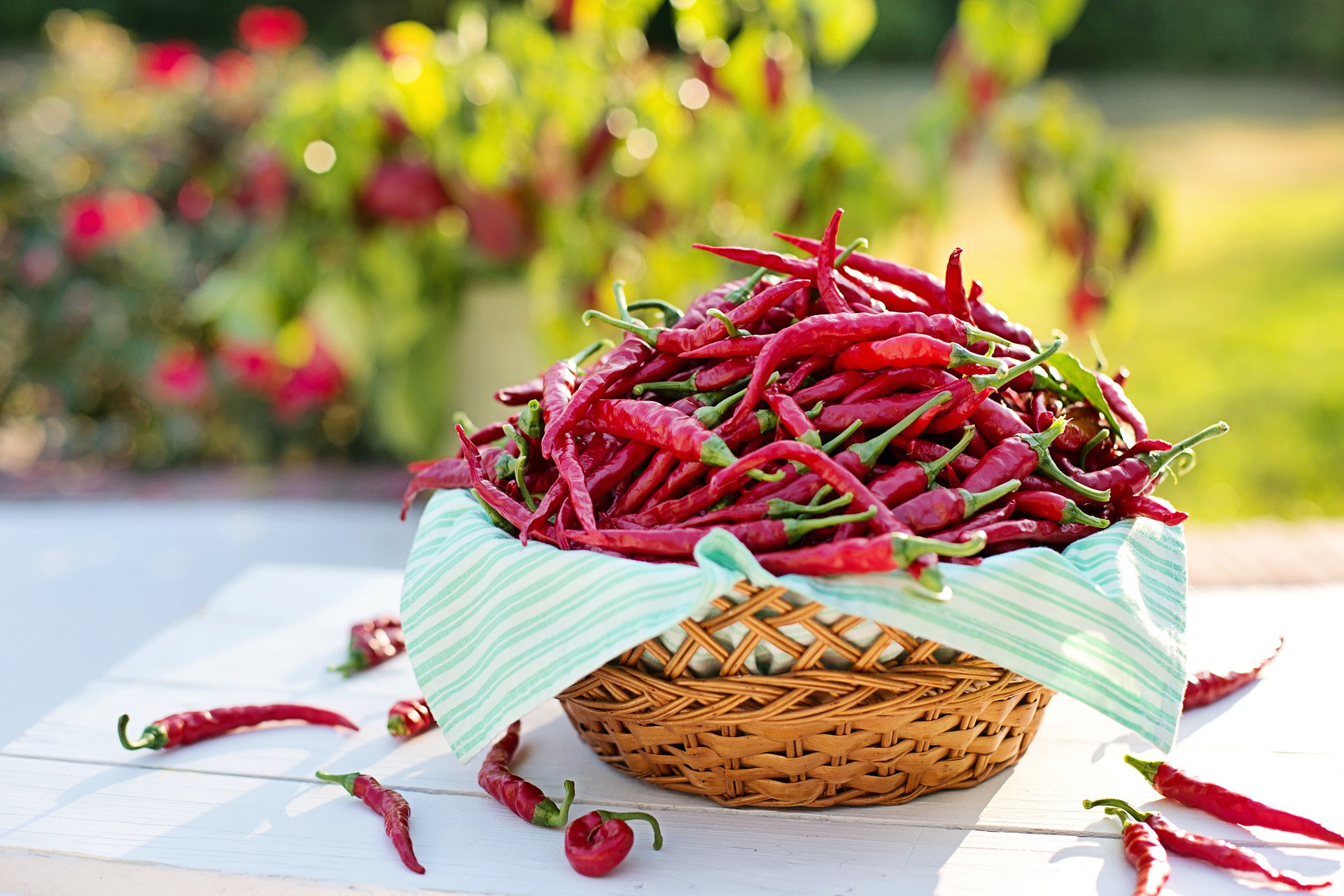
What makes peppers sting?
Capsaicin is a white, odourless powder that is sticky to the touch or slightly waxy when not sufficiently pure. It is an alkaloid mainly responsible for the pungent taste of peppers. Its effects may be related to the stimulation and function of pain-sensing nerve fibres and to the mechanisms that trigger inflammatory processes. It derives its name from the botanical Latin name of the mother plant Capsicum annum. Capsaicin causes a burning, stinging sensation on the tongue, in the mucous membranes of the mouth, on the skin and in the eyes. There is a swelling of the affected areas, but the symptom complex never escalates to acute inflammation. It is poorly soluble in water, but even low concentrations are sufficient to trigger reactions at the highly sensitive pain nerve endings. The burning pain sensation persists even after the capsaicin is removed. This is because neurochemical processes are initiated at the nerve endings that continue to function even after removal.
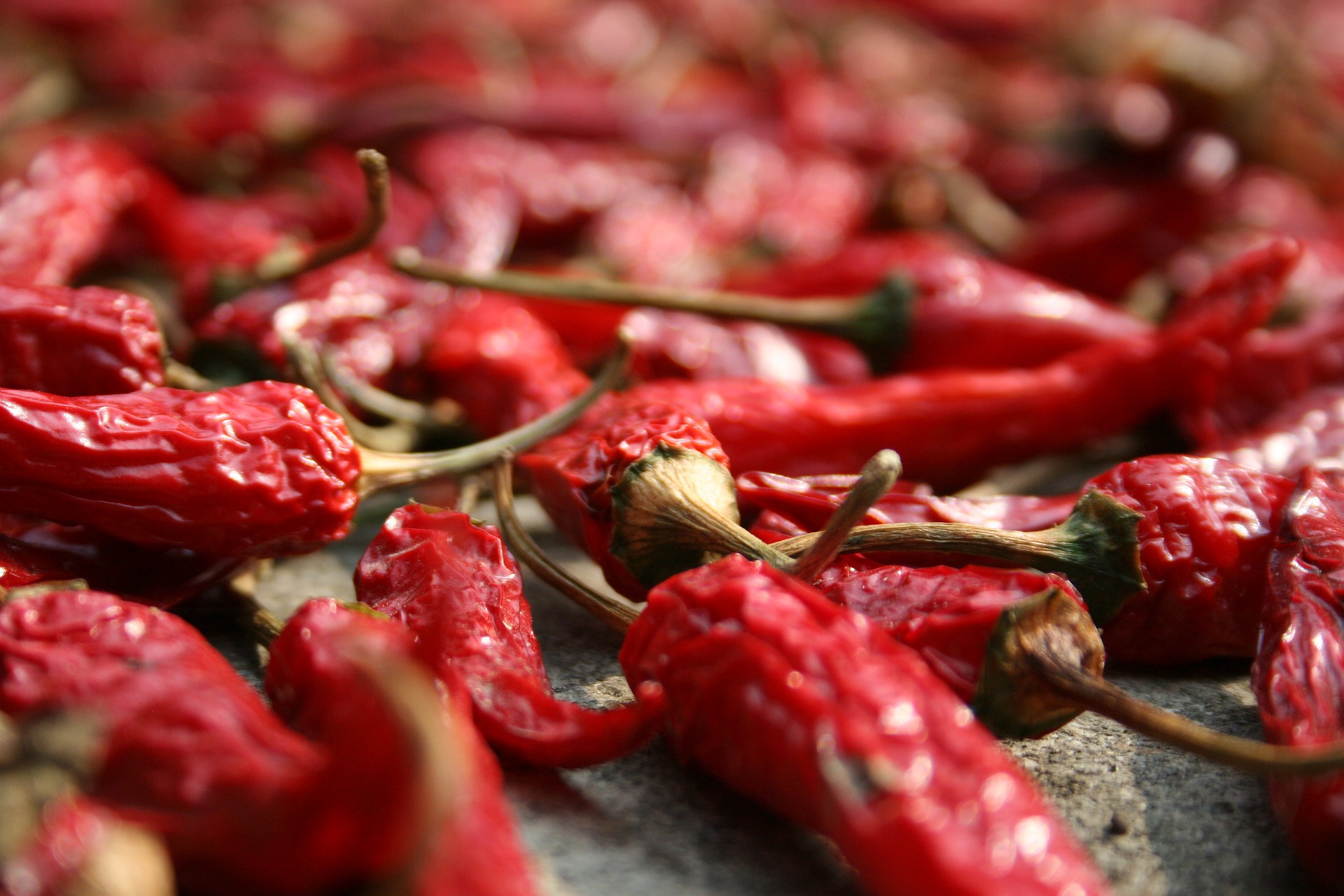
How strength is measured
Regular consumption of capsaicin numbs the pain-sensing nerve endings in the mouth over the long term. So this can also be trained. The Scoville scale measures the spiciness of peppers, which is indicated by SHU. A value of SHU above 300 000 indicates that the extract must be diluted more than 300 000 times to avoid the sensation of spiciness.
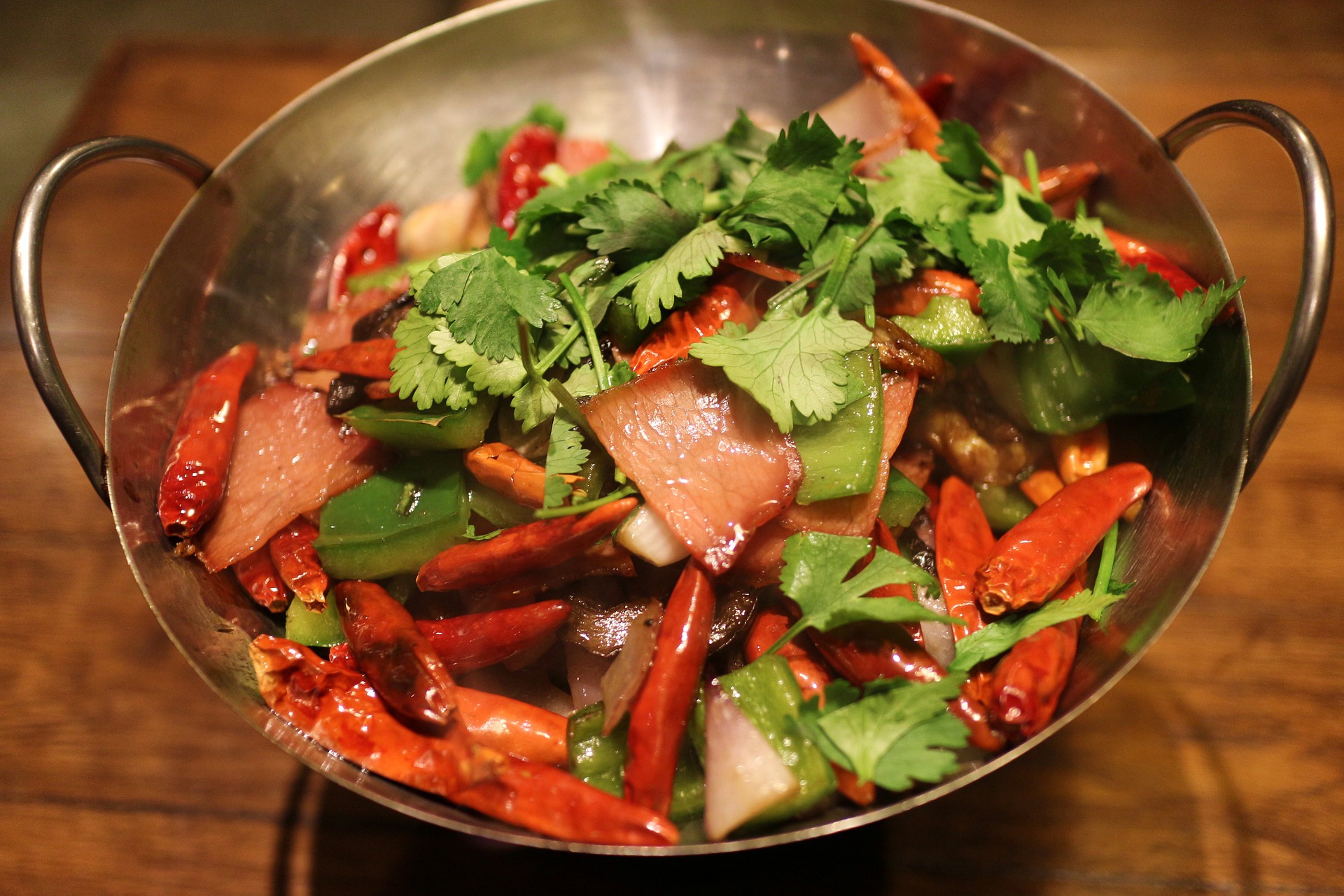
We love spicy food
Despite this, they are mostly with raw materials which soften the sensation, but can also give back the taste. That's why, especially in home cooking, we use a lot of parika in our dishes. The quantities recommended in recipes tend to be based on the non-pungent or slightly spicy varieties. One of the best combinations is chilli and cheese, as the flavours they share complement each other to the full. Great can be used to make dishes, which can also be used as gourmet food, either in restaurants or on the dining table at home.
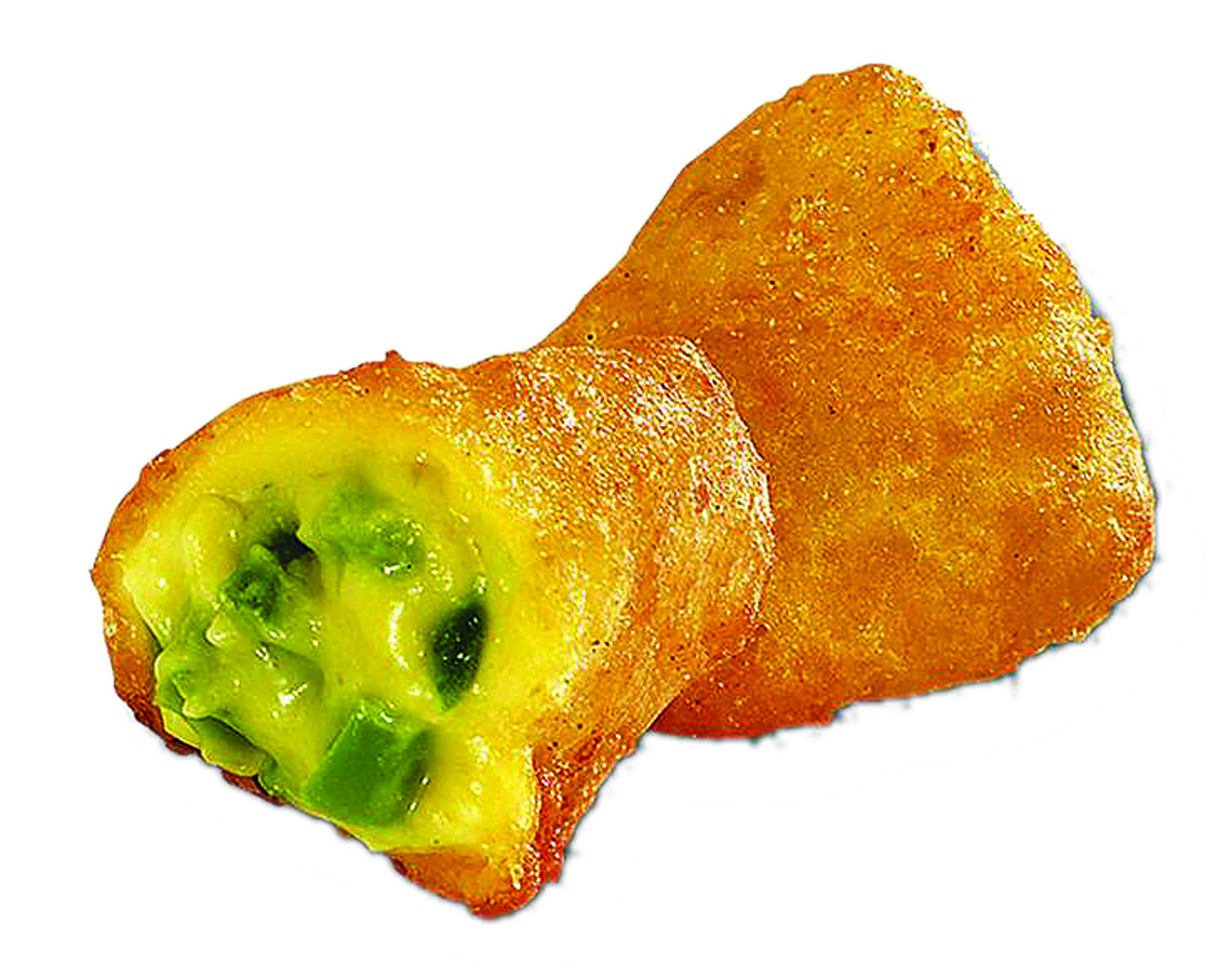
Unforgettable breaded chilli-cheese
Of course we love this delicacy. Cheese goes really well with food. We use cheese in general and we also use it to bundle. There are several ways to update the breading habit, in this case with a really good chilli. This can be a great dish exotically spicy a crispy, breaded cheese bite that's a real treat. It can crown your lunch and bring a new colour to your restaurant menu. For those who like spicy, for those who likes the unique, I'm sure you will find it a great offer.
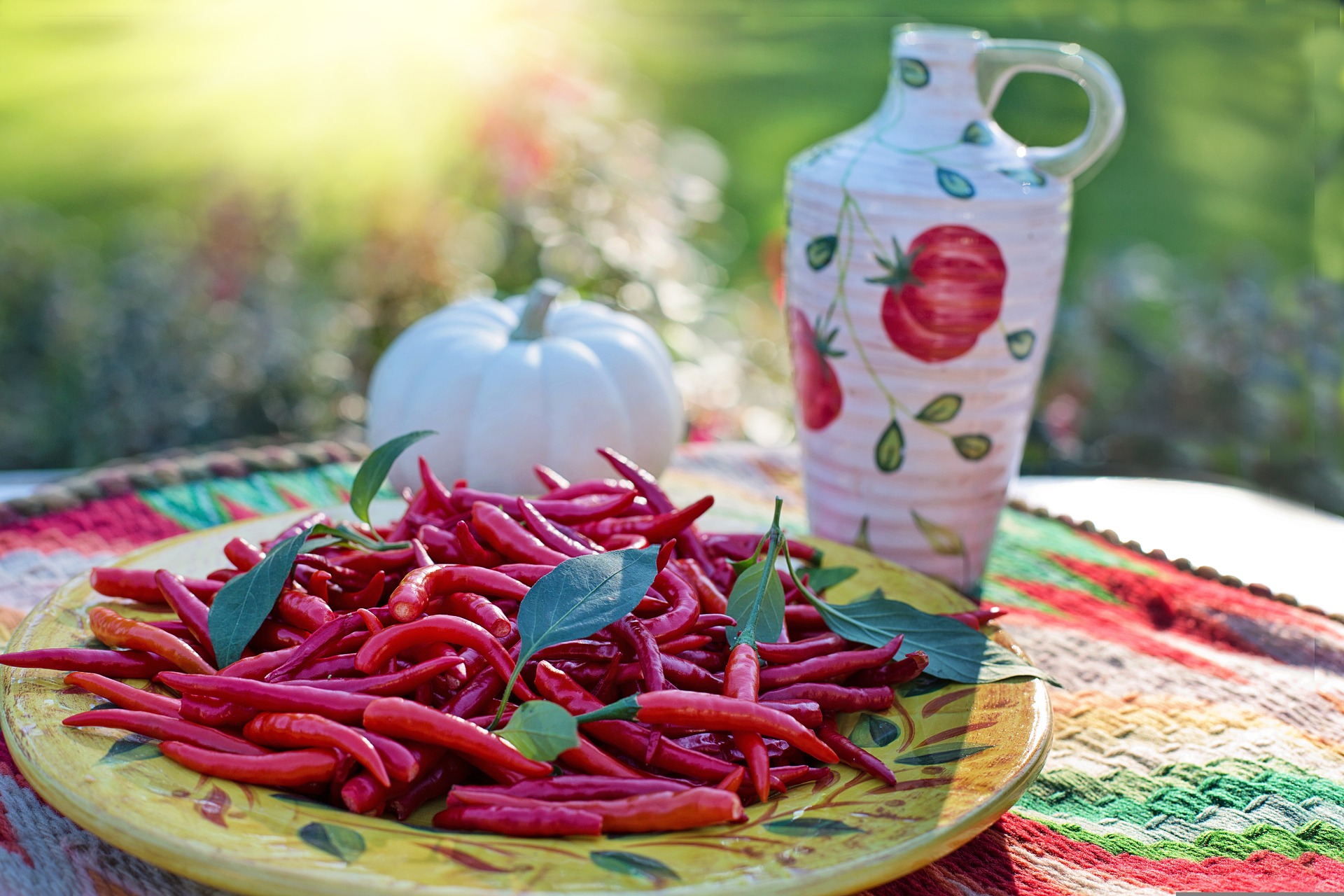
Interesting fact! The strongest peppers
Carolina Reaper
Originally named HP22B, it has achieved a Guinness World Record for hip strength, with a strength of 2,200,000. Man should be the man who consumes it. In fact, there's not much difference between, say, eating glowing embers and eating these peppers.
Trinidad Moruga Scorpion
It is so named because of its shape, as the end of the fruit extends like a scorpion's tail. It grows in the Republic of Trinidad and Tobago in the southern Caribbean. It is said to have a very delicate flavour for a few seconds after the first bite. Then out comes the 2,009,231 SHU and it's spicy as hell.
Pot Douglah
The Pot family is no stranger to pepper lovers. This fiery pepper has a slightly wrinkled, crushed appearance that really expresses the need to be careful. Its brownish hue is a warning, with a SHU of 1,853,936, almost at the top of the scale.
Naga Viper
This pepper has long led the way as the strongest in the world, but it has now been overtaken by others. Of course, you have to be strong to eat it. It was developed in the UK by cross-breeding. Because it is grown in small quantities, it is rare and not easy to come by. Those who do manage to taste it will be confronted with what 1,349,000 SHU means.
Bhut Jolokia
In English, ghost chili pepper. One of the best known, it can be yellow, red or dark brown. Because of its elongated shape, it is most often used in chilli eating competitions and is also used as a spice. It should be used with care if one wants to use it in a stew. At 1,004,304 SHU, it is a serious powerhouse.
Red Savina
A variety of Habanero. It was the hottest chilli pepper in the world between 1994 and 2006. It was discovered by accident when California farmer Frank Garcia, who was growing habaneros, found a bright red pepper that was different from its orange counterpart. On the Scoville scale, they produce scores between 350,000 and 577,000 SHU. If anyone thinks that after the one million mark, this is a bit spicy, they are very wrong.
Devil's Tongue
The Devil's tongue is quite a popular variety. This pepper was discovered in Pennsylvania. It has a slightly nutty, nutty flavour, which is why it is popular in salads and is also eaten raw by lovers of spicy flavours. This variety is also often entered in chilli eating competitions. On the Scoville scale it ranges from 125,000 to 325,000.