






Today is Water Baptism, the oldest celebration in the Christian world. It marks the end of the Christmas cycle and the beginning of Carnival. This symbolic duality is carried on by Shakespeare in Water Cross, or What You Wanted. It is his last free-form comedy, he did not try to invent anything new, he wove the tale along tried and tested twists, love and folly alternate in the play.
One thing is certain about Shakespeare. He knew human nature very well, our fallibility, our joys, our sorrows. His rich language shows the soul with pinpoint accuracy, holding up a mirror to every human being. But he does this with love and often with humour, his tragedies are not without their human moments, and eating, food, as an essential item for survival and enjoyment of life, appears in almost all his works.
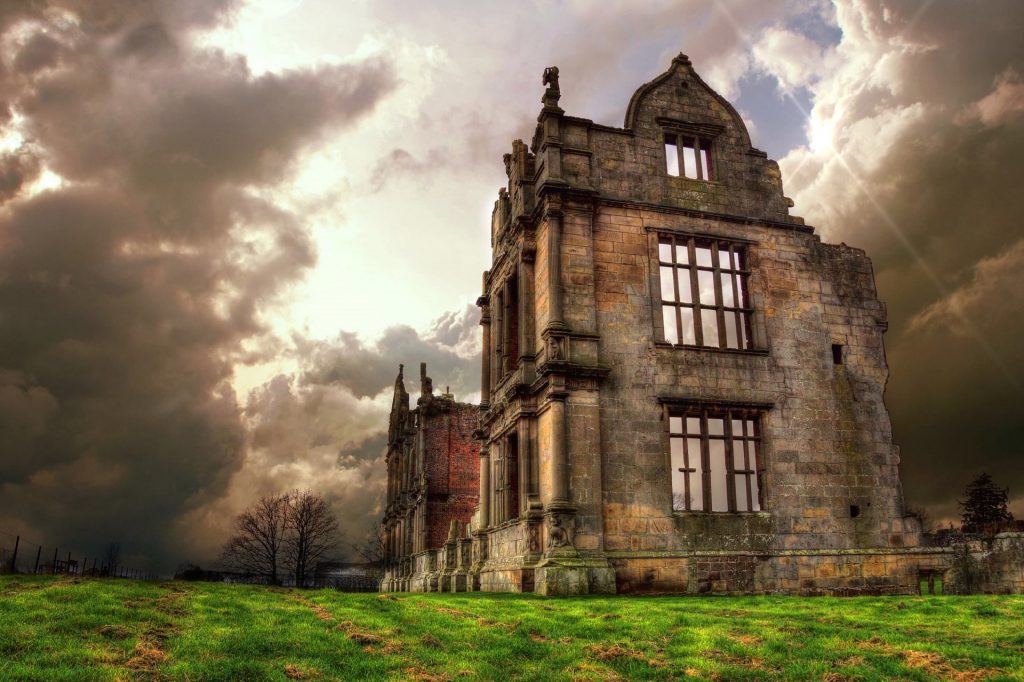
Tudor gastronomy was much richer than we now believe. They used a lot of grains, rye, oats, barley, offering people a much more varied range of flavours. Vegetables and fruit were also eaten, although only boiled or baked, because raw greens were then thought to cause illness.
Perhaps the biggest difference from our diet today is the seasoning. In the days of the bards, flavours were used much more boldly, cinnamon and chicken, for example, were perfectly compatible and you could easily find black pepper, honey and cloves in a rabbit stew. It is a misconception that all this was done to mask the flavour of any food that might have gone wrong, a trend that was more likely to develop with the infiltration of oriental flavours.
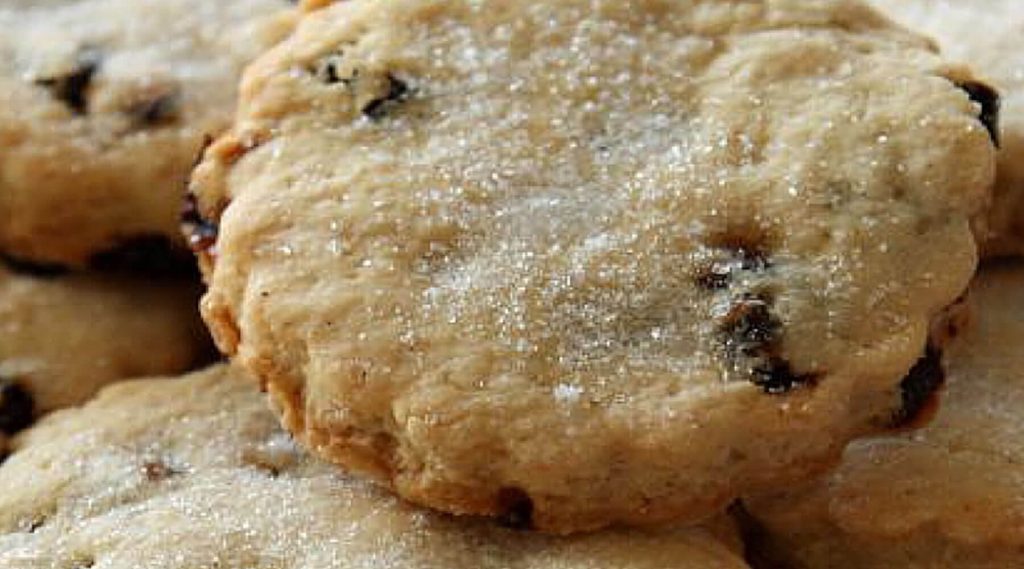
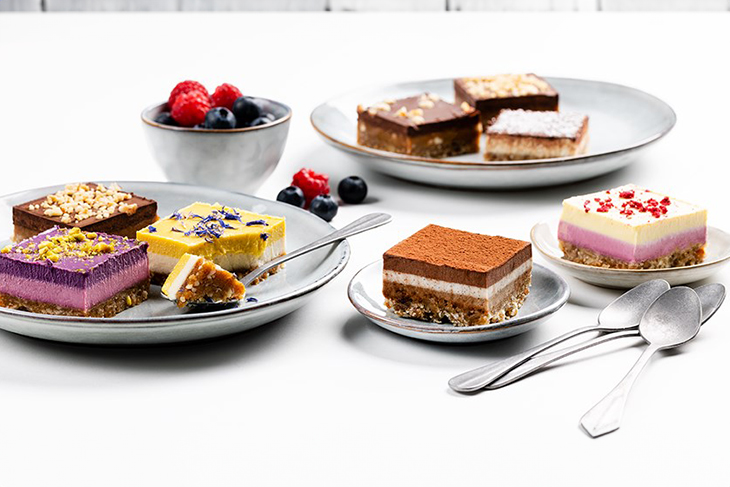
„Do you think that because you are of strict morals, there are no more tarts and more sermons in the world?” exclaims Tóbiás Böffen in the second act of the Baptism of the Baptist. József Lévay's Hungarian translation is gastronomically misleading here, the English original has the word „cake” in it, and British scholars swear that Shakespeare was referring at this point to the Shrewsberry, or Shrewsbury cake, named after the Shropshire town. It was made of what looked more like biscuits, made of sugar, flour, eggs, butter, and flavoured with lemon zest or rosewater. The original recipe is no longer made in shops, and Shakespeare might not even recognise the Shrewsbury cake we see in packets today. But it's still delicious...