






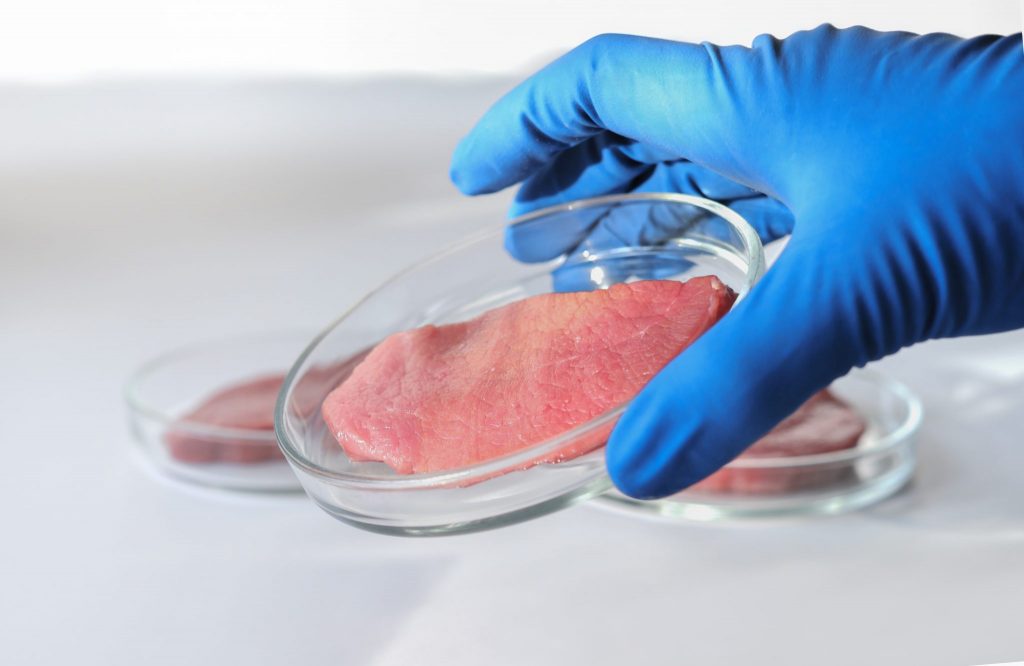
The potential of growing meat in laboratory conditions is astonishing. Imagine eating a lion burger, a tiger steak, a zebra stew or an elephant roast. You could try giraffe or even hippo mince. All of this may sound morbid at first, but if you don't have to harm the animals and threaten the populations to try it, you have interesting possibilities with this technology. New York-based Primeval Food has its own way of creating food, and it does so without harming any living creatures in the process.
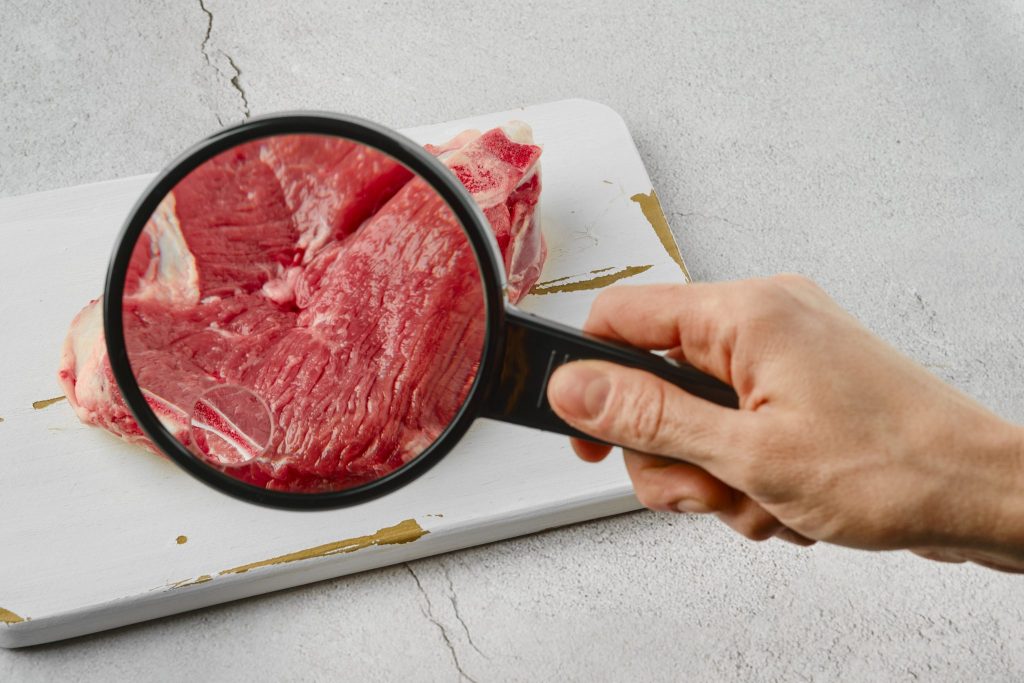
The farmed meat market on the up
In the farmed meat market, Primeval offers a more exotic origin of lab-grown meat. These products everything can be found, that meets modern needs. For many, this technology may seem alien, but in the long term it could be the future. The biological potential is there and, combined with the right knowledge, the possibilities are endless.
Based on the idea of Primeval Foods founder and CEO Yilmaz Bora, the company works with exotic, non-domesticated species such as lions, tigers, zebras and elephants because these products have a unique appeal in the modern foodservice world. food-related with all the “mandatory features”. So it's a great differentiator, it's novel, it's exciting, it's environmentally and animal friendly, and it's highly Instagrammable.”
Experience and sustainability
The creation of Primeval Foods was justified by a demand system that has emerged in recent years. More and more people are concerned about the welfare of animals. For many, the need for food to be environmentally friendly is a major concern. Most vegan food lacks taste and excitement for a carnivore. This raised an interesting question, namely how to make a dish that would appeal to the obsessive meat eaters but also an animal-friendly solution.
The University of Oxford published an interesting study 11 years ago. It already described how farmed meat can be good for the planet. It could result in 96% less greenhouse gas emissions, with 45% less energy. It can be produced with 99% less land use and 96% less water use than conventional meat. It also ensures stability and stability of supply. With cultured meat technology, you can eat any meat, any time of the year, without any supply chain or taste problems. Transport costs and the associated energy consumption can be eliminated.

Cleanliness and hygiene
Meat grown under sterile, controlled laboratory conditions avoids contamination. Free from hygiene risks that could affect the meat market. Naturally, no bone, skin or fat marbling is produced in cell farming. This is because muscle cells and fat cells require different nutrition and cannot be grown. For this reason, many farmed meat products hamburger or in the form of a lump.
Y.B.: „Most consumers are looking for an experience when they go to a restaurant. Traditional species such as chicken, pork and beef have reached their limits. It's important to create new experiences and new flavours for guests. We had to do something unique, so I ended up growing exotic meats, starting with lion meat.”
An opportunity for the meat market and restaurants
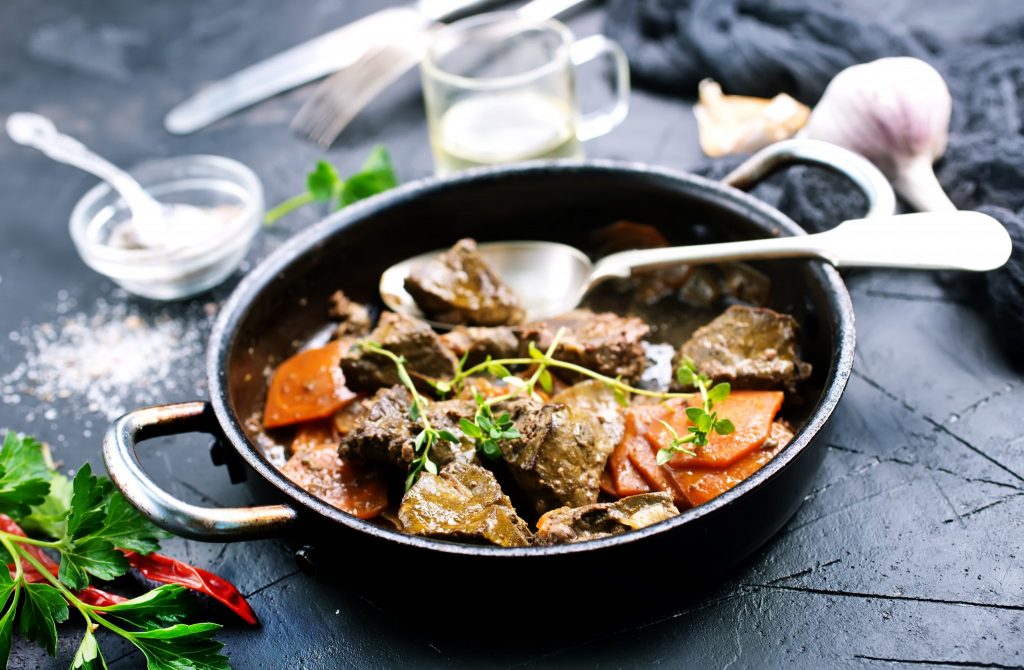
Yilmaz Bora sees his company supplying food businesses, not supermarkets, for the foreseeable future. There are huge opportunities in this market that could change supply chains. Not only sustainability but also economics are at the forefront. As soon as we have the means to produce farmed meat cheaply - which is not far off - we can start to see some serious changes. A particularly important segment is catering, where there is great potential for this area because of its uniqueness.
Y.B.: „In the near future, we will also be launching our products in the hospitality sector. We believe that chefs are in high demand for unique solutions and unusual flavours. We want to make this possible with special meats. In this way, chefs and restaurants can even tailor the meat products they produce to their own culinary style. This could be a great market entry strategy for both meat companies and restaurants.”
The duality of farmed meat
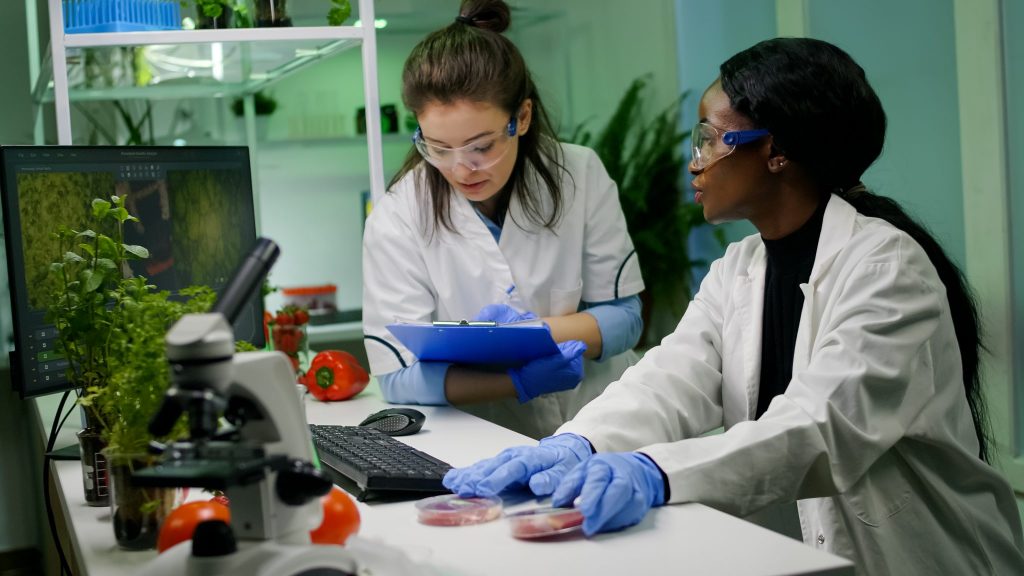
Consumers still have to get used to and accept farmed meat products. It is also clear that these unique products will be attractive in some markets and will be rejected in others. It is an unusual industry, far from being common knowledge, but it has great potential.
Y.B.: „We will market our products in high-end restaurants because our production costs are quite high. However, our products are very well suited for high-end restaurants, as this segment is known for speciality food and solutions. It is worth starting building from here.”
Source : https://www.ktchnrebel.com/cultured-meat-invitro-lab/