






Hospitality businesses are on a forced path. They need to find ways to keep energy costs down. The current situation is facing rising energy bills across Europe. In our country, too, running costs have increased severalfold, and in many cases they are almost impossible to afford. The situation has become untenable.
The facts
Households and businesses across Europe are facing rising energy bills. These are driven by rising demand in the wake of the Russian invasion of Ukraine and supply-related concerns are. The EU imported 21% of its gas from Russia in 2021, leaving member and non-member countries exposed to higher energy costs. The impact on commercial kitchens has led to significant price increases that no one has compensated for, meaning consumers have to find a solution. In light of this, the energy crisis is a huge incentive for more sustainable practices and reduce costs.
The electrification of kitchens is inevitable
In Germany, the amount of natural gas imported from Russia has been reduced to 11%. The aim is to shrink it further. Currently, 46% of Germany's energy comes from renewable sources such as wind, solar and hydropower. In many parts of the world, this trend - for example in the US - means electrifying kitchens to reduce costs and increase efficiency. Although this has been the norm in Europe for at least 20 years, these processes are now being forced to accelerate.
Make your kitchen more energy efficient
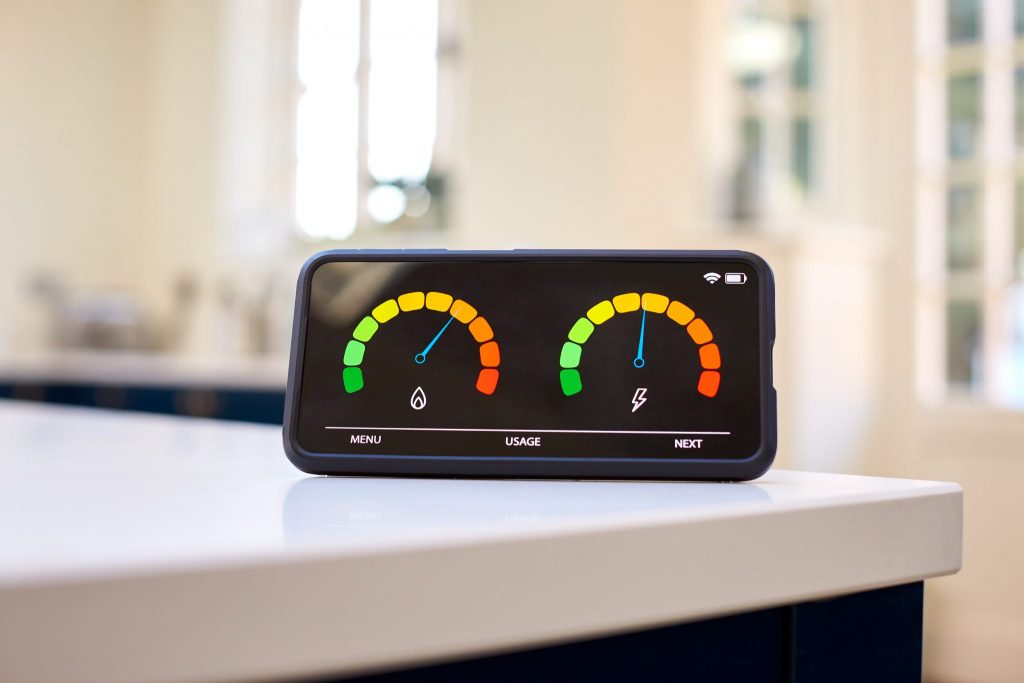
There are a lot of little things to look out for that we have been neglecting. Do not switch on the cooking appliances before use, as they can take several hours to run in the long term. The same applies after use and when there is an opportunity to use them when they are not needed in the work process. Only operate the ventilation system when justified. Unnecessary running costs a lot of extra money. Increased attention should be paid to the doors of refrigerators and cold rooms, so that they are not left open even accidentally. If the insulation is worn, it should be replaced as soon as possible, so we can reduce their consumption. Those who have the opportunity should install and use energy monitoring systems.
Denis Daveine of the French FCSI, Alama Consulting: „There's no doubt that equipment control systems (cooling, cooking, ventilation) and better insulation will help reduce energy costs. Various control systems also warn of excessive consumption, but these are often not followed up. Staff have a huge responsibility in this area.”
The role of workers
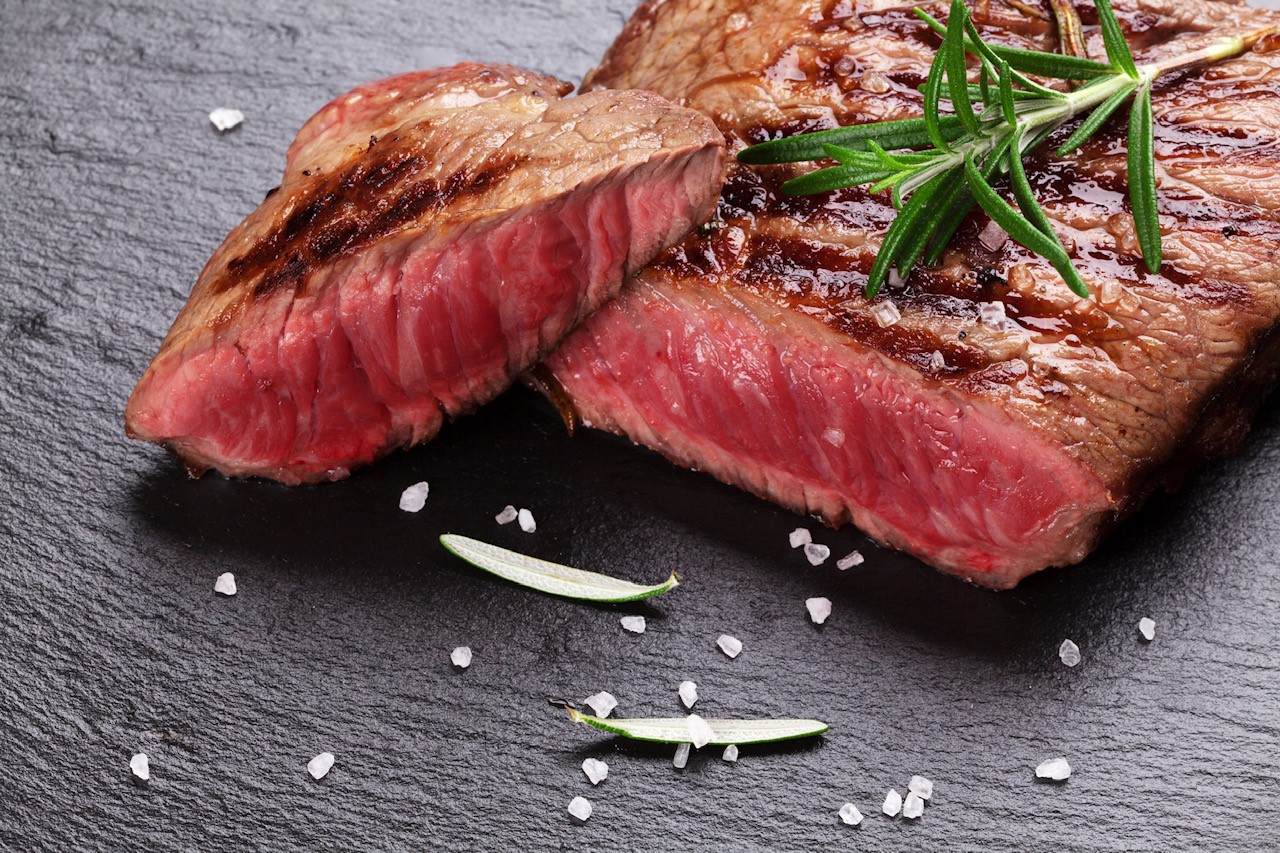
Generations of cooks have grown up using induction systems in their everyday lives. They know about heating/non-heating. They also know how which equipment can affect electricity costs. They are also familiar with which food preparation is more economical, for example, vegetarian meals are probably more energy efficient than cooking meat. Cooking a steak requires more energy than cooking a cabbage. It is clear that the preparation of hot food is the key point in the kitchen, and it is here that regulations and innovations are most needed. More efficient equipment should be used and old equipment renovated. Staff training is also important. By training kitchen staff and using energy-saving working methods, a restaurant can achieve savings on a daily basis.
The dishes
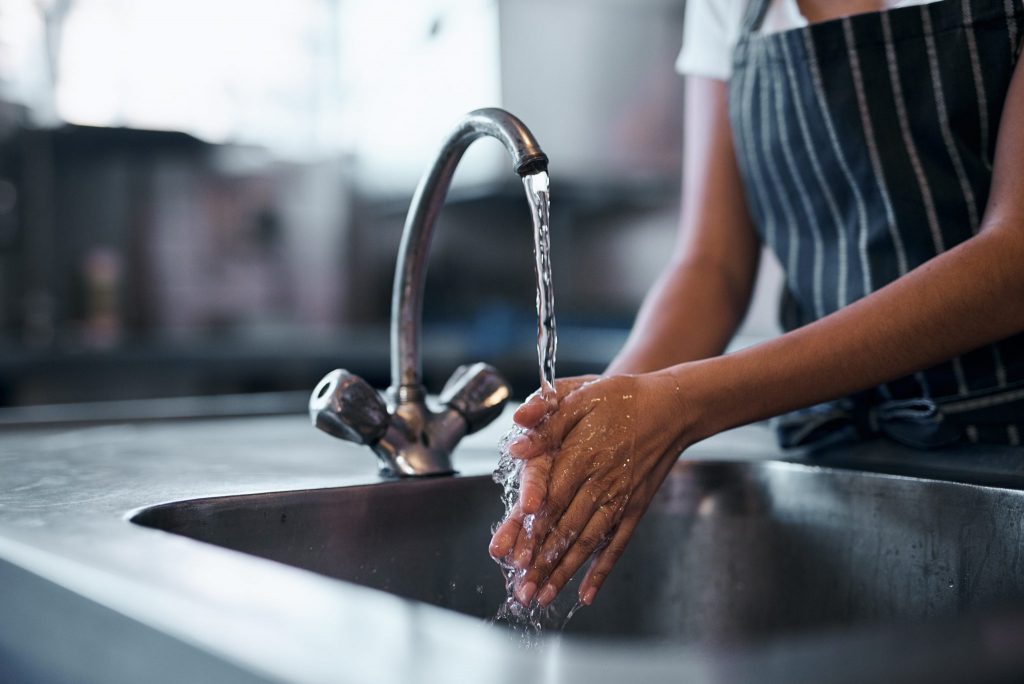
The aim is always to use less water. Fix dripping taps, and dishwashers. Less water means less energy. This could be one of the biggest innovations for efficiency.
Heating, cooling systems
An efficient kitchen creates minimal heat loss. Heating kitchens is now a necessity, whereas in the past it was not. So we are trying to reduce the running costs of kitchen equipment, heating the room is an additional cost. It is also worth paying attention to this and considering possible solutions with a professional (heating designer).
Frank Wagner FCSI food industry consultant: „A special designer is needed for the central cooling system. The systems are quite common in Germany, as the government helps to cover the cost of installation, thanks to the fact that they reduce C0 2 emissions. They dramatically reduce running costs. Even in countries where the state does not provide financial support, such a solution may become more attractive, as the increase in energy prices makes it make sense to have two machines instead of 10 machines with the same cooling capacity. A lot can be saved, especially if the heat is recycled, for example to heat the building.”
Source : https://www.ktchnrebel.com/hospitality-rising-prices-save-energy/