





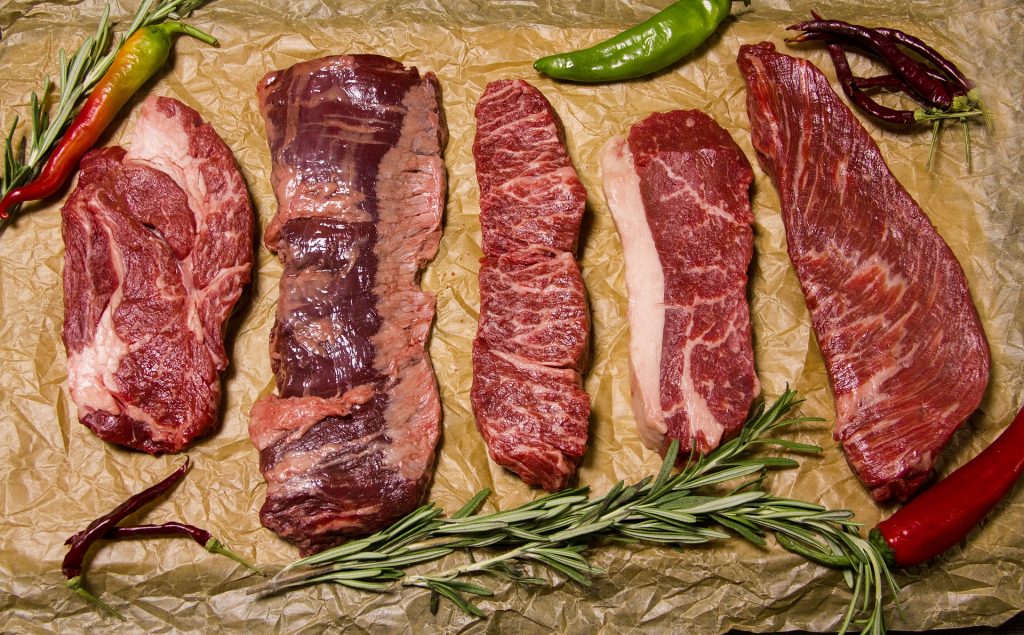
How do we know if the meat is good? It's best, of course, to buy from a place you trust, one that has a proven track record. However, it's worth learning a few basics.
1. Colour
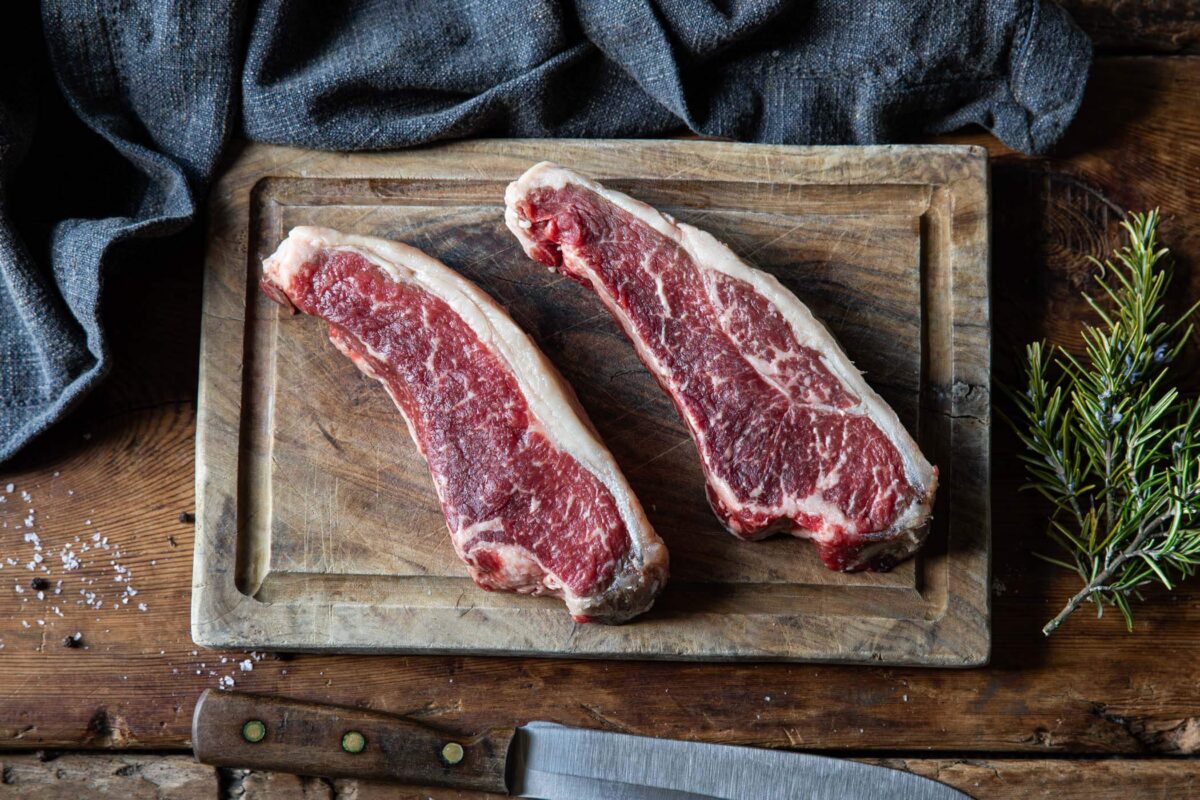
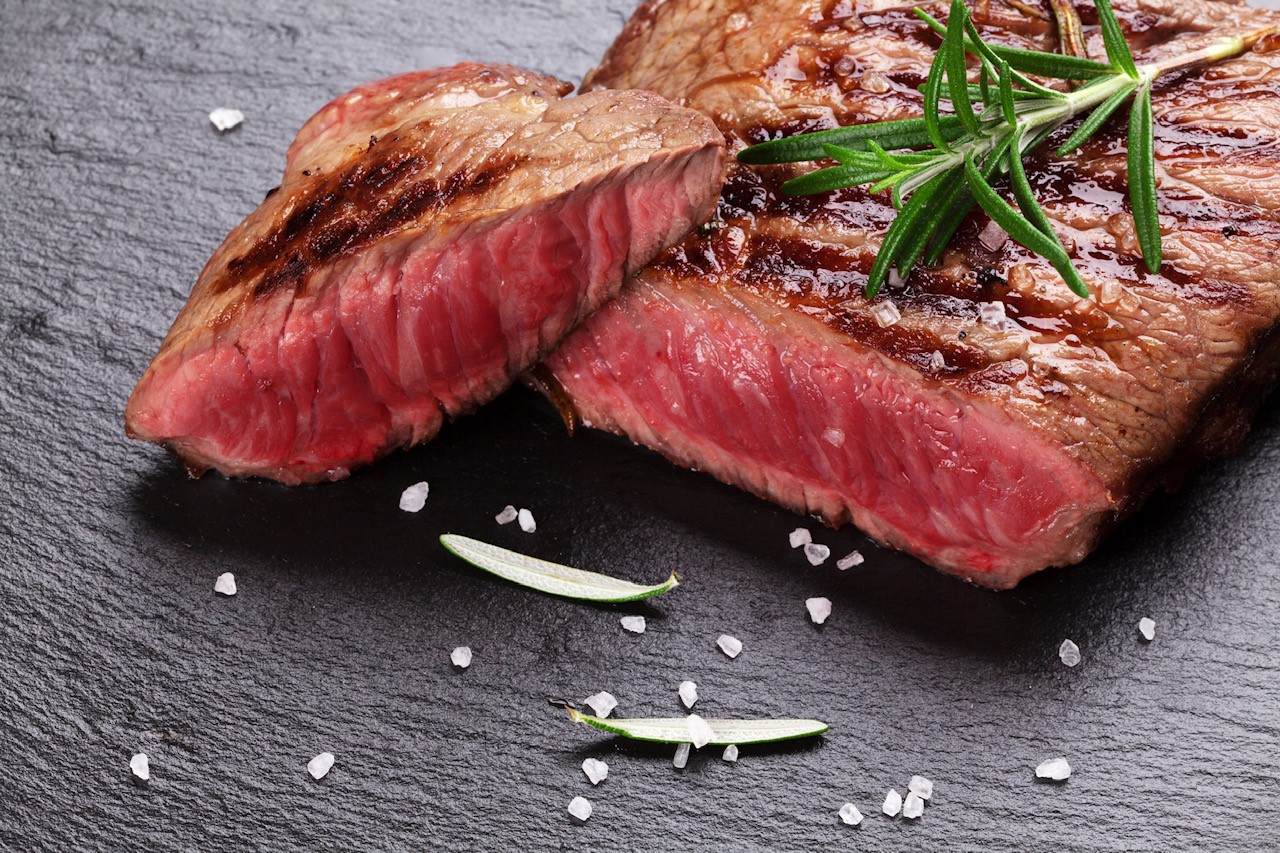
The colour of the meat also depends on the type of raw material and the age of the animal. The meat of younger animals is generally lighter than that of older animals. Fresh beef dark red, slightly marbled. A lamb light red, also marbled. A pork shining pink, the venison and easy to distinguish from the others because it is almost brown. A wingedThe colour of the flesh of the animal depends largely on the animal's diet, for example, if it has been eating maize, it will have a yellowish colour.
2. The surface
The surface of the meat should be flawless, nice and smooth. If wingedand you have the opportunity to press down, you should immediately become suspicious if the pressure point does not smooth back after you have taken your finger away.
3. Marbling
Meat marbled with hair-thin fat is always tastier and crumblier than completely lean meat, because the fat stores a lot of flavour that only comes out when cooking or frying.
4. The broth
When buying, it is always worth checking the cut surface. It's not a good idea for meat to be soaking in its own juices, whether it's pre-packaged or over the counter.
5. The smell
Fresh, good quality meat has either no smell or a very slight smell. Anything else, a sweet smell or unpleasant odour, should be suspected.
6. The packaging
It is very important that you only buy or receive goods in intact packaging. And vacuum-packed meat should be almost dry. If you see tiny droplets inside, this could mean that the meat has been cured and then frozen, the ice crystals have damaged the fibre structure and the quality is no longer good.
7. Storage, refrigeration
Especially in the summer, but it is also very important to pay attention to the refrigeration conditions under which the meat is delivered to you. As soon as you receive it, put it in the fridge as quickly as possible. It should always be kept cooler than 7 degrees Celsius, and is best between 2-4 degrees Celsius. If you want to use it later, you can put it in the freezer, but eat it as soon as possible.
Good quality meat is valuable and therefore naturally more expensive, but it is not worth buying bad meat, because poor quality meat not only has less enjoyment value, but can also cause serious diseases. It is better to buy a little less, with more thought, than to buy bad meat. In the long run, it's a good investment.
(source: fairfood4you.com)