





What prospects do restaurateurs face in the new year? After a period of hardship and delivery since 2020, 2023 will bring new challenges for restaurateurs: they will have to fight to keep guests from choosing to dine at home in a deteriorating economic climate.
Unfortunately, there is no comprehensive, recent Hungarian research on the subject, but in the UK there are ongoing yearly surveys to help those involved in the hospitality and retail sectors. To try to get an idea of what to expect, we have drawn on the findings of the British market research company IGD.
Crisis spiral
Covid and delivery was only Act 1
Market research firm Eating In Vs. Eating Out 2022, a report on the relationship between eating at home and willingness to visit restaurants changes in. The background is well known: the impact of the pandemic has paralysed hospitality in the traditional sense. As expected, this has had a major impact in 2021. But unfortunately, the old order was not restored as the epidemic curves began to fall. Following the international events of last year, the war in Ukraine and the disruption of the supply chain, the Western world is facing an economic crisis. The combination of food price rises, which are set to hit negative peaks in 2022, the energy crisis in Europe and inflation will continue to have a profound impact on our habits.
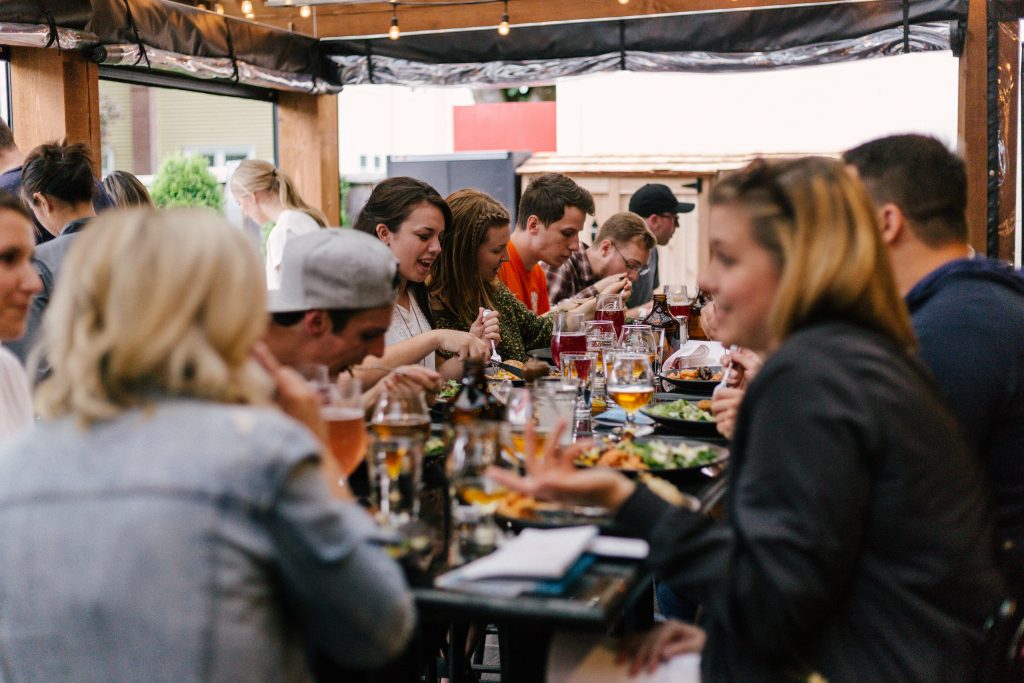
Their research shows that since the big crash in 2020, more and more people are choosing to eat out again every year. Before the pandemic, the figure was 37 per cent. By „eating out”, they mean any form of eating out that is not done at home. From buffets to takeaways and street food outlets, to workplace catering, pubs or even elegant restaurants. The IDG also includes eating out in the category of takeaways from restaurants and eating in in the category of food bought in shops, whether cooking at home or eating semi-finished or finished products.
Actionable statistics
How plus 6.6 becomes minus 2
The significant market share of 37 percent fell to 21 percent in 2020, almost half. By 2022, the restaurant sector had grown by 6.6 percent, with more people choosing to eat out than at home compared to 2021.
According to IGD's market forecasts, restaurants are expected to grow by another 5 percent in 2023, giving them a 29 percent share of the foodservice market - food retail is forecast to dominate 71 percent of the market this year.

However, if inflation, raw material purchases and energy price rises are taken into account, the picture is very different. Despite a 6.6 percent increase in restaurant visits in 2022, there is actually a 2 percent economic decline compared to 2021. Let's not forget that 2021 was also a year of intermittent restaurant closures.
After delivery challenges, inflation is here
Nicola Knight, insight manager for IGD's consumer insight research and an expert in the restaurant sector, said that restaurant closures in 2020 have forced a significant shift in consumers to eat at home. In 2021, there was a gradual return as restaurants opened alongside nightclubs, increasing consumer confidence and the desire to go out.However, this trend will stop from the fourth quarter of 2022 and into 2023, Nicola Knight said, as retail channels start to „steal” the share from restaurants in a deteriorating economy.
New passwords after delivery
Buy cheaper, less and own-brand products from chain stores
The year 2022 has also brought an unprecedented phenomenon. Consumers in higher-income households have also started to change their spending, including making delivery less of an option. Fears of depreciating money, rising energy bills and mortgage repayments are showing up in our purchases and choices - and no longer just among those on low incomes.
So the new challenge for hosts is clear. They need to develop new strategies at a time when consumers are looking at the price labels of even the most basic foodstuffs. While chains are trying to attract customers with coupons and loyalty schemes, restaurateurs are asking themselves: how can they make dining out attractive to consumers while facing higher than ever before spending? Delivery is increasingly seen as a luxury, although it remains part of everyday life in the big city.
We will continue to look at this topic from several angles.