






It's certainly not a game for beans, as they are one of the oldest foods known to mankind. It's a very beneficial staple in the world's kitchens, as it contains many important nutrients that our bodies need. Many bean dishes are known across all continents and cultures. Who doesn't know a good home-made bean goulash, bean stew or chilli beans? It's even become an iconic character in Bud Spencer and Terence Hill's films - the onion bean.
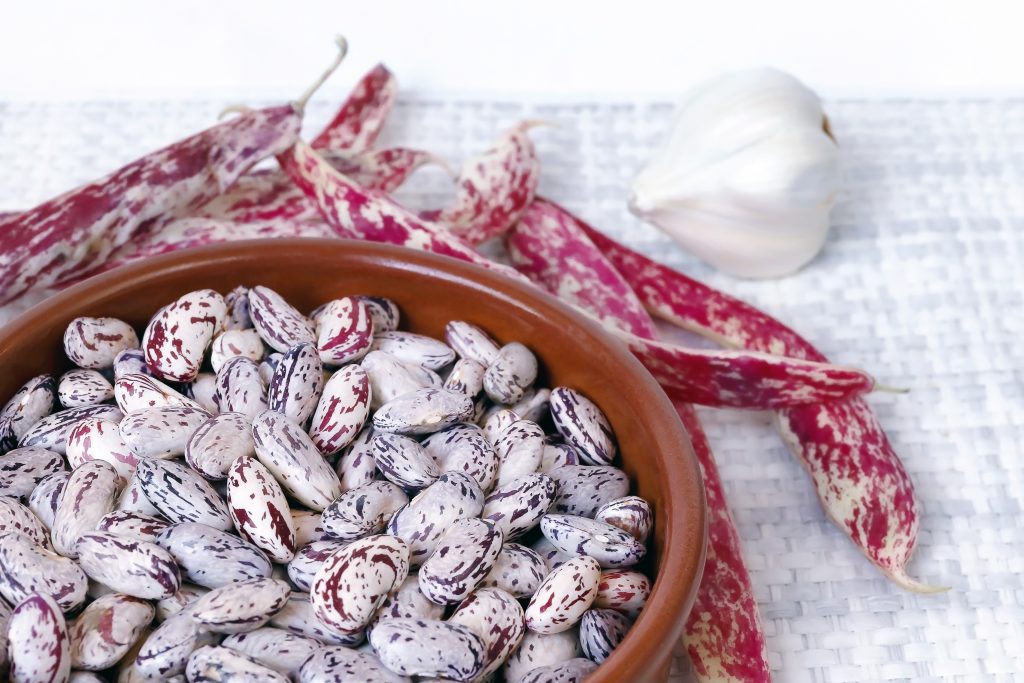
When did the beans sprout?
There are many plants known as beans for short. Native to the Americas, it has been cultivated by Native Americans for about 5000 years. Peru and Mexico have the oldest records of beans, but in prehistoric times the Egyptians placed beans in the tombs of the pharaohs. So it can be concluded that beans have nourished mankind since time immemorial. It was introduced to Europe by Columbus, found in France around the 1530s and first mentioned in 1548. From there it later spread to Africa, Asia and then Australia. A career of beans not surprisingly, it is an ideal source of protein, easy to transport and store, highly nutritious and extremely rich in fibre.
In its native habitat, the Americas, nearly 4,000 varieties of beans are known. Because there are so many of them, they can vary widely. They are completely different in colour, size, shape and taste. You can find white, brown, purple, purple, spotted, and they vary in size. The world of beans is so inherent and diverse that it would be impossible to fathom.
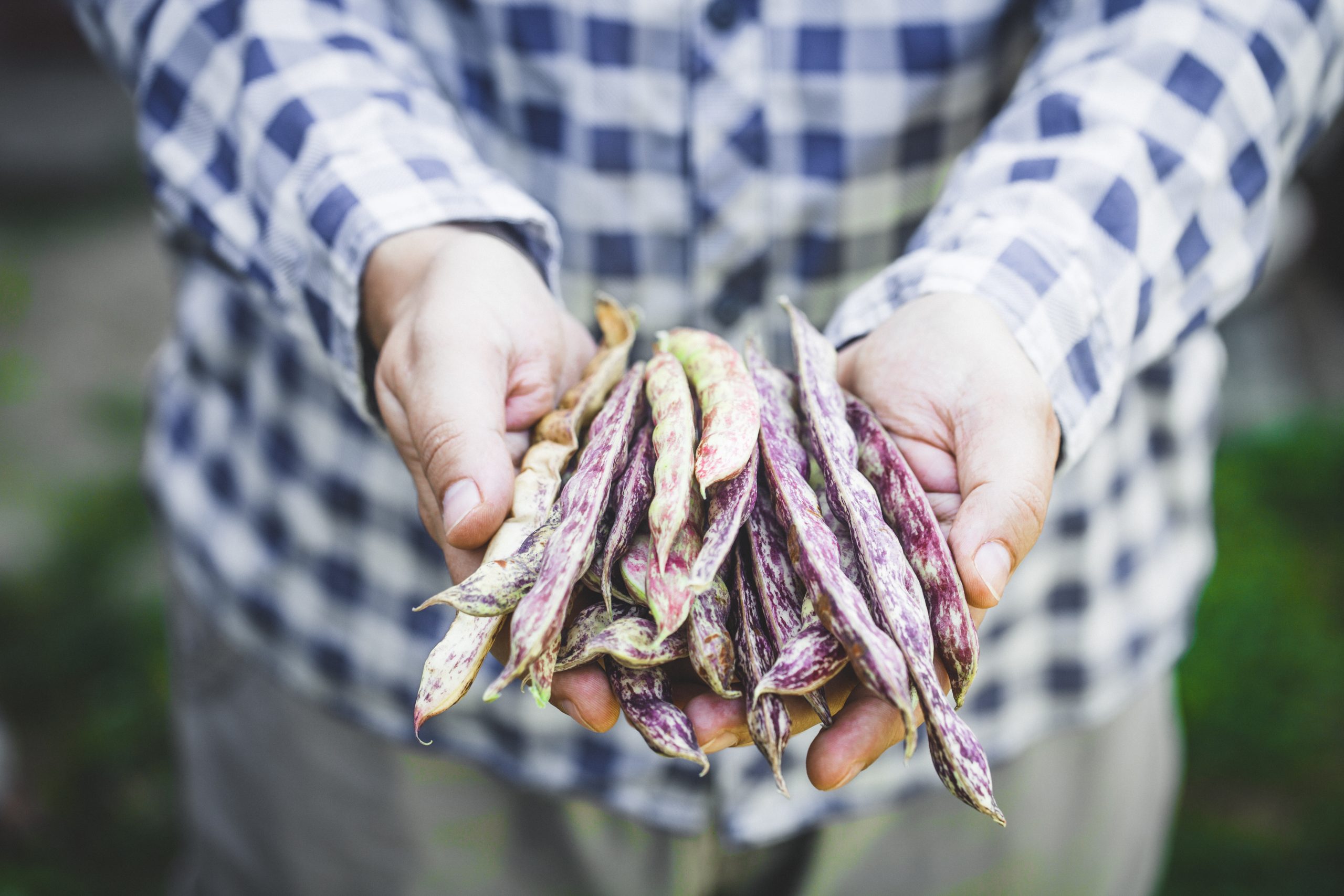
Photo by Envato elements
Beans can be a tool for sustainability
Apart from being extremely nutritious, and contains everything the human body needs, botanically and ecologically perfect. They feed mainly on the subsoil with their root system, and have a dense foliage, thus providing shade on the soil that is their nursery. They are perfect plants for the sustainability of our planet, as they obtain their nitrogen needs from the free nitrogen in the atmosphere. A beans is a rather undemanding creature, so it can be found almost everywhere. It could be of huge importance for the future of food, as experts have already predicted.
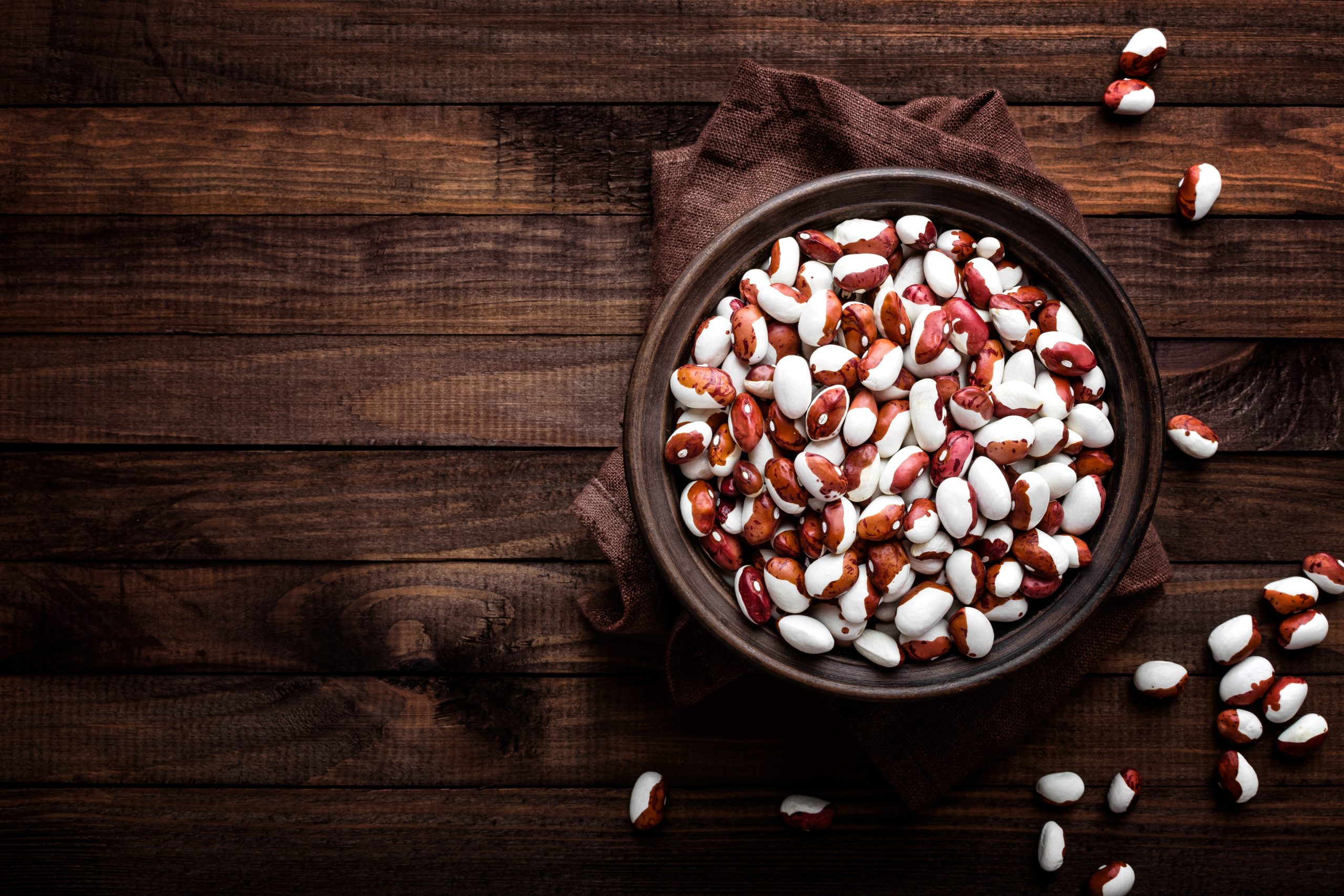
Photo by Envato elements
The healing power of beans
Hippocrates: „the sour, sour creamy bean soup elixir of life. The best nurse for a tired stomach, the guardian of health.”
Refried beans are one of the best source soluble and insoluble fibres. They can bind cholesterol, thereby inhibiting or reducing its absorption. Beans help fight the diseases of our time. Cardiovascular diseases, cancer, diabetes. The starch in beans is absorbed very slowly in the human body, so glucose takes longer to enter the bloodstream. This nutrient is of great importance for diabetics. The insoluble fibre greatly aids intestinal function, thus helping to eliminate toxins more quickly.
Broad beans contain B vitamins, pantothenic acid, iron, phosphorus, potassium and magnesium. Importantly, it contains beta-carotene, vitamins C and E. The phosphorus in it is important for maintaining bone and tooth health. The colour of the bean determines the amount of antioxidants it contains. The skin of the bean gets its colour and antioxidant properties from phenol and a substance called anthocyanins. The darker the bean, the more phenol it contains. The antioxidant content varies, with red beans having the highest content. Eating beans can help maintain weight and lower blood sugar levels.
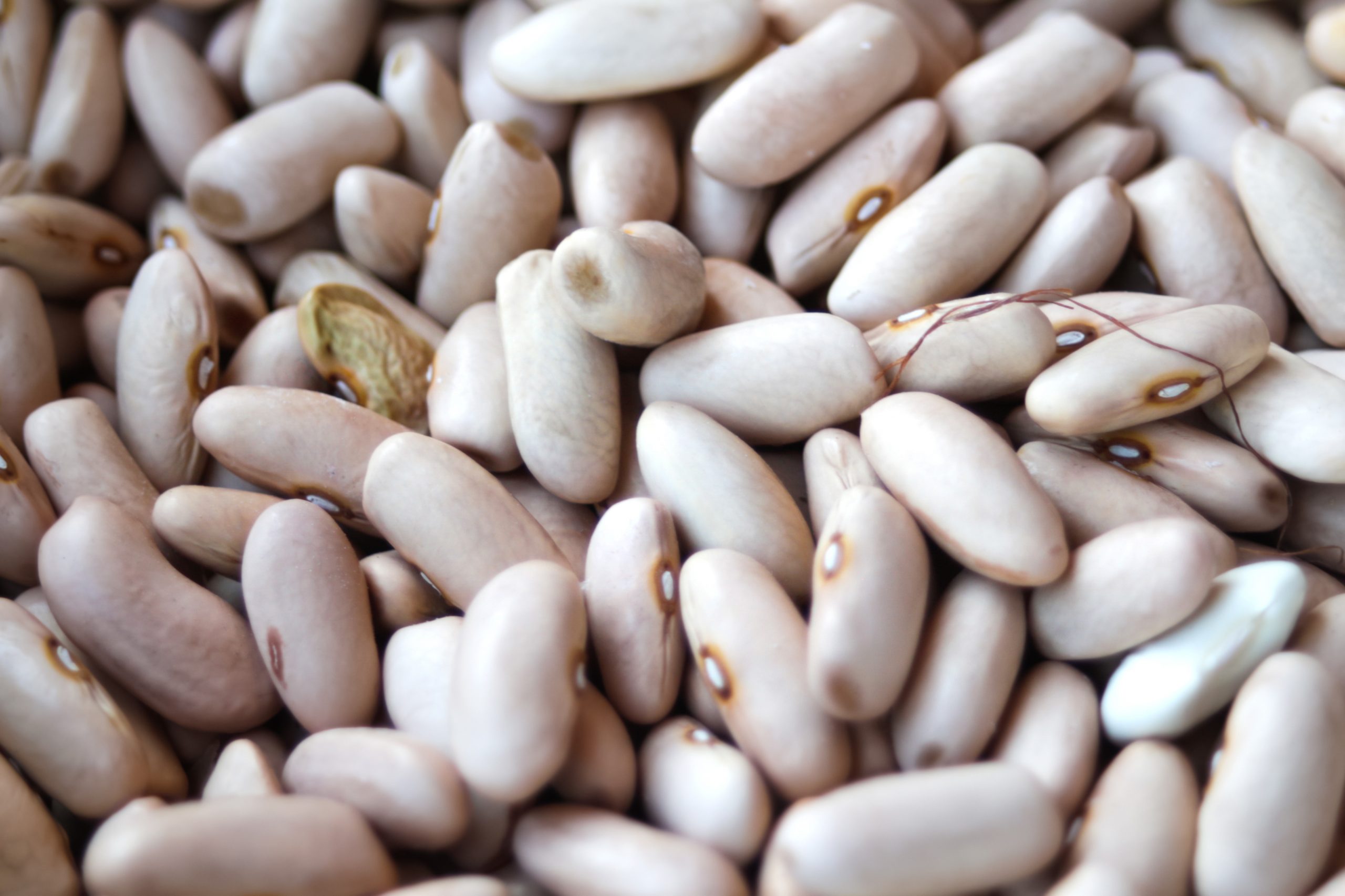
Photo by Envato elements
According to popular observations
Bean flour can be used to reduce inflammation. Applied as a poultice, its pulp is a perfect solution for wounds, eczema and itchy skin. The skin of white beans can be used to make tea. It helps to heal wounds and is useful in metabolic processes. It can help the liver and kidneys, and it is no coincidence that the shape of the bean reflects the kidney. It is a well-established staple of a vegetarian diet and plays a significant role in the diet of dieters.
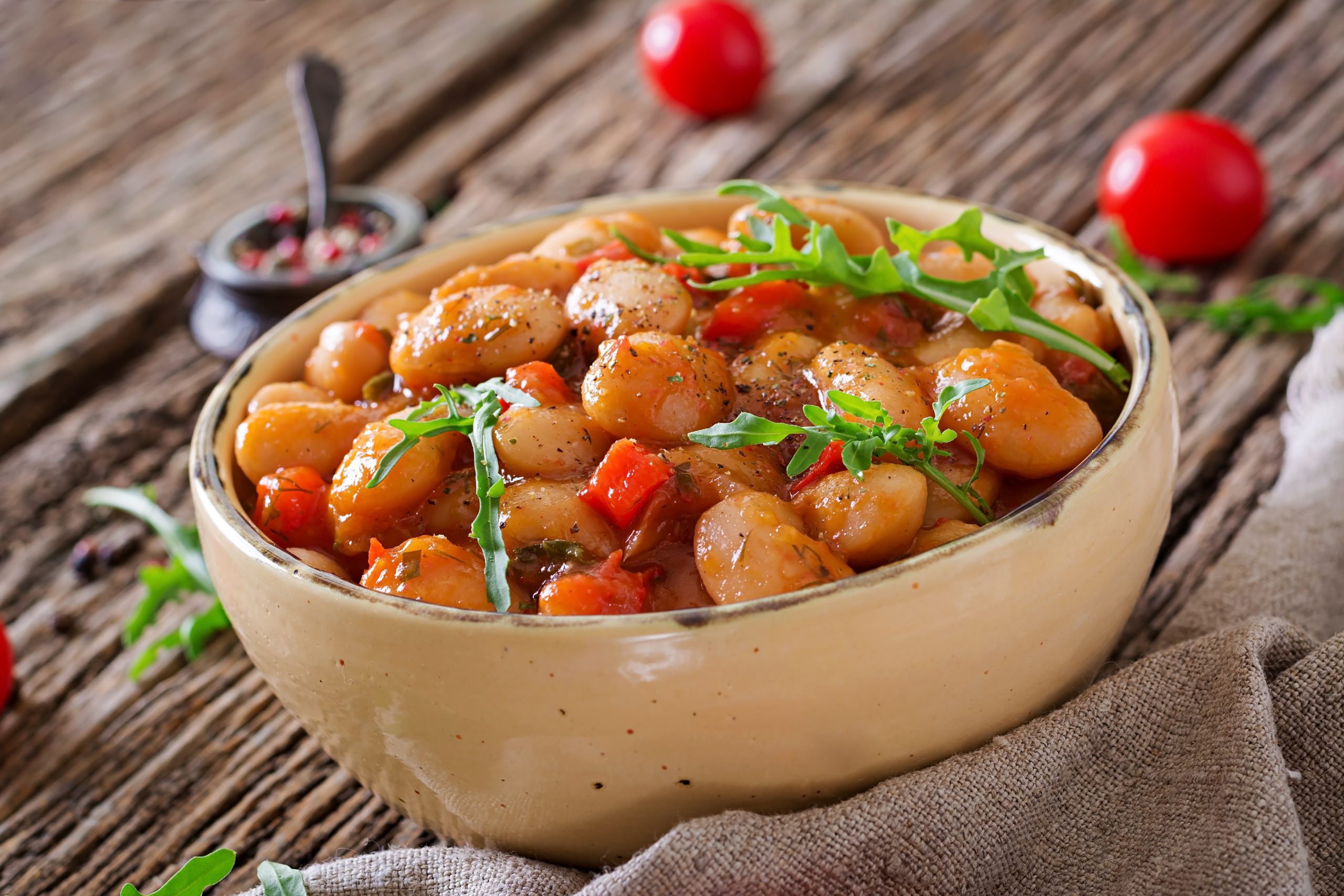
Photo by Envato elements
What and why beans?
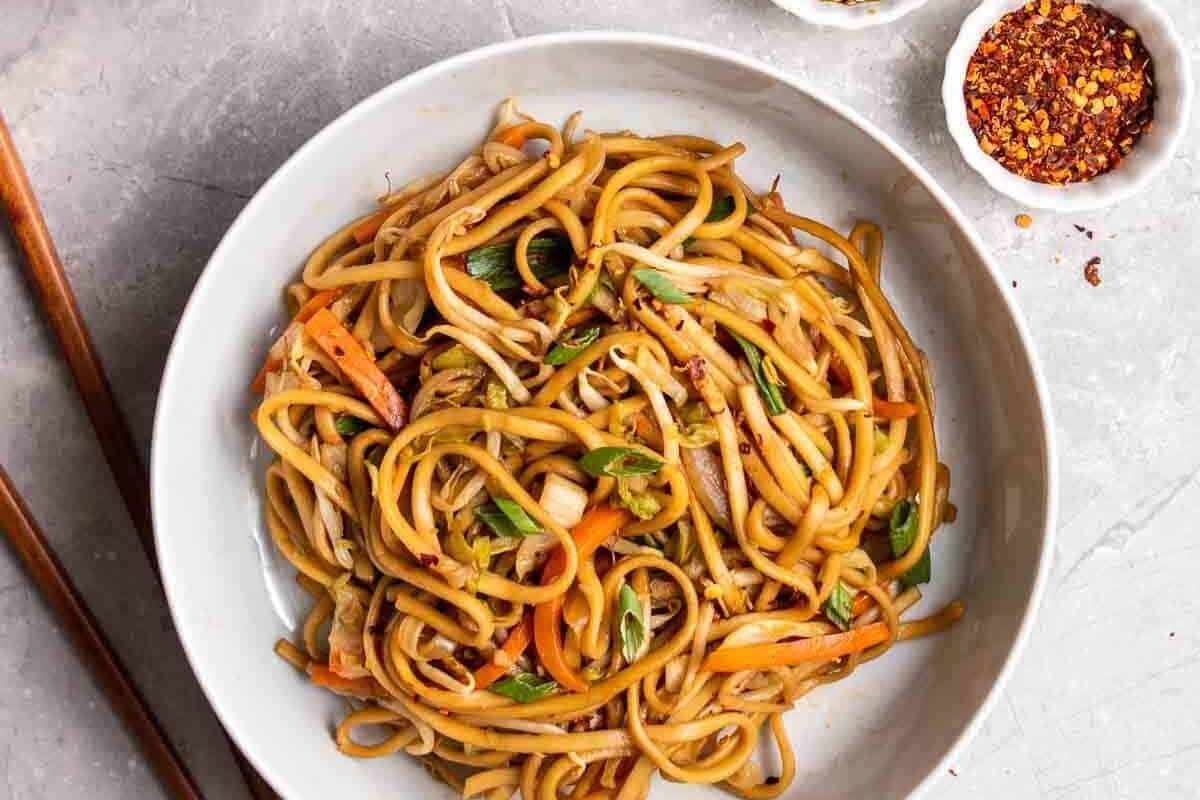
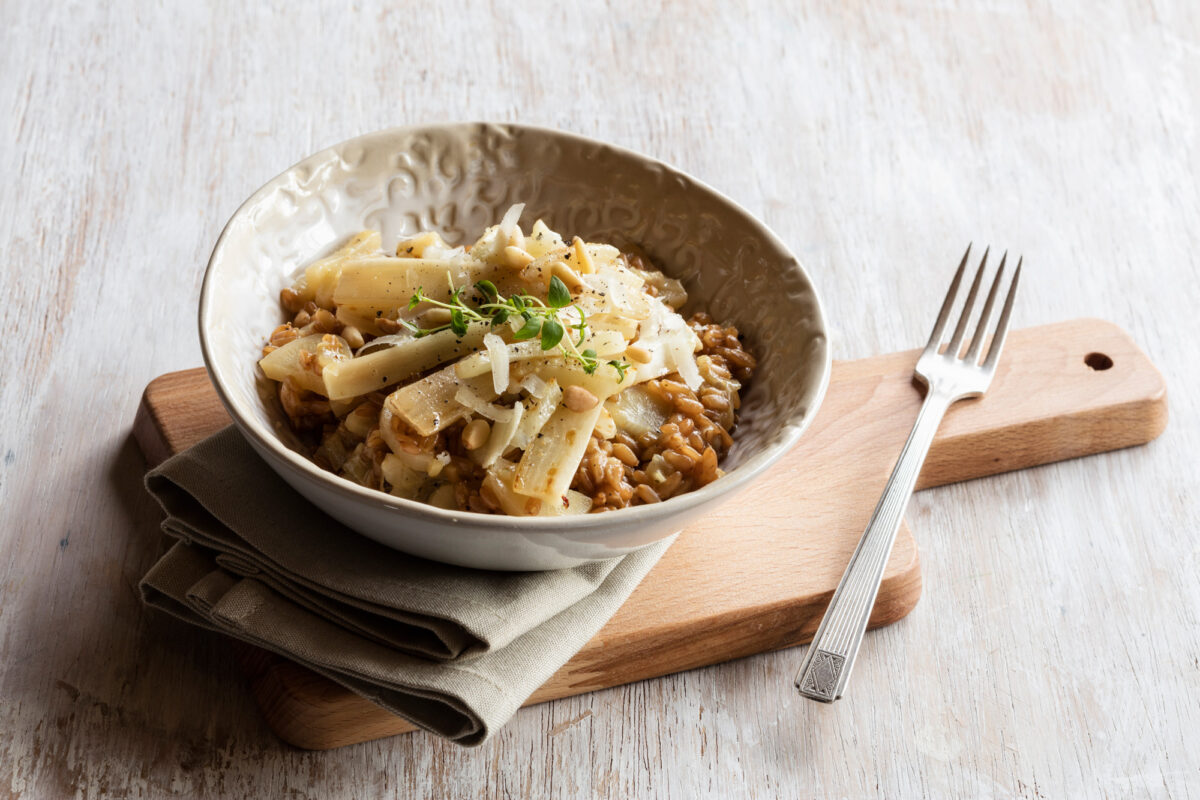
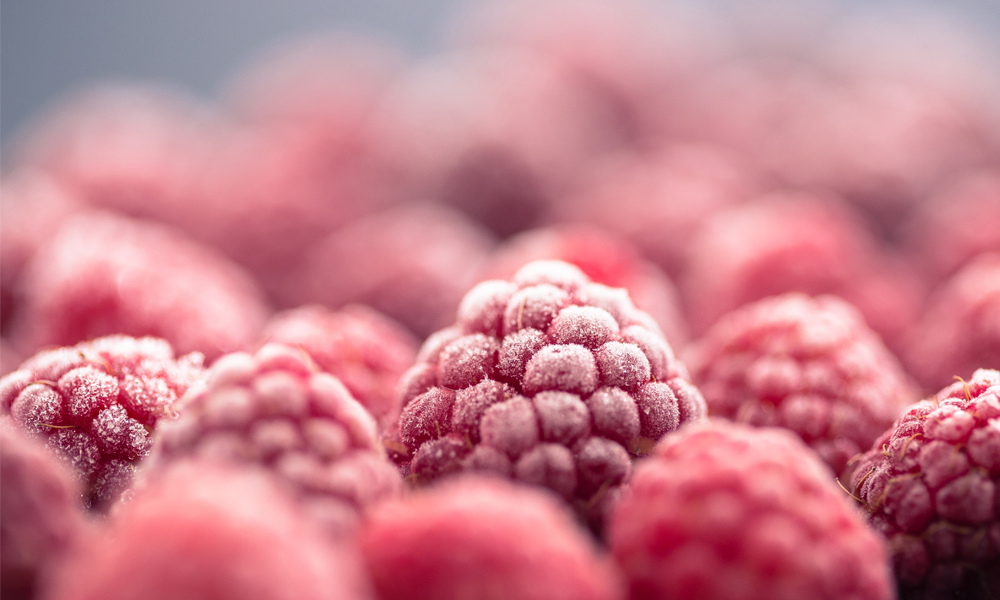
It has excellent nutritional value, and can be used in soups, stews or pureed - almost anything. A versatile ingredient. It can be used to make wonderful dishes, rich in minerals and vitamins. If you don't fancy the hassle of soaking, you can you should choose frozen or canned. It does not lose any of its nutritional value, but it is easier and more practical to use. Indians make stews from beans, and beans are also used to make glass noodles, a staple of Asian cuisine. A Hungarian taste clearly welcomes all foods with beans, be it soup or soup sauce. It can be used in soups, salads or the trendy Mexican-influenced chilli bean. We are sure that every restaurant will benefit from this ingredient.
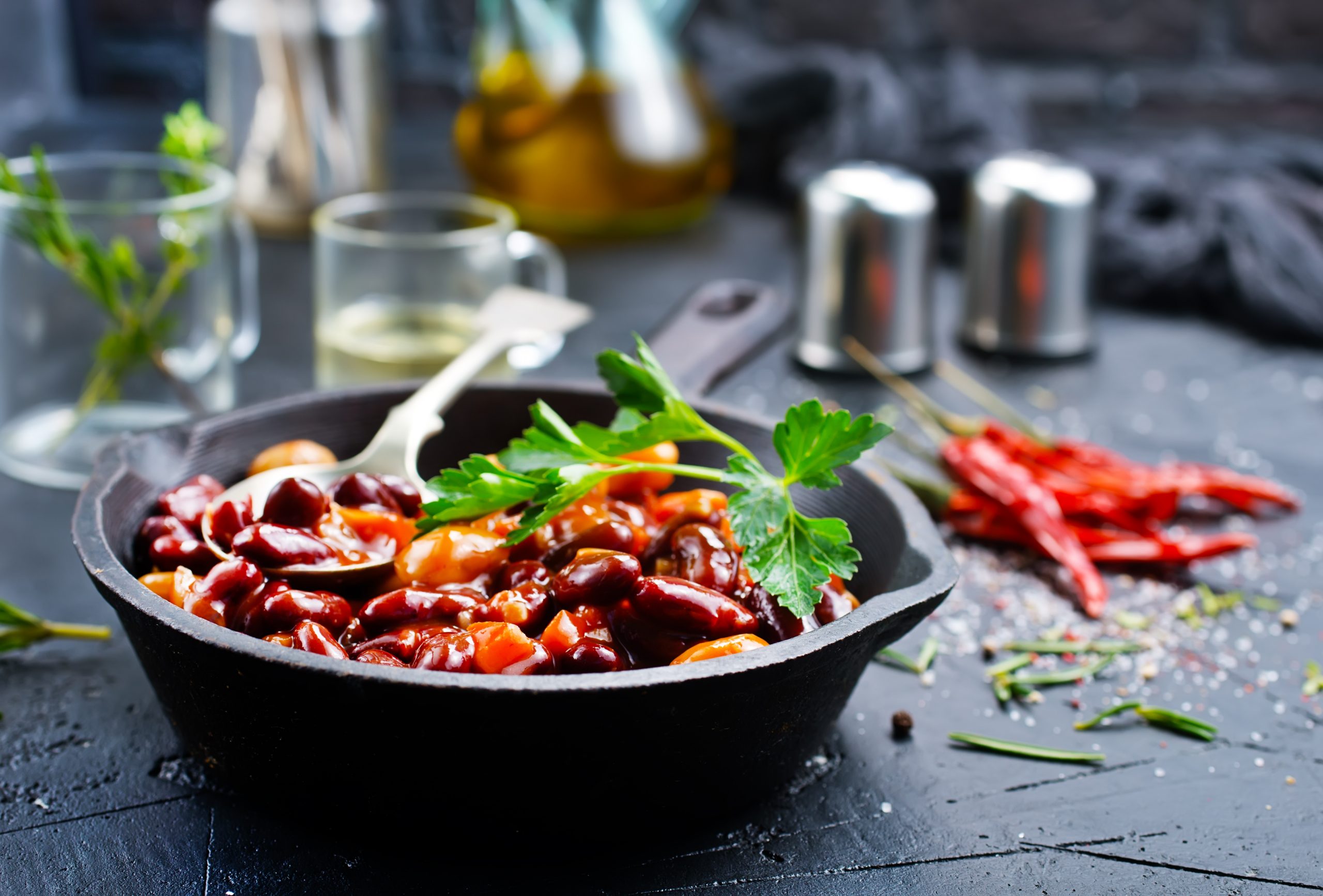
Photo by Envato elements
You can grow them in batches or buy them, as beans are well suited to being stored frozen. Before bagging and putting them in the freezer, be sure to simmer them in salted water for a few minutes, then after draining, spread them out, cool them while they dry and bag them.