






Freezing fruit and vegetables is a great way to keep ingredients to hand, and although there's no substitute for fresh produce from the farmers' market, stored fruit and vegetables are always handy for a quick soup or stew.
Freezing foods affects their nutritional value, but stored fruit and vegetables are better than not having them on your plate at all. Because they lose some of their texture and flavour, they are not the perfect choice for salads or oven-baking, but they make a great side dish or meal when mixed with pasta, rice or couscous.
How to use it, how to freeze it?
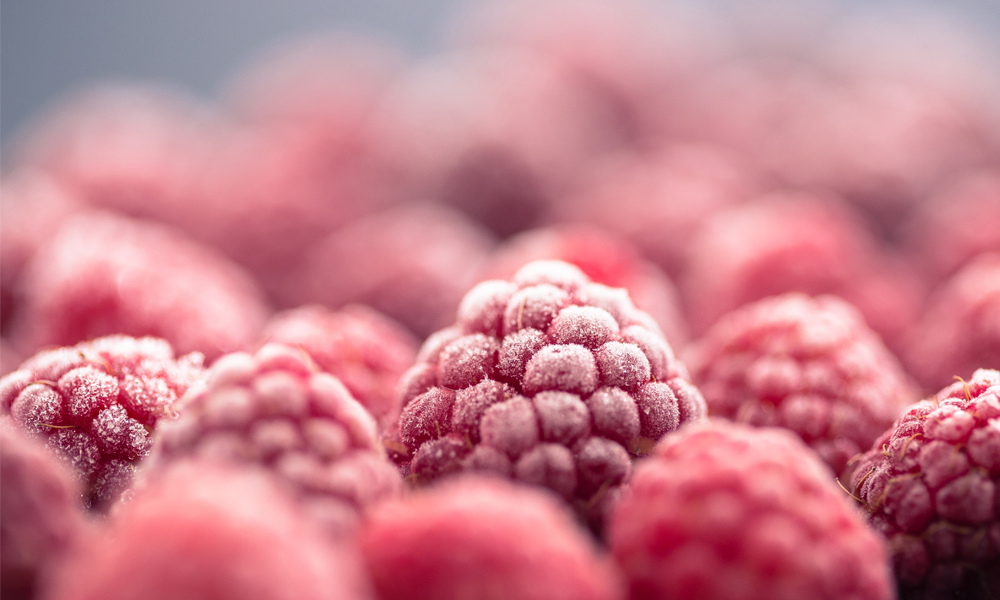
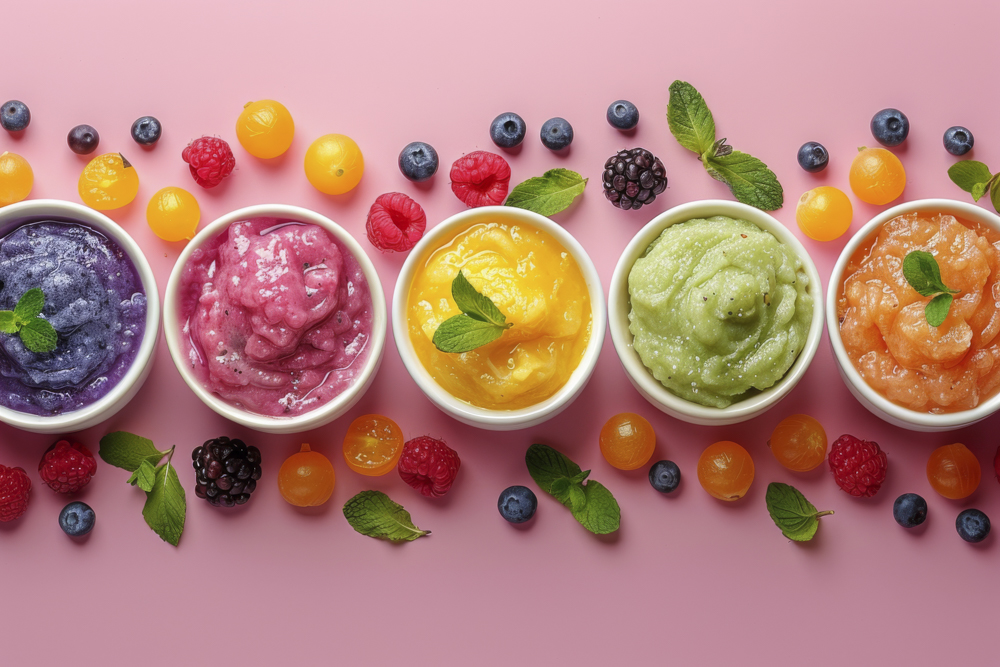
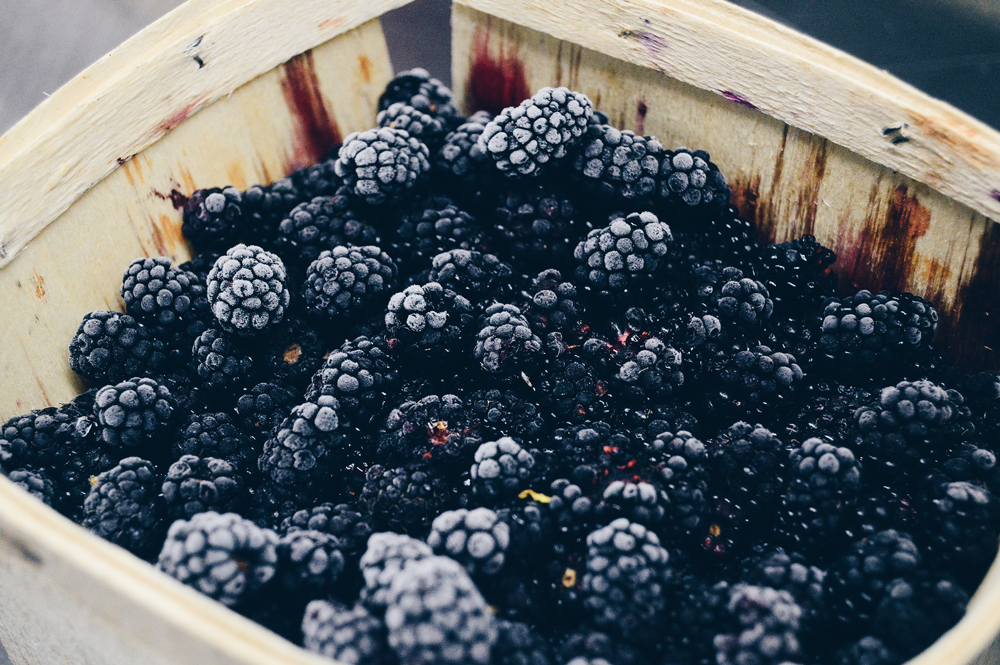
Frozen fruits, especially berries, are great for smoothies, for example, but frozen strawberries, raspberries and currants are super alternatives to ice in a refreshing summer drink.
Herbs and spices can also be stored for a long time in the freezer. Place them on baking paper on a tray and they can go in the freezer, and once frozen, you can store them in a bag in the freezer until you need them again. Unfortunately, they will lose some of their intensity compared to their fresh siblings, but this way we can play up their seasonality nicely.
It is very important that if the treats you want to put in the freezer are no longer completely fresh, they are unfortunately no longer suitable for storage.
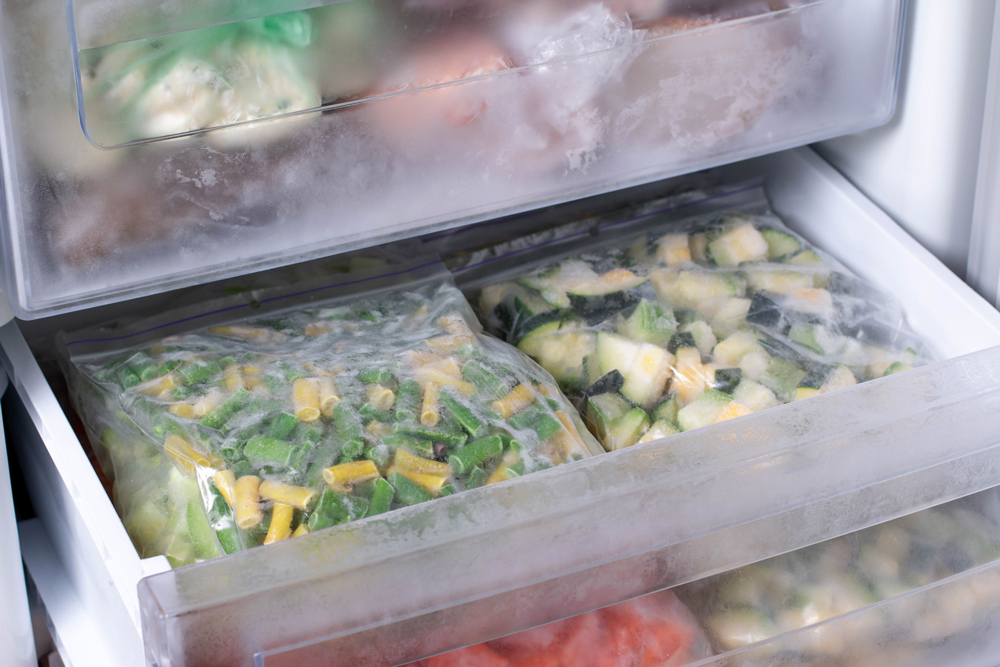
Which fruits and vegetables can be frozen?
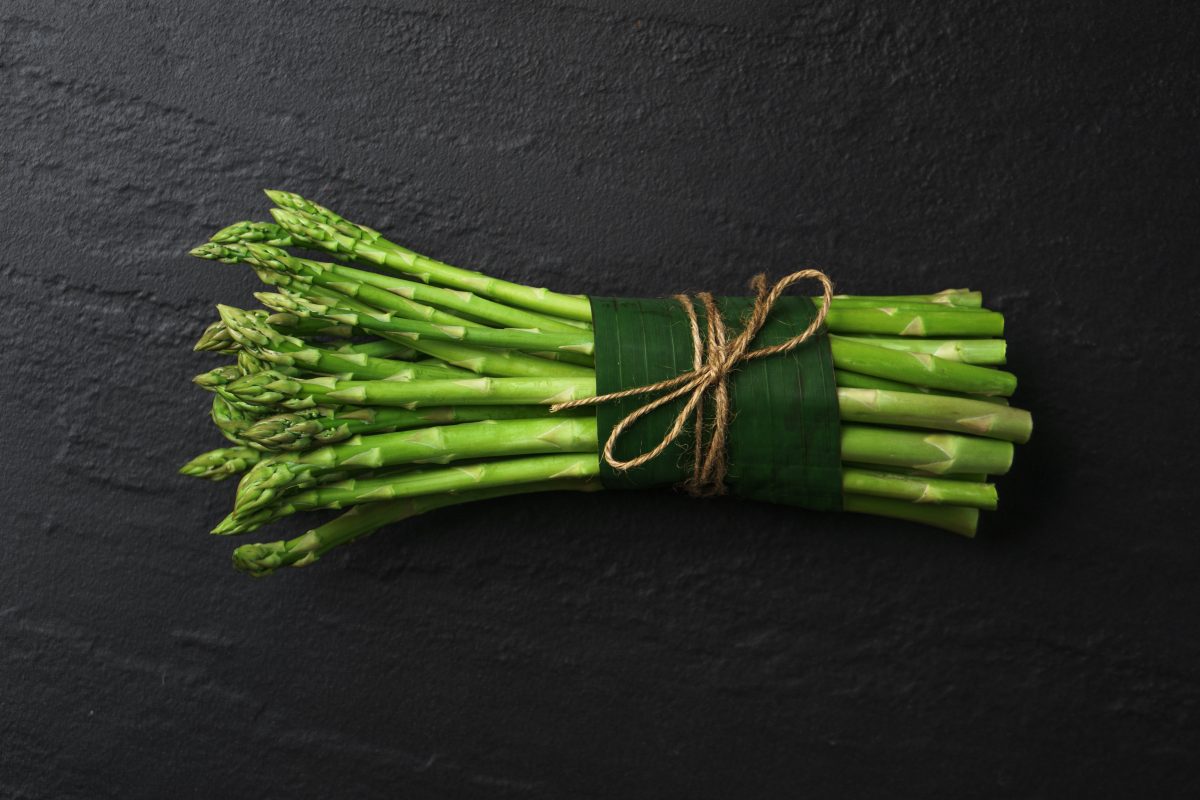
Almost any kind, but some are better than others. Here's a list of the best ones to freeze: beans, maize, cauliflower, broccoli, peas, pumpkin, asparagus, green beans, carrots, spinach, Swiss chard, kale, celeriac, onion, Brussels sprouts, Peppers, avocado, herbs, berries.
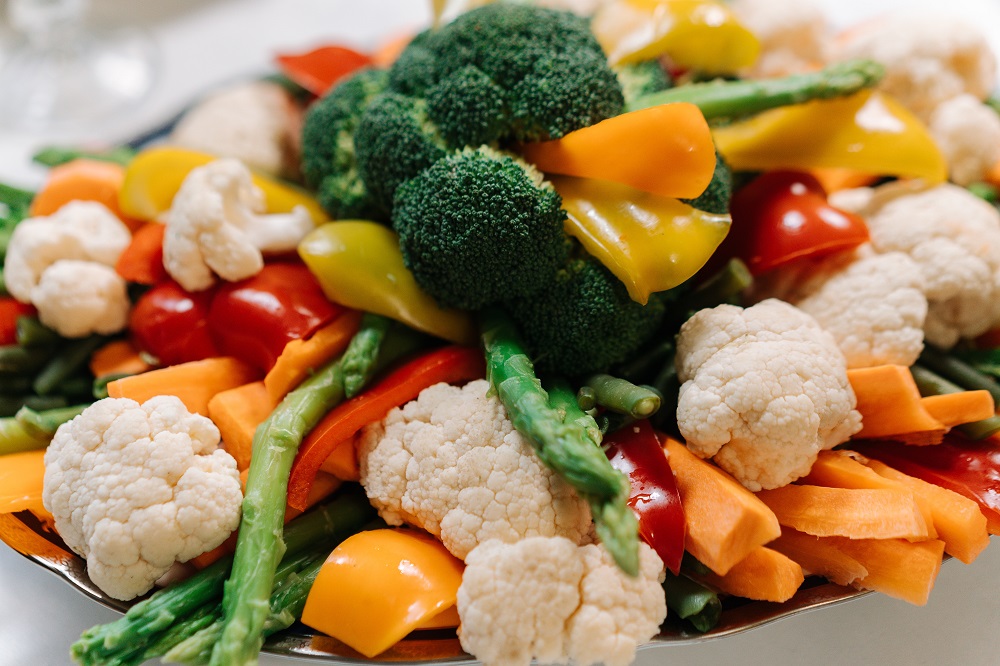
Is there any point in blansing?
Bannering is not compulsory, but helps vegetables retain their flavour and texture even after freezing. To do this, simply clean and chop your vegetables, then immerse them in salted boiling water for two to three minutes. It is important that they are the same size and that you only heat one type of vegetable at a time, as different vegetables blanch at different rates. To stop the cooking process, simply immerse them in ice water and allow them to cool before freezing.
Good to know!
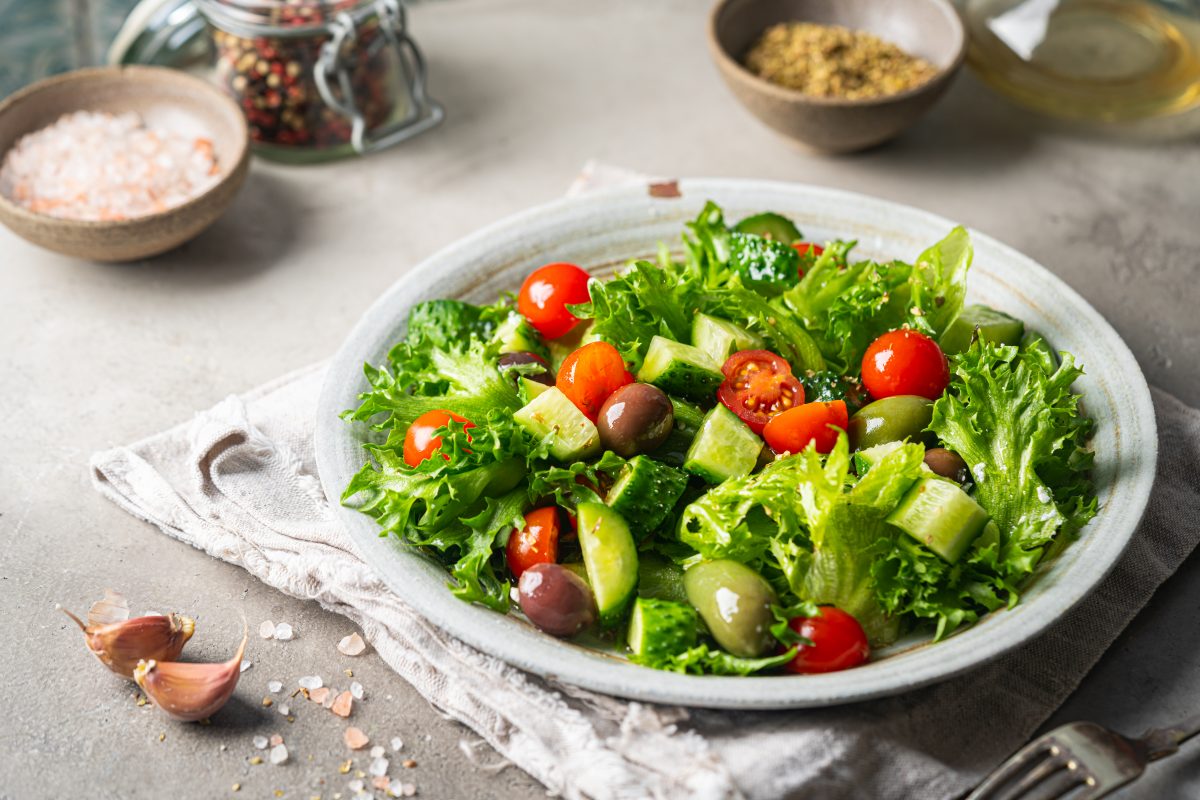
Vegetables with a high water content, such as cucumbers, radishes, tomatoes or lettuce, will be slightly mushy after defrosting and potatoes will turn brown, so freezing them is not recommended.
It may be a good idea to get plastic food containers of the same size, as stacking them on top of each other is a convenient way to store your vegetables. Airtight bags are also a good solution, which can be used to maximise the capacity of your fridge.