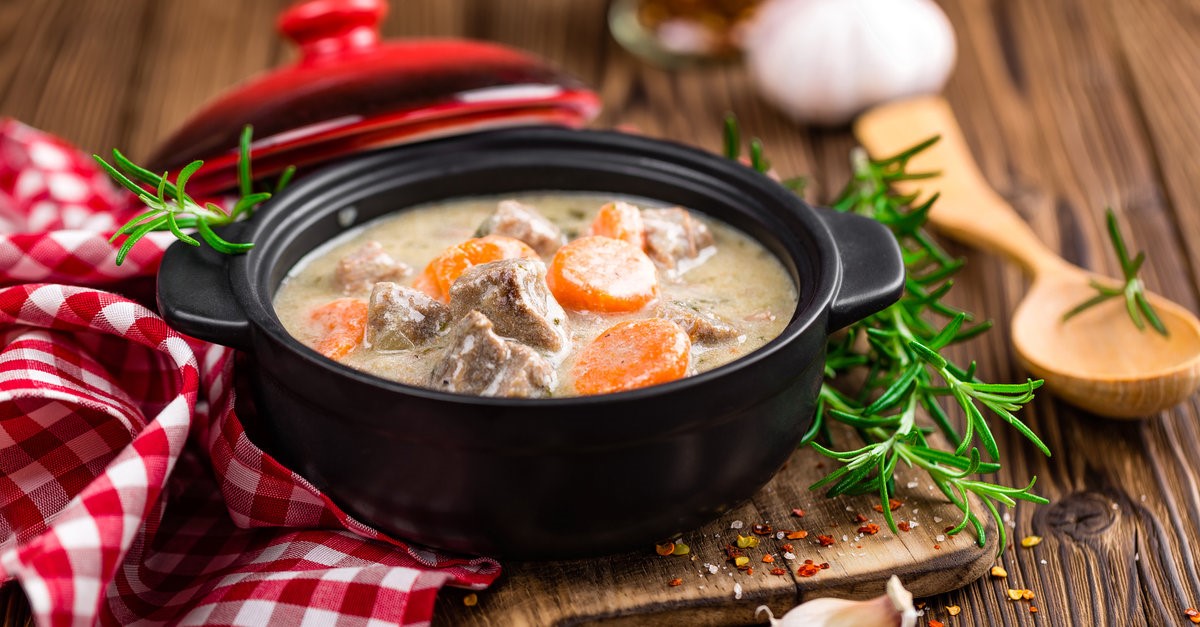







When you think of number 100, you probably don't think of the delicious taste of lightly cooked stuffed ravioli, crispy fried vegetables or tender, tasty fish fillets. And yet, the number 100 plays an essential role in the preparation of these types of dishes. To be precise: the temperature of the boiling water. When it reaches 100°C, this precious liquid turns to steam and becomes a favourite cooking method in our healthy diets, which doesn't necessarily mean it's any less tasty. And that's steaming.
First of all, think of the “magic” of steaming: its maximum temperature is the same as the temperature reached in the water transformation phase, i.e. 100°C. As the pressure increases, the temperature of the water vapour rises, and this is the basic principle of how pressure vessels work. So cooking in steam is the easiest way to cook steam at 100°C, provided there is atmospheric pressure: all you need is a pan and a lid and you're ready to go.
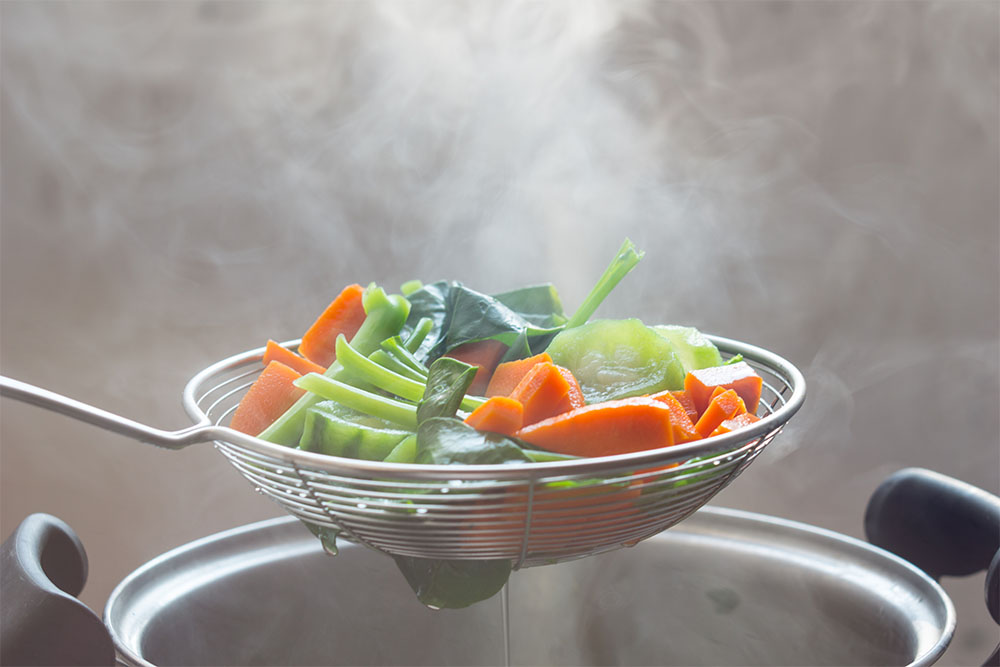
The advantages of steaming over boiling/span>
Accordingly, it has two advantages. The first is that when cooking in steam, the water comes into contact with the food in gaseous form without being immersed in liquid. The water does not get “dirty”, so there is no “boiling point rise” and the temperature remains virtually constant.
The second advantage is that water vapour preserves the moisture content of food during cooking. It's hard to imagine a more natural one, healthier and a more flavour-friendly cooking method than stewing. Because there is no immersion, as with boiling, most of the nutrients and flavour molecules in the food are retained without being dispersed in the liquid.
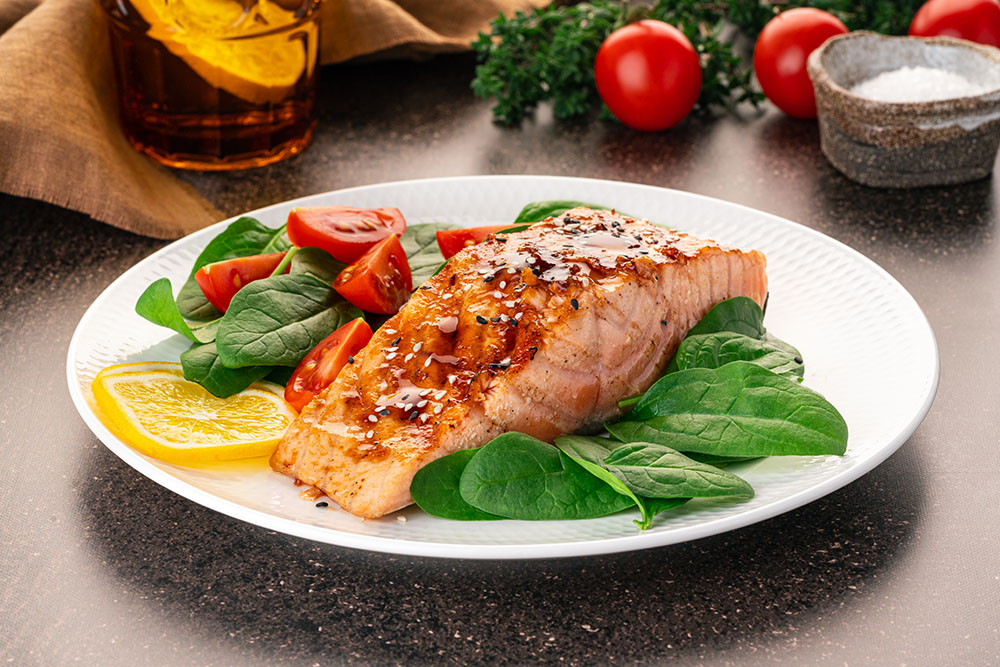
Steaming vs. baking
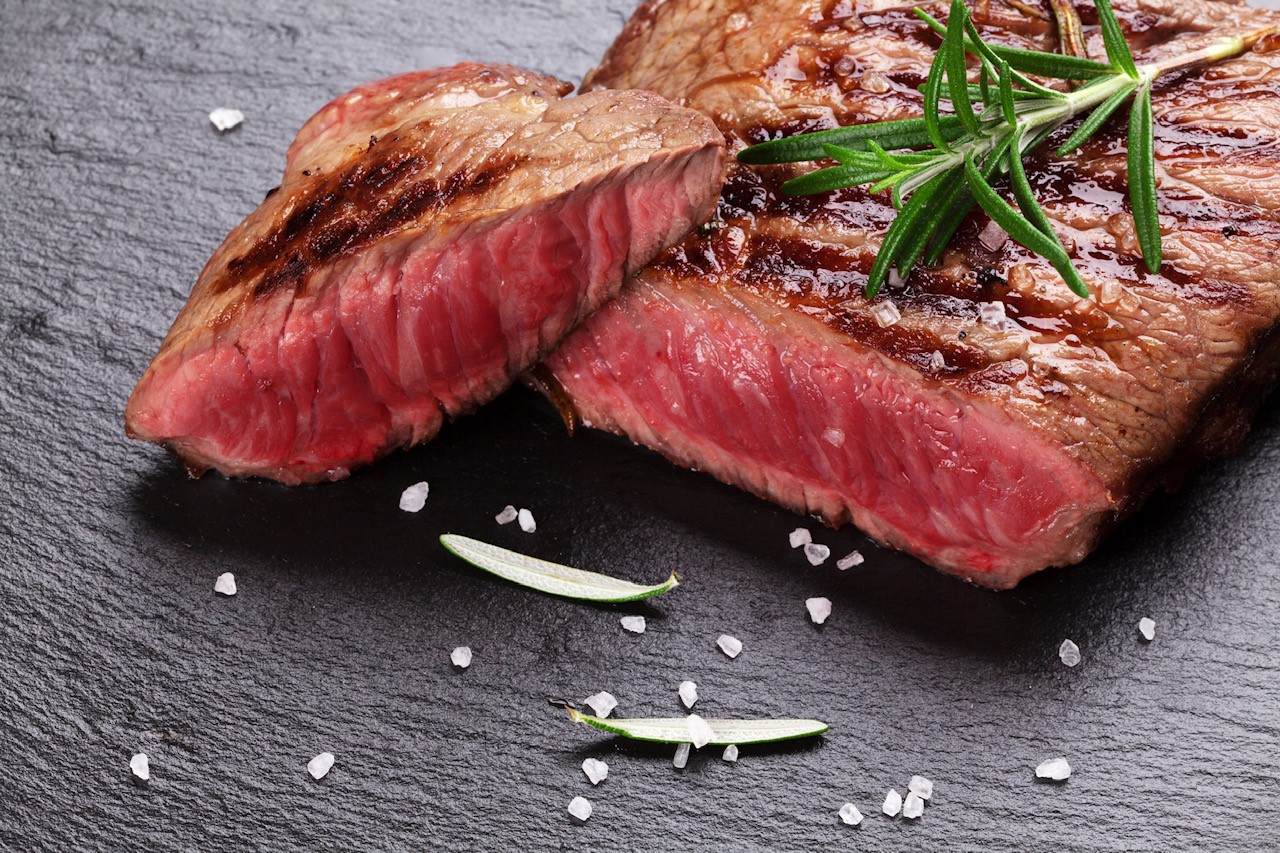
As with steaming, baking cooks food quickly, so the flavour and texture are mostly intact. For meats and other ingredients, the higher temperatures achieved by frying are more favourable than Maillard reaction, which is, for example, a discharged for steak gives it a crispy, brown appearance and a unique taste. However, the oils and fats used for frying or roasting fats inevitably result in more calories than the steamed versions. In addition, cooking in steam makes much less mess than frying, which oil splashes on surfaces and leaves greasy pans.
How to steam food correctly
Now that we've compared braising with some other popular cooking methods, we can set some rules for proper braising.
First, make sure there is enough water under the basket. That way, even if the liquids released by the food flow into the pan or bowl, the temperature change will be negligible. Another important recommendation is not to salt the water: this is a common mistake that serves no real purpose. In any case, the steam released is just water, and adding salt will only delay the simmering process: for flavouring, salt the food after you have cooked it.
Choose your ingredients carefully
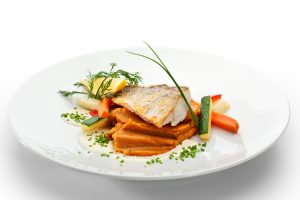
For example, red meat is not suitable for cooking in steam. Chicken cuts are preferable, but vegetables, potatoes, fish and rice are best. When steaming fish, season the cooking stock. Pour one part white wine to four parts water, but you can also add fresh herbs and other dry spice, such as whole pepper, bay leaf and thyme.