






Polenta is both the name of the coarsely ground yellow corn flour and the name of the Italian dish traditionally made from it, which comes from the Friuli-Venezia Giulia region. Its origins date back to the dawn of cooking, before Roman and Greek times. In the Italian diaspora, polenta refers to a specific type of corn introduced through the Venetian exchange. For centuries, it was considered a dish of shame, as this „corn porridge” was served to slaves, and only after the Second World War did it become a respectable part of Italian cuisine. Today it is often served as a creamy base for stewed meats, seasonal vegetables or as a side dish. Now you can learn all about one of our favourite grains!
What is the difference between polenta, cornflour and semolina?
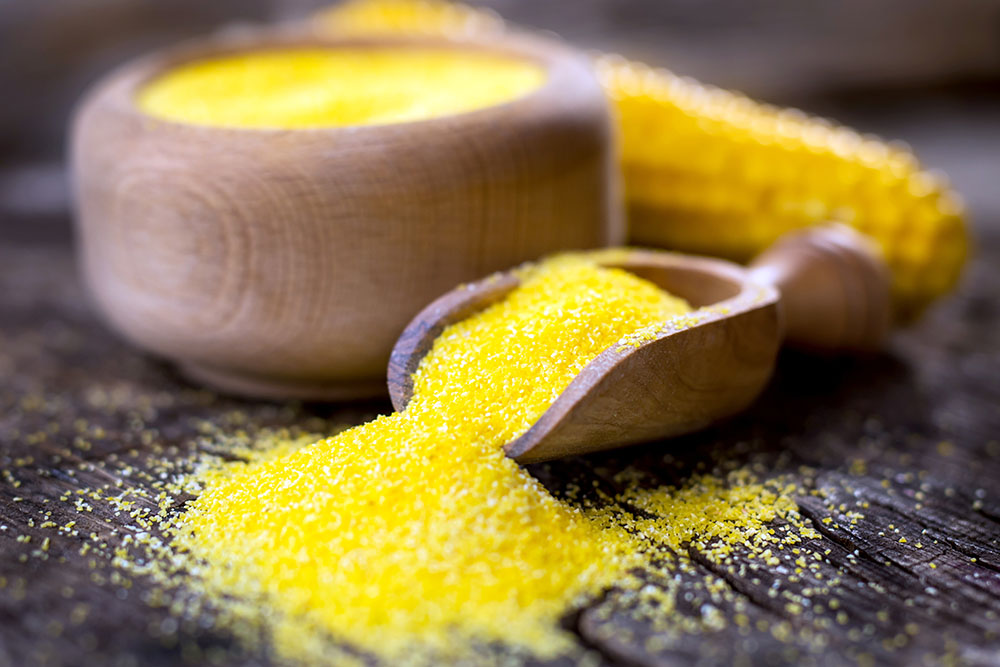
At first glance, polenta, corn flour and grits may seem similar; after all, they all come from corn. But it's the type of maize - and how it's processed - that really sets each product apart. Polenta is traditionally from yellow corn, and the semolina is made from white maize. Polenta is usually ground coarser than semolina. The latter is typically made from dent maize, which refers to both white and yellow field maize, which has a high starch content. Groats are not made from evenly ground corn; in fact, they are more palatable when made from corn of different textures. Italian-style polenta, on the other hand, is made from flint maize, which has a harder texture than dent maize. Corn flour is any ground corn, ranging in texture from very coarse to finely ground, similar to flour. It is the hard endosperm particles that give cornmeal its texture, which is particularly important in making cornbread.
How to buy polenta
When you're looking for polenta in the shop, you'll probably notice that there are several options: instant, pre-cooked or traditional. Some brands may call polenta cornmeal or just cornmeal; but that's less important than how it's ground. The difference lies in the grain itself. Instant or precooked polenta is finely ground to absorb the cooking liquid in a few minutes. The traditional style polenta is ground medium to coarse for the for best texture.
How to make it
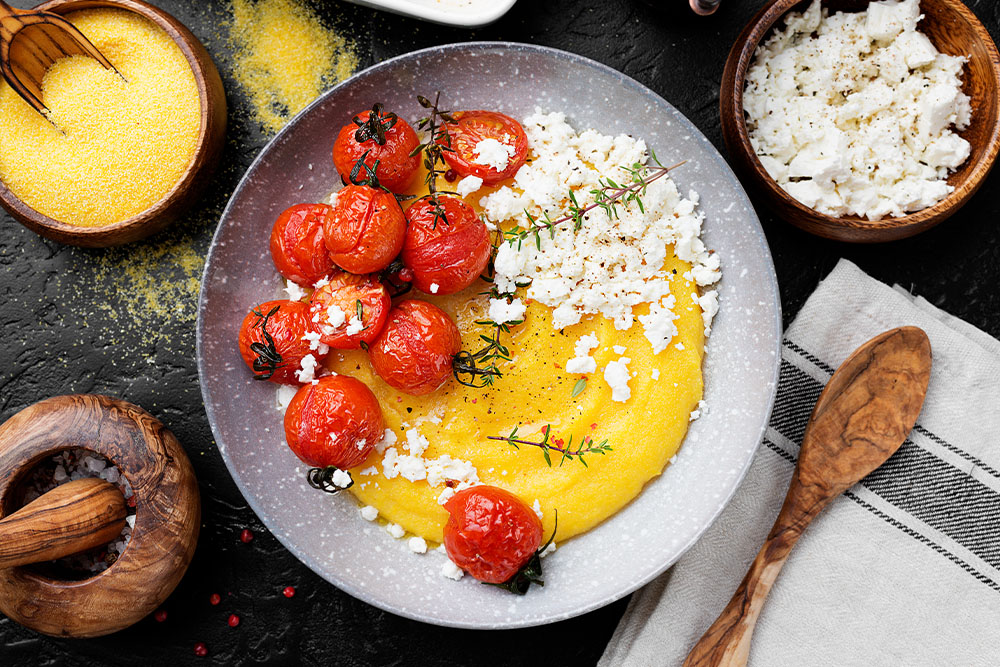
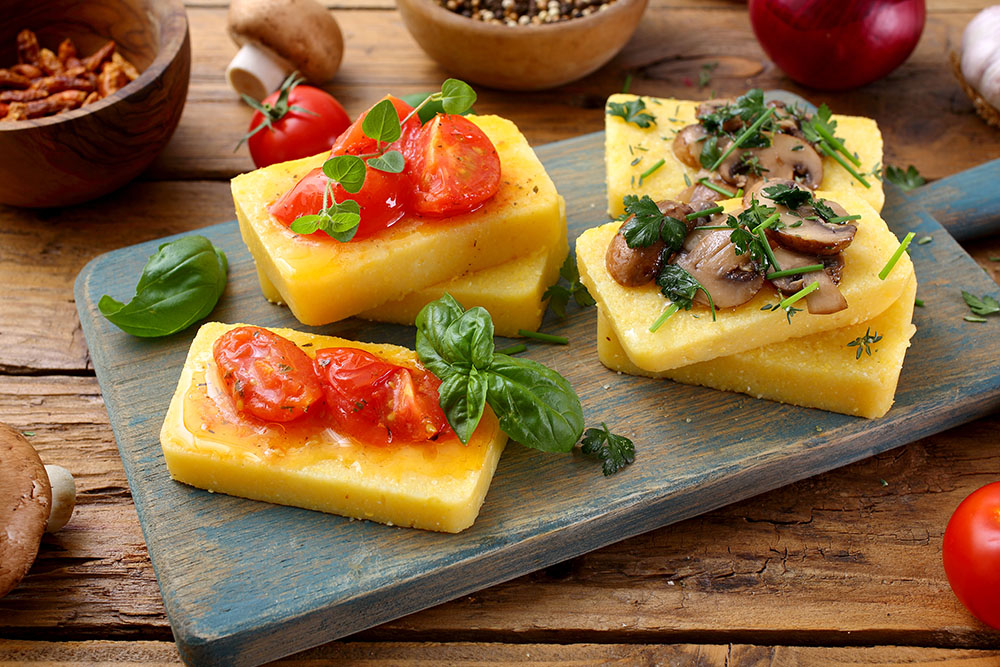
Traditionally, polenta is cooked slowly in water, milk or stock, then mixed with butter, salt, pepper, sometimes with parmesan or with other cheese. When using coarsely ground polenta, the cooking process should not be rushed; one portion usually takes 30-40 minutes. Pre-cooked polenta, on the other hand, takes about 5 minutes. You can also bake it in the oven or you can also buy a fully finished product, which is usually tightly wrapped in a roll. Although you can't reheat this and get creamy, mouldable serve as a side dish, but you can slice and pan-fry them into crispy discs.
How to store
An unopened package of polenta usually has a shelf life of at least one year. Once opened, transfer to an airtight container and keep in a dark, cool place. You can store cooked polenta in an airtight container for up to five days.