





In the old days, the choice of butter was straightforward, meaning that the only decision to be made was whether it should be salted or unsalted. Nowadays, however, there are more and more types of butter to choose from, and more and more recipes are being made with different styles of butter. If you are unsure about the differences and when to use which type, this article is for you!
Unsalted butter
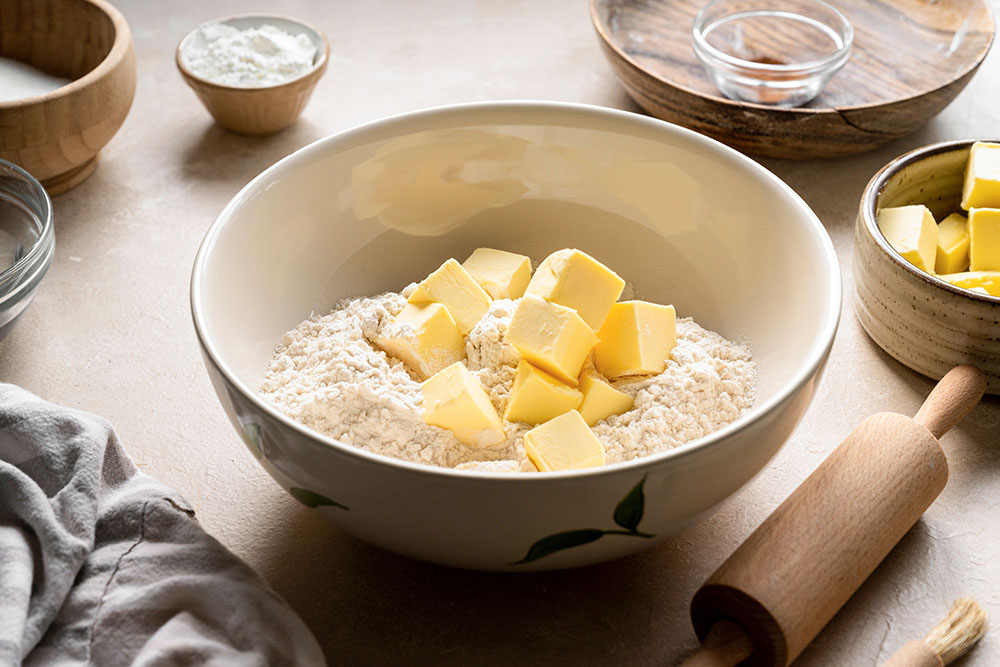
Unsalted butter is the all-purpose flour of the butter world. If a recipe simply calls for „butter”, this is the type to choose. Unsalted butter has a clean, creamy taste. Its use allows the chef to have complete control over the amount of salt, making it the preferred choice for both baking and savoury dishes. Unsalted butter typically contains 80% butterfat and 16-18% water.
For salted butter
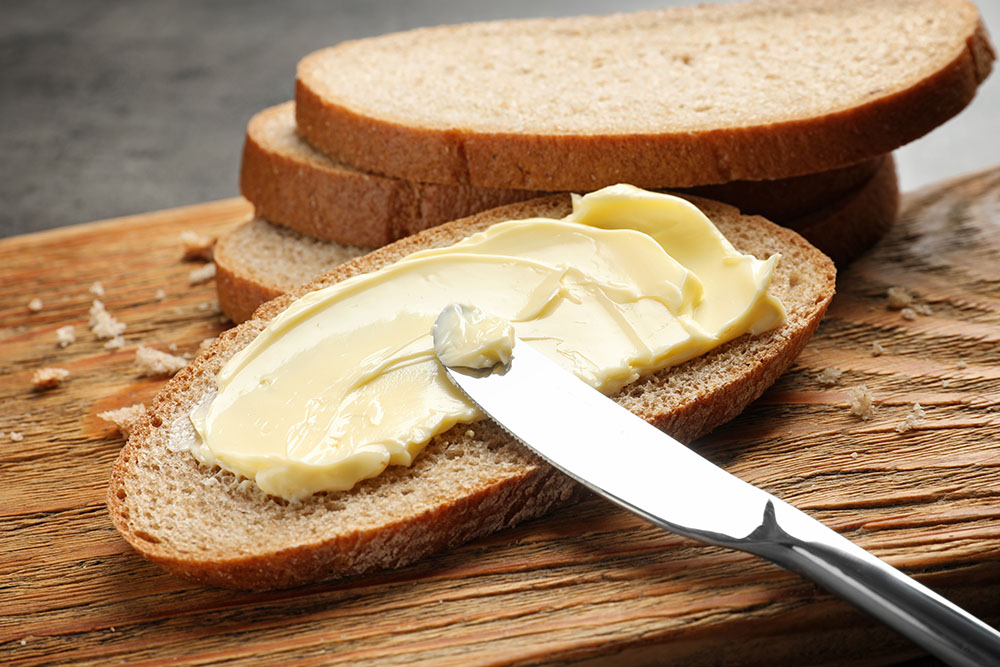
Unless the recipe calls for otherwise, the best choice is usually on bread, for cracker and other direct use lubrication. Originally, salt was added to butter as a preservative and, accordingly, commercial salted butter was often thought to be made from lower quality or older cream. Nowadays it is really just a matter of taste.
European style butter
European butters have a higher butterfat content than American butters and have become a favourite of many chefs, bakers and passionate home cooks. American butters have become a favourite containing at least 80% butterfat to be called butter, whereas European butter or American-made „European-style” butter has a butterfat content of between 82% and 90% (and a water content of up to 16%), which results in a much richer taste. These are excellent bases for sandwiches, but are also perfect for thicker sauces or rich cakes.

Sliced butter
This light, fluffy, salted butter is usually available in cans and is a great choice if you want butter that is easy to spread even when it's out of the fridge. A good choice if you live/work in a warm climate and storing butter on the counter is not an option. Perfect for toast, pancakes, for French fries and the like. You can also make your own whipped butter by whipping the butter in a whisk or hand mixer until it is light and fluffy, when it is still chilled but has been taken out of the fridge. Be sure to store this in an airtight container in the fridge.

Vegan butter
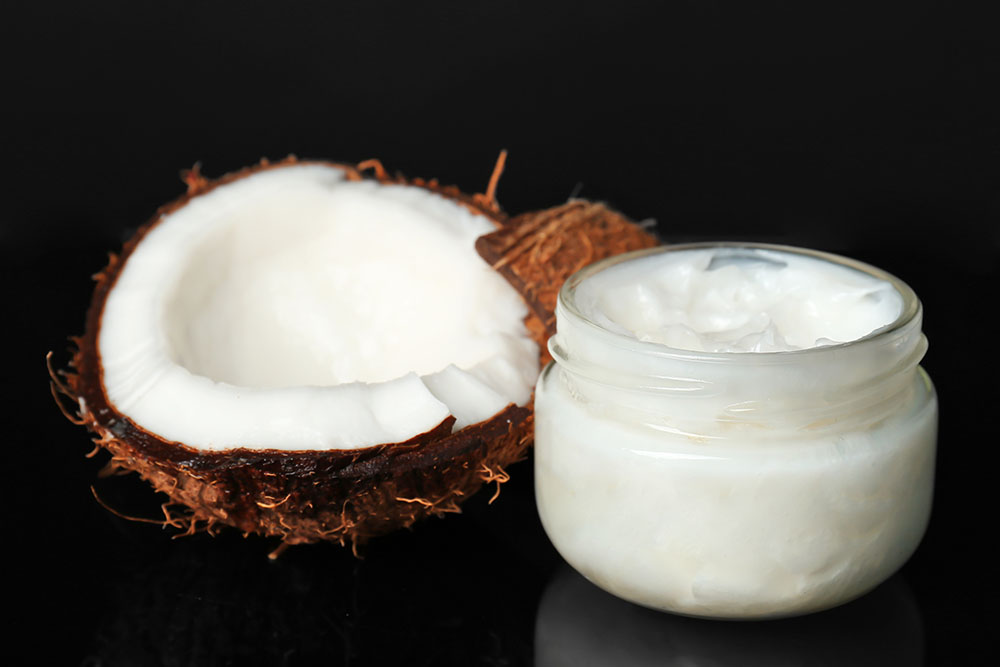
You can choose from a variety of salted and unsalted vegan butters on the market. You can find ones made from vegetable oil, almond oil, olive oil, avocado oil, cashew nuts or from coconut oil are made. They have the same taste and behaviour as classic butter, whether frying, spreading, melting or roasting, so you can easily prepare any dish plant-based diet for your followers.
Clarified butter and ghee
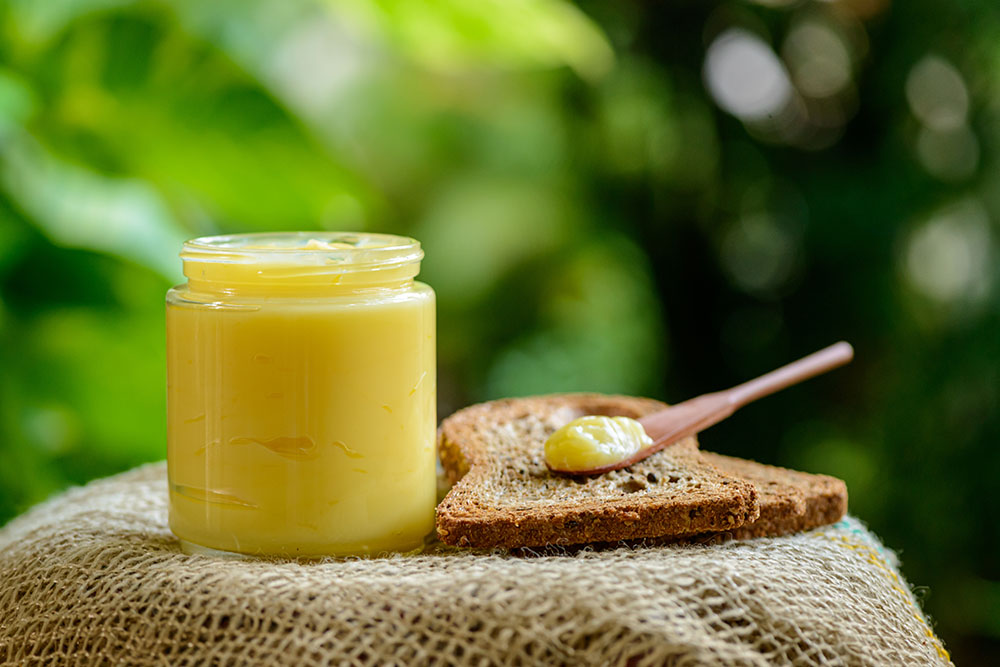
In this case, the butter is heated to remove the water and milk proteins, leaving only the pure butterfat. This gives a much higher heat point, which means you can cook with it without worrying about burning. Unless you're buying from a restaurant supplier, you'll need to make this yourself.
Ghee is a South Asian-style clarified butter where the milk proteins are fried before being filtered, giving it a pleasant nutty flavour. Ghee is readily available in grocery stores and is an excellent product to have in the kitchen if you want to bake at high temperatures and enhance buttery flavors. Both are great choices for those who are sensitive but not allergic to dairy.
Brown butter
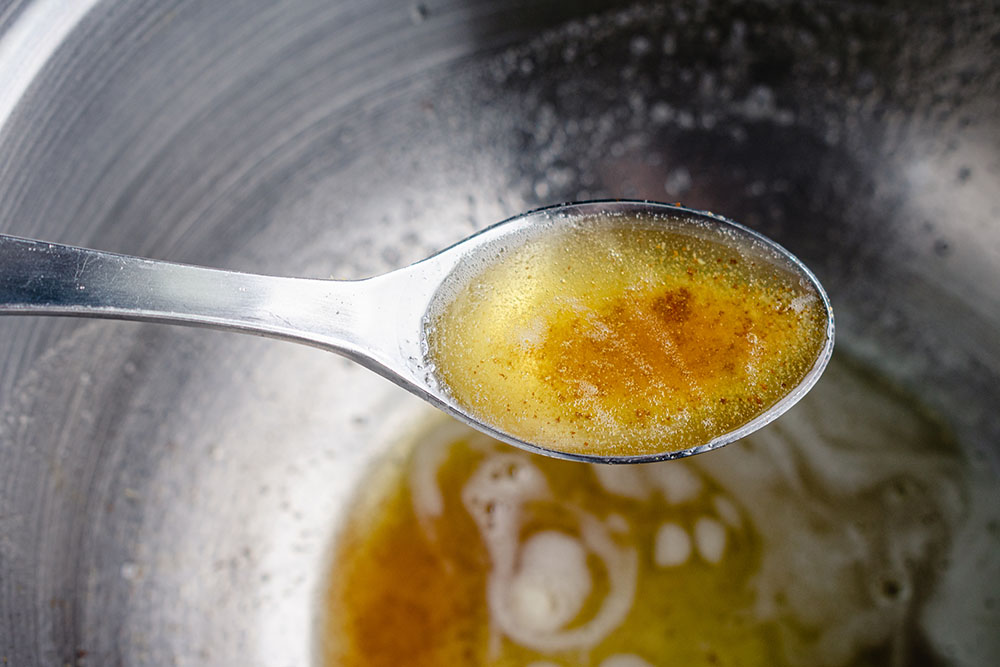
The French call brown butter „beurre noisette”, or peanut butter, referring to its dark brown colour and rich, nutty smell and taste. Brown butter is butter that has been melted and then cooked until the water evaporates and the milk proteins are toasted and browned. It is also excellent in biscuits, salads, cream soups and cakes.