




The NÉBIH survey showed how household food purchasing and consumption patterns changed between the first and third waves of the Covid-19 outbreak.
Life has changed
Life has changed, habits have changed! The social fundamentals have certainly been changed by the crown virus. It is a world-shaking, cross-cutting problem, and its health implications are by no means the only ones to consider. The effects have permeated the fabric of everyday life and permeated every aspect of our lives.

Photo: Pixabay Habits have changed
The population has become more cautious
NÉBIH has been researching how consumer habits and the market have changed. The results show that the shock of the first wave has passed, but the public has remained cautious and some habits are here to stay. Almost 2,000 people participated in the second joint representative survey conducted by NÉBIH, the University of Debrecen's GTK Institute of Marketing and Trade and the BSE Platform Association in May 2021. The survey revealed how households' food purchasing and consumption habits changed between the first and third waves of the Covid-19 epidemic.
The research
The survey was conducted in May this year and 1910 people completed the second quarantine survey on the NÉBIH website. The survey showed, among other things, that shoppers went to the shops more often in the third wave than in the first. This was still far below the pre-pandemic period. The proportion of people buying their groceries online continued to grow dynamically, so the market transformation, will be transformed, and the congestion caused by the pandemic will remain.
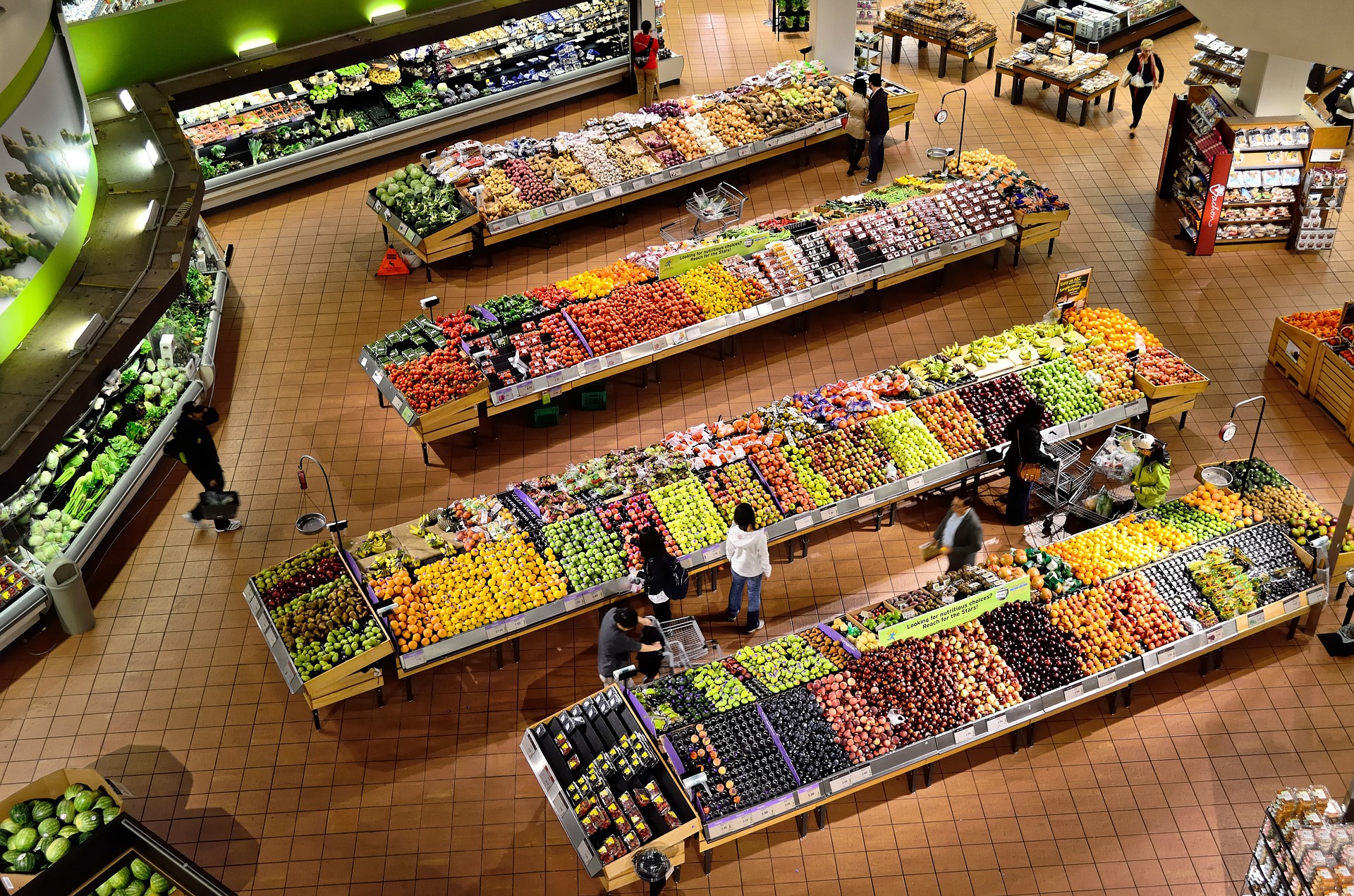
Photo : Pixabay Reduced accumulation
Accumulation is on a downward trend
When choosing a product, taste and quality are still the most important factors. Health benefits are also a key consideration. The research shows that consumers are once again choosing the same amount of each food in their shopping basket, and that the durability of a product is less important. The research clearly found that there is still a lot of hoarding. This is also indicated by the fact that 20% of households expect not to be able to consume products within their expiry date. This is more than double the figure seen during the first wave. Mindful food planning can be useful, but it is important to take note of our food storage guidelines, which can be found on the NÉBIH website.
Good news
The good news is that the amount of food wasted has fallen, as saving has become more important than saving. However, 57% of people found that more packaging waste was generated than before the outbreak.

Human aspects
Between the first and third waves of the epidemic, almost twice as many people gained weight as lost weight, and the weight of the Hungarian population has increased by an average of 30 kg since last spring. So the 1 „quarantine kilo” gained during the first wave has not been cut back. The reason is obvious: our physical activity levels have fallen sharply, with 38% of the population spending more than 8 hours sitting on an average weekday. However, there are also positive trends in the area of nutrition: three in ten respondents are trying to eat healthier, have started to watch their calorie intake and increase their fruit and vegetable consumption. Also positive is that people continue to pay more attention to food safety at home than before the outbreak. It is true that there has been a decline in this area compared to the first wave.
Results of surveys
The results of a representative online consumer survey of 3,000 people, conducted in early May, show that the epidemic emergency has not changed basic consumer habits when it comes to food shopping. Households had an average of 36 kg of food available at the time of the survey, which means that on average, people had enough food for about two weeks at home. Residents were able to pay more attention to planning their shopping and meals and to the expiry date of food. The way they shopped and the order of preference of factors influencing their purchases changed.
Security and usability have become the key
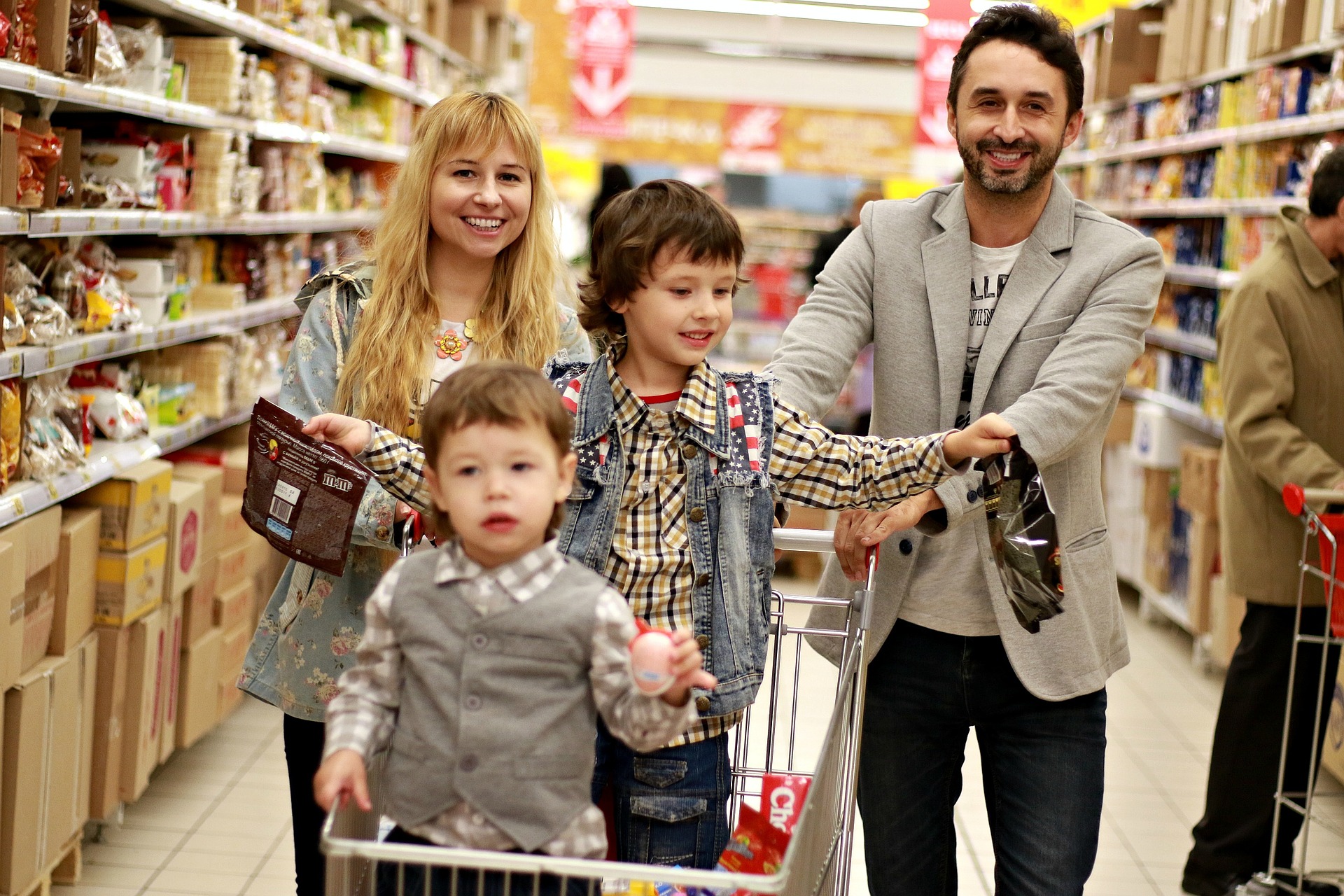
The durability of food has increased and packaged nature, and products for home baking and cooking came to the fore. This trend is particularly strengthening the market for ready meals and semi-finished products. Not only the convenience aspect, but also the safe and raw materials with a long shelf life consumer habits are shifting towards.
Online is the key
While more than three quarters of respondents went to the grocery store at least twice a week before the outbreak, after the outbreak started, more than Majority consciously, one week in advance thinking about purchased from. Around a tenth of respondents have tried online shopping for the first time in their lives, and overall a quarter of the population visited the online grocery stores.
Food safety in the home (personal and kitchen hygiene), conscious eating and a varied diet have become commonplace. From a nutritional point of view, it is positive that vegetables, fruit and dairy products have increased their presence in shopping baskets, and that the purchase of alcoholic beverages, salty snacks, sweets, sugar and energy drinks has decreased, and therefore probably their consumption.

photo: Pixabay NÉBIH research
Key findings from the NÉBIH surveys:
- The vast majority of the population, more than 80%, took the necessary precautions in shops.
- Before the epidemic, people typically went shopping 2-3 times a week, which dropped to 1 a week during the epidemic.
- 8% of respondents have bought food online for the first time in their lives.
- Basic, durable foods and the basic ingredients needed to prepare food at home were more in demand.
- Durability and domestic origin have become more important in purchasing decisions, but brand loyalty has declined.
- 3/4 of households had at least one week's reserves and half had at least 2 weeks' reserves.
- The research has shown that the shopping spree is not only due to fear of an epidemic, but also to food insecurity panicwas also a reaction. The two crises (epidemiological and insecurity of supplyi)
Source: NÉBIH
Photo by Pixabay
Read more:
https://blog.matusz-vad.hu/2021/07/23/konyhaelet-munkaerohiany-itt-a-megoldas/
https://blog.matusz-vad.hu/2021/07/23/dining-guide-etteremkalauz/