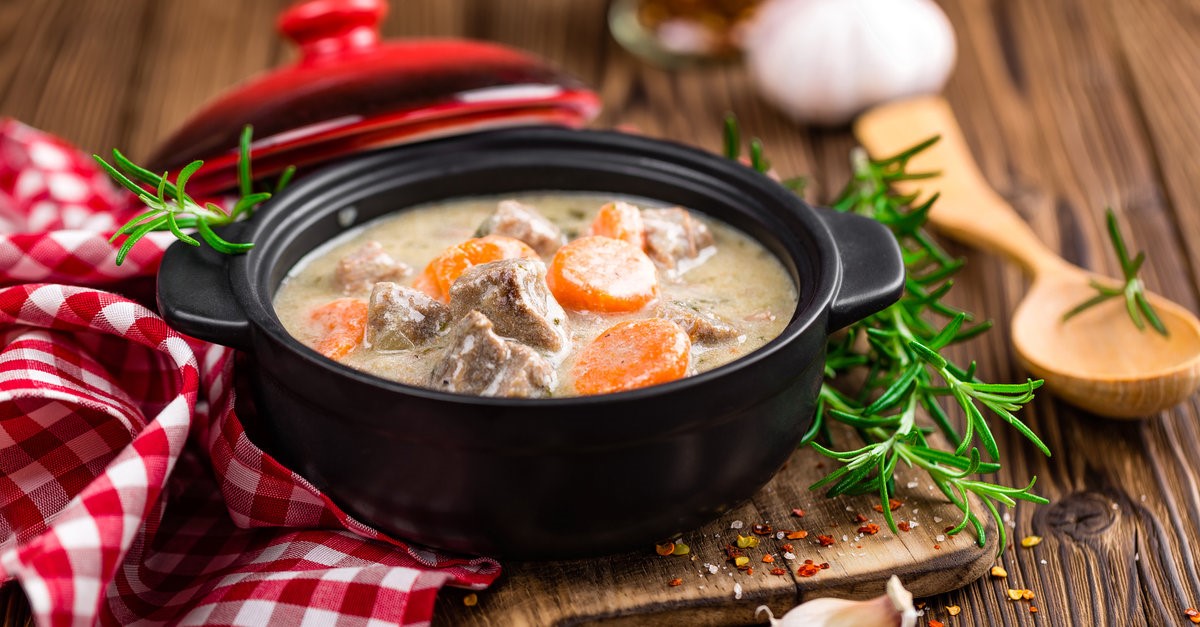







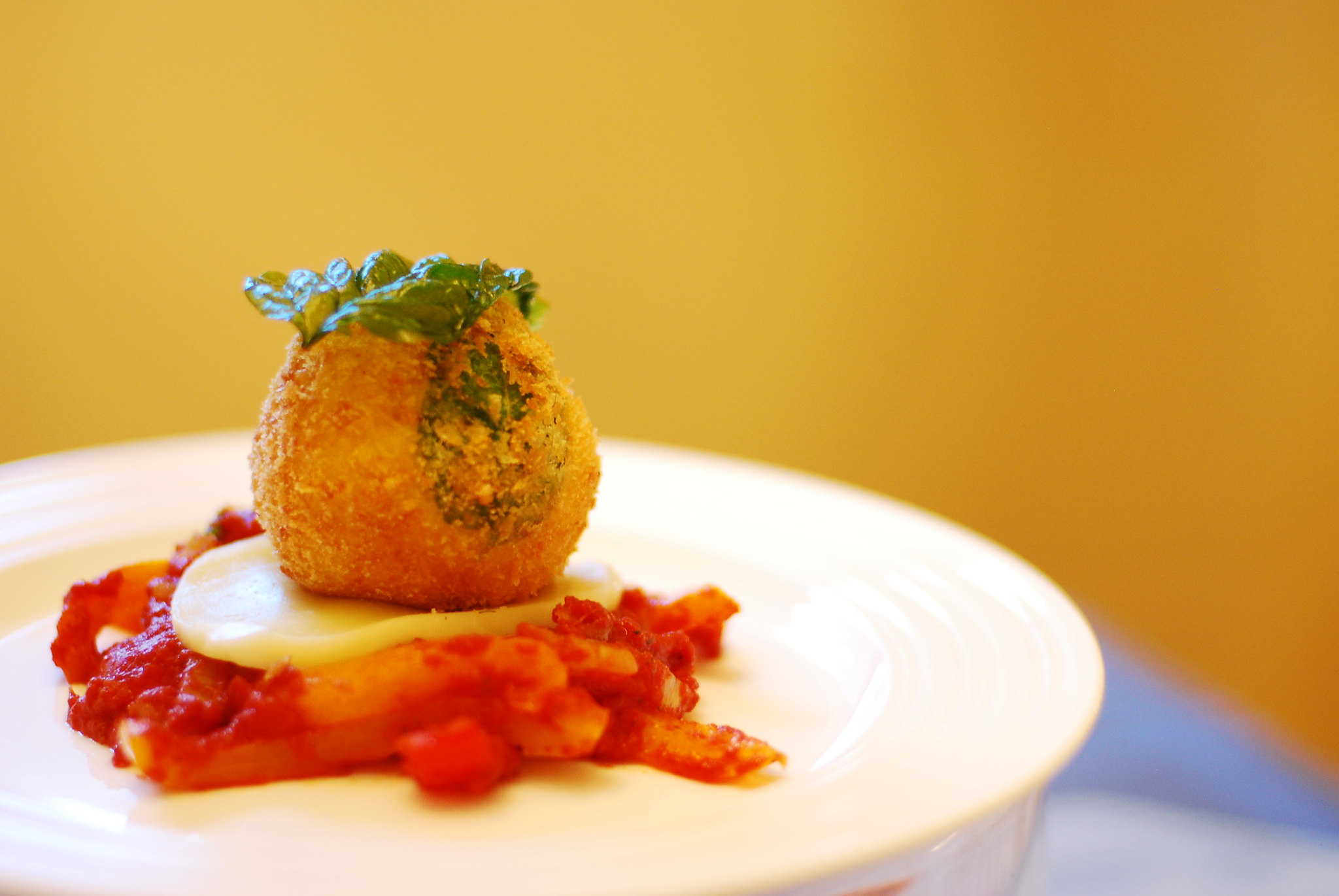
Arancini is actually a traditional Italian food. If you want to simplify it, you can use a breadcrumb coating and then fry it in a frying pan. cooked filled rice balls. Italian arancini (phonetic: aranˈtʃiːni) or Sicilian arancine (phonetic: aɾanˈdʒiːnɪ).
History of
The arancini is believed to have originated in 10th century Sicily. As the largest island in the Mediterranean, Sicily is famous for its beautiful landscapes, its natural wonders of unparalleled beauty, but also for its gastronomy is. As many people have visited the island, it is characterised by a diverse diet. One of these is arancini. It takes its name from its shape, the little dumplings. The word arancini means "orange dumplings". It started its career when the island was under Arab rule. The Arab warriors were fond of making simple but filling dishes so they would always be ready for battle. Rice balls, initially made only in Sicily, quickly spread and became a popular dish in Italy.
In Roman cuisine, the dish called supplì is similar to arancini, but it is usually filled with cheese and has different ways of preparation. In Naples, rice balls are called pall'e riso. Since Italian immigrants, like pizza, brought it with them to America, it has evolved there. The South Texas „Italian” recipe, for example, adds chilli to the filling of the arancini. Eventually it became a traditional dish, and because it is easy to prepare, it has become a street food delicacy that can be found on almost every corner.
The most commonly used types of filling
Originally, there were two versions, one with meat and the other stuffed with cheese. The island's typical products are durum wheat, olives and wine, which are accompanied by cattle and sheep. That is why the meat version is made with a minced meat and spicy tomato sauce. The cheesy version, which also spread more quickly, was made with mozzarella or caciocavallo cheese and often with peas. There are many different local versions, which differ both in the filling and the shape.
Under the crispy coat of the arancini - fried in a pancake batter - you can find a myriad of ingredients. In addition to the two most commonly used varieties, they are also stuffed with meat ragout, ham, aubergine, spinach, mushrooms and tuna. The most common fillings are pecorino cheese, parmesan, gorgonzola, ricotta, mascarpone, Parma ham, capers, basil and, of course, olive oil.
Interesting facts about arancini
According to tradition, they served arancini during their hunts II Frigyeduring the reign of the German-Roman Emperor and King of Sicily, 1194-1250. The mozzarella version was a great favourite, and there was never an occasion when he couldn't take a good portion of it on hunting trips. When he was hungry, he used to munch on it all the time.
Feast of Saint Lucia the Martyr -which will be held in Palermo, Siracusa and Trapani on 13 December. The feast was born out of the end of the famine in 1646, when a grain ship arrived in port on Santa Lucia Day, putting food and bread back on the tables. As neither bread nor pasta is allowed on that day, arancini became the traditional dish of the feast.
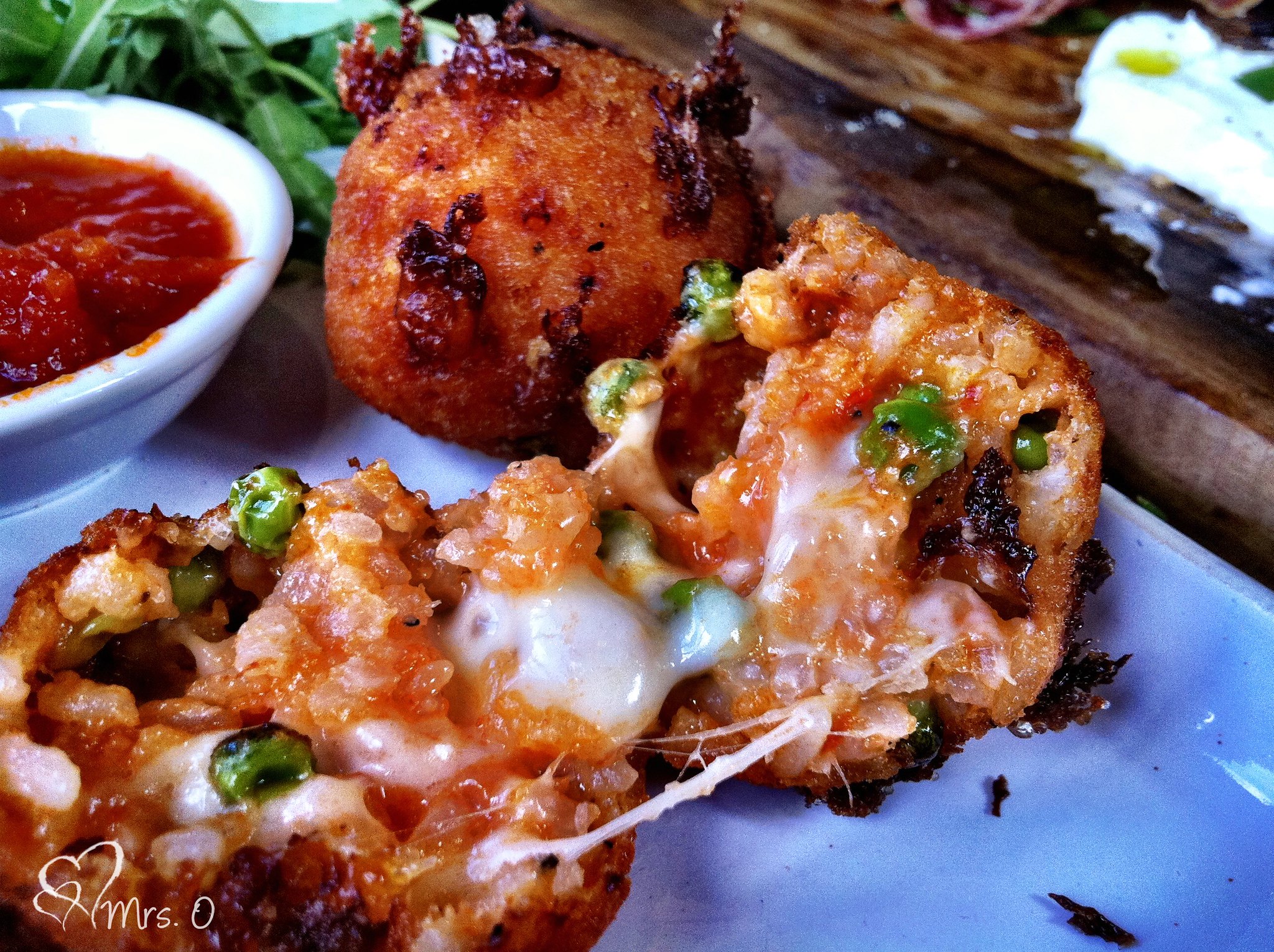
Andrea Camilleri (1925-2019), the protagonist of Italian writer's detective novels, “Inspector Montalbano” is a great lover of arancini and particularly likes the ones made by his housekeeper and cook, “Adelina Cirrinciò”. The success of the book series and the television adaptation have helped to make the dish known outside Italy.
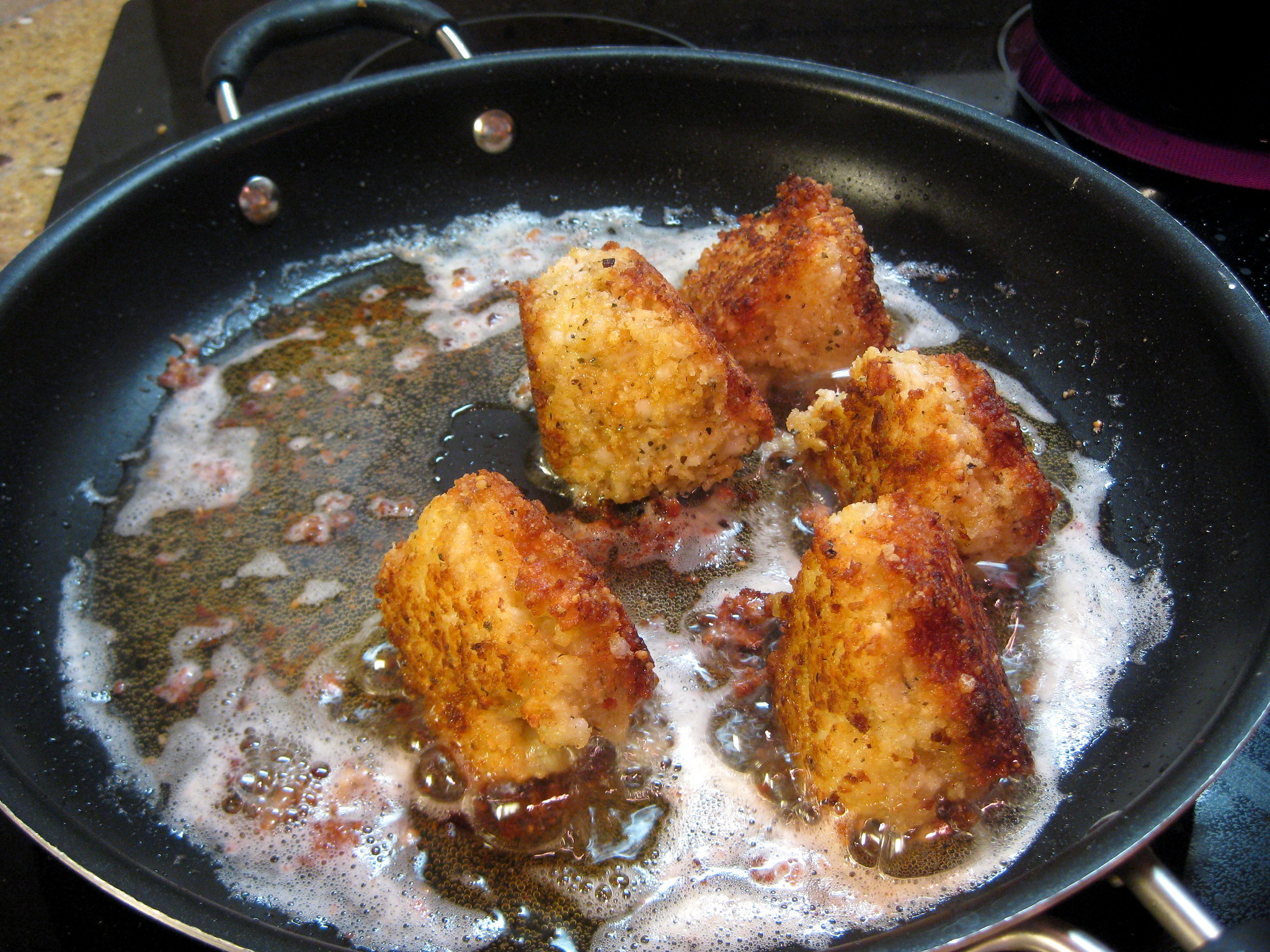
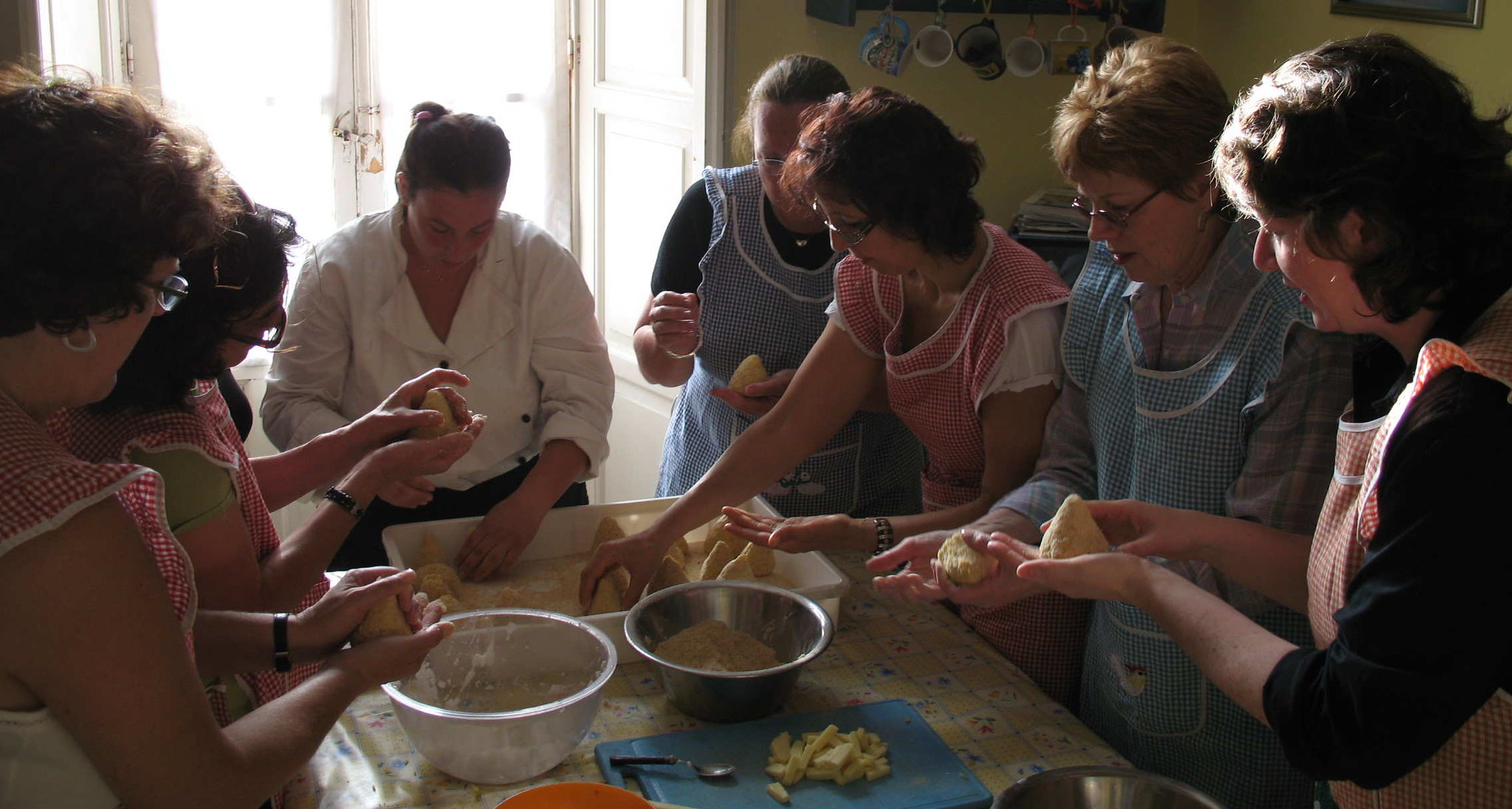
In Sicily, in addition to the common dumpling shape, there is also a conical version. The idea is to represent the mountains.
It is believed to have been one of the favourite dishes of Don Vito Cascio Ferro (1862-1945), the first godfather of Sicily, and one that was always a must in the house.
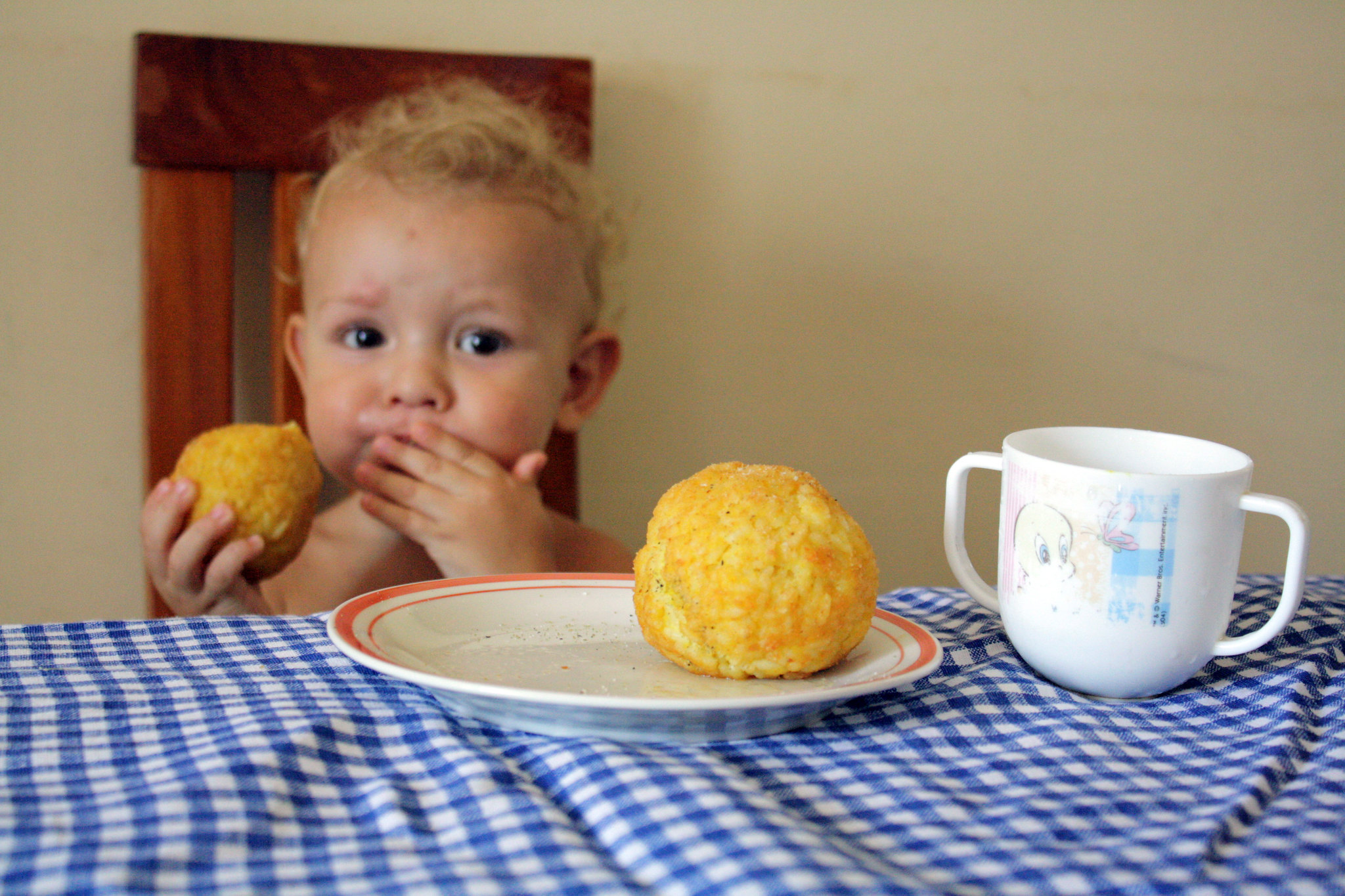
The spread of arancini
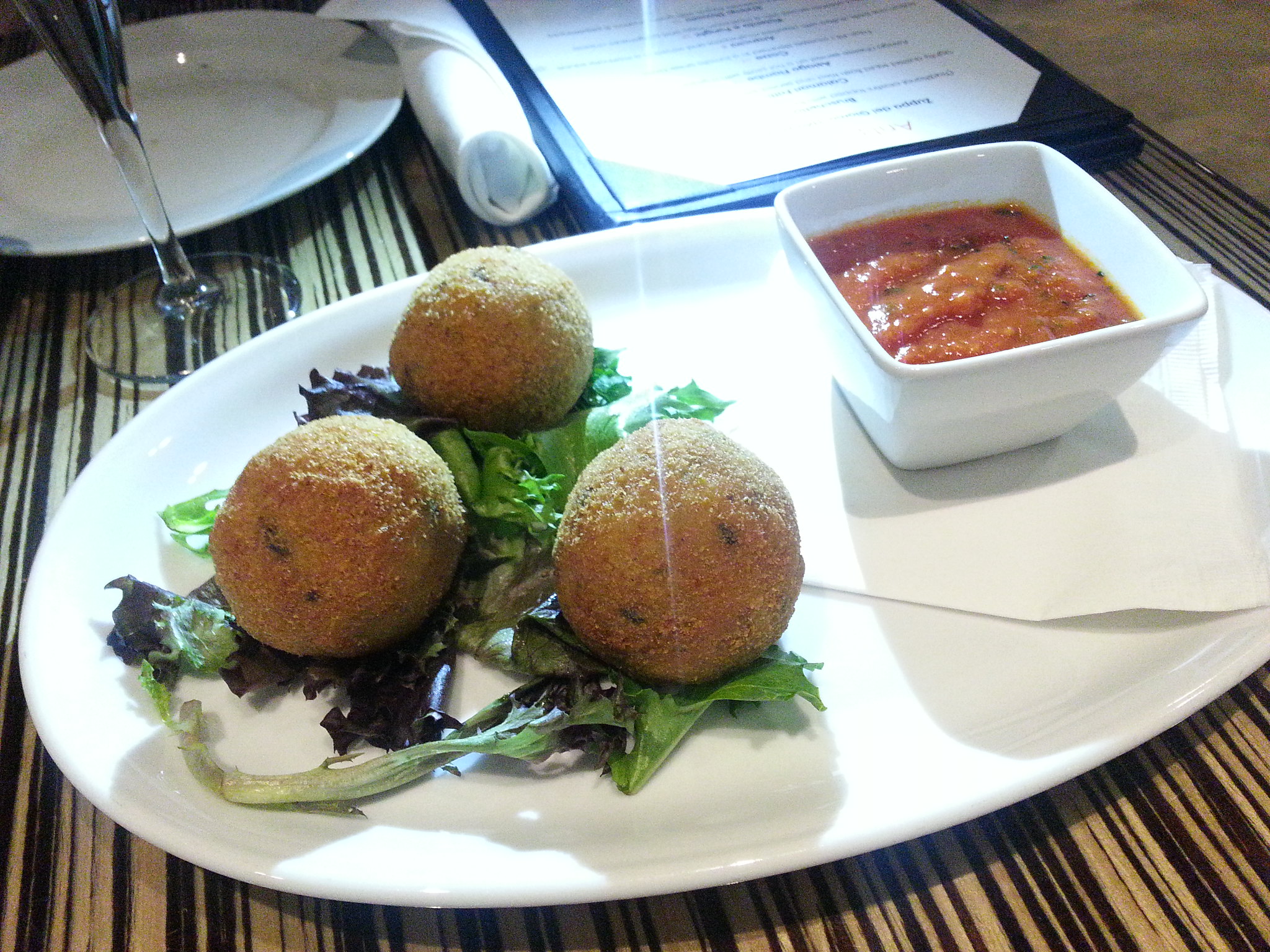
It's certainly a popular dish throughout Italy, so wherever they went, they took it with them. It is said to have been partly due to Frederick II and partly to Italian merchants who travelled across Europe with their wares. Sometimes they would be away from home for months at a time and wherever they went, they took a liking to the goldfinch. Often made at home, it is not missing from restaurants around the world, where it is often served with a variety of sauces for dipping, and is sold on the street as street food in many places.
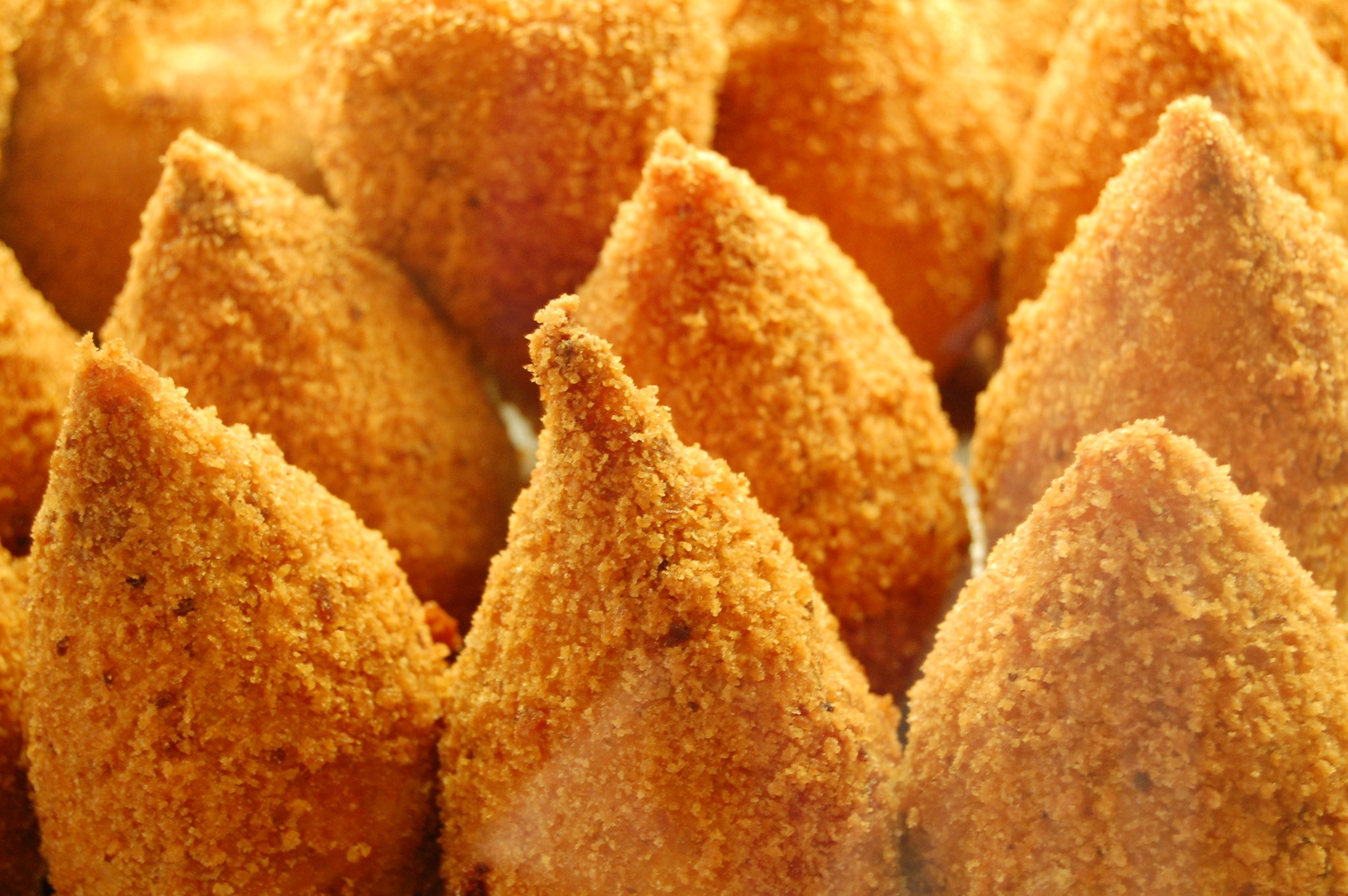
Italian rice balls have also become popular in our country, mainly because you can use leftover rice to make them, so they don't go to waste. Those who really like arancini say that risotto rice is the best rice to use, as it is a little stickier and stickier, so it sticks together better and is less likely to fall apart during cooking.
Author: Tamás Budafoki
Photo by Flickr